
Wachters bij graf van Christus — History & Facts
In the stillness of a moment, destiny hangs like a fragile thread, inviting contemplation and reverence. Focus on the solemnity that permeates the composition. The figures, draped in flowing garments, stand sentinel before the grave, their bodies echoing the weight of their grief. Notice how the light dances across their faces, softening their expressions yet failing to conceal the sorrow etched in their features.
The muted earth tones blend seamlessly, grounding the scene in an atmosphere of mourning, while the delicate lines reflect Hollar's deft engraving technique, each stroke imbued with emotion. Within this haunting portrayal, there lies a profound dichotomy: the fragility of life contrasted with the permanence of death. The mourners, though unified in their grief, reveal individual stories—their expressions speak of personal loss, yet they stand together, a testament to shared fate. The gravestone itself serves as a silent witness, its stark presence looming over the scene, urging us to confront the inevitability of mortality and the legacy we leave behind. Wenceslaus Hollar created this work in 1670, during a time when he was deeply engaged with the themes of mortality and remembrance.
Living in London after fleeing the Thirty Years’ War, his art was heavily influenced by the Baroque style and its exploration of human emotion. This piece reflects not only his personal journey but also the broader cultural preoccupations of an era grappling with the fragility of existence.
More Artworks by Wenceslaus Hollar
Browse all →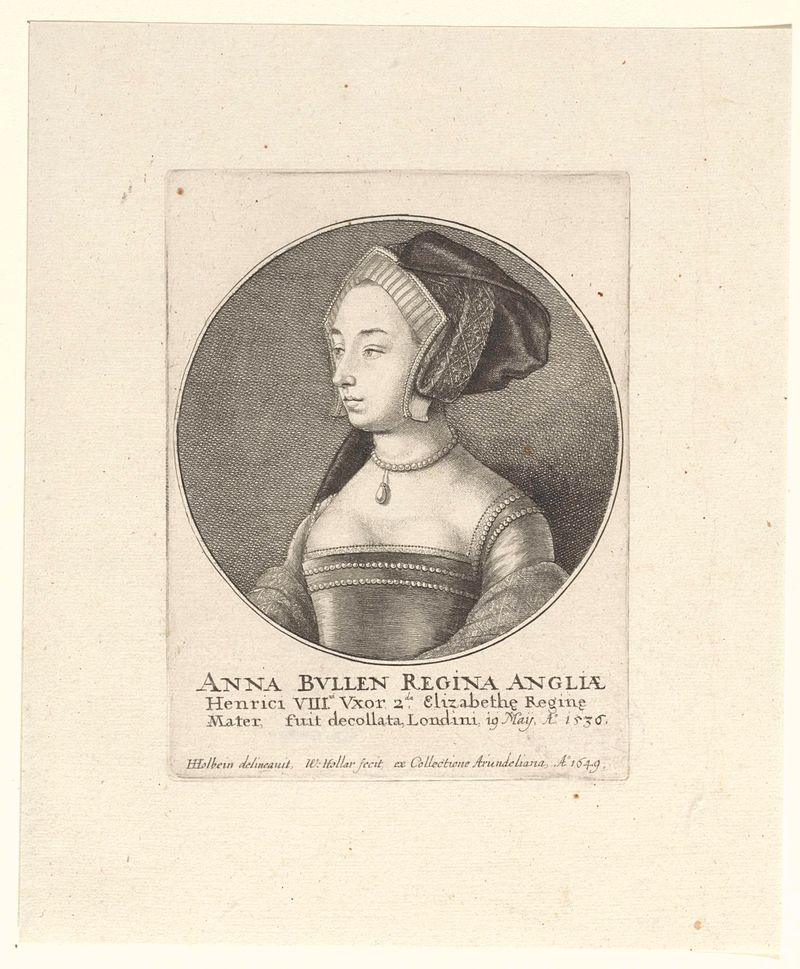
Portret van Anna Boleyn, koningin van Engeland
Wenceslaus Hollar
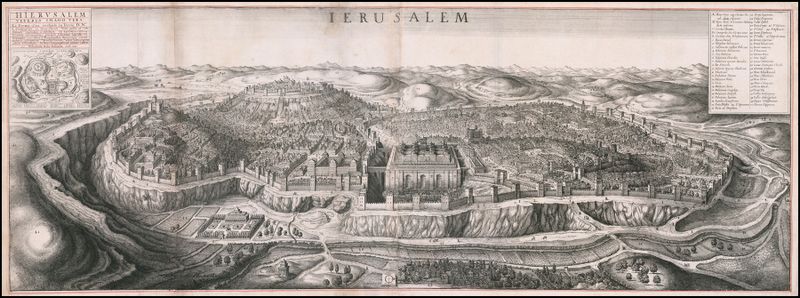
Bird’s eye view of Jerusalem
Wenceslaus Hollar
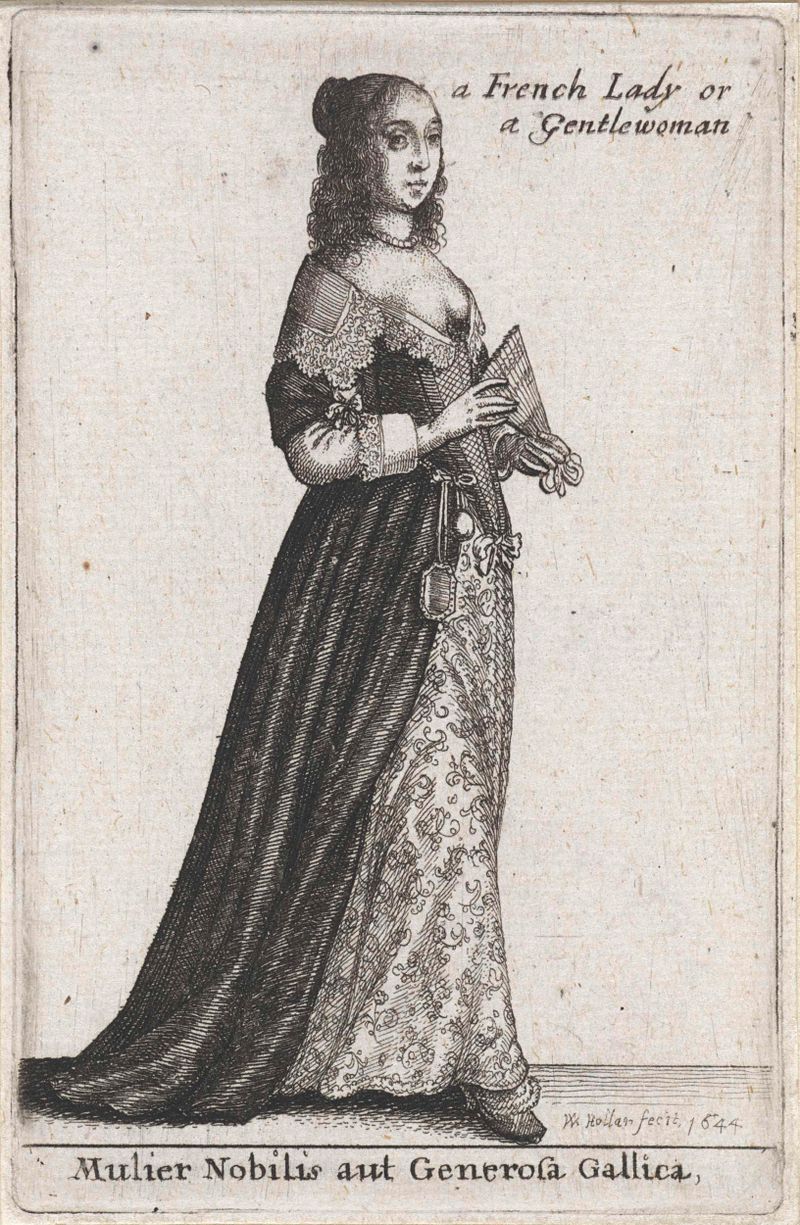
Mulier Nobilis aut Generosa Gallica / a French Lady or Gentlewoman
Wenceslaus Hollar
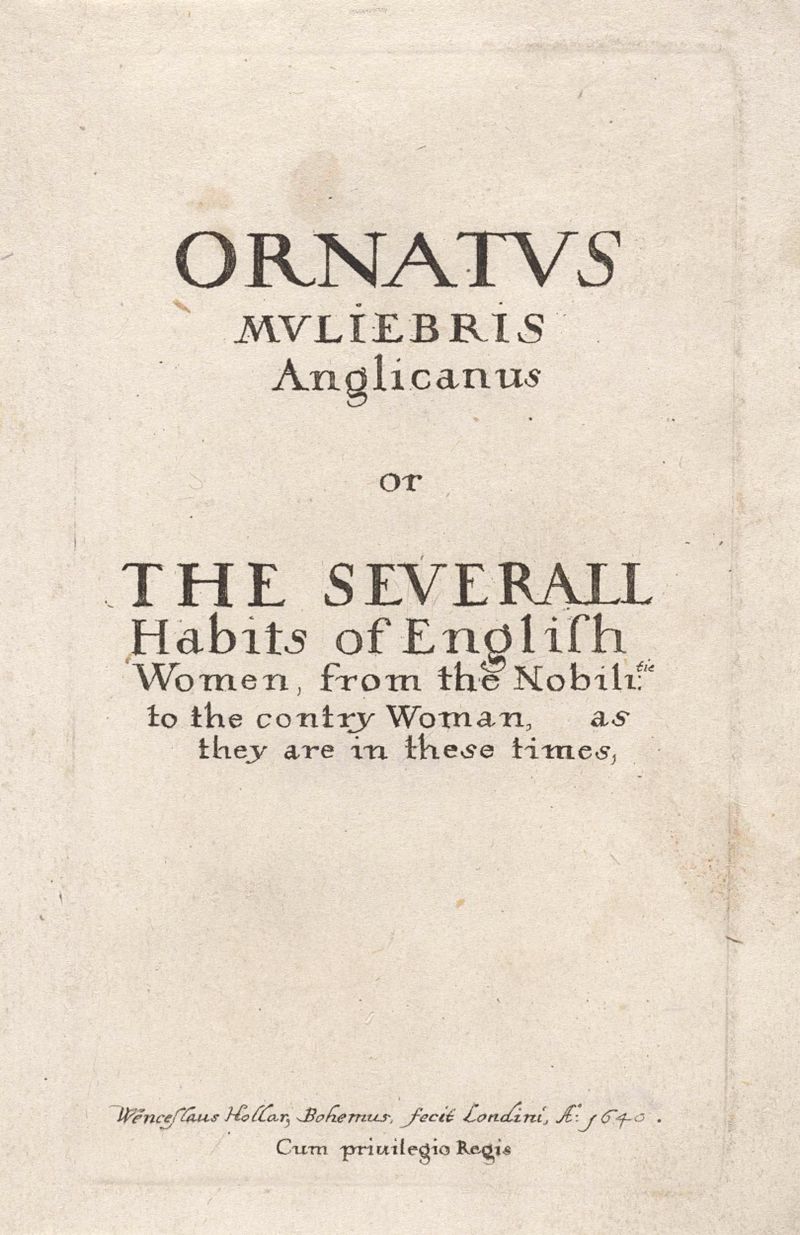
Titelprent voor: Ornatus Muliebris Anglicanus
Wenceslaus Hollar
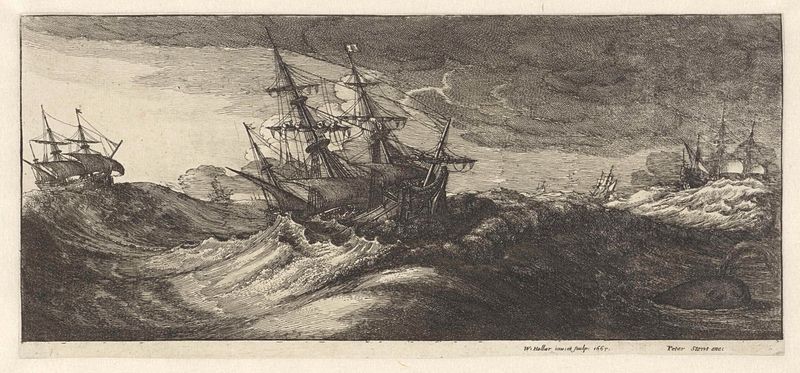
Oorlogsschepen en een walvis in een zeestorm
Wenceslaus Hollar
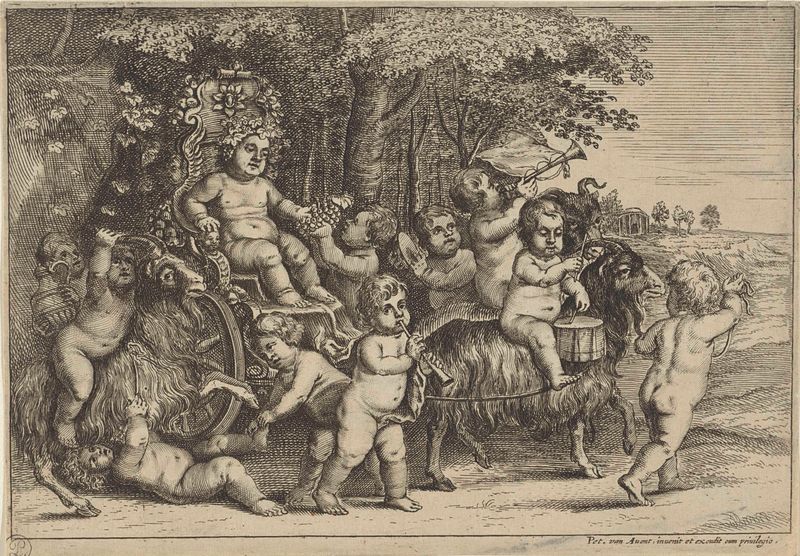
Optocht van bacchant en jongetjes op geiten
Wenceslaus Hollar
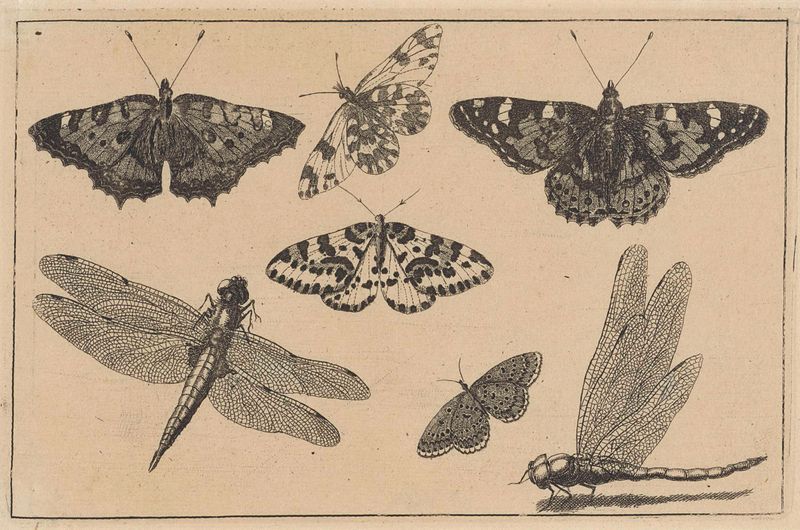
Twee libellen en vijf vlinders
Wenceslaus Hollar
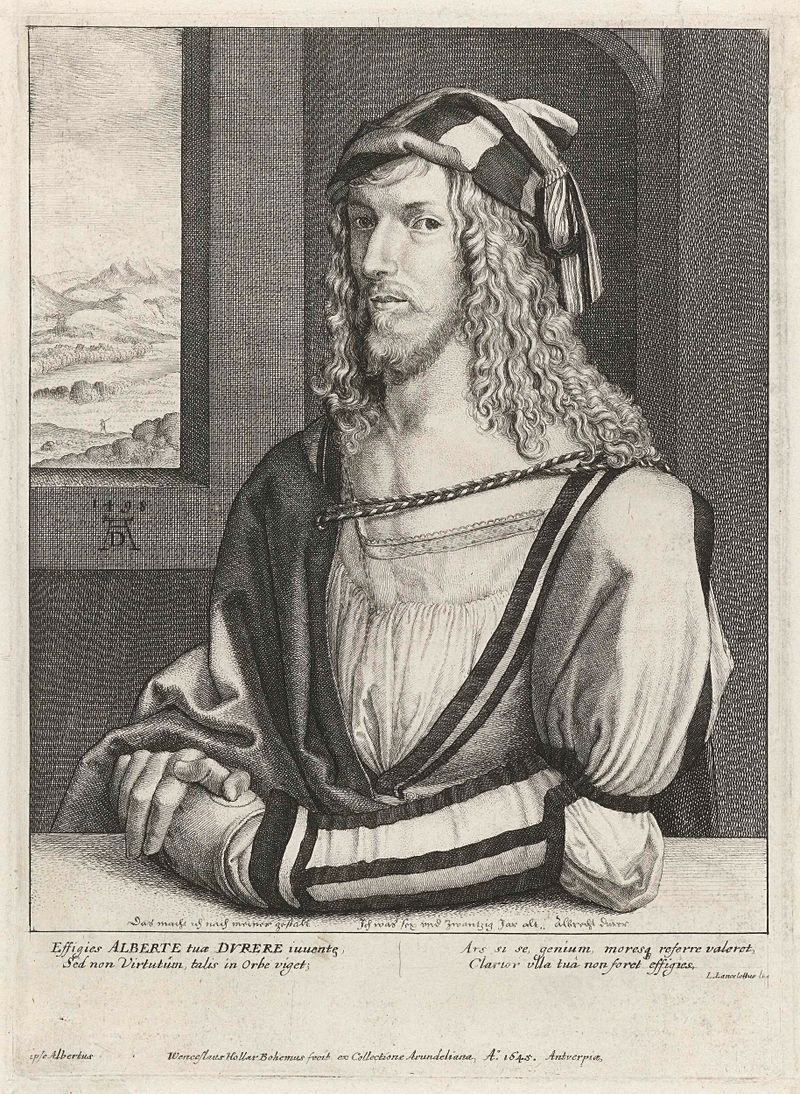
Portret van Albrecht Dürer
Wenceslaus Hollar
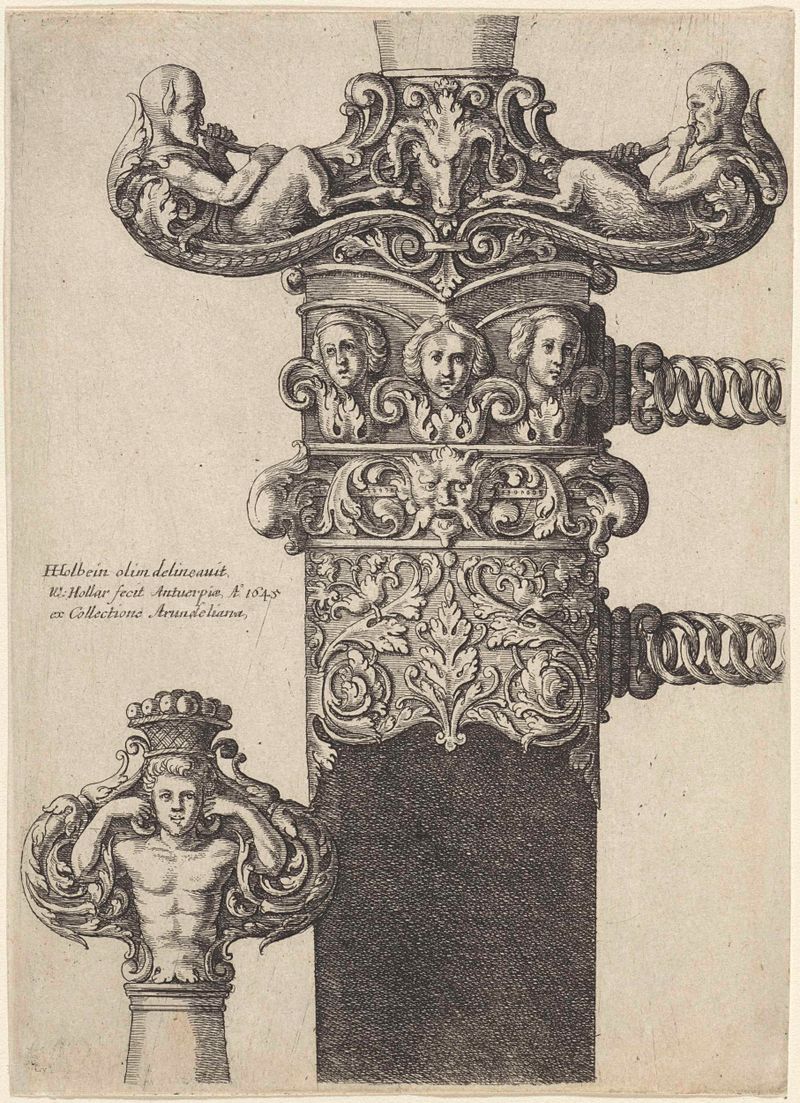
Ornamenteel ontwerp voor een dolk
Wenceslaus Hollar
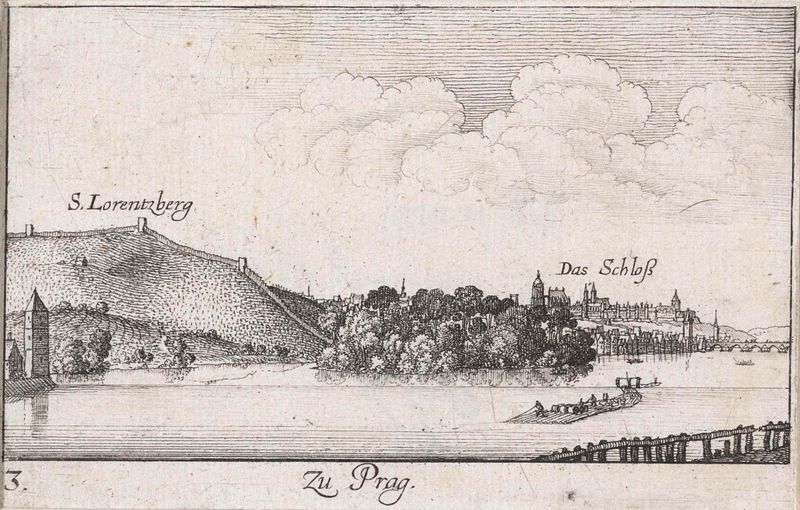
Gezicht op Praag vanaf de Moldau
Wenceslaus Hollar
More Religious Art
Browse all →
The Return of the Prodigal Son
Rembrandt van Rijn

The Garden of Earthly Delights
El Bosco

Count Orgaz’ funeral
El Greco

The Hundred Guilder Print: the central piece with Christ preaching, the plate arched
Rembrandt van Rijn

The Descent from the Cross
Rogier van der Weyden

The return of the prodigal son
Rembrandt van Rijn