
Waldstück — History & Facts
What if beauty was never meant to be finished? In Waldstück, the interplay of light and shadow invites us to contemplate the transient nature of the world captured within the frame. Look to the center, where vibrant greens and deep blues converge in a tangle of foliage. The brushstrokes are thick and expressive, creating a sense of movement as if the trees themselves whisper secrets in the wind. Notice how dappled light filters through the canopy, illuminating patches of the forest floor with a golden glow.
This deliberate use of color and texture draws the viewer's gaze deeper into the underbrush, beckoning one to explore the hidden wonders of nature. Yet, beneath the exuberance lies an emotional tension; the wild beauty of the forest feels both inviting and slightly foreboding. The juxtaposition of vivid colors against darker, shadowy areas mirrors the duality of serenity and chaos in the natural world. This contrast prompts introspection about the human experience, portraying nature as a reflection of our own internal struggles and desires. In 1906, Kirchner painted Waldstück during his time in Dresden, amidst the burgeoning Expressionist movement.
This period marked his dedication to capturing raw emotional experiences through vivid color and energetic forms, responding to the modern world around him. As the industrial age encroached, he sought solace in nature, creating works that resonate with both personal and universal themes of beauty and complexity.
More Artworks by Ernst Ludwig Kirchner
Browse all →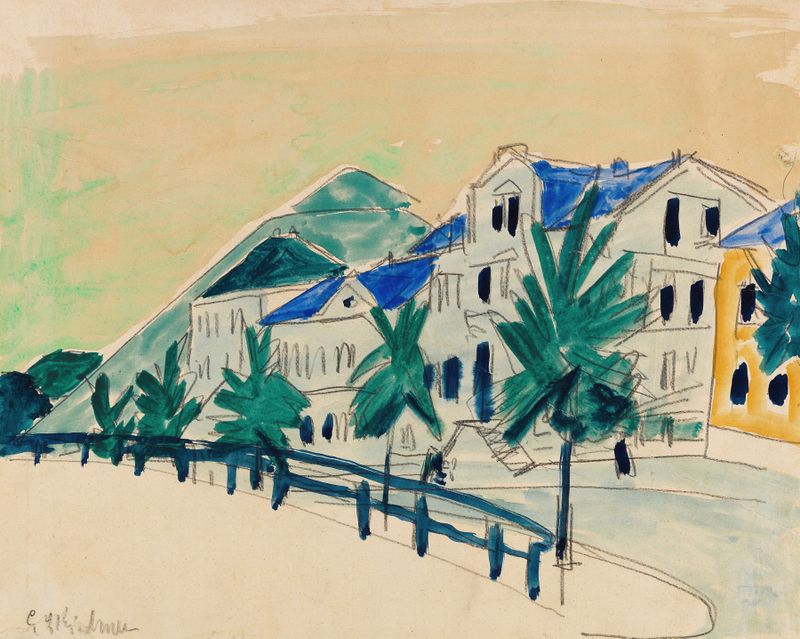
Häuser mit Allee
Ernst Ludwig Kirchner

Fehmarnlandschaft
Ernst Ludwig Kirchner

Sertigtal im Winter
Ernst Ludwig Kirchner
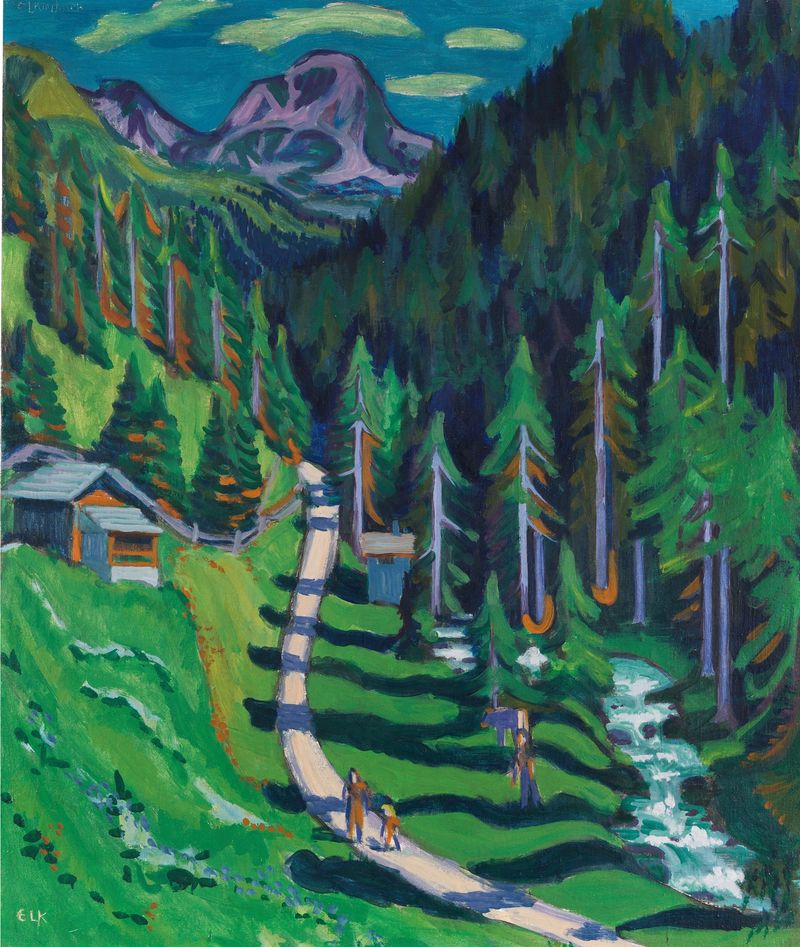
Sertigweg
Ernst Ludwig Kirchner
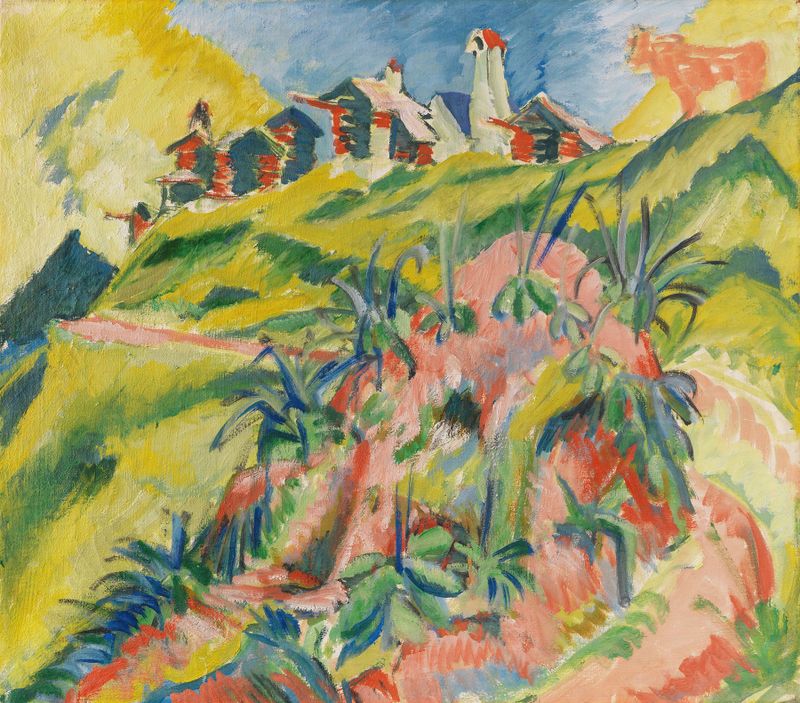
Bergdorf mit rosa Kuh
Ernst Ludwig Kirchner
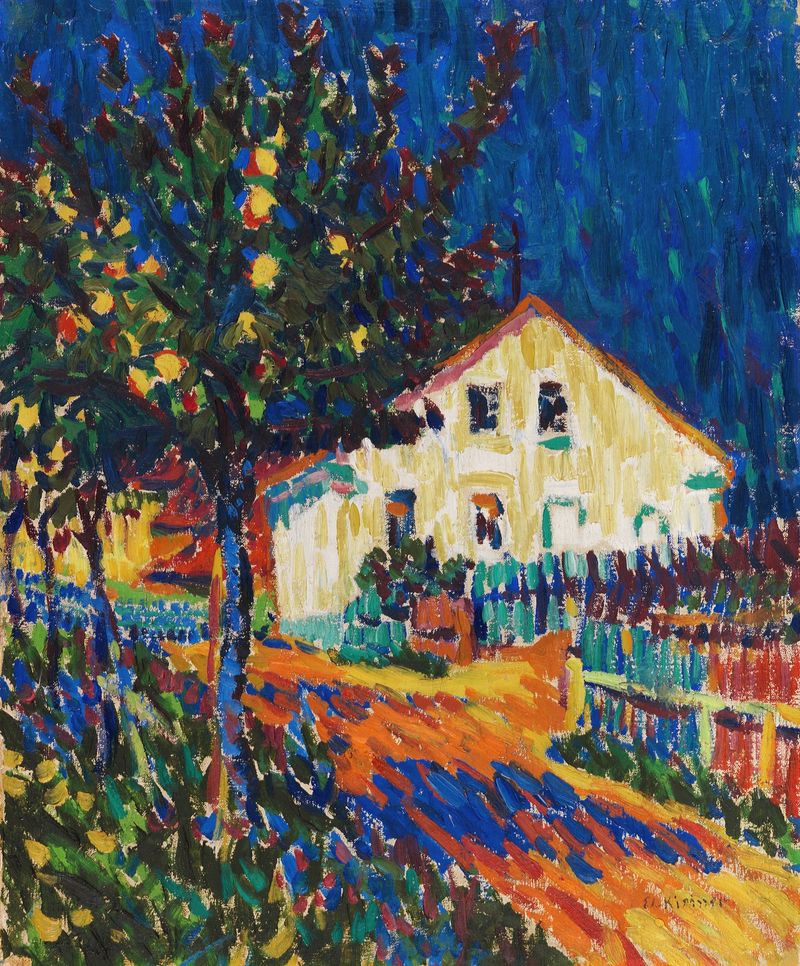
Dorfstraße mit Apfelbäumen
Ernst Ludwig Kirchner

Unter Bäumen am See
Ernst Ludwig Kirchner
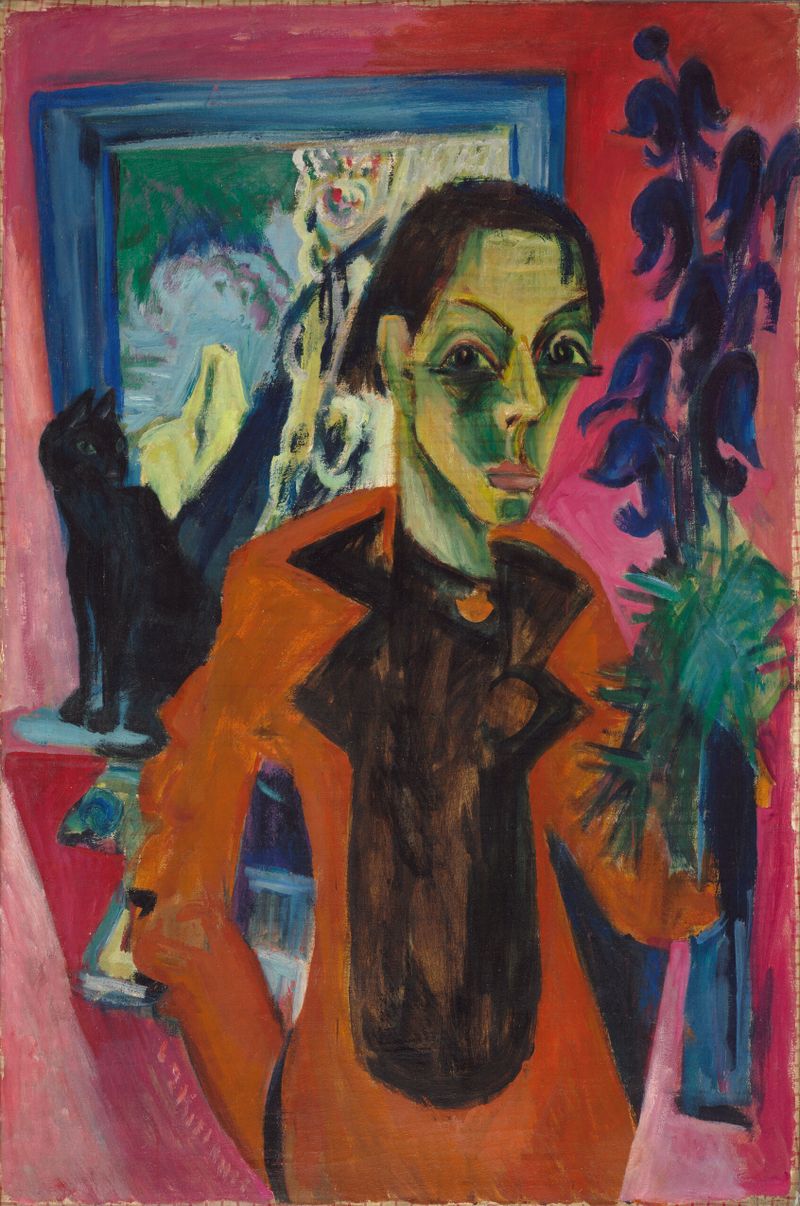
Self-Portrait with Cat
Ernst Ludwig Kirchner

Fehmarnküste mit Leuchtturm
Ernst Ludwig Kirchner

Sertigweg im Sommer
Ernst Ludwig Kirchner





