
Waldwiese, links einige Hirten — History & Facts
In the stillness of Waldwiese, links einige Hirten, the viewer is drawn into a world where emptiness breathes as much life as the pastoral scene in front of them. The artwork invites contemplation on the duality of nature’s beauty and the solitude it often brings. Look to the center of the canvas, where two shepherds stand conversation with their sheep under a sprawling tree. The delicate interplay of greens and browns evokes a sense of tranquility, while the warm light dapples the ground, creating a luminous path that leads the eye into the distance.
Each brushstroke captures the texture of the foliage and the softness of the sheep's wool, drawing us deeper into this serene yet haunting landscape. As you explore the edges, notice how the shadows close in, contrasting with the golden light that bathes the central figures. This juxtaposition serves as a reminder of life's transience; the serene moment shared by the shepherds is tinged with an underlying sense of isolation. The vastness of the empty space around them amplifies their solitude, suggesting that beauty often carries the weight of loneliness beneath its surface. Roghman created this piece likely in the mid-17th century during a period of Dutch art that celebrated landscapes and pastoral themes.
Emerging from the aftermath of a turbulent socio-political landscape, this era was marked by a profound exploration of both nature and human emotion. In creating Waldwiese, links einige Hirten, the artist positioned himself within this tradition, reflecting on the serene yet poignant relationship between humanity and the natural world.
More Artworks by Roelant Roghman
Browse all →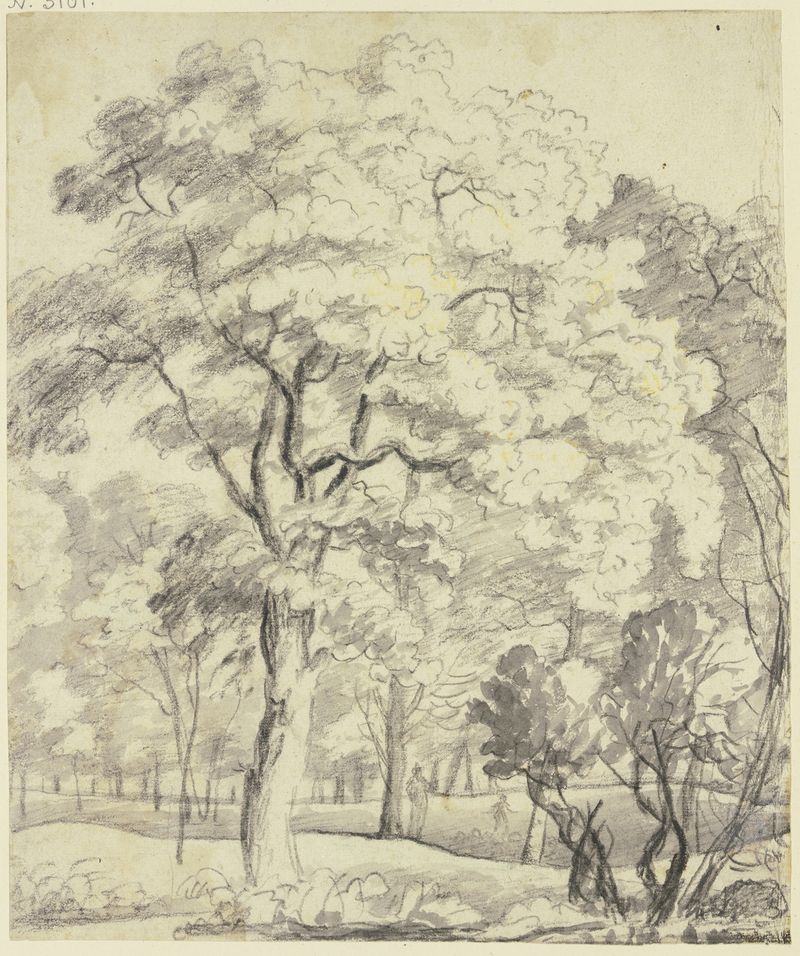
Waldpartie mit zwei Figuren
Roelant Roghman
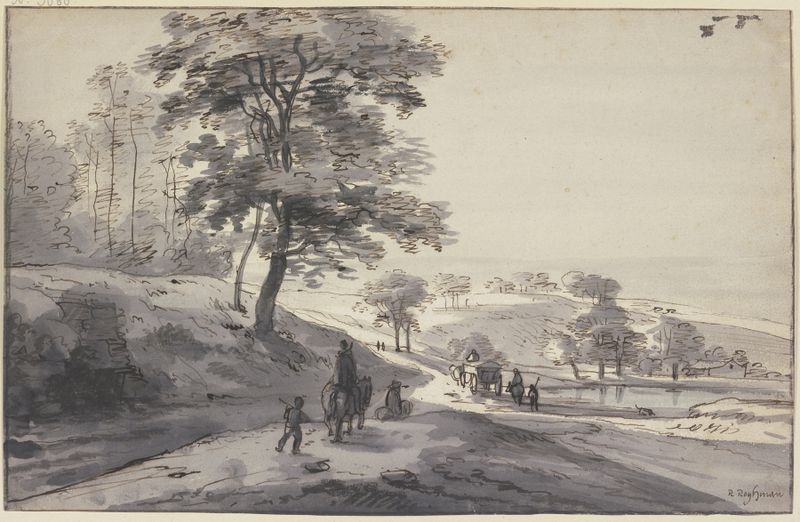
An einem Wasser vorbei über einen Hügel zieht sich ein mit einem Wagen, Reitern und Fußgängern belebter Weg
Roelant Roghman
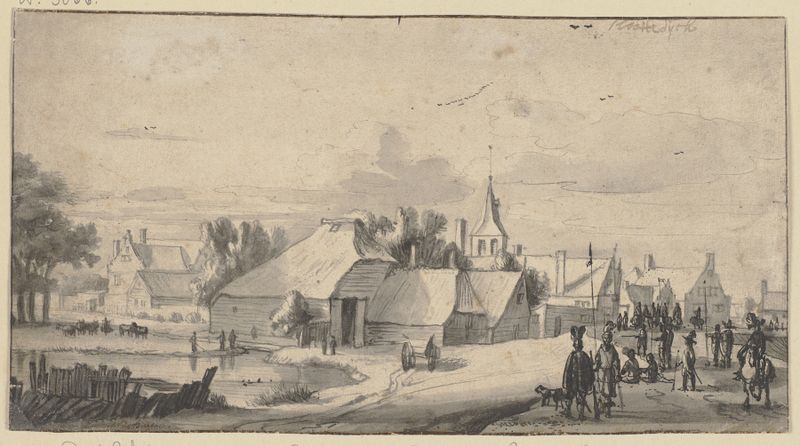
Das Dorf Sloterdyk zur Zeit des Durchzuges der Truppen des Prinzen Wilhelm II von Oranien im Jahre 1650
Roelant Roghman

Landschap met een reiswagen voor een boerderij
Roelant Roghman

The Ruin of Huis ‘t Sant at Katwijk aan Zee
Roelant Roghman
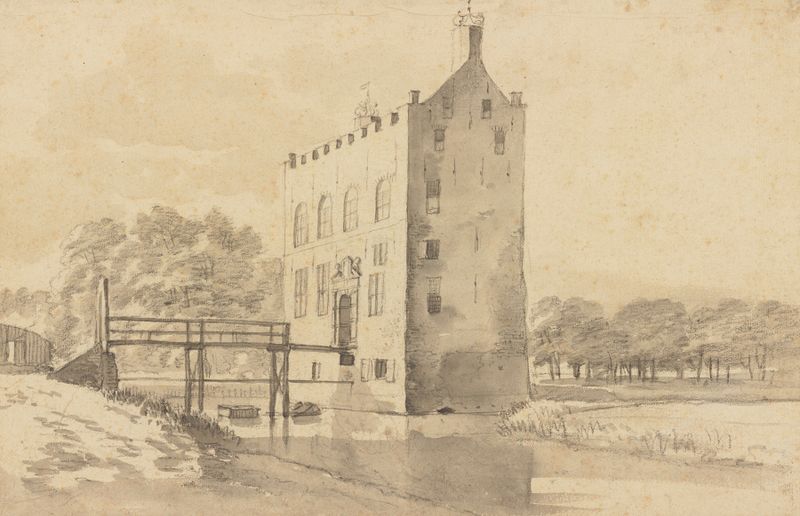
The Castle Giessenburg, near Gorinchem
Roelant Roghman
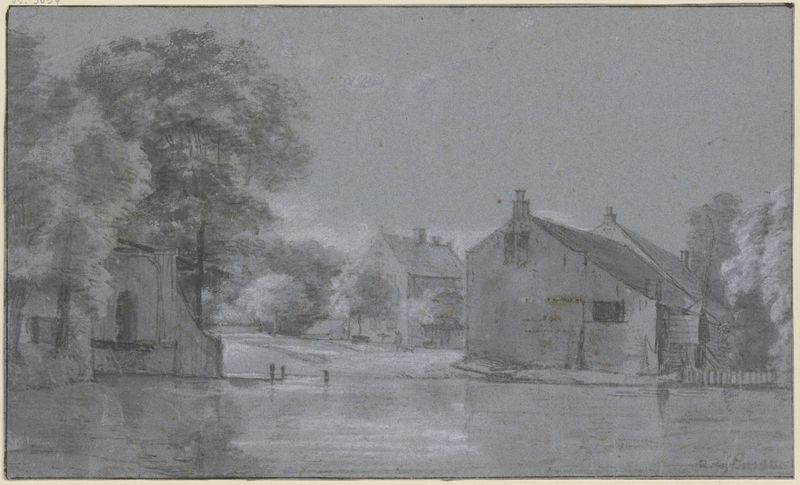
Ein Dorf mit Baumgruppen an einem Fluss
Roelant Roghman
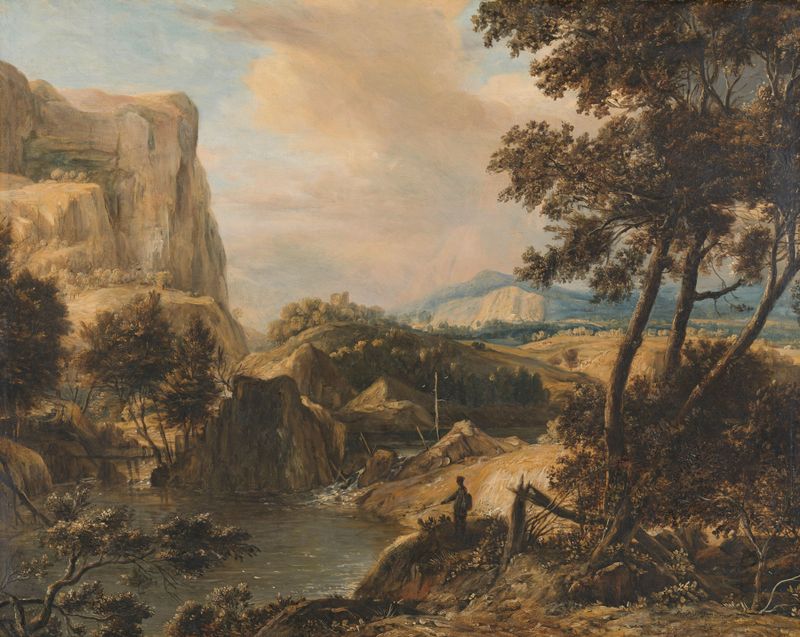
Mountainous landscape with fisherman
Roelant Roghman

Waldlandschaft mit Wasserfall
Roelant Roghman
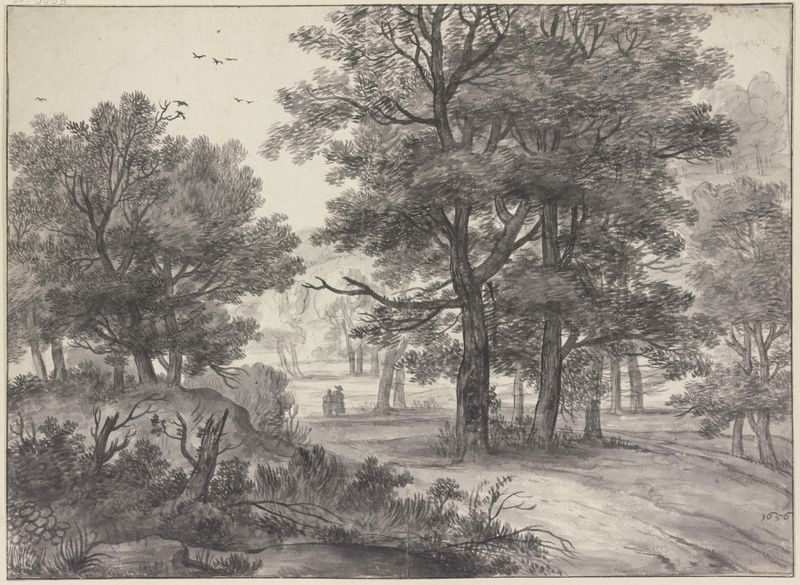
Waldpartie, auf dem Weg zwei Figuren, links oben mehrere Raben
Roelant Roghman





