
Walk at Dusk — History & Facts
A single crescent moon, ringed with a faint halo, draws the eye into the hush of Walk at Dusk, where the last light of day seems to pause and hold its breath. The figure in the foreground stands bowed before a cluster of ancient stones, his presence both solitary and purposeful. The bare trees, their branches like veins against the twilight sky, lean inward as if listening to the quiet ritual unfolding below.
The painter’s choice of muted purples and browns, the careful separation of earth and sky, and the gentle glow around the moon all conspire to create a sense of waiting, of reflection at the edge of night. The stones—perhaps a burial mound—anchor the scene in memory and time, while the figure’s gesture suggests a moment of private reckoning. Walk at Dusk belongs to the world of early nineteenth-century Romanticism, a movement that prized the landscape not just as scenery, but as a stage for the soul’s encounters with nature, history, and mortality. In 1837, when this work was created, artists like Caspar David Friedrich were known for infusing their landscapes with quiet drama and personal symbolism, often inviting viewers to read themselves into the scene.
Such paintings were rarely mere records of place; they were invitations to contemplation, sometimes commissioned by private collectors who sought more than decoration. Today, the painting’s presence in the Getty Center’s collection, as documented, reminds us how these silent, searching images continue to draw us back—again and again—to the threshold between day and night.
More Artworks by Caspar David Friedrich
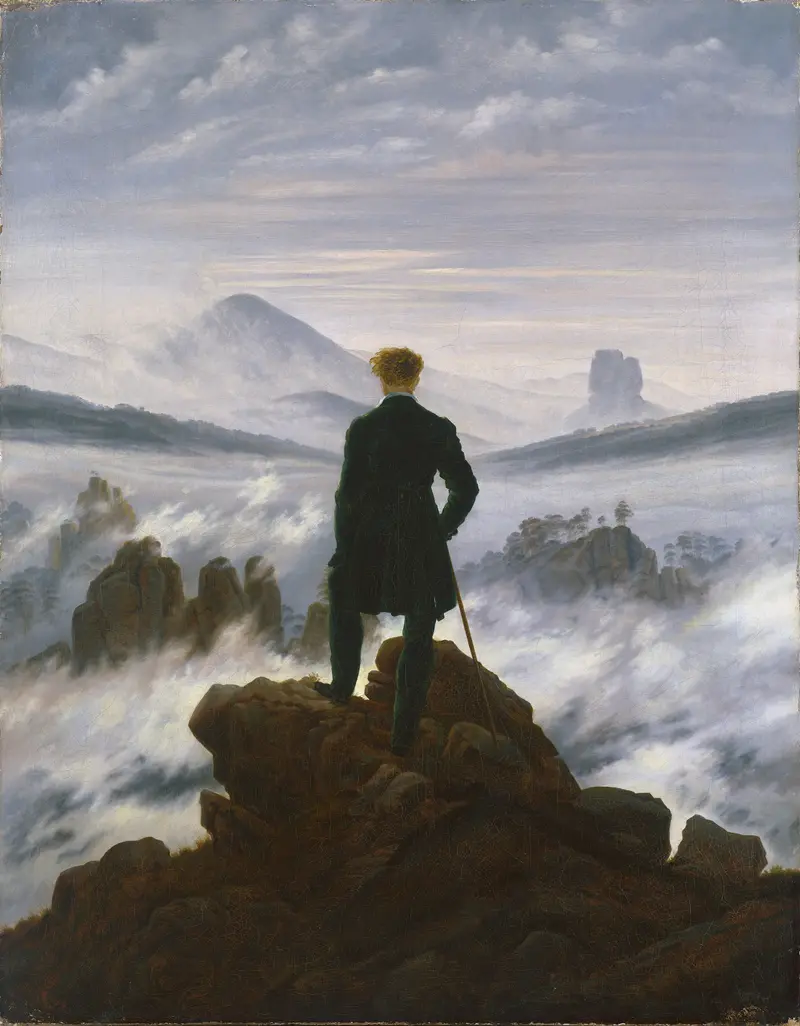
Wanderer above the Sea of Fog
Caspar David Friedrich

The Sea of Ice
Caspar David Friedrich
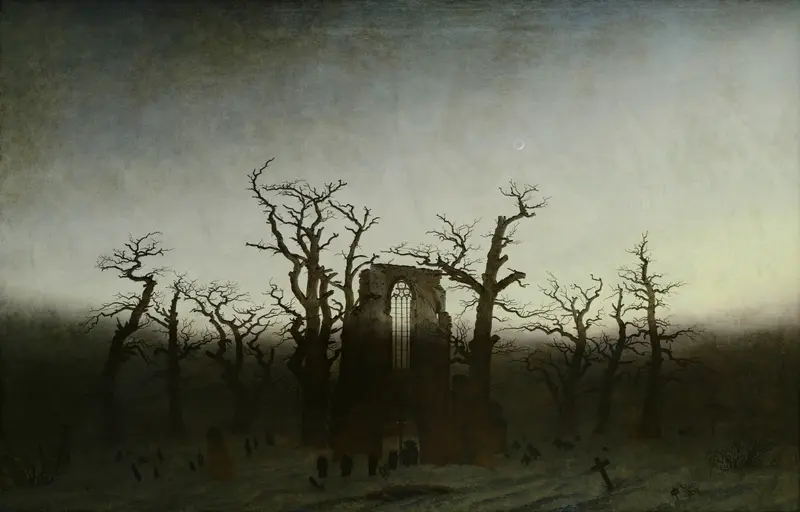
The Abbey in the Oakwood
Caspar David Friedrich
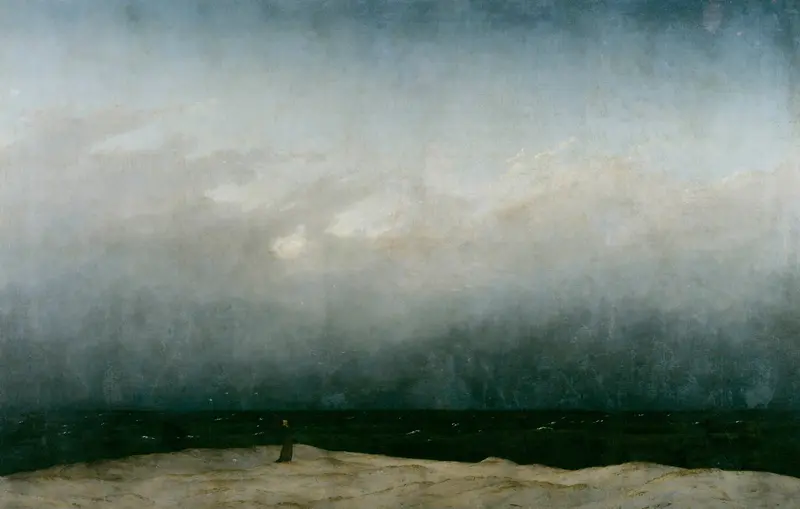
The Monk by the Sea
Caspar David Friedrich
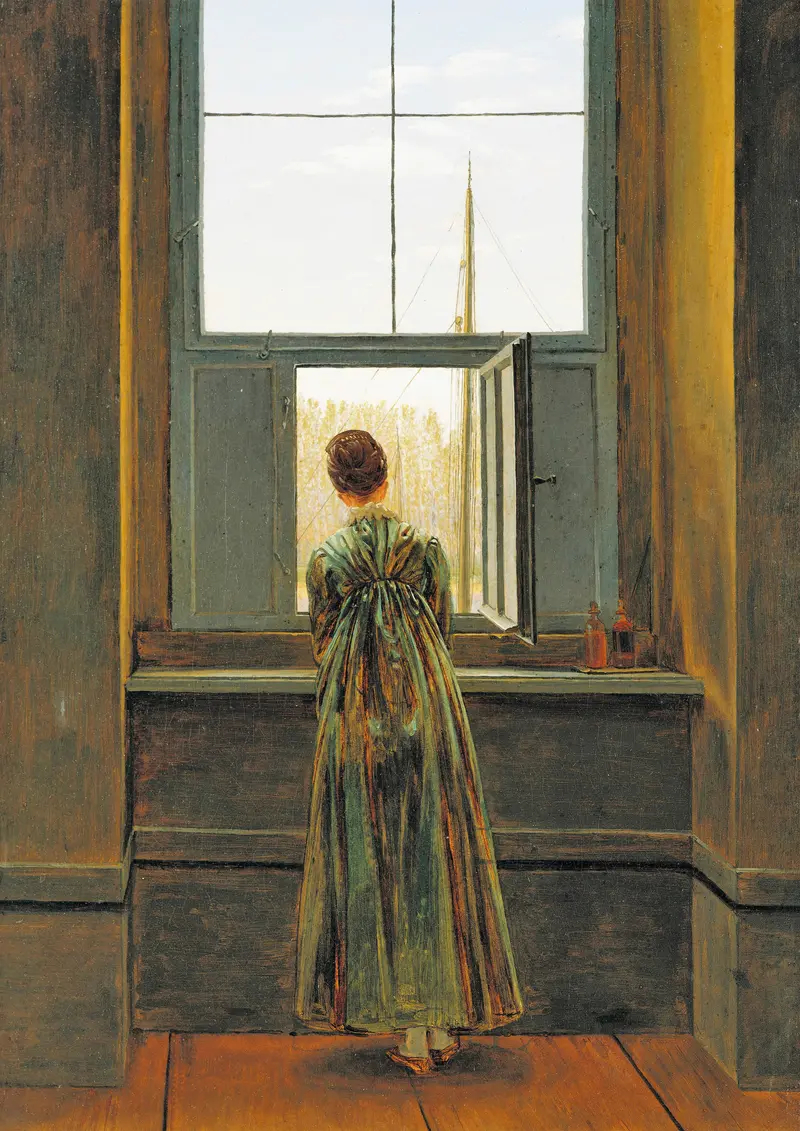
Woman at a Window
Caspar David Friedrich
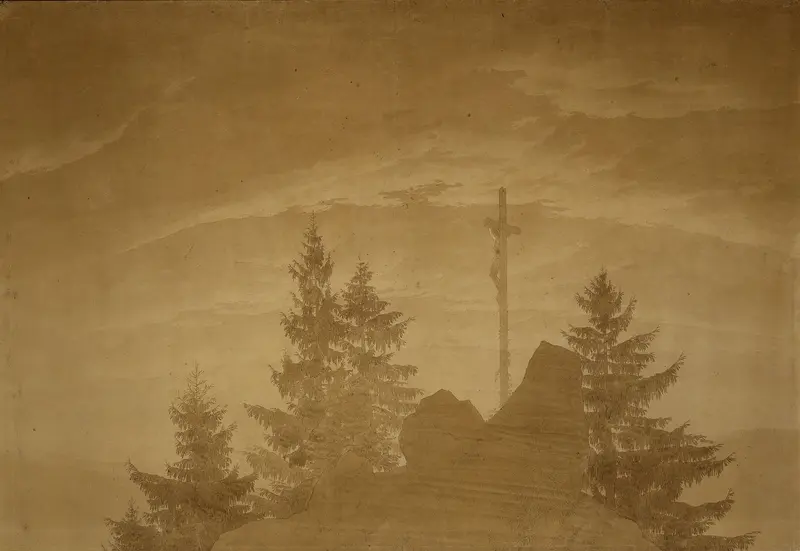
Cross in the Mountains
Caspar David Friedrich
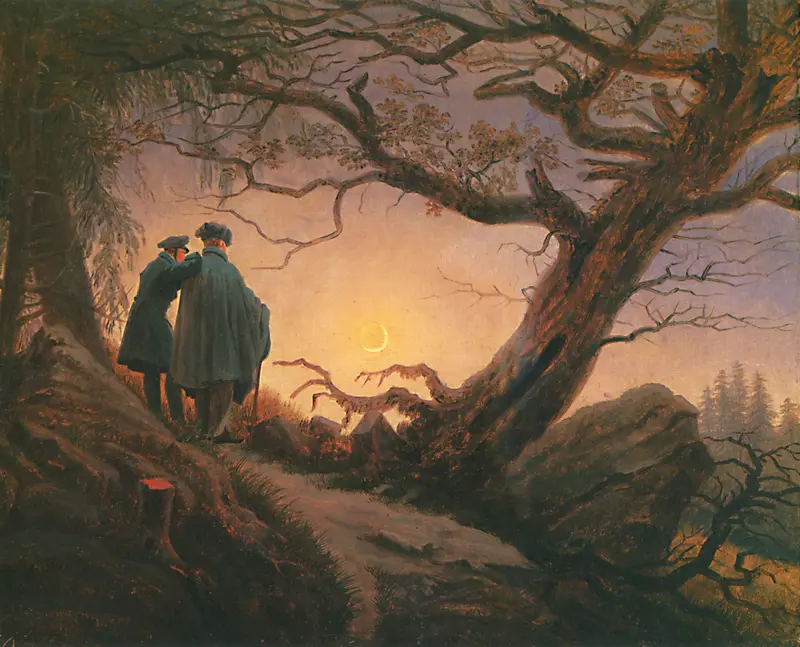
Two Men Contemplating the Moon
Caspar David Friedrich
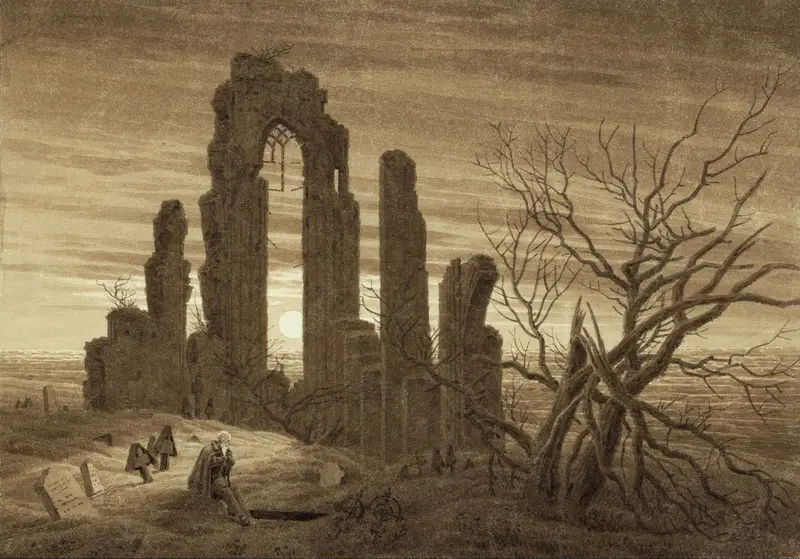
Winter – Night – Old Age and Death (from the times of day and ages of man cycle of 1803)
Caspar David Friedrich
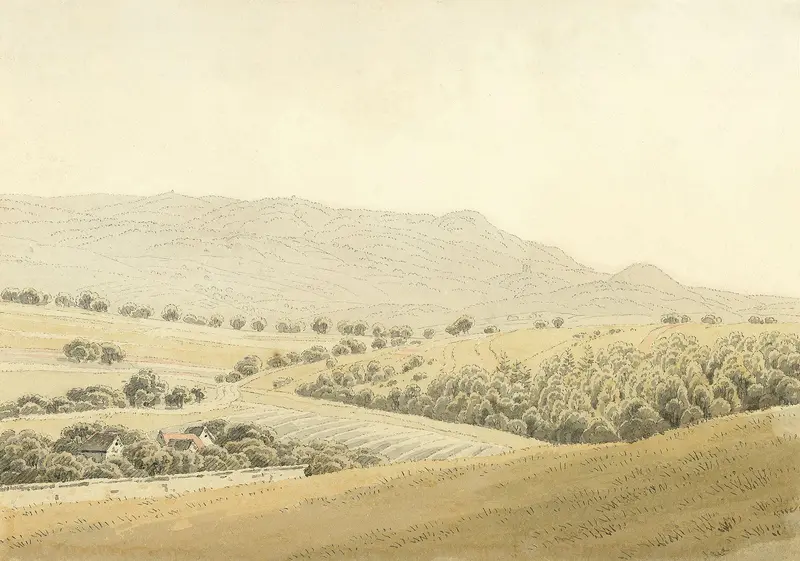
Mittelgebirgslandschaft
Caspar David Friedrich

Landschaft mit gebirgsee, morgen
Caspar David Friedrich
More Landscape Art

The Starry Night
Vincent van Gogh

View of Delft
Johannes Vermeer

Water Lilies
Claude Monet

The Grand Canal, Venice, looking north-west from the Ca' Corner to the Ca' Contarini degli Scrigni, with the campanile of Santa Maria della Carità
Canaletto

Windsor Castle
Canaletto

The Grand Canal looking North-East from the Palazzo Dolfin-Manin to the Rialto Bridge
Canaletto