
Wanderer und Golgothakapelle — History & Facts
Can beauty exist without sorrow? In Wanderer und Golgothakapelle, the haunting interplay between faith and desolation invites us to ponder the depths of the human experience. Look to the center of the canvas, where a solitary figure stands amidst a vast, rocky landscape. The wanderer, cloaked in muted tones, gazes toward a distant chapel perched atop a craggy hill, its gleaming white façade striking against the turbulent sky. The artist employs dramatic contrasts of light and shadow, drawing our eyes to the figure's contemplative stance as the surrounding darkness hints at both uncertainty and hope. As you explore the details, notice the small, almost imperceptible cracks in the ground beneath the wanderer’s feet, symbolizing fragility and the weight of existence.
The chapel, while bathed in ethereal light, looms over the traveler, representing faith as both a guiding beacon and a distant ideal. This duality captures the tension between longing and despair, suggesting that the pursuit of beauty often intertwines with sorrow. Josef Höger painted this piece during a time when the world was grappling with the aftermath of conflict and change. The uncertainties of the early 20th century influenced his exploration of faith and existential themes, as he navigated a landscape marked by both darkness and the glimmers of hope.
This artwork reflects not just his artistic vision, but the collective consciousness of an era yearning for solace amidst turmoil.
More Artworks by Josef Höger
Browse all →
The Lauterbrunnen valley with Jungfrau
Josef Höger

A view of Bad Aussee
Josef Höger

Ländliche Idylle
Josef Höger
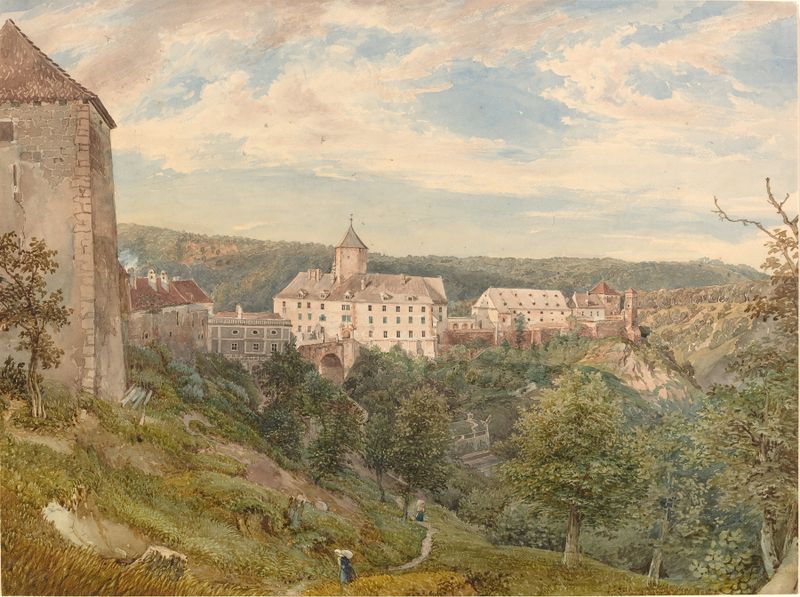
Eichhorn Castle at Evening
Josef Höger

Blick auf Gmunden
Josef Höger
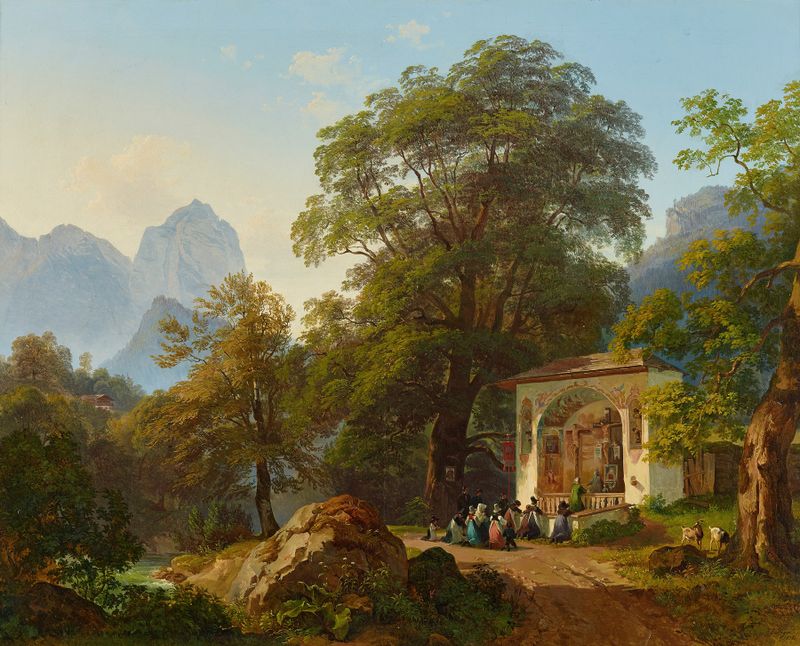
Waldkapelle
Josef Höger

Venice
Josef Höger

Waldinneres bei Lundenburg
Josef Höger

Landscape with Thatched Farmhouses and decorative figures
Josef Höger
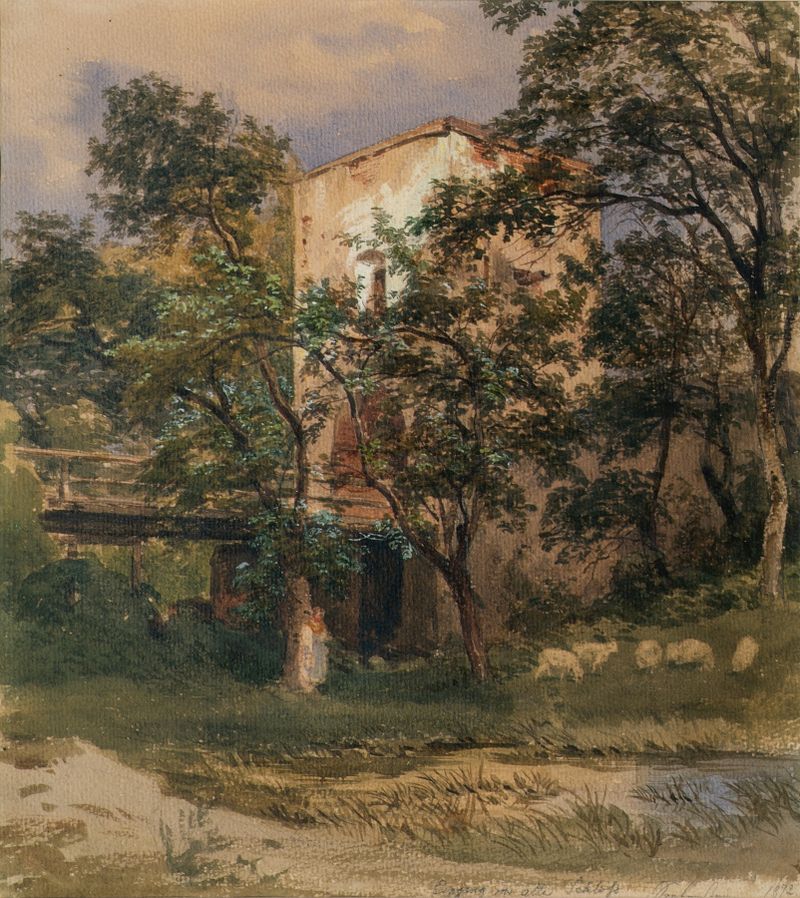
Eingang zum Schloss Seebenstein
Josef Höger





