Wapenschild met haan — History & Analysis
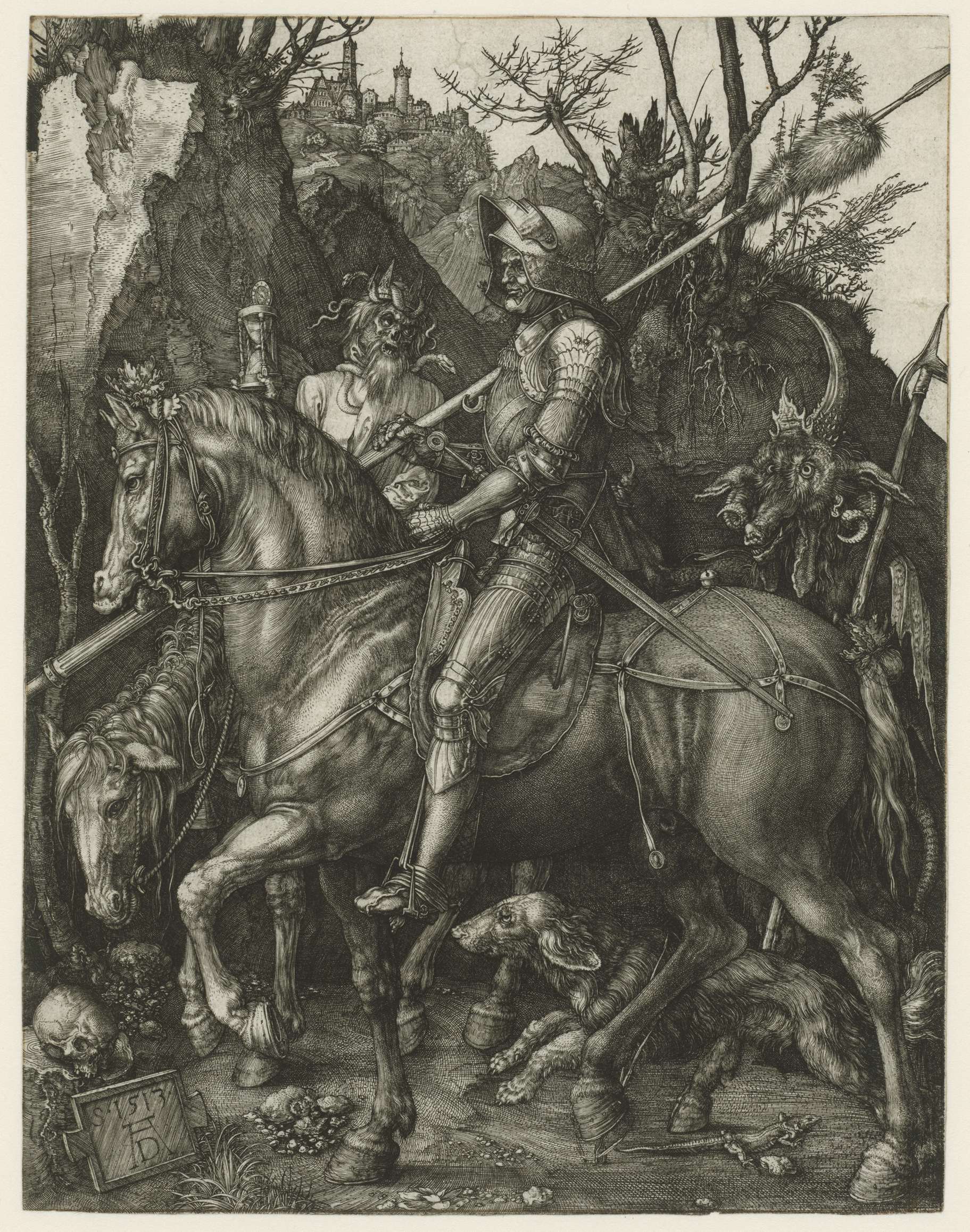
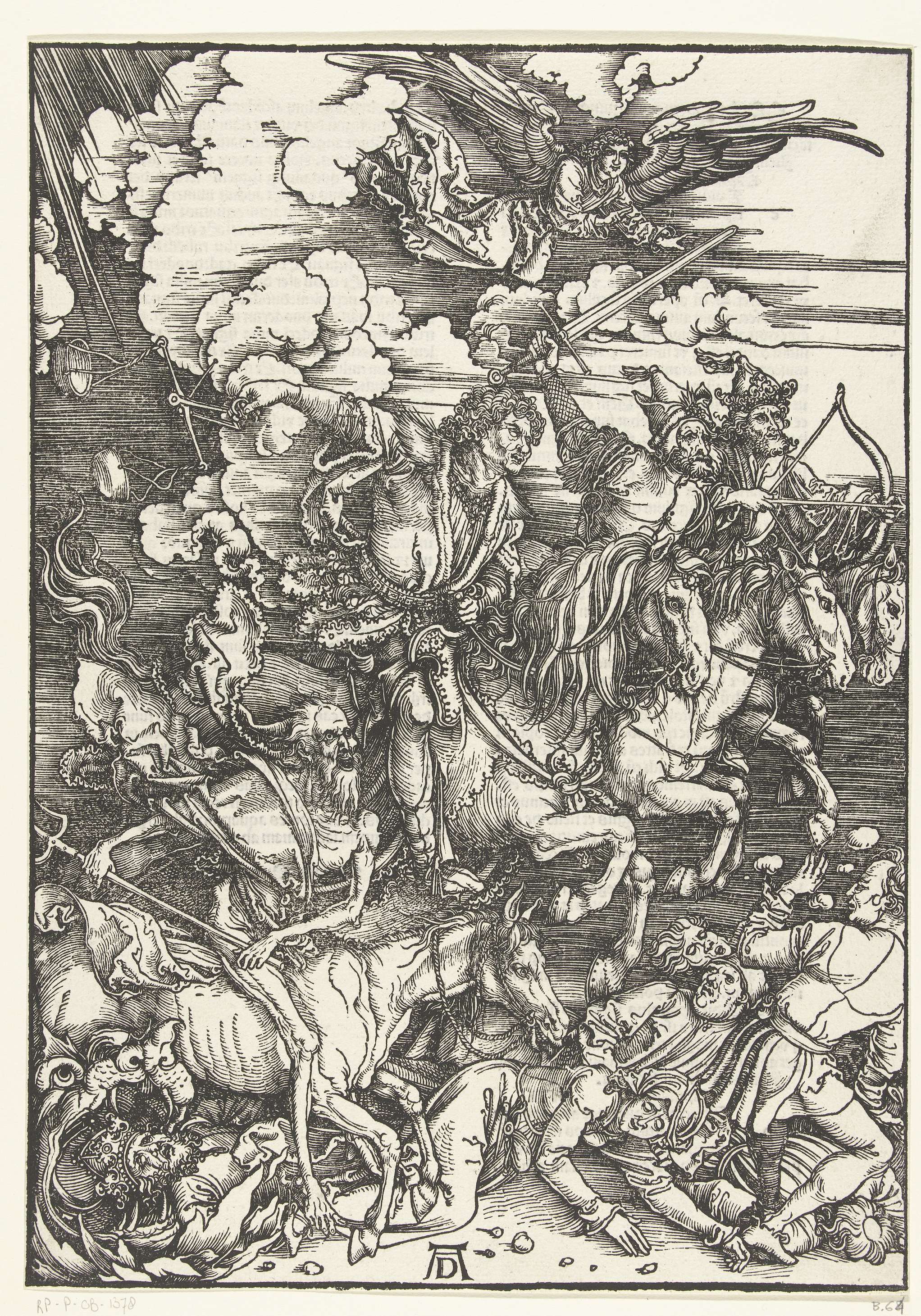
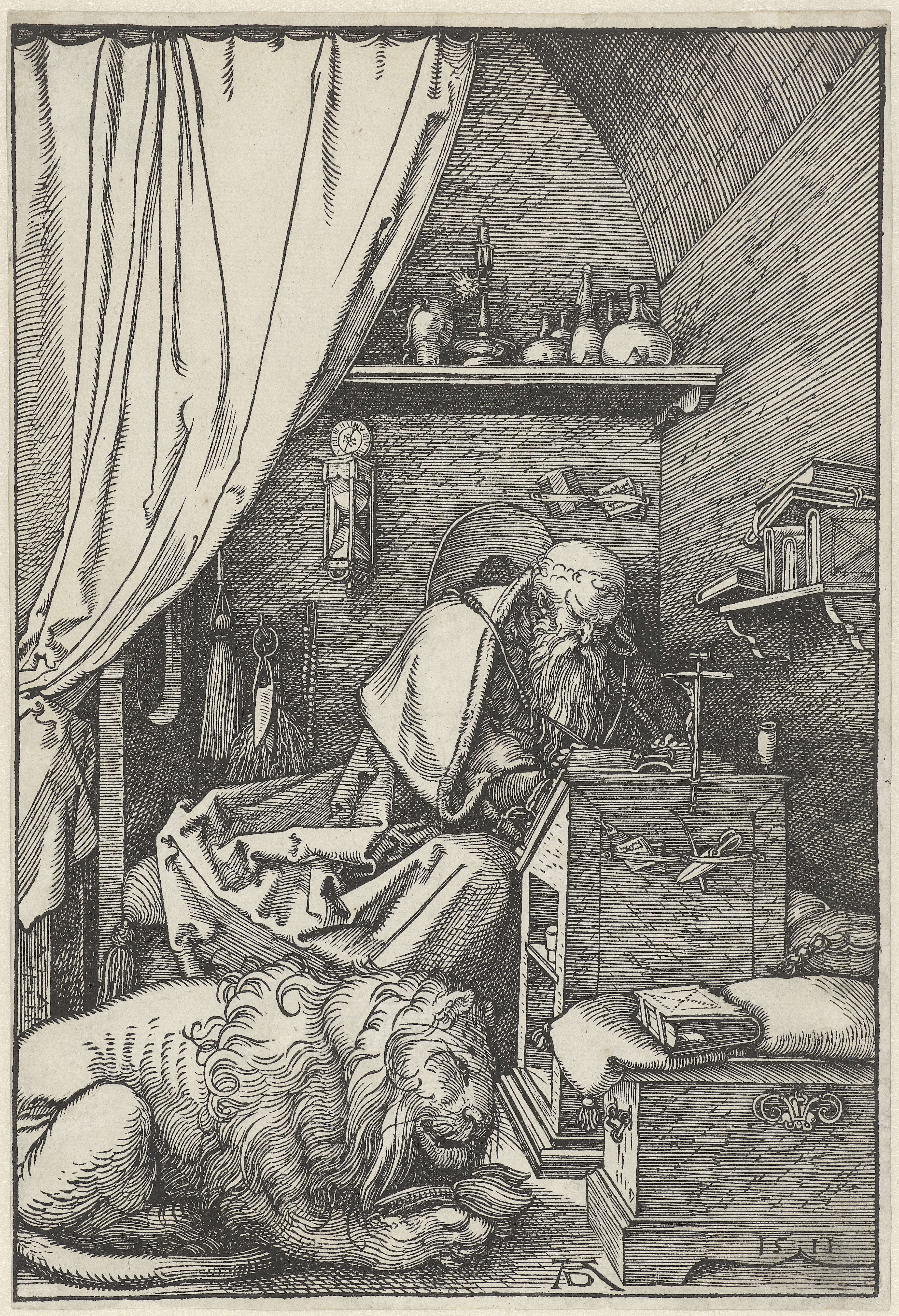
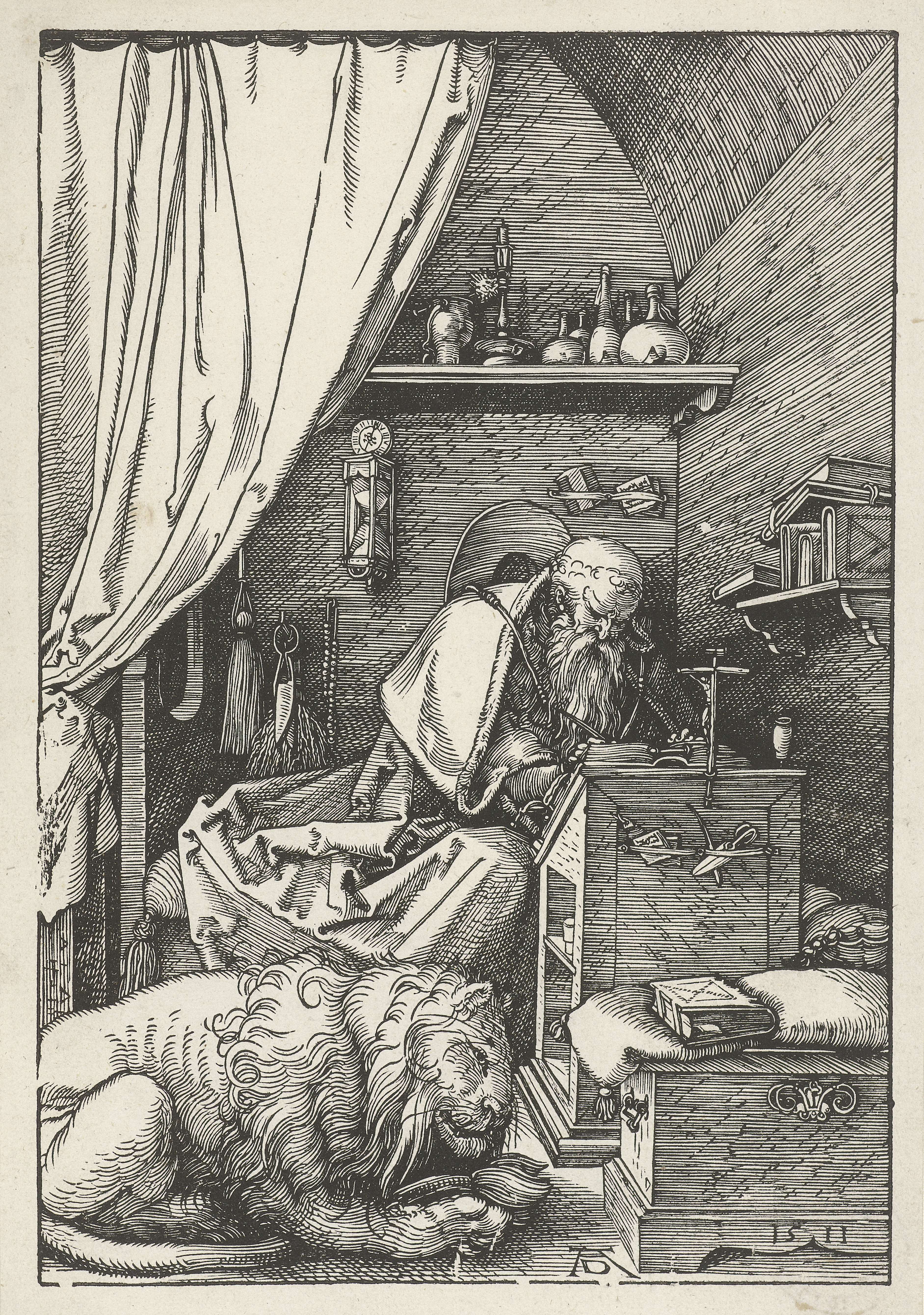
Could a single brushstroke hold eternity? In Albrecht Dürer's Wapenschild met haan, the interplay of shadow and detail captures the viewer's gaze, revealing layers of meaning beyond its surface. Look to the center of the painting at the striking emblem—a proud rooster, meticulously rendered in vibrant hues. The jewel-like colors burst against the dark, almost oppressive background, where shadows seem to cradle the edges of the composition.
Notice how the light delicately carves the rooster's feathers, illuminating the proud creature while casting a deep, rich tone around it, emphasizing its prominence while invoking a sense of solemnity. Within this work lies a profound contrast between strength and vulnerability. The rooster, a symbol of courage, stands firm against the surrounding darkness, suggesting the struggle between light and shadow, hope and despair. The intricate details of the emblem—an insignia of power—also hint at the transient nature of glory, as shadows lurk, threatening to consume the vibrancy of life.
This duality invites the viewer to reflect on the fragility of human endeavors, captured in a moment that speaks of both triumph and inevitable decay. Dürer painted this piece between 1500 and 1505, during a time of great transformation in both his life and the wider world of art. Living in Nuremberg, he was immersed in the vibrant Renaissance atmosphere, where the revival of classical themes and meticulous craftsmanship flourished. This period saw him establishing his reputation as a master printmaker and painter, reflecting the tensions of innovation and tradition that defined the era.