
Wapenschild met oude twijnende vrouw — History & Facts
What secret hides in the quiet of the canvas? The image before you is not merely an artifact; it is a whisper of hidden narratives and silent exchanges. Begin by focusing on the woman at the center, her expression poised and contemplative. Notice the way the intricate details of her garment contrast with the smoothness of her skin, creating a vivid interplay of textures. The soft light illuminates her face, accentuating the warmth of her features while casting delicate shadows that hint at her inner turmoil.
The background, a subtle murmur of color, allows her figure to emerge as the focal point, capturing the viewer's gaze and imagination. Beneath the surface of the painting lies a tapestry of emotions and symbolism. The twining motif in the artwork suggests themes of connection and continuity, perhaps hinting at the bonds between generations or the intertwining of fate and choice. The woman's posture is both regal and vulnerable, revealing a layered narrative of strength amidst fragility.
Each fold of her dress echoes the complexities of her existence, inviting contemplation of her story, lost to time yet palpable in this moment. During the years 1488 to 1492, the artist worked in the vibrant milieu of the Northern Renaissance, a time marked by burgeoning humanist ideals and intricate attention to detail in art. Creating this piece in Amsterdam, the painter engaged with a society rapidly evolving in thought and expression. It was a period of exploration and innovation, where traditional themes began to intertwine with the individuality and depth found in portraits, reflecting both personal and collective human experiences.
More Artworks by Meester van het Amsterdamse Kabinet
Browse all →
De Heilige Familie bij de rozenstruik
Meester van het Amsterdamse Kabinet

Hertenjacht
Meester van het Amsterdamse Kabinet
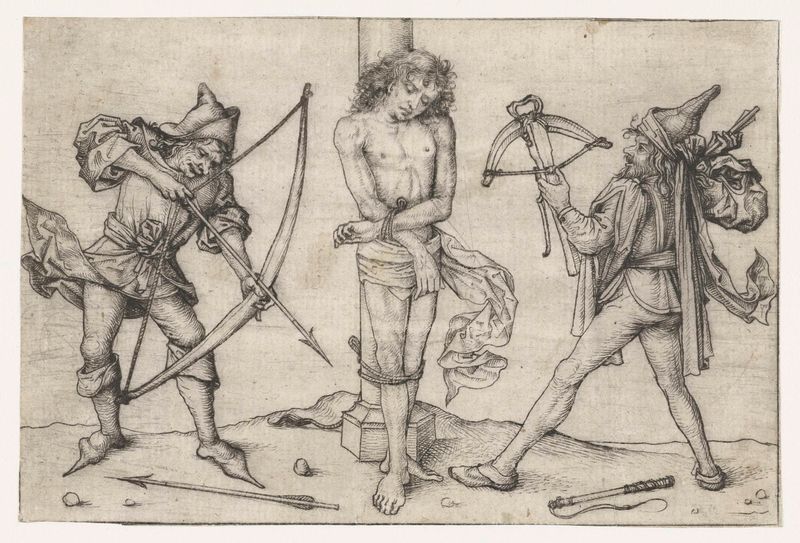
Heilige Sebastiaan met boogschutters
Meester van het Amsterdamse Kabinet

Het lichaam van Christus ondersteund door twee engelen
Meester van het Amsterdamse Kabinet

Heilige Anna-te-Drieën
Meester van het Amsterdamse Kabinet

Heilige Barbara (grote versie)
Meester van het Amsterdamse Kabinet
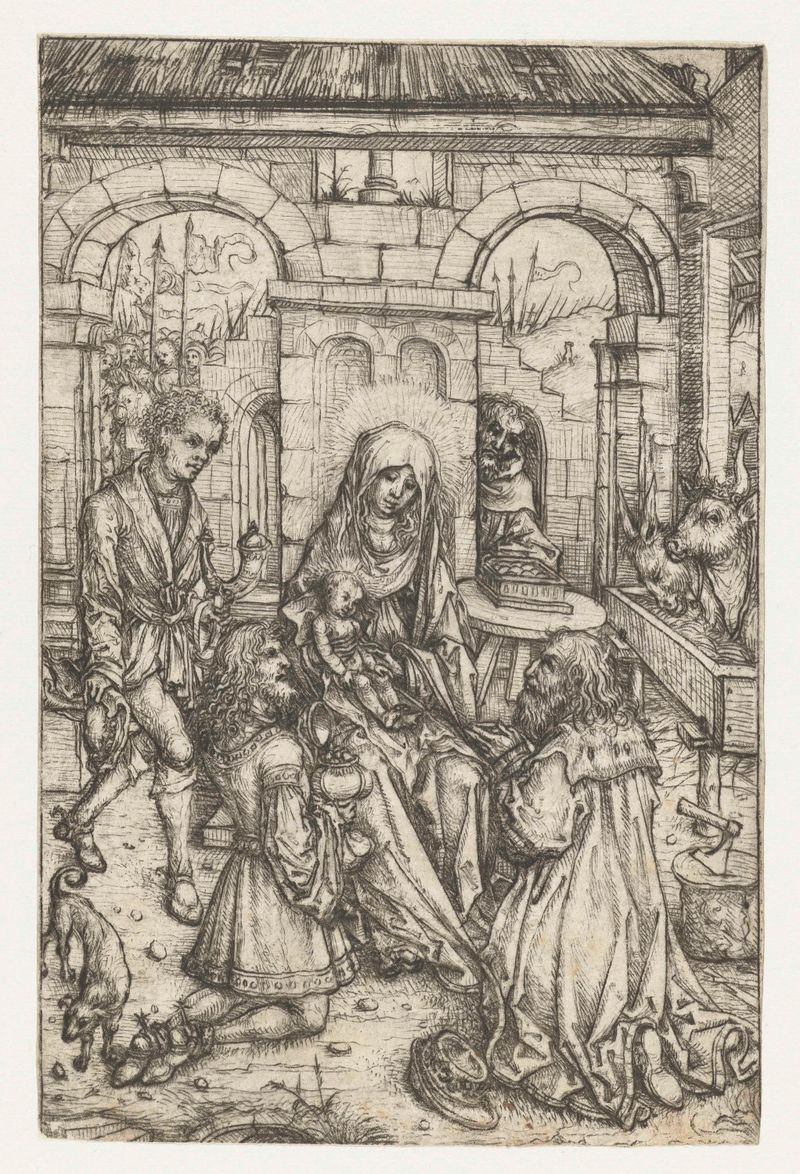
Aanbidding der koningen
Meester van het Amsterdamse Kabinet
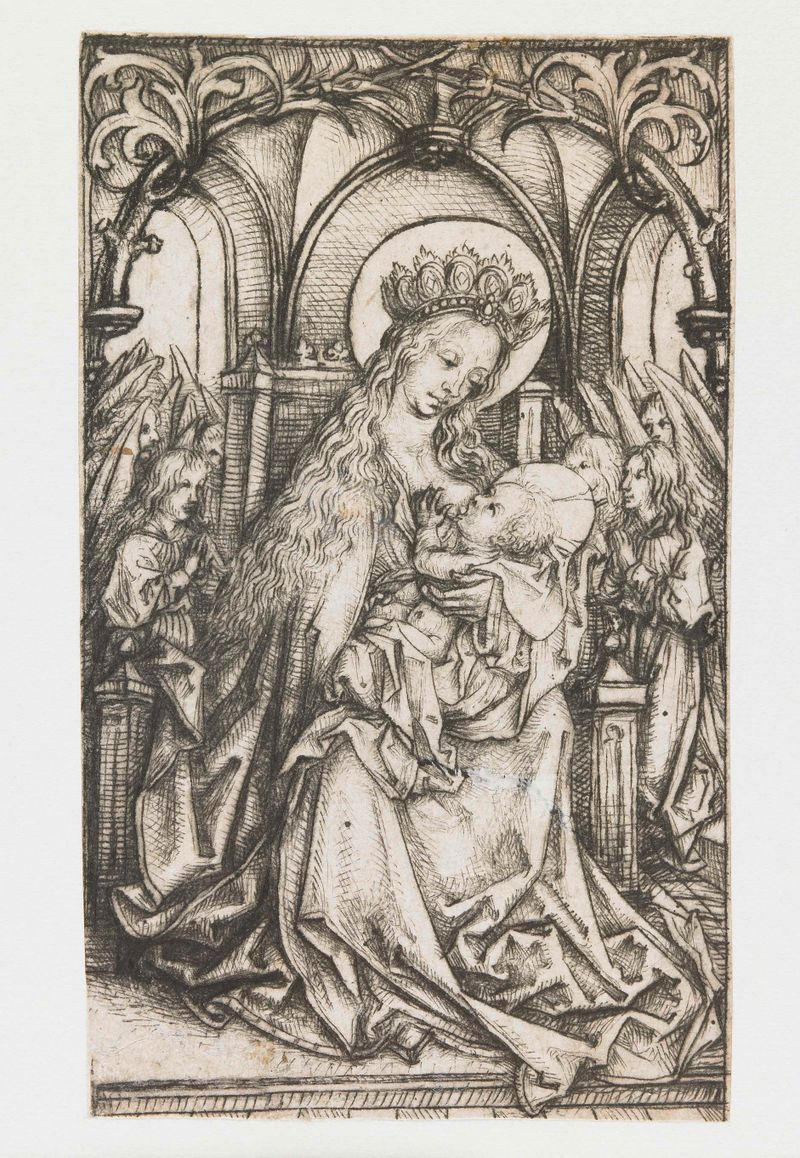
Tronende Madonna door engelen aanbeden
Meester van het Amsterdamse Kabinet

Het zegenend Christuskind
Meester van het Amsterdamse Kabinet
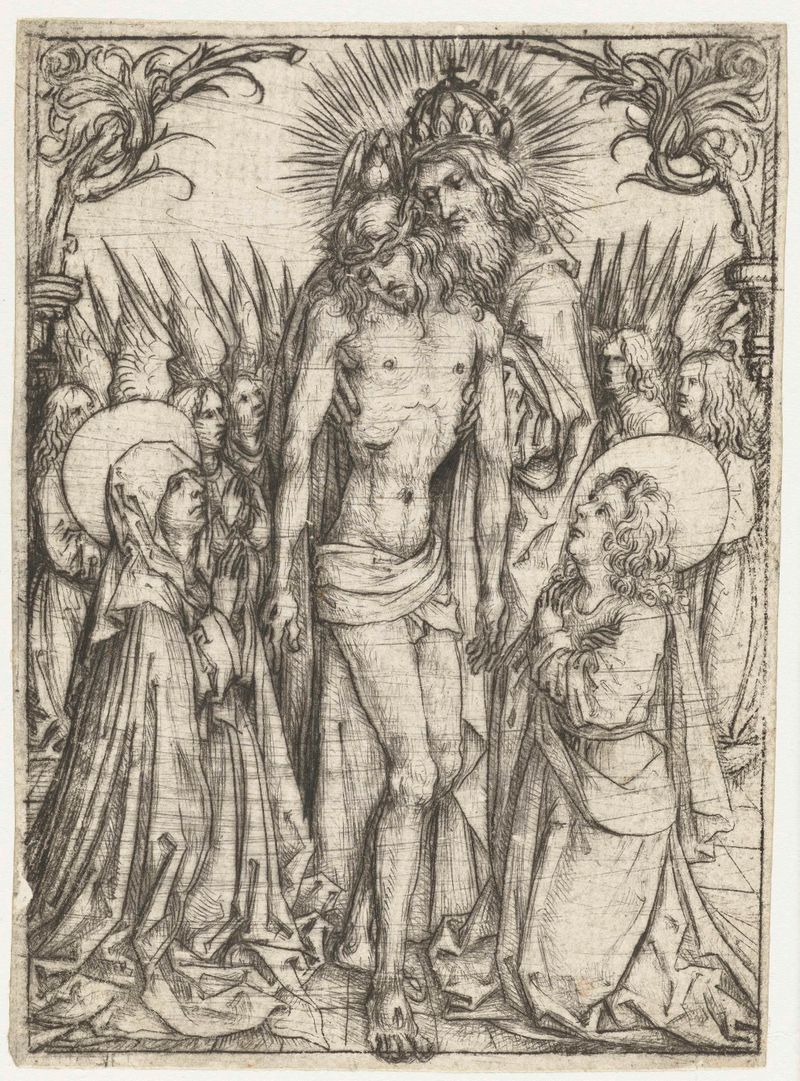
Aanbidding van de Heilige Drieëenheid door Maria, Johannes de Evangelist en engelen
Meester van het Amsterdamse Kabinet
More Portrait Art
Browse all →
Las meninas
Diego Velázquez

Self-portrait with a Bandaged Ear and Pipe
Unidentified artist

Girl with a Pearl Earring
Johannes Vermeer

The Sampling Officials of the Amsterdam Drapers’ Guild, Known as ‘The Syndics’
Rembrandt van Rijn

The Hundred Guilder Print: the man seen on the back in the lower left corner
Rembrandt van Rijn

Portrait of Dr Gachet
Vincent van Gogh