Discover insights about this artwork
Washerwoman and Child (La Blanchisseuse et son enfant) — History & Facts
In Washerwoman and Child (La Blanchisseuse et son enfant), we see a tender scene of a mother and her child. The mother is depicted in a simple dress, with soft colors that create a warm atmosphere. The child, nestled in her arms, adds a sense of intimacy and connection.
The background features a serene outdoor setting, enhancing the feeling of tranquility. Renoir employs loose brushwork and a bright color palette typical of Impressionism. The light plays across the figures, highlighting their forms and the textures of their clothing. The painting's composition draws the viewer's eye towards the mother and child, creating a focal point of warmth and affection.
The use of natural light adds to the overall softness of the scene. Pierre-Auguste Renoir was known for his ability to capture everyday life with a focus on beauty and emotion. This work, painted in the 1880s, reflects his interest in the themes of motherhood and family. Interestingly, Renoir often painted scenes of working-class life, celebrating their dignity and warmth.
Washerwoman and Child is a beautiful example of how he combined these themes with his signature Impressionist style.
More Artworks by Pierre-Auguste Renoir
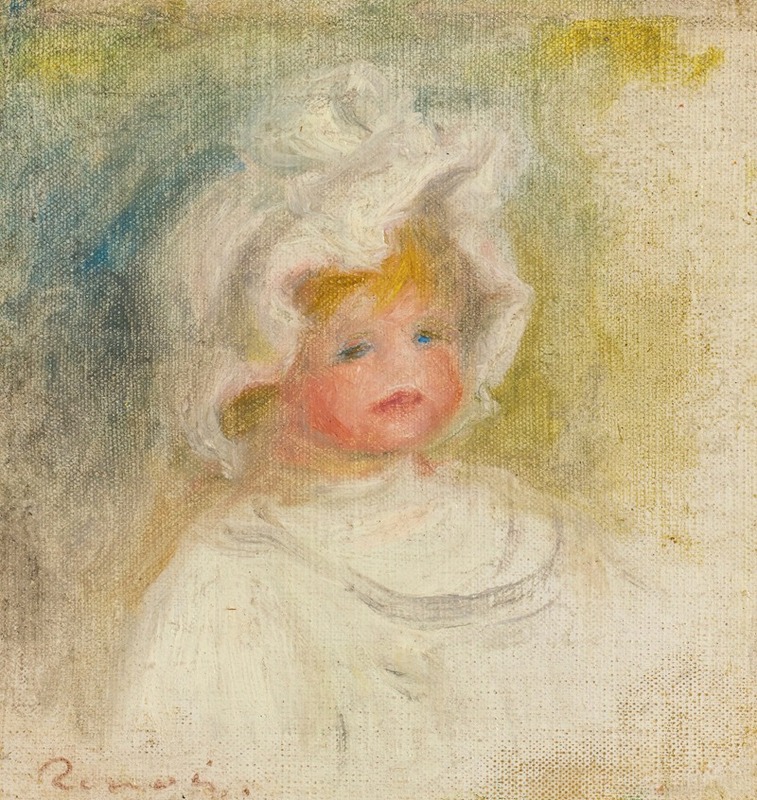
Portrait De Coco Renoir
Pierre-Auguste Renoir
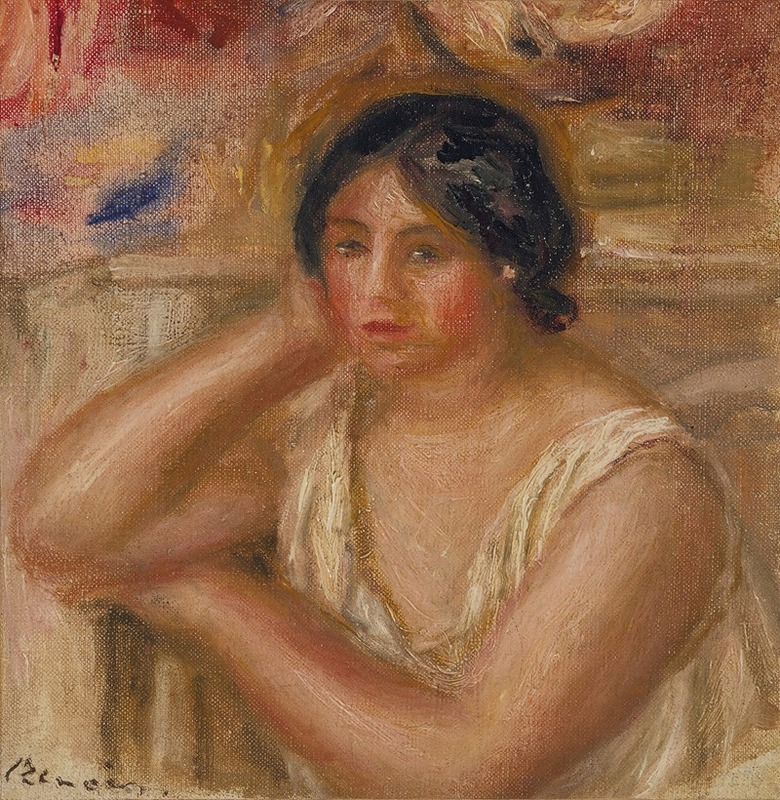
Portrait De Gabrielle
Pierre-Auguste Renoir
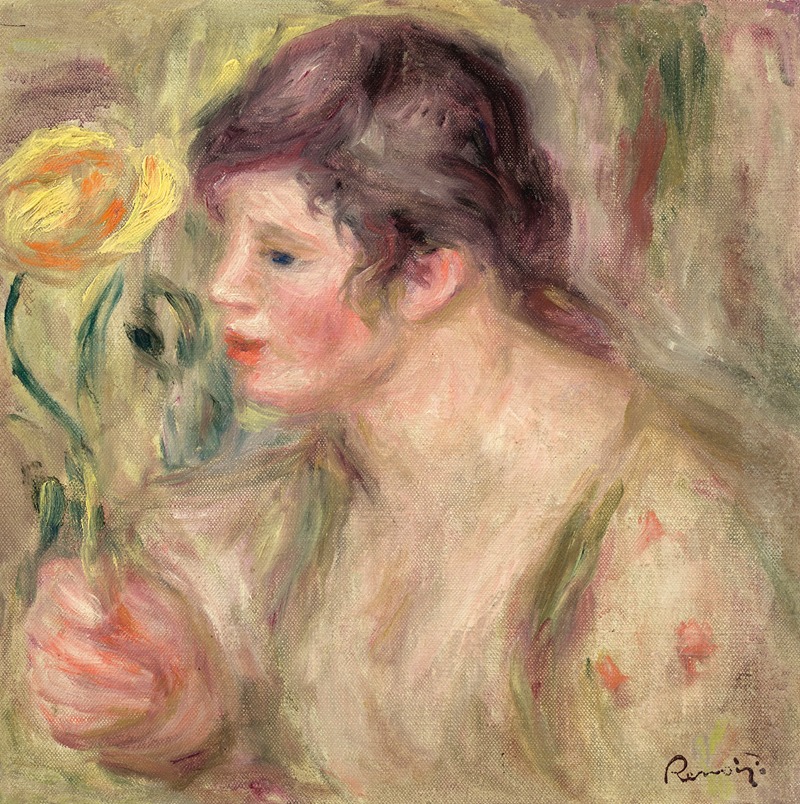
Femme à la rose
Pierre-Auguste Renoir
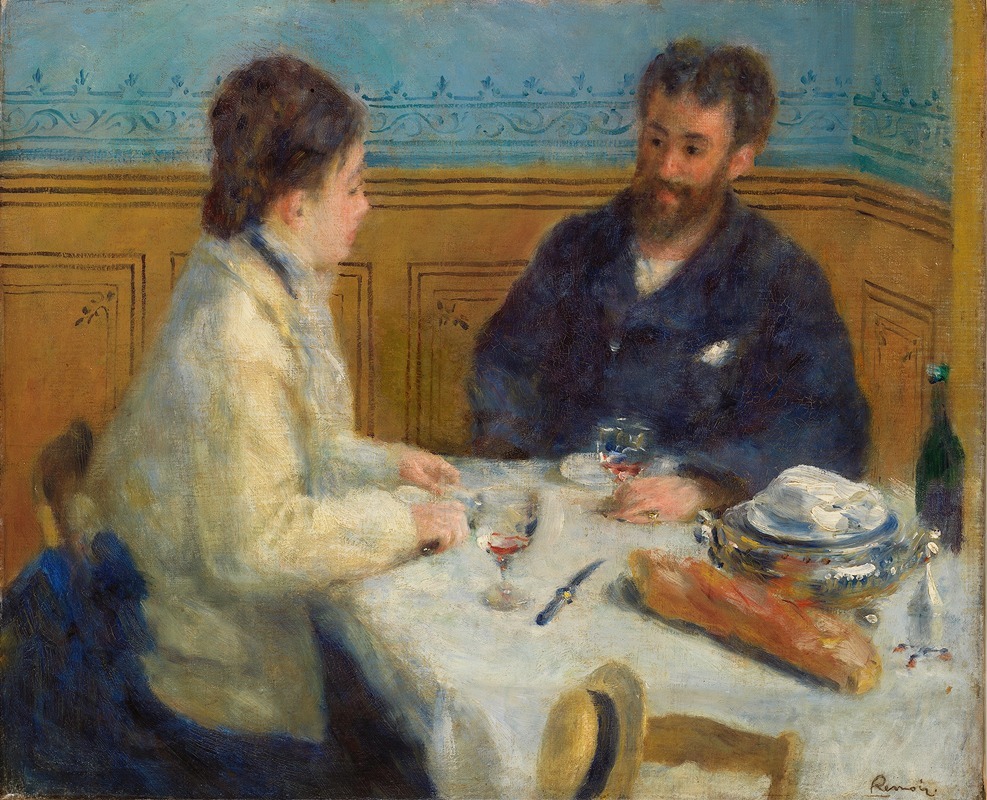
Luncheon (Le Déjeuner)
Pierre-Auguste Renoir
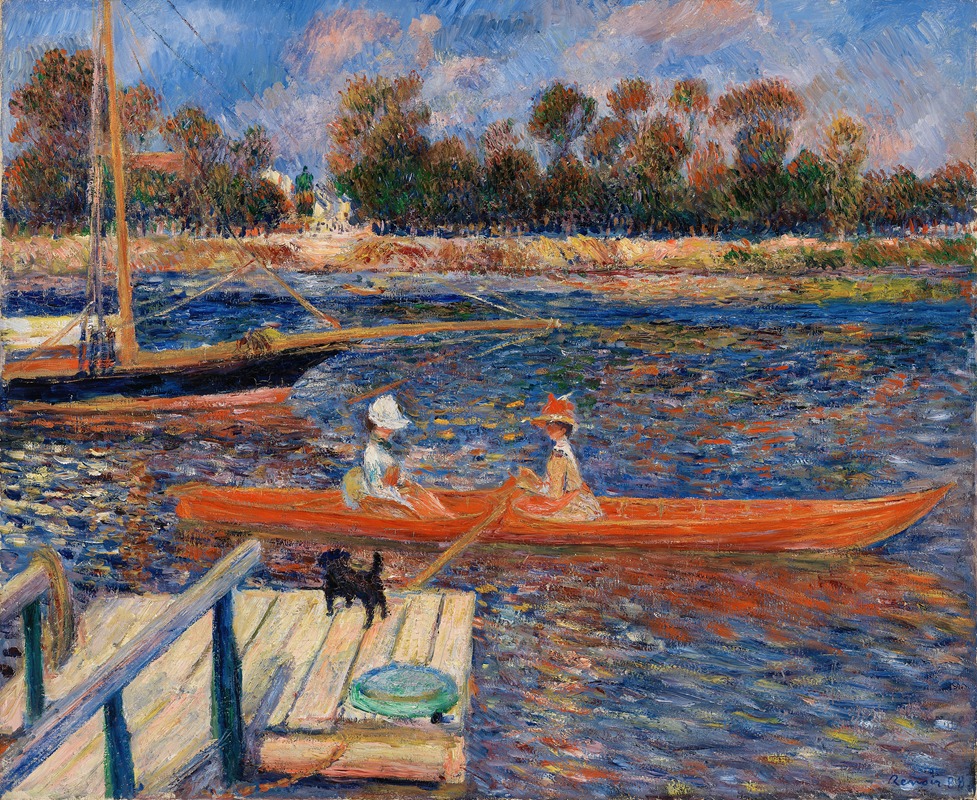
The Seine at Argenteuil (La Seine à Argenteuil)
Pierre-Auguste Renoir
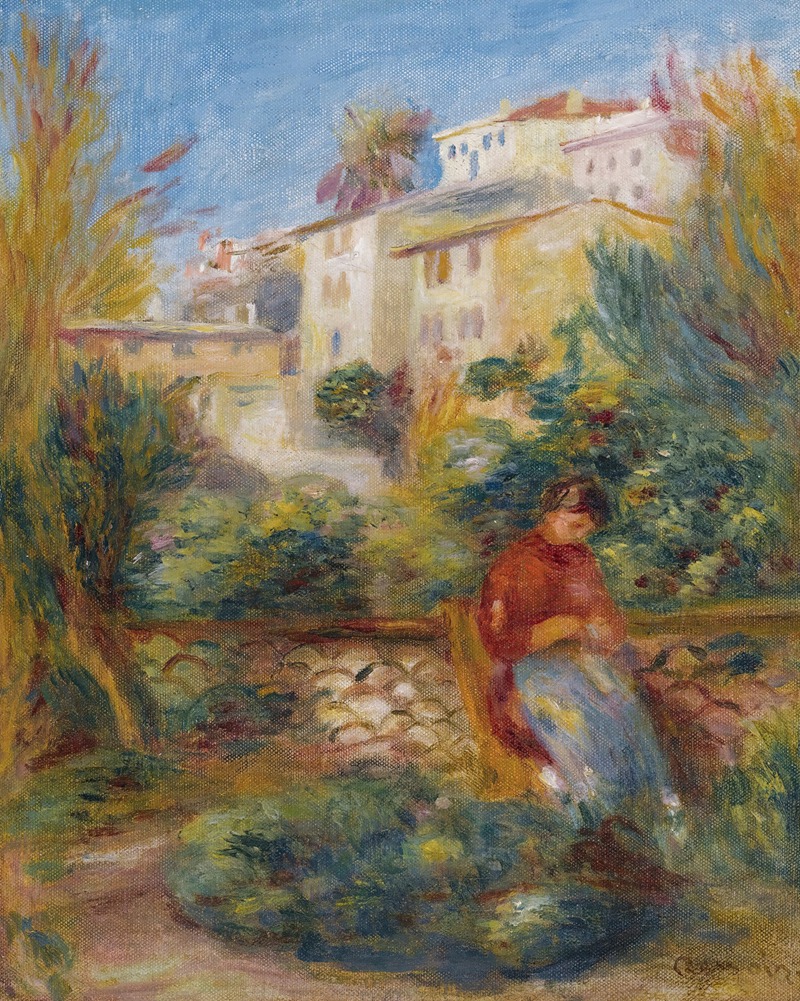
La Terrasse À Cagnes
Pierre-Auguste Renoir
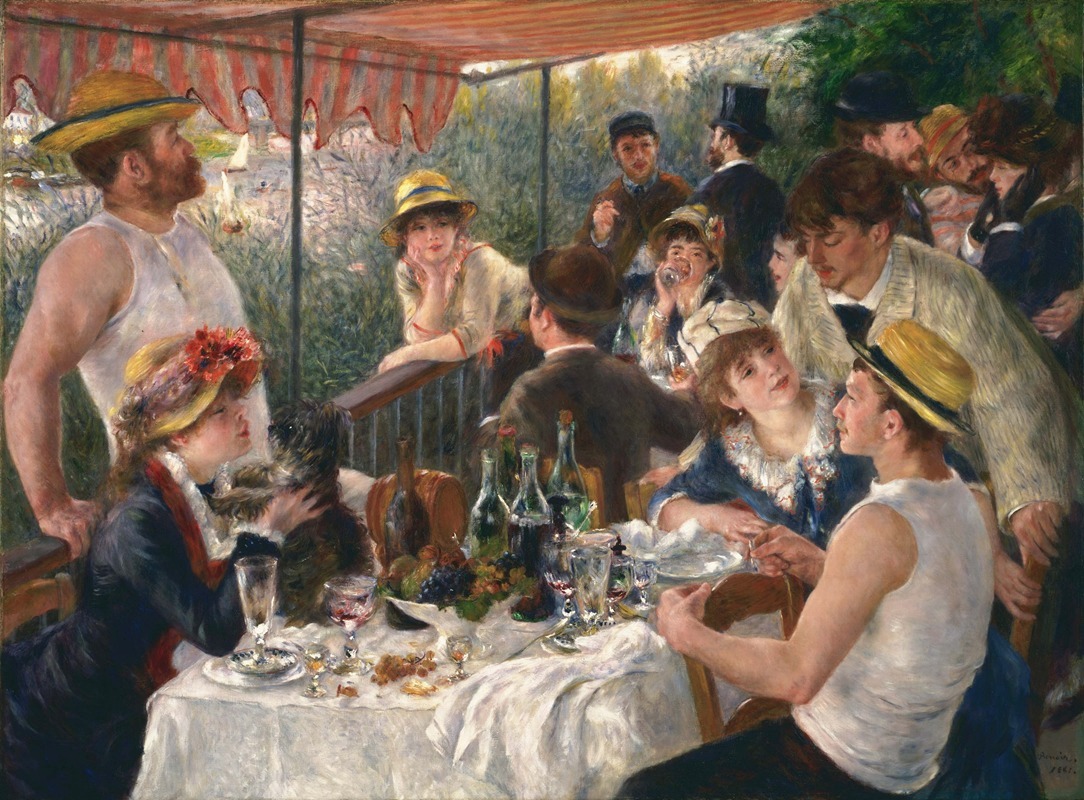
Luncheon of the Boating Party
Pierre-Auguste Renoir
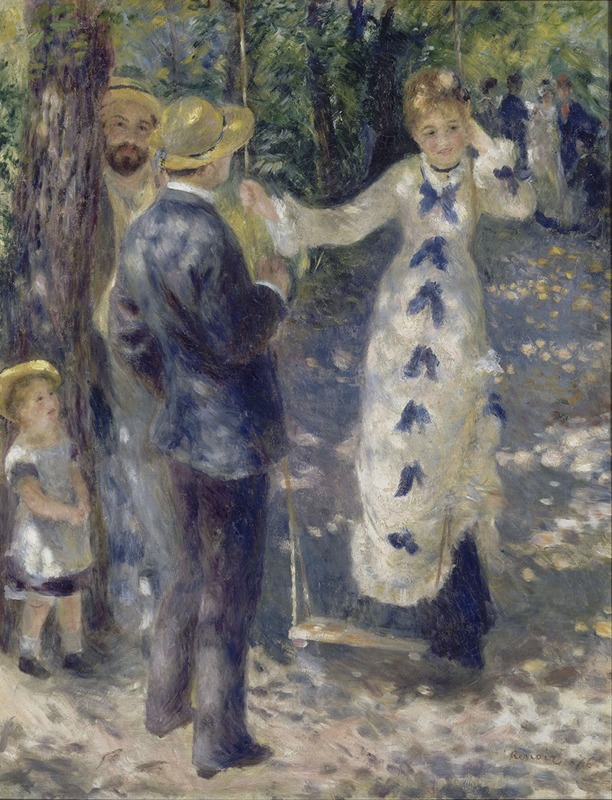
The Swing
Pierre-Auguste Renoir
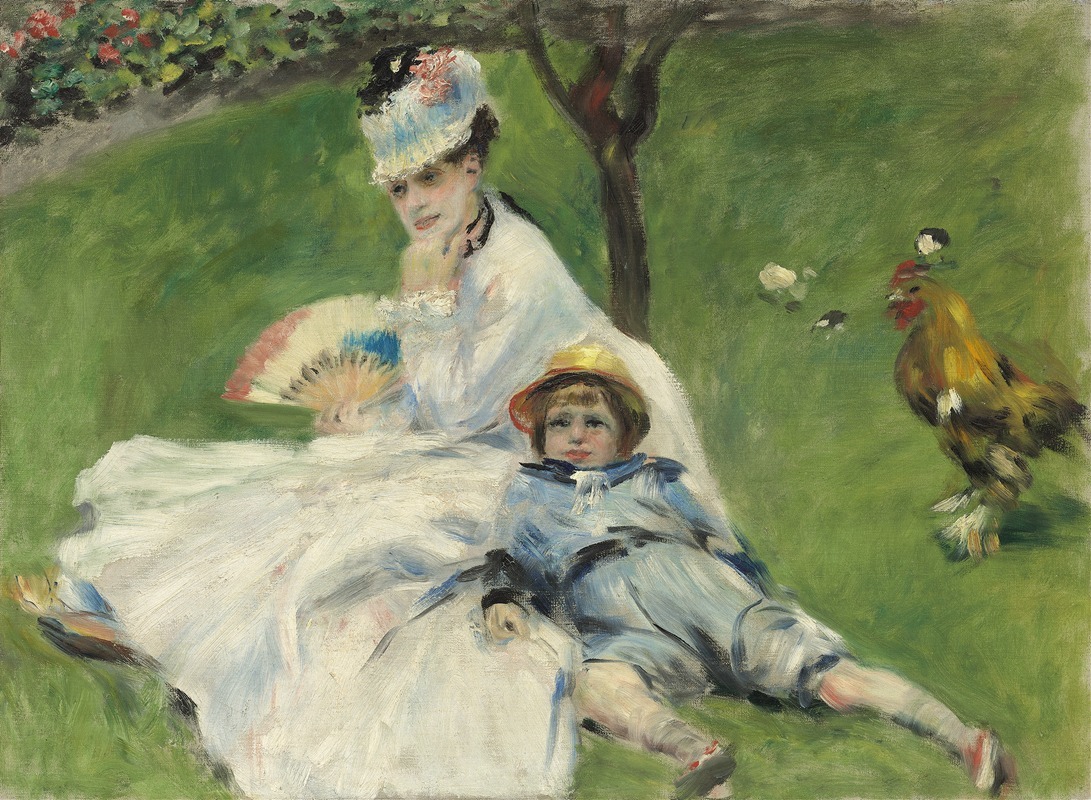
Madame Monet and Her Son
Pierre-Auguste Renoir
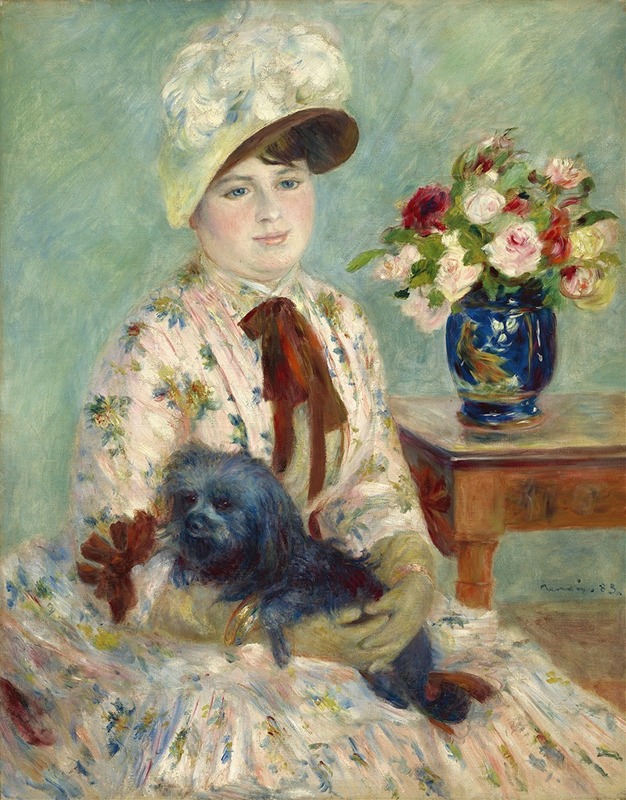
Mlle Charlotte Berthier
Pierre-Auguste Renoir