
Wasserfall bei St.Blasien — History & Facts
When did color learn to lie? In a world painted with longing, hues can both reveal and conceal the depths of emotion nestled within nature’s embrace. Look closely at the cascading waterfall that dominates the canvas; notice how the vibrant greens and blues leap into life against the rocky terrain. The meticulous brushstrokes breathe movement into the water, suggesting a powerful yet delicate rush, while the dappled sunlight filters through the trees, casting an ethereal glow. The composition draws the viewer’s eye upward, as if inviting us to follow the water’s journey towards the hidden sources of its strength. Yet, beneath the surface of this idyllic scene lies an undercurrent of tension.
The stark juxtaposition of the serene, untouched landscape against the violent crash of the water evokes a yearning for peace amidst chaos. The interplay of light and shadow reveals hidden corners, enticing the viewer to explore the depths of their own longing. As we gaze upon the tranquil setting, we may also sense an echo of solitude, a reminder of nature's beauty intertwined with its inherent wildness. In 1871, Hans Thoma painted this work amidst a burgeoning interest in capturing the sublime aspects of the natural world.
Living in Germany, Thoma was influenced by the Romantic movement and the growing emphasis on emotion and expression in art. This period marked a transition in his career, as he began to develop his unique style that blended realism with idealized landscapes, ultimately inviting viewers to encounter both the beauty and the depth of the wilderness.
More Artworks by Hans Thoma
Browse all →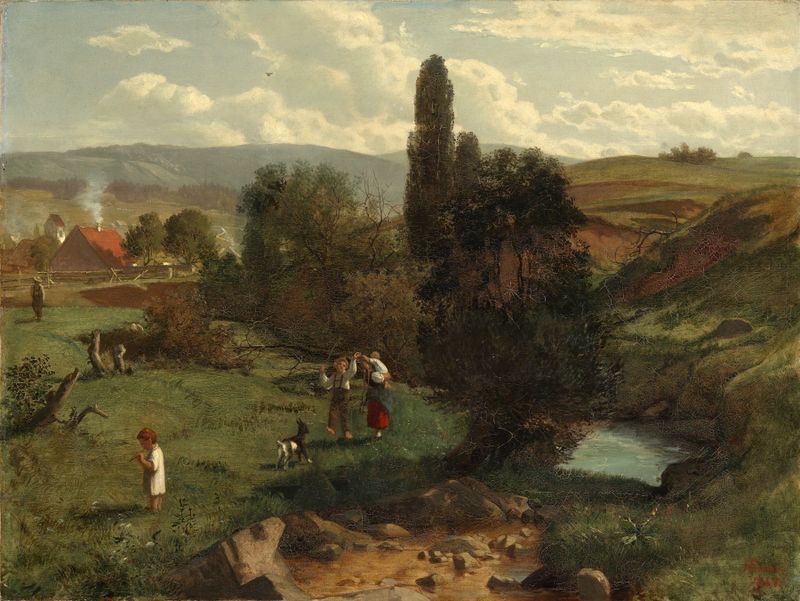
Schwarzwaldlandschaft
Hans Thoma
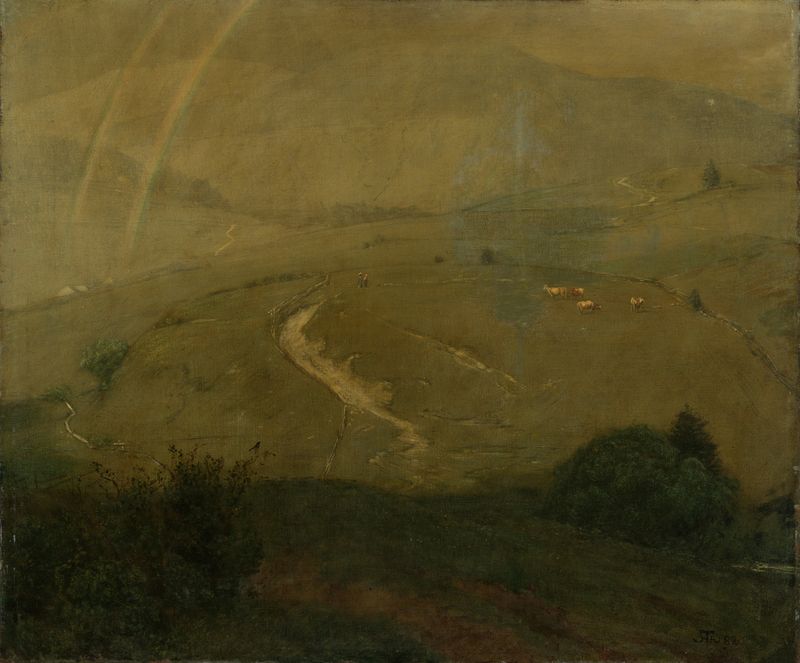
Regen im Schwarzwald
Hans Thoma
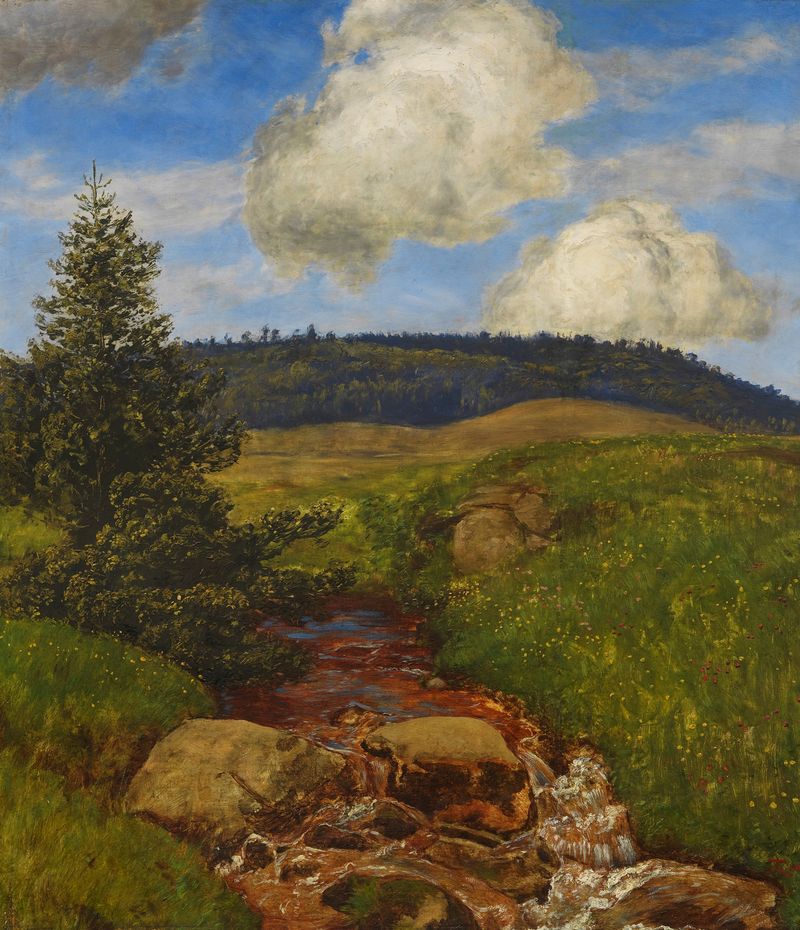
Schwarzwaldbach
Hans Thoma
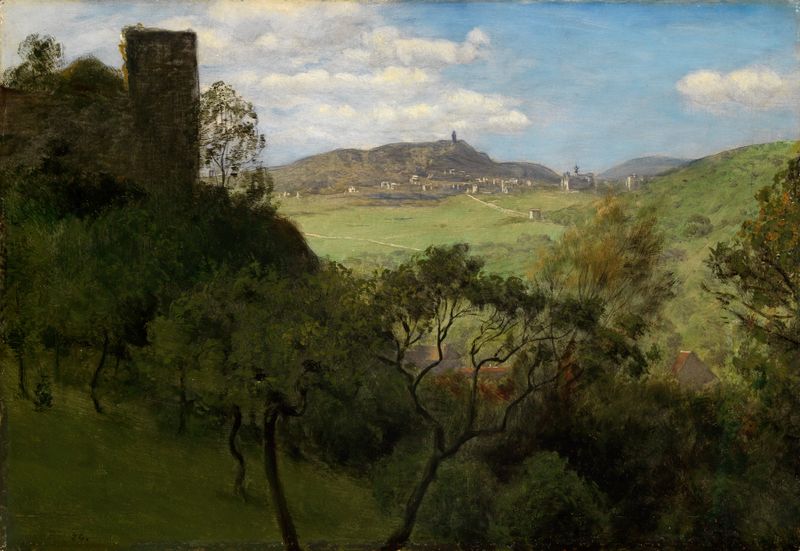
Blick auf Falkenstein im Taunus
Hans Thoma
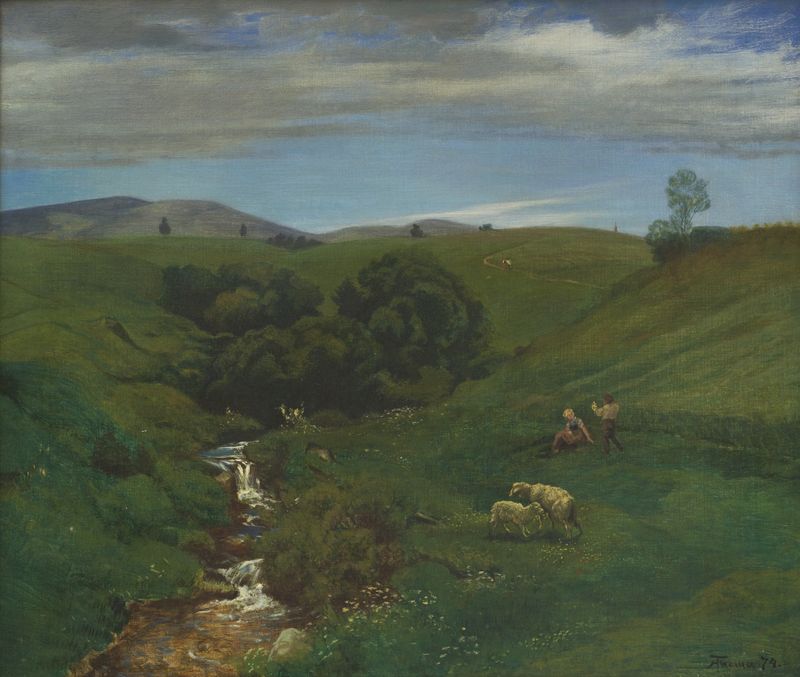
Black Forest Meadow near Bernau
Hans Thoma
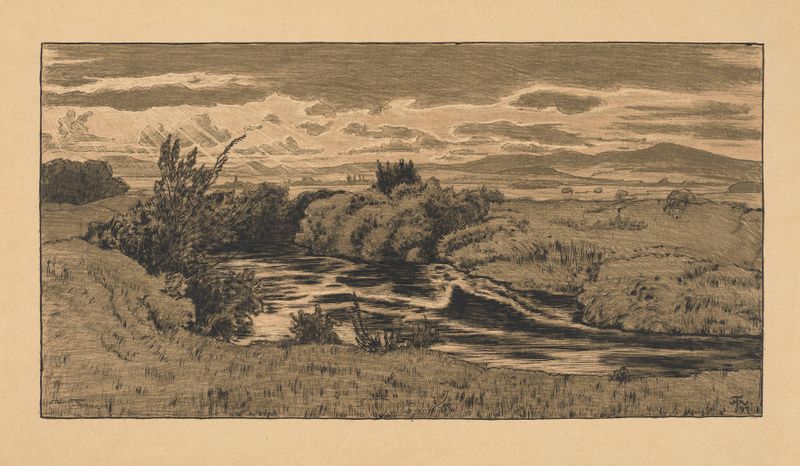
Evening by the Nidda River
Hans Thoma
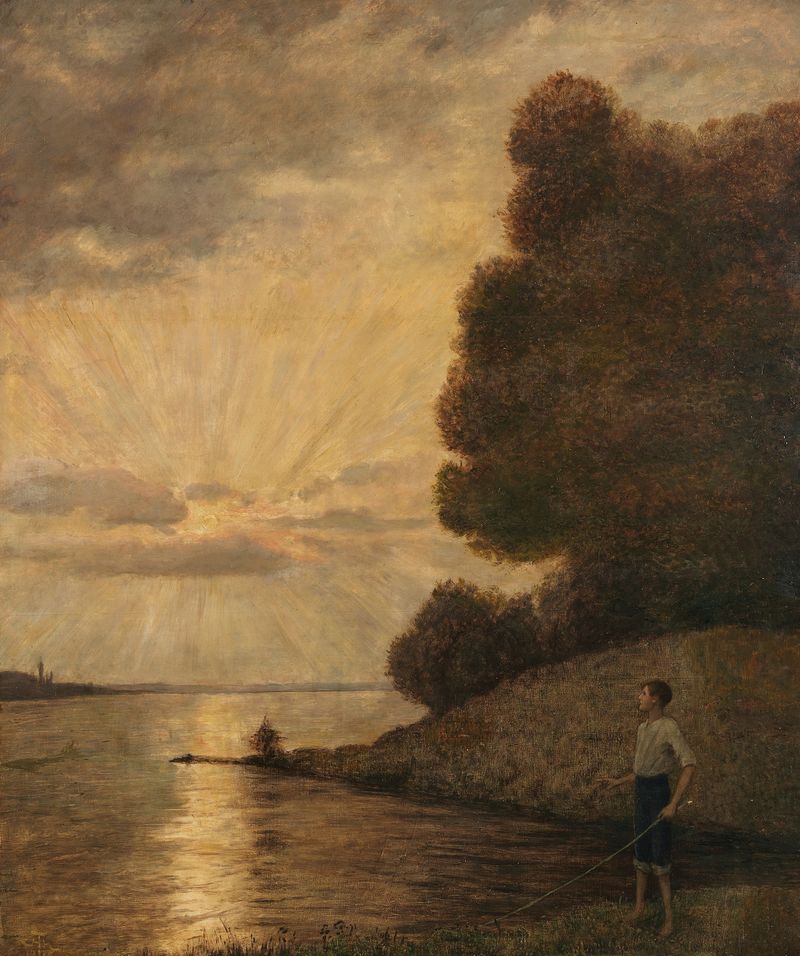
Sonnenuntergang am Oberrhein
Hans Thoma
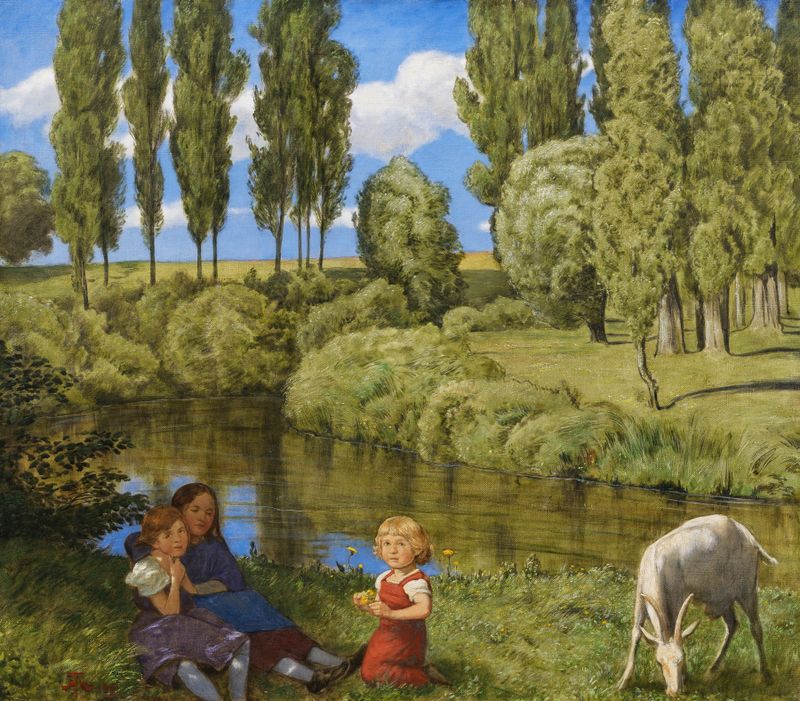
Am Stillen Bach
Hans Thoma
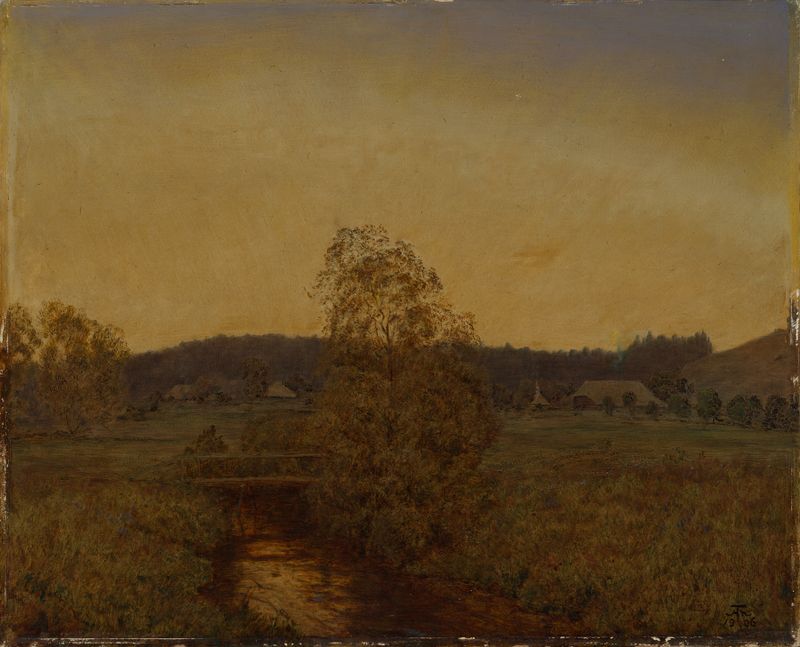
Der Abendstern
Hans Thoma
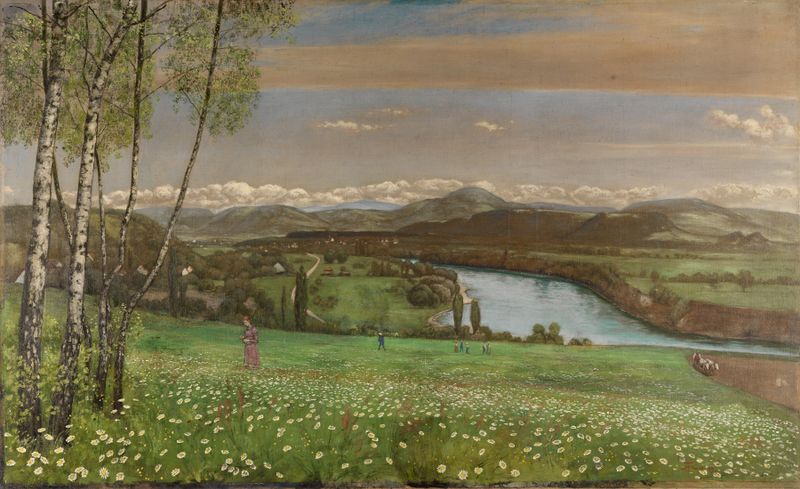
Das Rheintal bei Säckingen
Hans Thoma





