Water Lilies — History & Facts
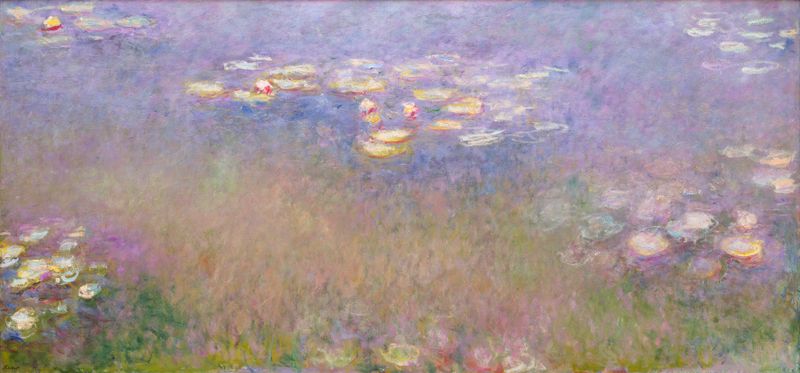
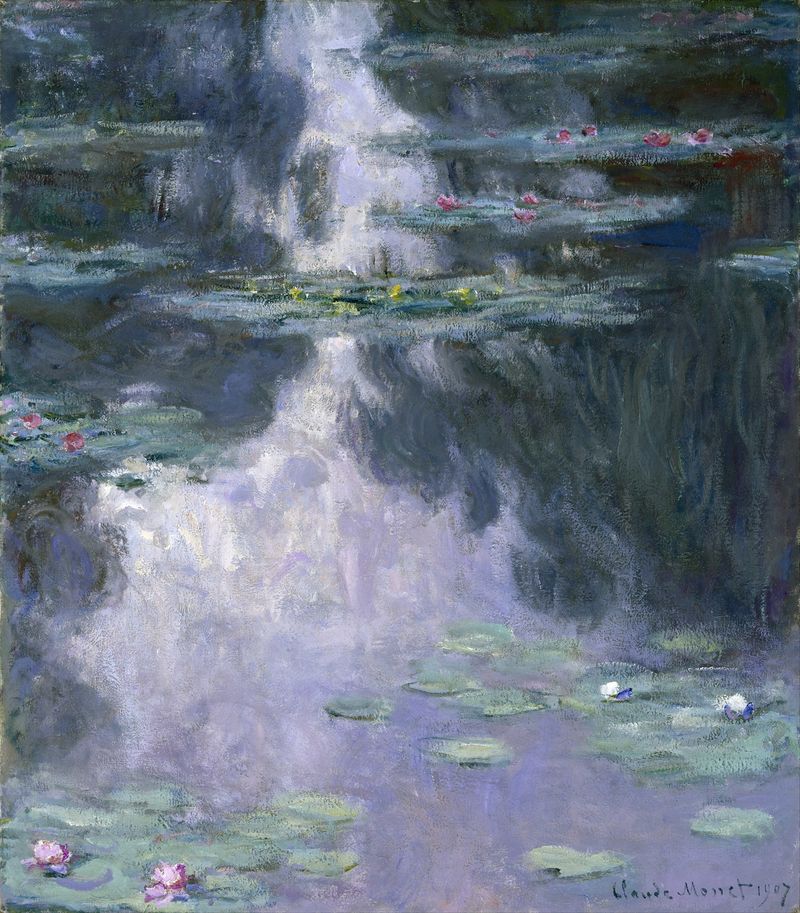
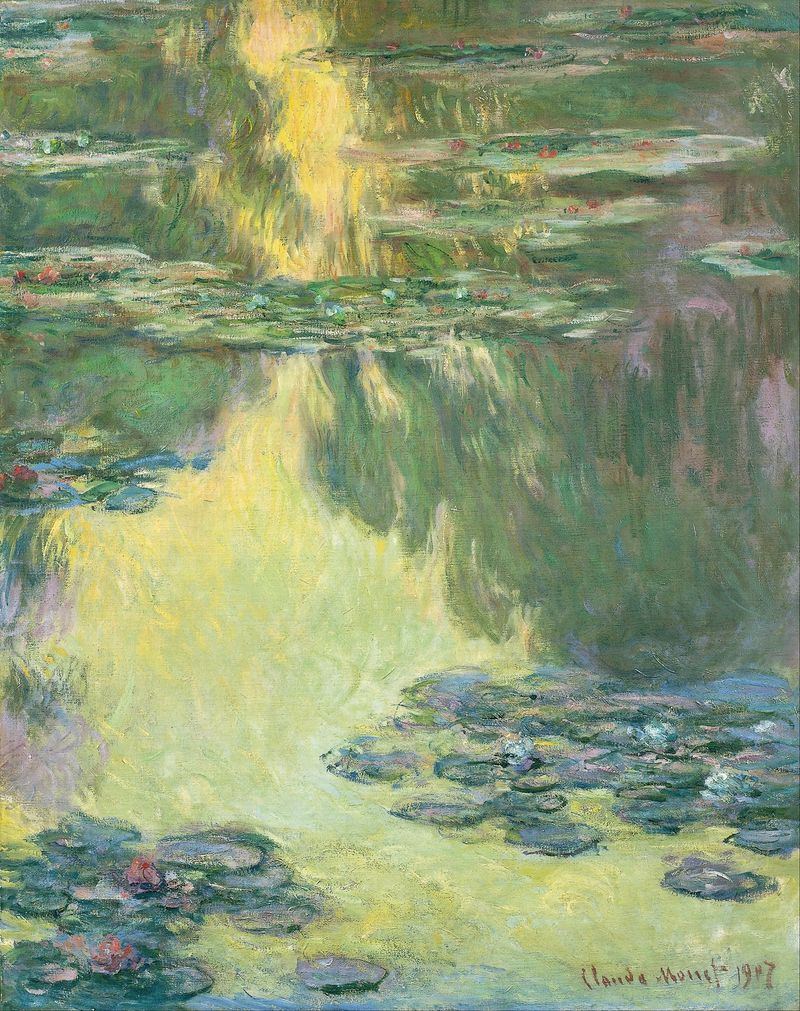
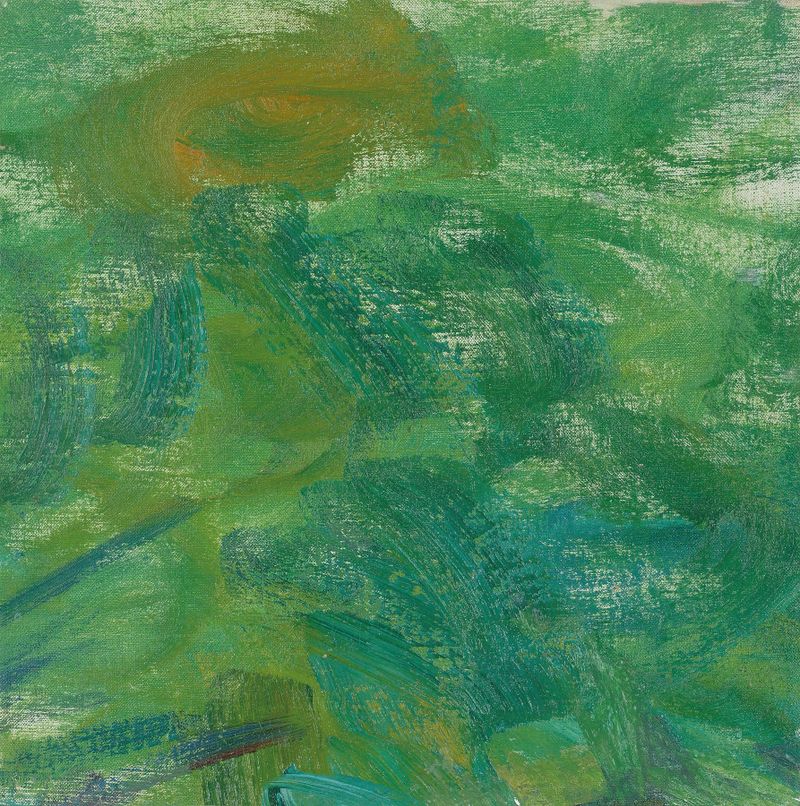
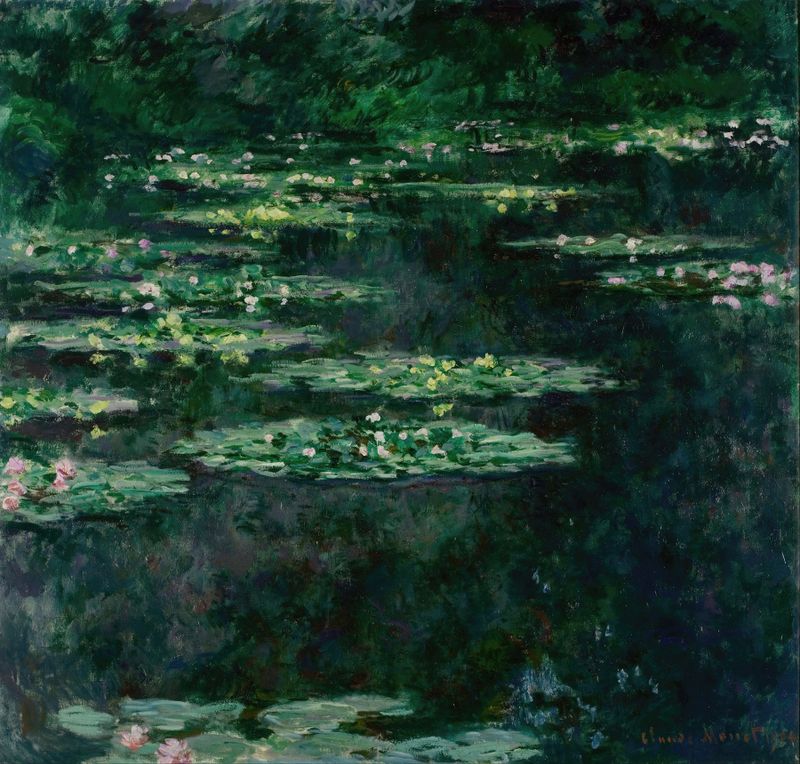
Can paint confess what words never could? In Water Lilies, a tranquil world unfolds, whispering of destiny's gentle hand at play across the canvas. Focus on the lush greens and soft blues that seem to dance across the surface, inviting the viewer to lose themselves in this dreamlike reflection. Notice how the brushstrokes create a shimmering texture, mimicking the rippling water. The lilies, with their delicate petals, are scattered like forgotten secrets, beckoning you to dive deeper into the serene chaos of nature.
Each stroke, a meditation; each hue, a whisper of tranquility. Yet, beneath this surface beauty lies a profound tension between fleeting moments and eternal essence. The fragmented reflections of trees and sky hint at the impermanence of life, while the steadfastness of the lilies speaks to resilience and survival. The interplay of light and shadow adds depth, suggesting that within tranquility, there is an ever-present awareness of change and the passage of time.
These elements coalesce into a silent dialogue about nature's cyclical beauty and human existence. In 1907, Monet painted this masterpiece in Giverny, amidst a period of personal introspection and artistic evolution. The Impressionist movement was gaining recognition, and Monet, now a seasoned artist, sought to capture the fleeting beauty of his garden pond. His exploration of color and light was not merely aesthetic; it was a reflection of his desire to convey the essence of nature's perpetual dance.