
Waterdichtmaken van de romp van een schip — History & Facts
In Reinier Nooms' masterful depiction, the emptiness of the void transforms into a narrative of labor and determination. The painting resonates with the quiet strength of human endeavor against the backdrop of nature's vastness, inviting viewers to contemplate the delicate balance between craftsmanship and the elements. Look to the left at the ship's hull, meticulously rendered with precise lines and richly textured strokes. Notice how the dark wood contrasts against the muted tones of the surrounding figures, emphasizing the laborers' toil.
The light gently spills across the surface, illuminating the details of their clothing and the tools they wield, each stroke capturing the essence of their work. The composition draws your eye toward the ship, symbolizing both hope and fragility in the maritime world. At the heart of the painting lies a tension between vulnerability and resilience. The figures, while engaged in a seemingly mundane task, embody a shared purpose that transforms labor into art.
The surrounding void, devoid of color and form, enhances the vibrancy of their actions, suggesting that even in emptiness, there is a profound significance. This juxtaposition invites introspection about the nature of existence and the role of the individual in the grand tapestry of life. Created between 1650 and 1664, this work emerged during a time of burgeoning maritime trade and exploration in the Netherlands. Nooms, known for his detailed marine scenes, navigated a world where the relationship with the sea was both a source of livelihood and peril.
His focus on craftsmanship not only reflects the era's artistic trends but also highlights the cultural importance of shipbuilding during this transformative period.
More Artworks by Reinier Nooms
Browse all →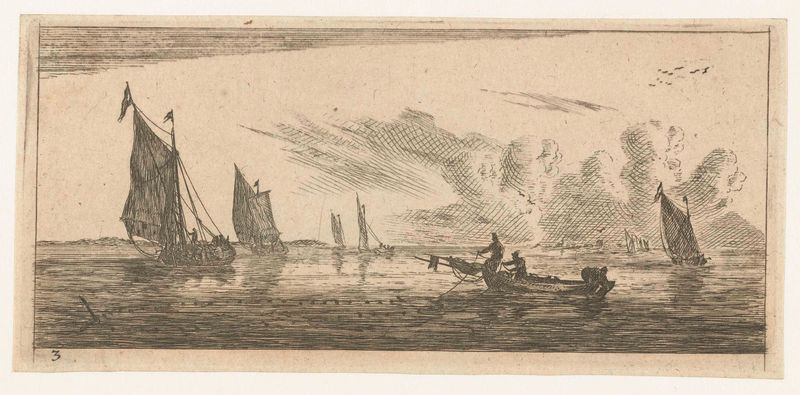
Zeegezicht met verschillende zeilschepen
Reinier Nooms
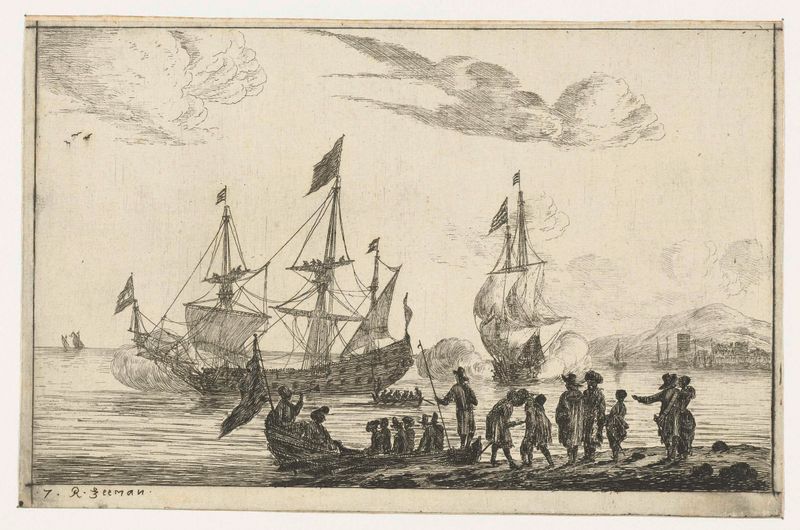
Havenscène met een spiegelsloep
Reinier Nooms
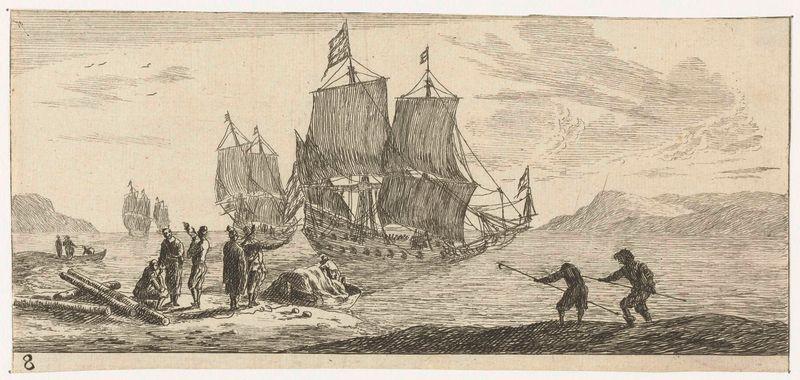
Vier grote zeilschepen in een baai
Reinier Nooms
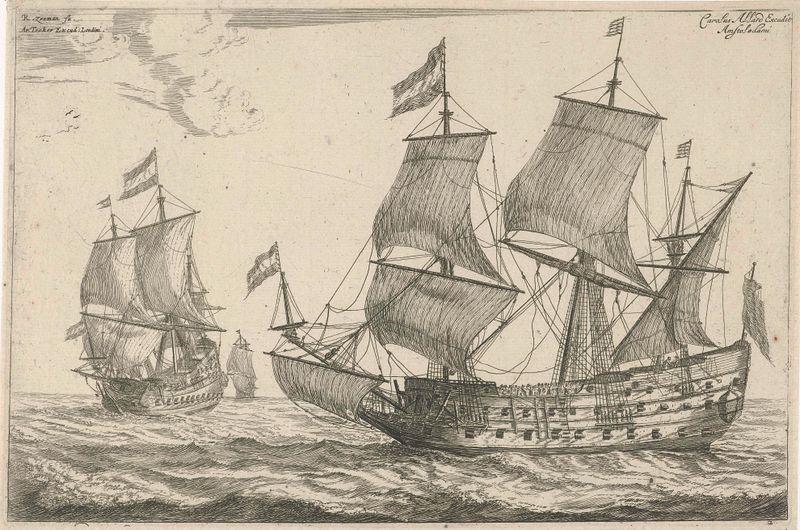
Twee grote oorlogsschepen
Reinier Nooms
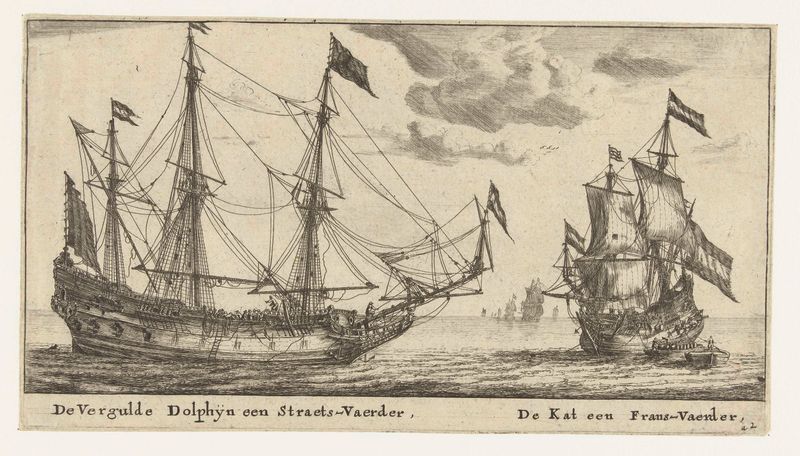
De schepen De Vergulde Dolfijn en De Kat
Reinier Nooms
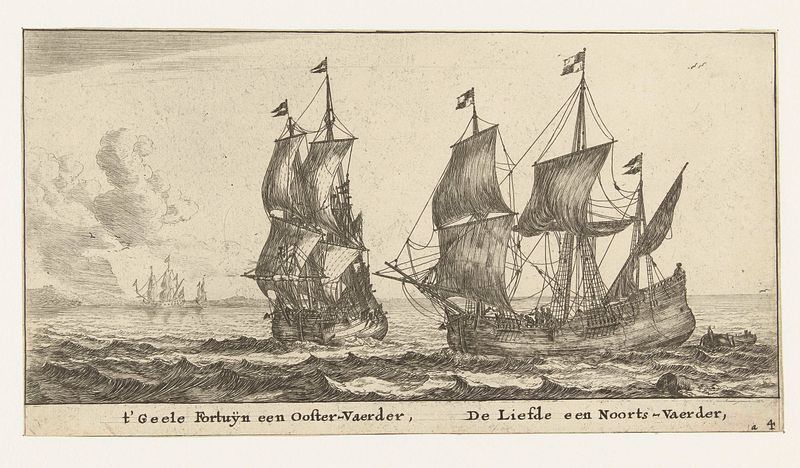
De schepen 't Gele Fortuin en De Liefde
Reinier Nooms
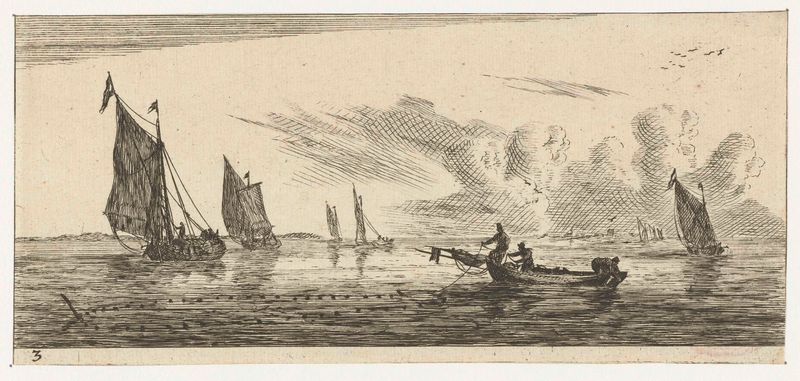
Zeegezicht met verschillende zeilschepen
Reinier Nooms
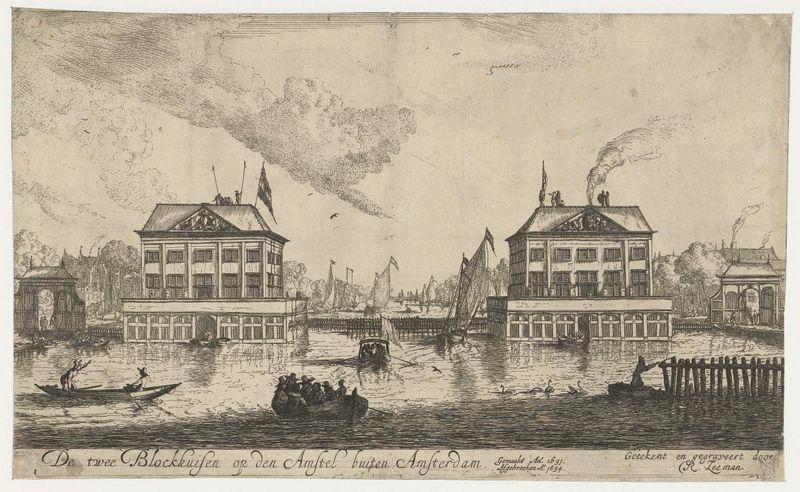
Gezicht op de twee Blokhuizen in de Amstel
Reinier Nooms
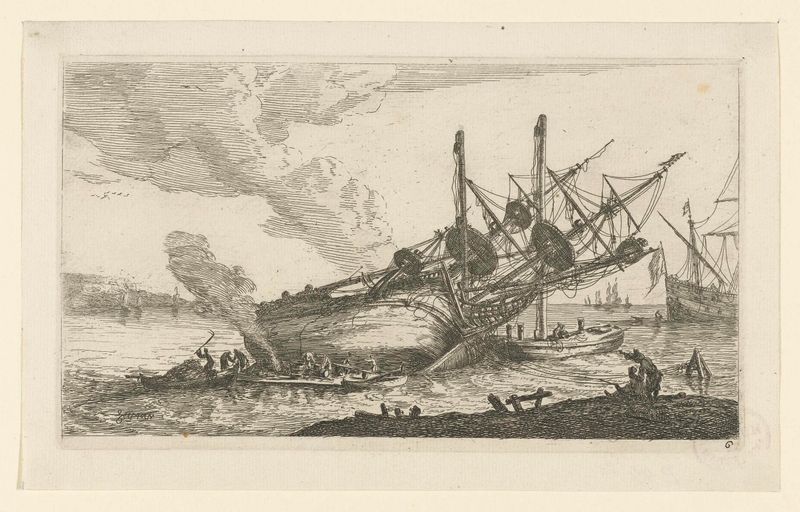
Reparaties aan de romp van een schip
Reinier Nooms
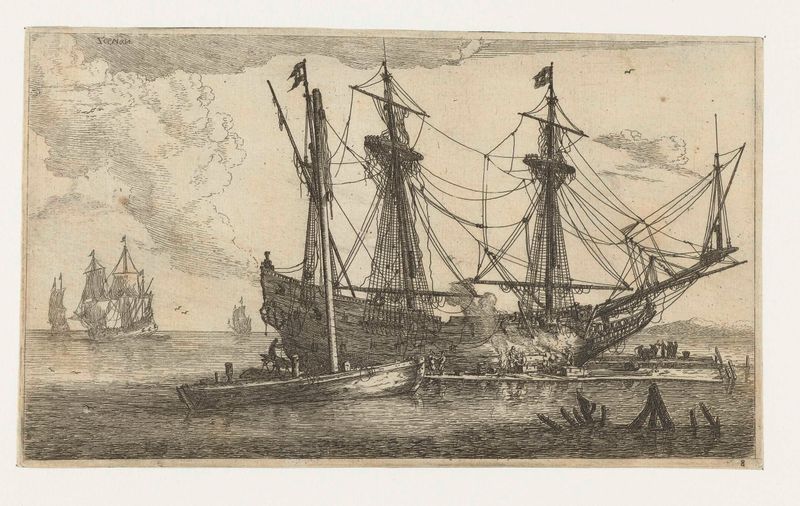
Reparaties aan de romp van een schip
Reinier Nooms





