
Waterdichtmaken van de romp van een schip — History & Facts
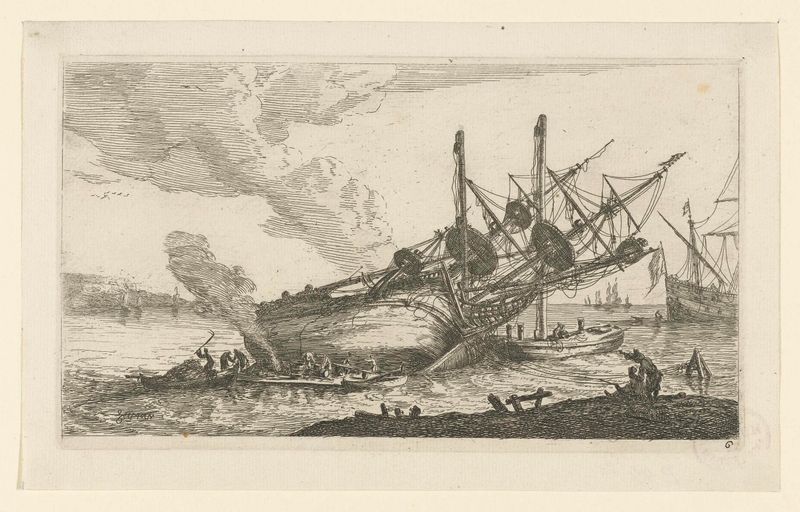
Could a single brushstroke hold eternity? In the quiet, muted atmosphere of Waterdichtmaken van de romp van een schip, the viewer encounters not just a moment, but an echo of isolation that resonates through the years. Look to the left at the ship's hull, where laborers diligently apply a black coating, their focused expressions stark against the smooth, waterlogged wood. Notice how the light gently illuminates the curves of the vessel, casting delicate shadows that stretch outwards, hinting at the depth of the surrounding emptiness. The choice of muted earth tones, contrasted with the deep black of the tar, creates a somber palette that underscores the gravity of the task at hand, as well as the weight of the solitude each man carries. Deeper still, one can sense the tension between man and nature—the indifference of the sea mirrored in the workers' stoicism.
Each figure seems absorbed in their duty yet isolated in their own thoughts, as if the very act of sealing the ship is a metaphor for the barriers they erect against loneliness. The juxtaposition of their labor against the vast emptiness of water hints at the fragility of human endeavor, trapped in a relentless cycle of building and maintaining against the unforgiving elements. In the mid-17th century, as Reinier Nooms painted this work, he was situated in a burgeoning period of Dutch maritime prowess—where the Dutch Republic was at its zenith in naval power and exploration. Nooms, primarily known for his marine scenes, crafted this piece against a backdrop of both commercial success and profound introspection, capturing a fleeting moment that resonates with the perpetual dance between humanity and the vast, lonely sea.
More Artworks by Reinier Nooms
Browse all →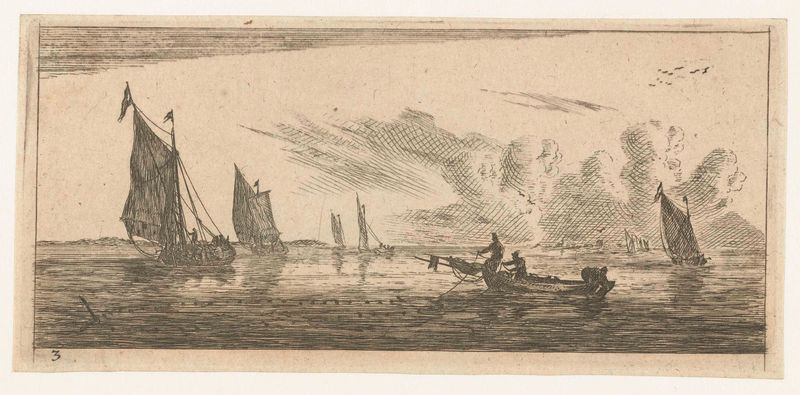
Zeegezicht met verschillende zeilschepen
Reinier Nooms
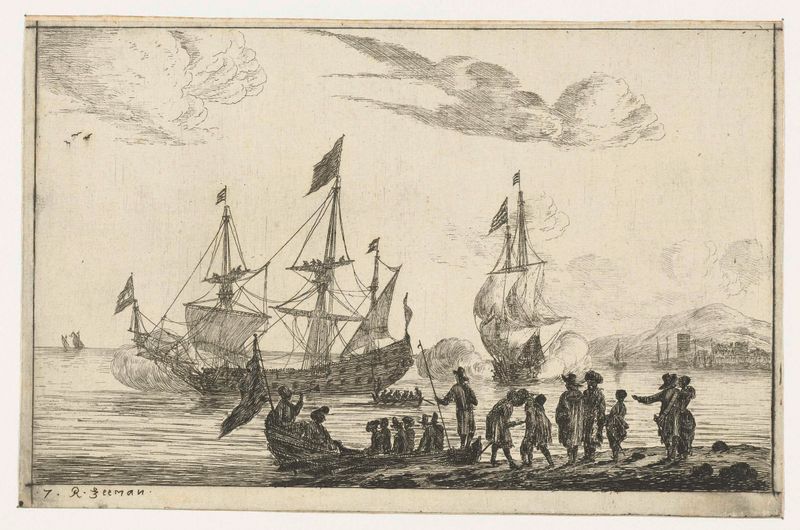
Havenscène met een spiegelsloep
Reinier Nooms
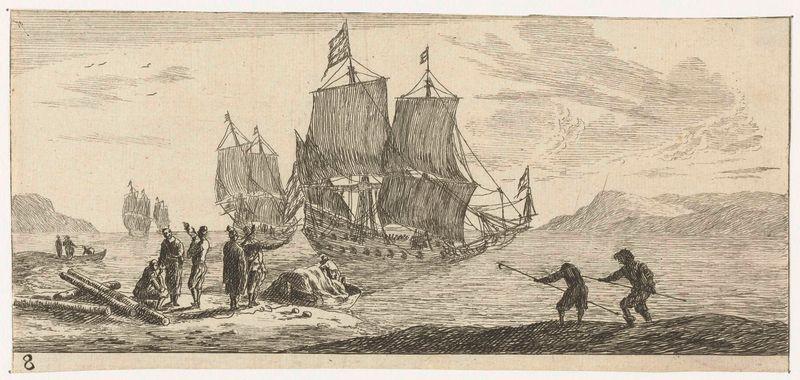
Vier grote zeilschepen in een baai
Reinier Nooms
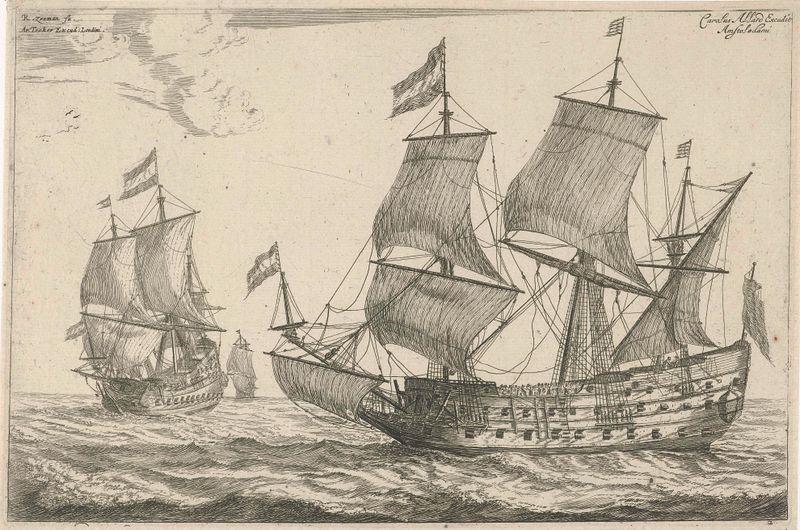
Twee grote oorlogsschepen
Reinier Nooms
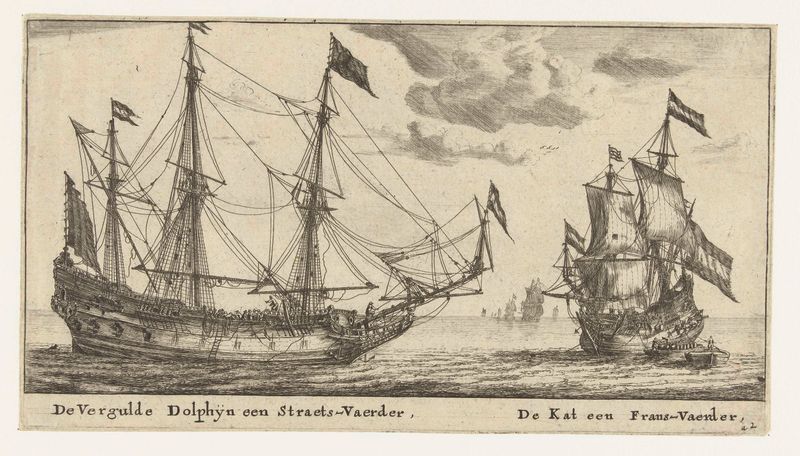
De schepen De Vergulde Dolfijn en De Kat
Reinier Nooms
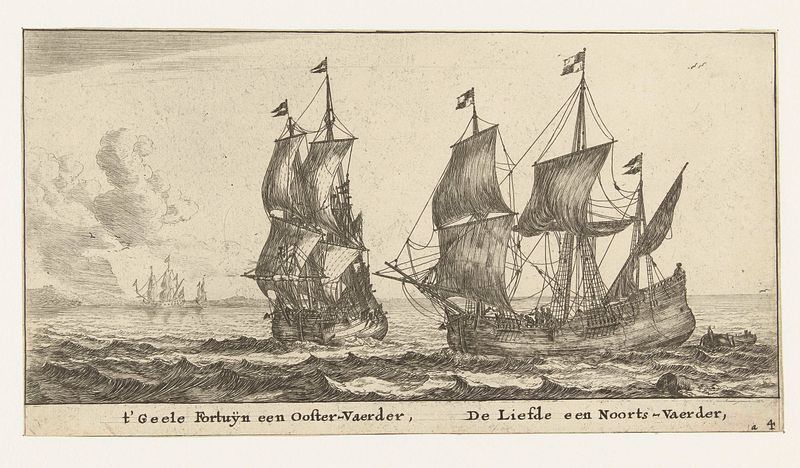
De schepen 't Gele Fortuin en De Liefde
Reinier Nooms
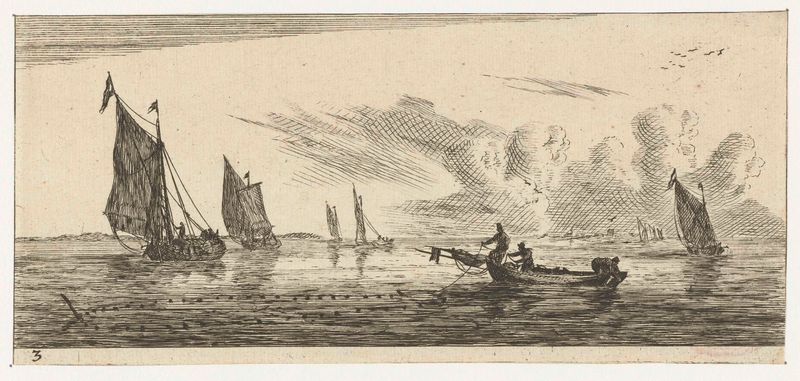
Zeegezicht met verschillende zeilschepen
Reinier Nooms
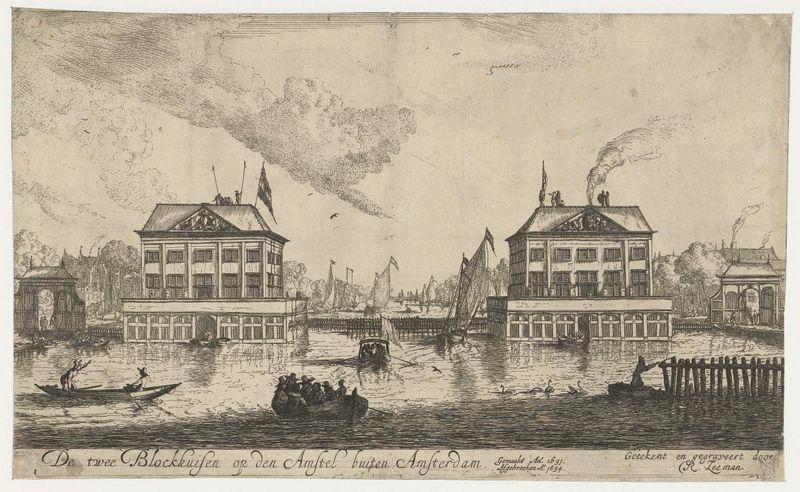
Gezicht op de twee Blokhuizen in de Amstel
Reinier Nooms
Reparaties aan de romp van een schip
Reinier Nooms
Reparaties aan de romp van een schip
Reinier Nooms





