
Waterdichtmaken van de rompen van drie fluitschepen — History & Facts
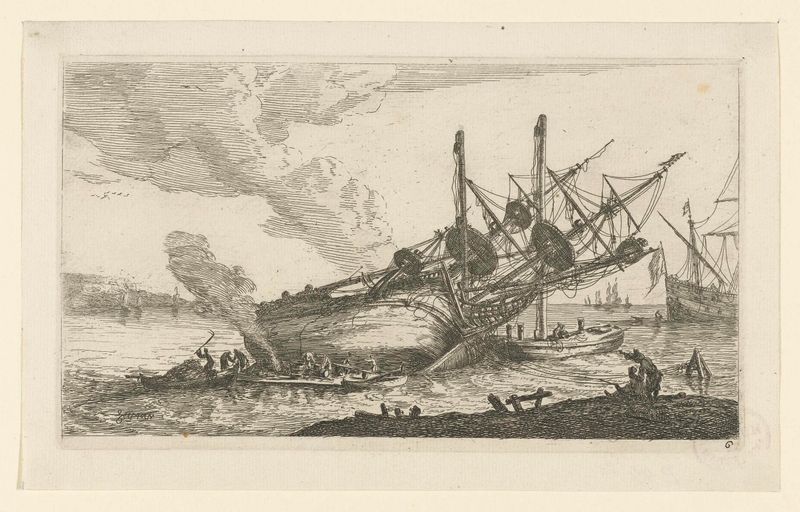
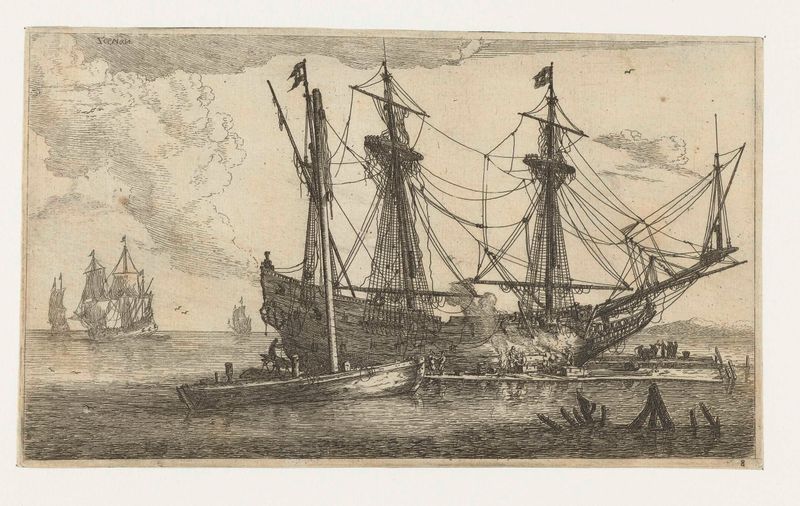
Could beauty survive in a century of chaos? This question lingers in the air as one contemplates the intricate layers of Reinier Nooms's work. The Waterdichtmaken van de rompen van drie fluitschepen serves not merely as a depiction of maritime labor but as an exploration of the delicate balance between nature’s splendor and human endeavor. Look to the center of the canvas, where three fluitschepen, their hulls poised for work, dominate the scene. The craftsmanship is remarkable; observe the meticulous attention to detail in the wood textures of the ships, highlighted by soft, golden light that glimmers on their surfaces.
The palette, rich with earthy tones and hints of azure, evokes the endless sea while creating a striking contrast against the muted backdrop of the bustling harbor. This interplay of light and shadow not only directs the viewer’s gaze but also accentuates the fragile beauty of the vessels against the raw, chaotic force of nature. Beneath the apparent simplicity of this labor scene lies a profound commentary on the human condition. The fluitschepen, symbols of trade and survival, represent the industrious spirit amidst uncertainty.
The workers, though depicted in motion, seem to embody a stillness that hints at both their toil and their aspiration. The horizon, where sea meets sky, blurs the lines between reality and illusion, suggesting that beauty thrives within the struggle for survival. During the years 1650 to 1664, Nooms painted this piece while residing in the Netherlands, a nation grappling with the complexities of maritime power and trade expansion. The era was marked by a flourishing art scene, yet also by political and economic upheaval.
This painting reflects not only Nooms’s skill in capturing the essence of daily life at sea but also a moment of introspection about human resilience against the backdrop of a changing world.
More Artworks by Reinier Nooms
Browse all →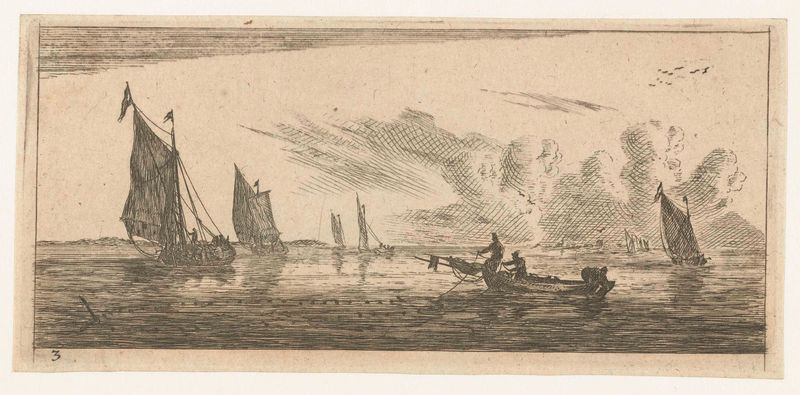
Zeegezicht met verschillende zeilschepen
Reinier Nooms
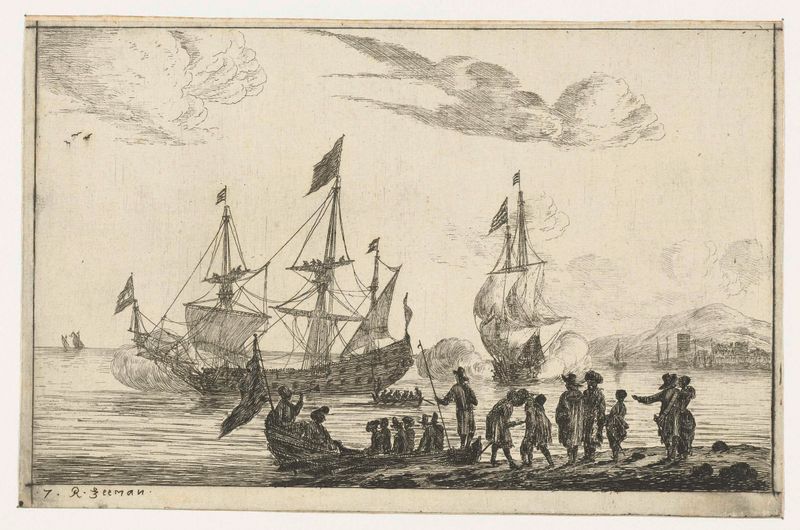
Havenscène met een spiegelsloep
Reinier Nooms
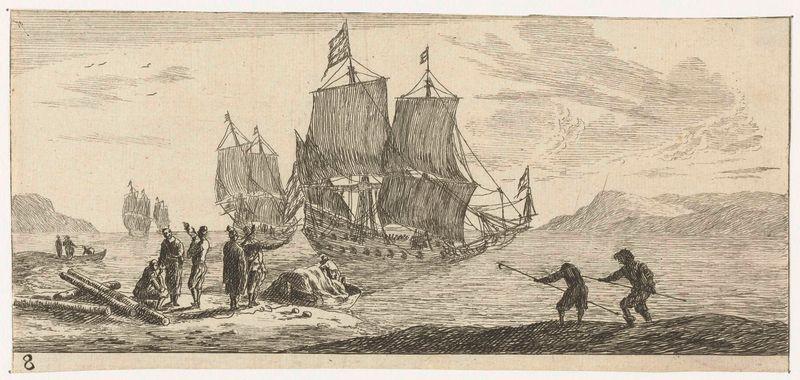
Vier grote zeilschepen in een baai
Reinier Nooms
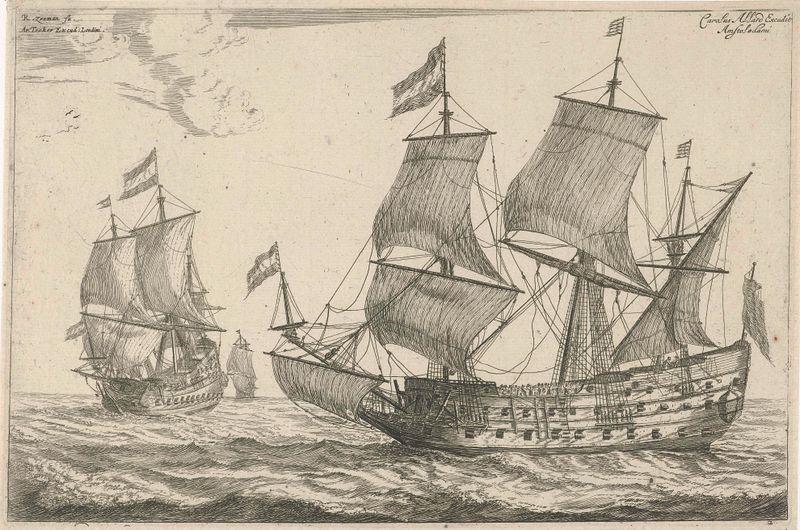
Twee grote oorlogsschepen
Reinier Nooms
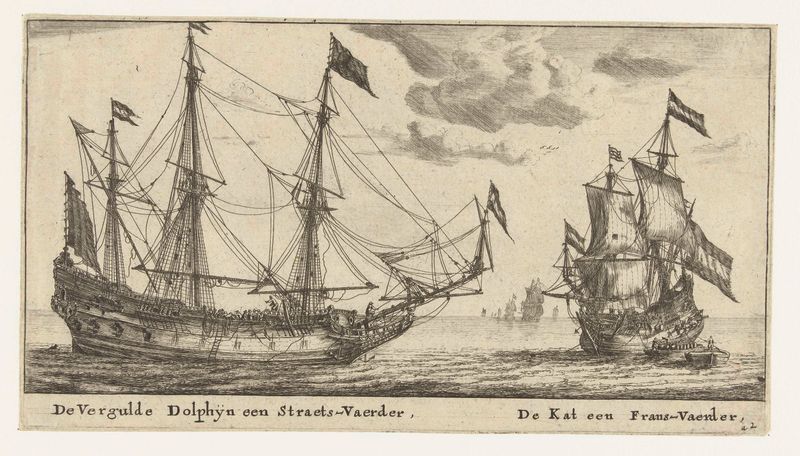
De schepen De Vergulde Dolfijn en De Kat
Reinier Nooms
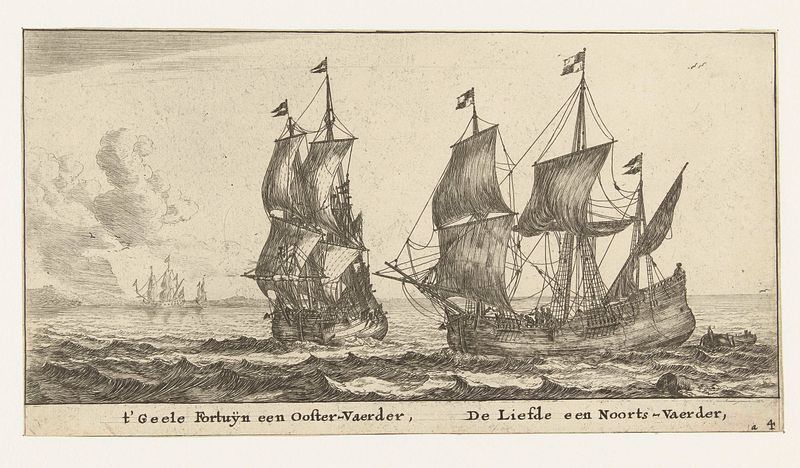
De schepen 't Gele Fortuin en De Liefde
Reinier Nooms
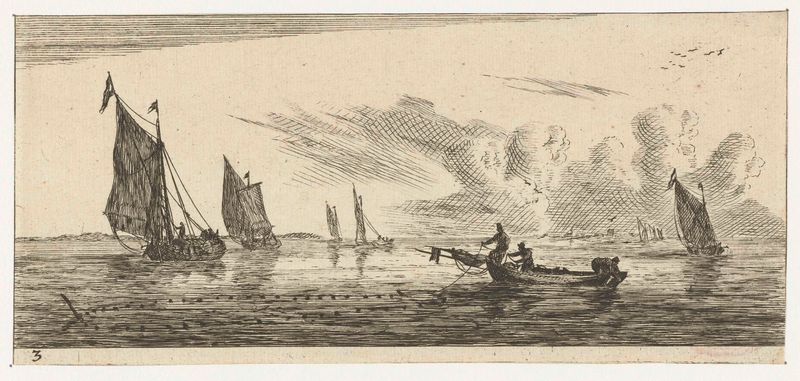
Zeegezicht met verschillende zeilschepen
Reinier Nooms
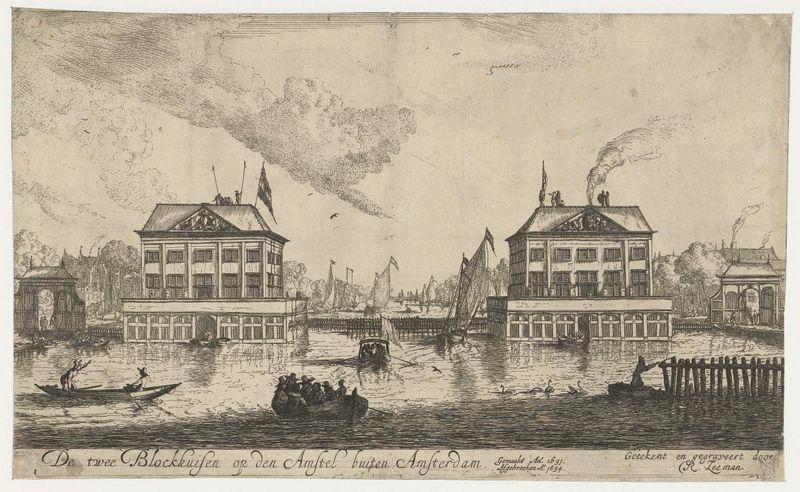
Gezicht op de twee Blokhuizen in de Amstel
Reinier Nooms
Reparaties aan de romp van een schip
Reinier Nooms
Reparaties aan de romp van een schip
Reinier Nooms





