
Waterdichtmaken van de rompen van twee schepen — History & Facts
In that stillness, grief festers, intertwining with the act of creation. There’s a haunting beauty in the quiet moments captured, where labor and loss coalesce into something profoundly human. To truly appreciate the painting, focus on the vessels to the left. Their hulls, delicately outlined, tell stories of journeys yet to embark upon.
Notice how the muted palette of browns and greys creates a somber atmosphere, while the rippling water subtly reflects the pale light, echoing the fragility of existence. The subtle brushwork evokes both movement and stillness, inviting the viewer to linger over the textures of wood and water. Beneath its surface, the artwork embodies a tension between hope and despair. The boats, symbols of adventure, hint at the ever-present risk of loss that accompanies exploration.
The water, undulating and unpredictable, mirrors the emotional turbulence of those left behind. Each detail, from the gentle waves to the sturdy structures, carries the weight of grief, a reminder of what is at stake in the pursuit of dreams. During the years between 1650 and 1664, Reinier Nooms found himself immersed in the maritime world of Amsterdam. This period was marked by significant developments in Dutch painting, as artists explored themes of seafaring life.
Nooms, himself a sailor, translated his experiences into still-life compositions, reflecting both the beauty and peril of life on the water, as well as the personal losses faced by those who tread its depths.
More Artworks by Reinier Nooms
Browse all →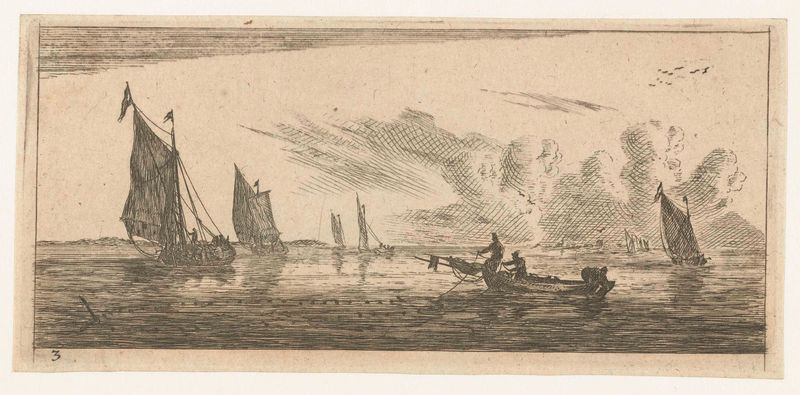
Zeegezicht met verschillende zeilschepen
Reinier Nooms
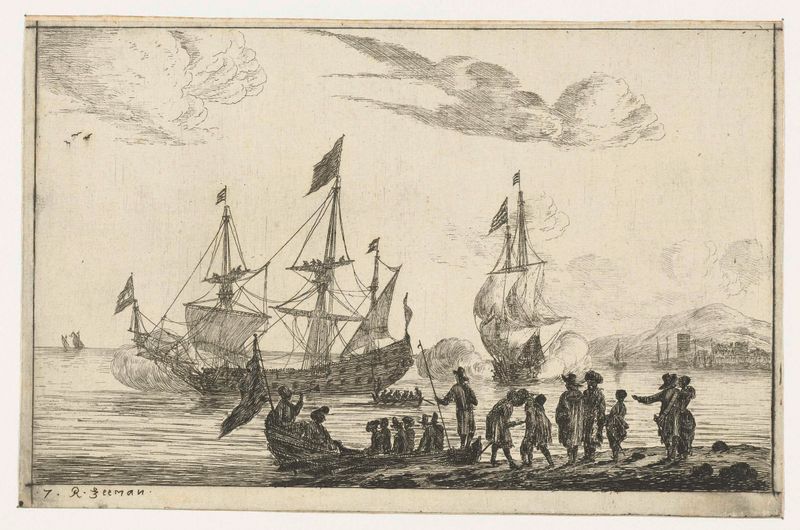
Havenscène met een spiegelsloep
Reinier Nooms
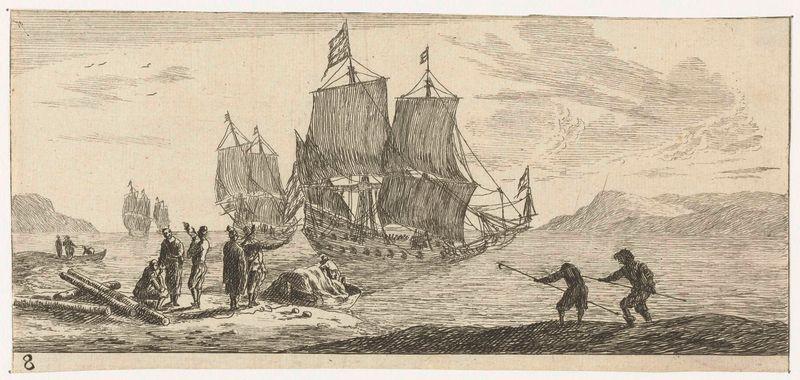
Vier grote zeilschepen in een baai
Reinier Nooms
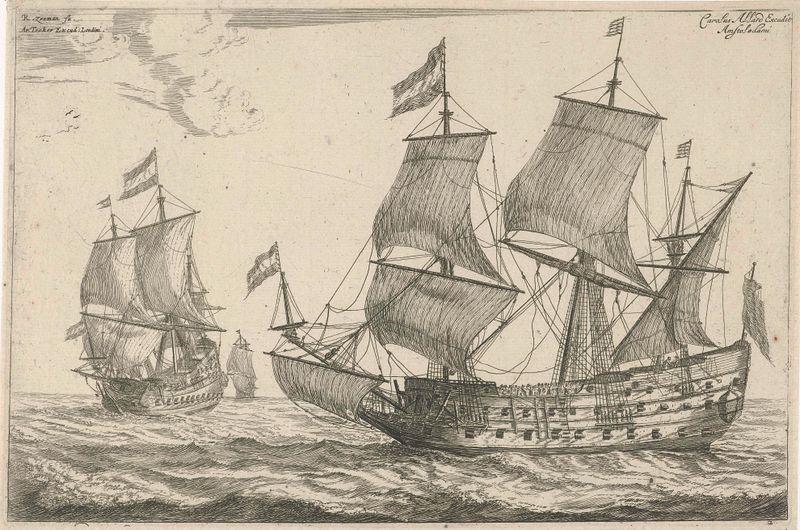
Twee grote oorlogsschepen
Reinier Nooms
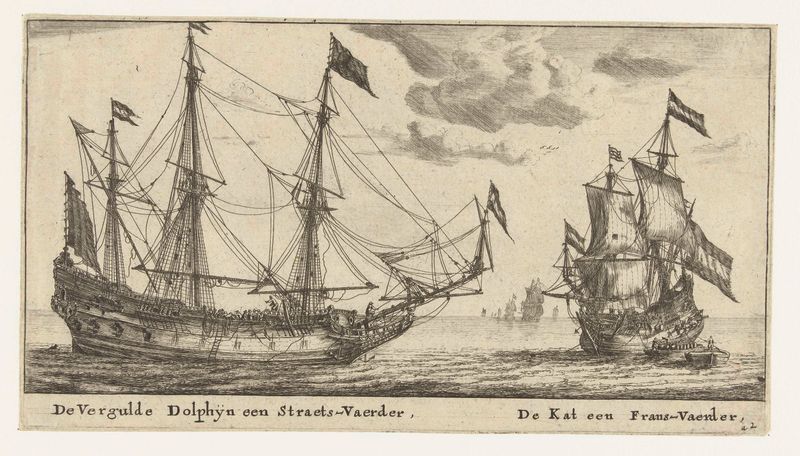
De schepen De Vergulde Dolfijn en De Kat
Reinier Nooms
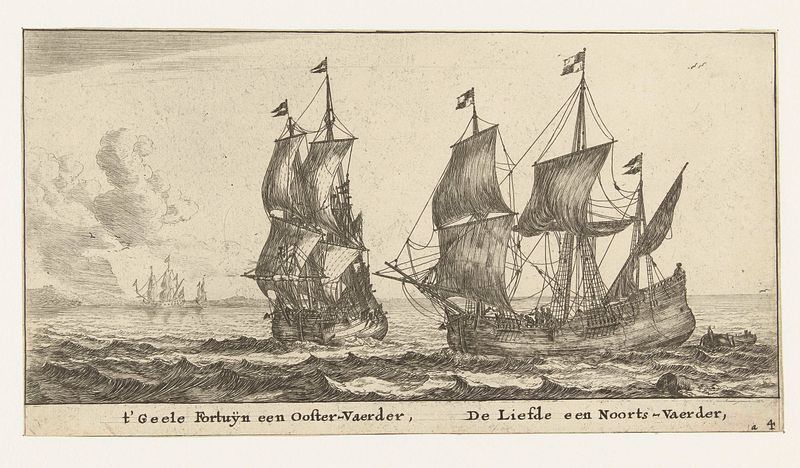
De schepen 't Gele Fortuin en De Liefde
Reinier Nooms
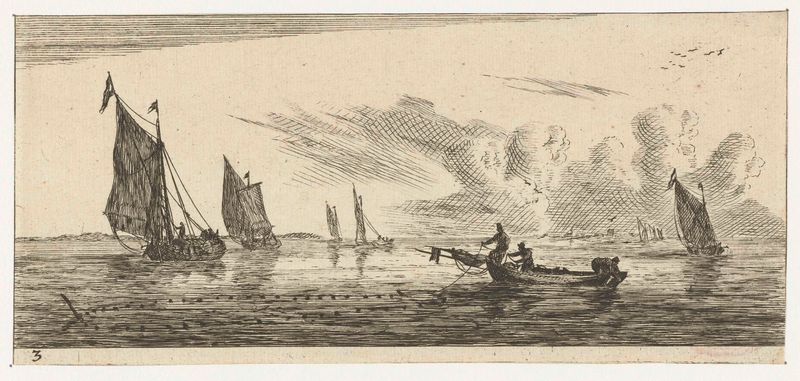
Zeegezicht met verschillende zeilschepen
Reinier Nooms
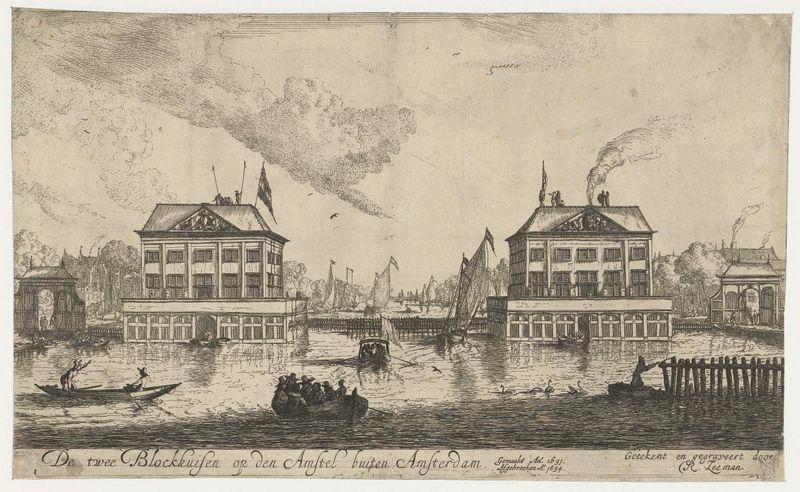
Gezicht op de twee Blokhuizen in de Amstel
Reinier Nooms
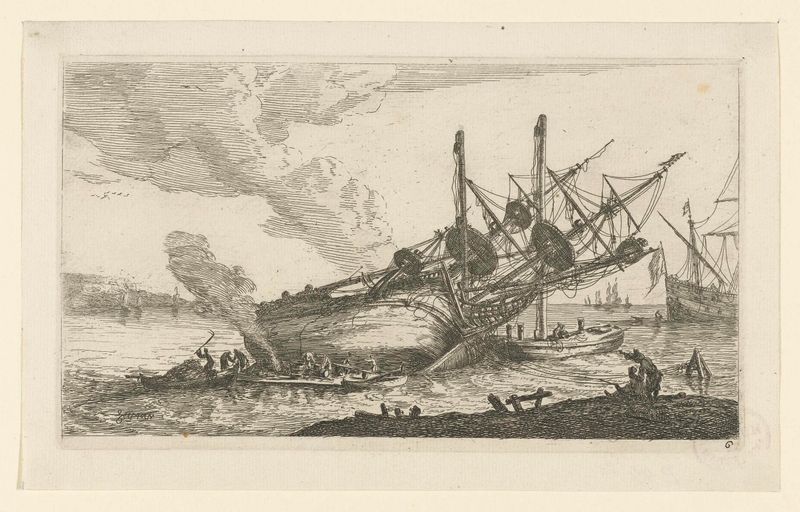
Reparaties aan de romp van een schip
Reinier Nooms
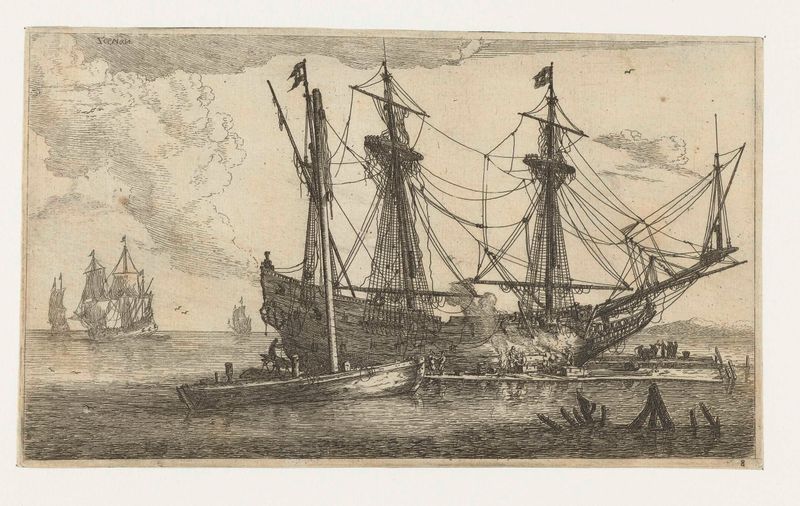
Reparaties aan de romp van een schip
Reinier Nooms





