
Waterdichtmaken van de rompen van twee schepen — History & Facts
In Waterdichtmaken van de rompen van twee schepen, movement is captured not only in the figures but also in the ever-present tension of the moment, where labor and artistry entwine. The stillness of the harbor contrasts with the dynamic activity of the shipwrights, who bend and stretch, their bodies echoing the very waves that surround them. Focus first on the striking contrast between the warm, earthy tones of the shipbuilders’ garments and the cool, muted blues of the water. Notice how the light dances upon the hulls, illuminating the meticulous work of repairing the vessels.
Each figure, poised in an intricate balance of labor, draws the viewer’s eye to their hands, emphasized by the artist’s deft brushwork. The composition invites exploration, leading to the intricate details of tools and materials, revealing the craftsmen’s dedication. Yet, beneath the surface, the painting speaks to the ephemeral nature of labor and creation. The seamless intersection of man and nature reflects an industry enduring against the tides of time.
Each ship, a testament to human endeavor, represents not just a vessel, but a journey, and their repair hints at restoration amid the inevitable wear of life. The quiet urgency of the moment resonates deeply, suggesting that every motion carries a weight of history and hope. Reinier Nooms created this piece between 1650 and 1664, during a time when maritime trade was booming in the Netherlands. An artist renowned for his seascapes and depictions of maritime life, Nooms found inspiration in the bustling activity of shipyards, reflecting the vibrancy of a society intertwined with the sea.
This work captures both the immediacy of labor and the broader narratives of progress and resilience in a rapidly changing world.
More Artworks by Reinier Nooms
Browse all →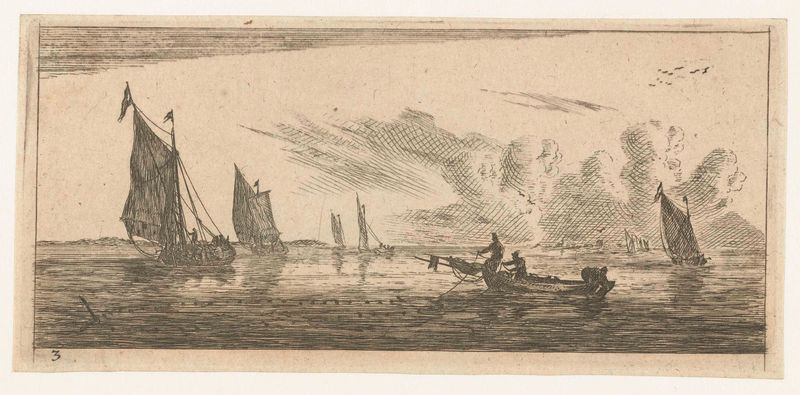
Zeegezicht met verschillende zeilschepen
Reinier Nooms
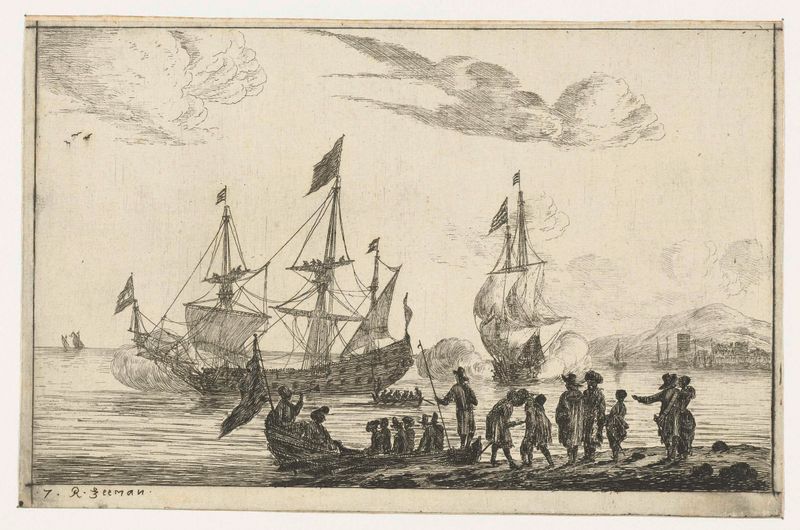
Havenscène met een spiegelsloep
Reinier Nooms
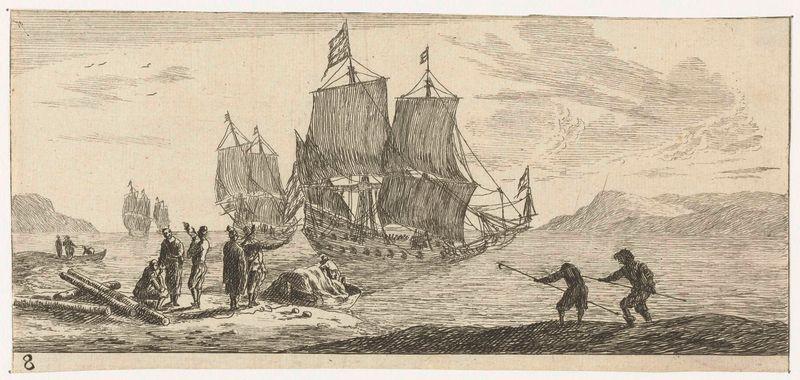
Vier grote zeilschepen in een baai
Reinier Nooms
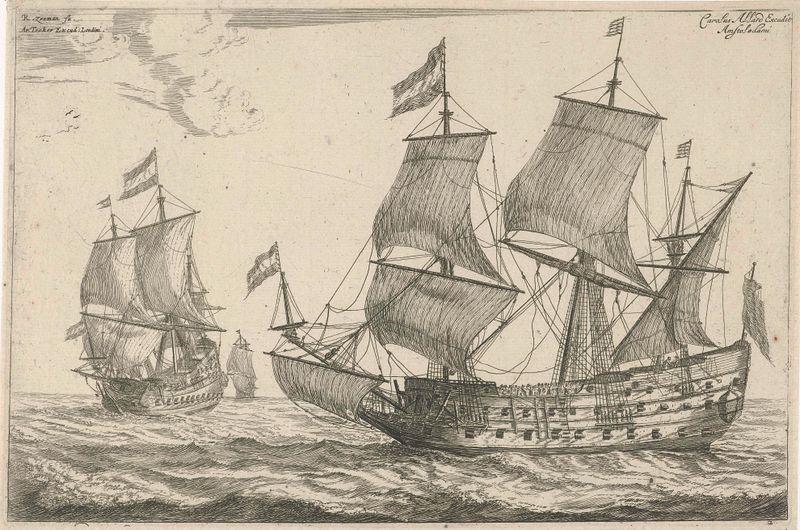
Twee grote oorlogsschepen
Reinier Nooms
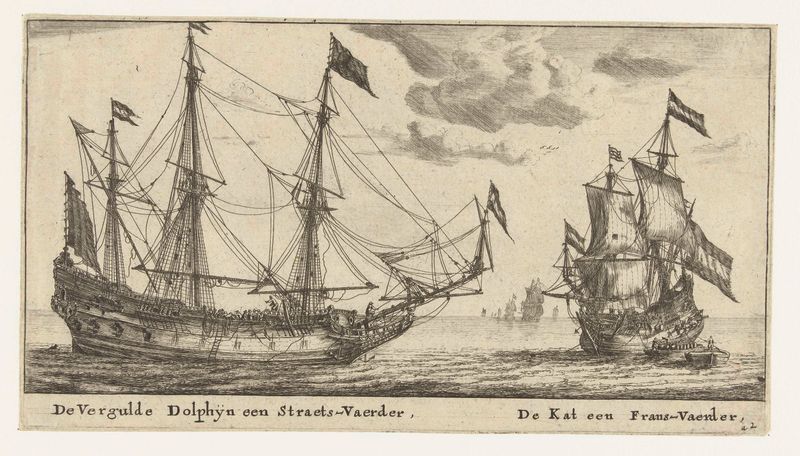
De schepen De Vergulde Dolfijn en De Kat
Reinier Nooms
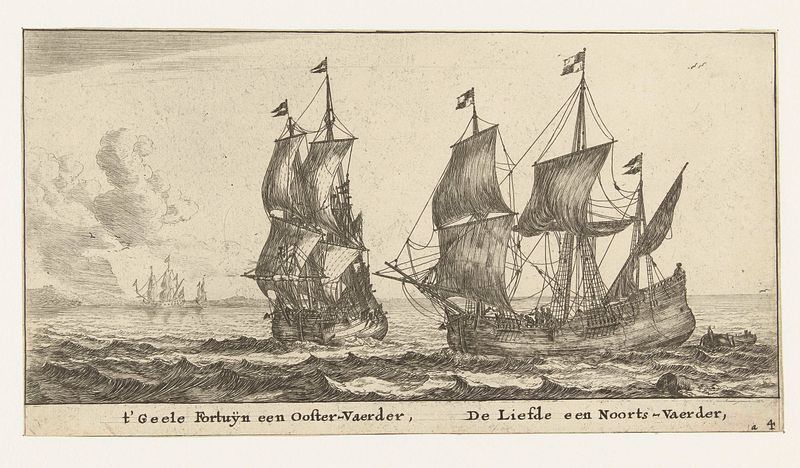
De schepen 't Gele Fortuin en De Liefde
Reinier Nooms
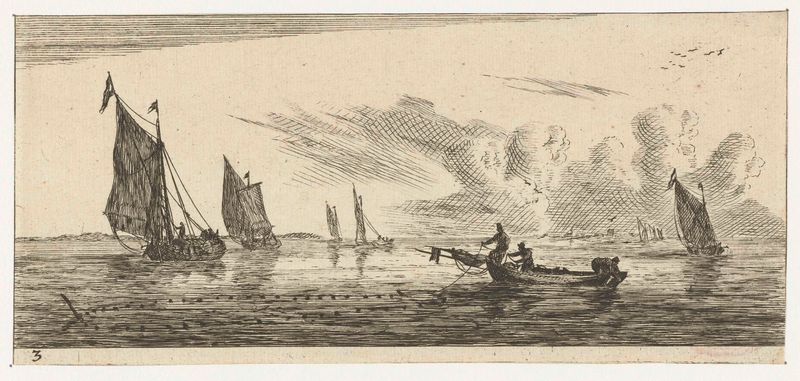
Zeegezicht met verschillende zeilschepen
Reinier Nooms
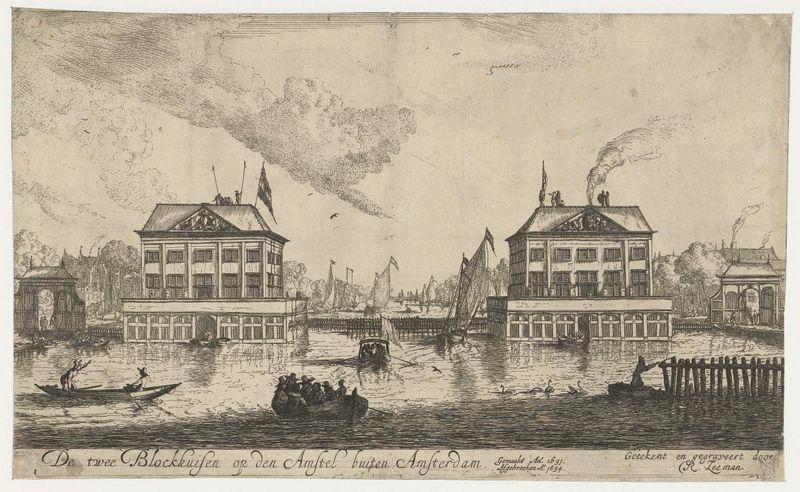
Gezicht op de twee Blokhuizen in de Amstel
Reinier Nooms
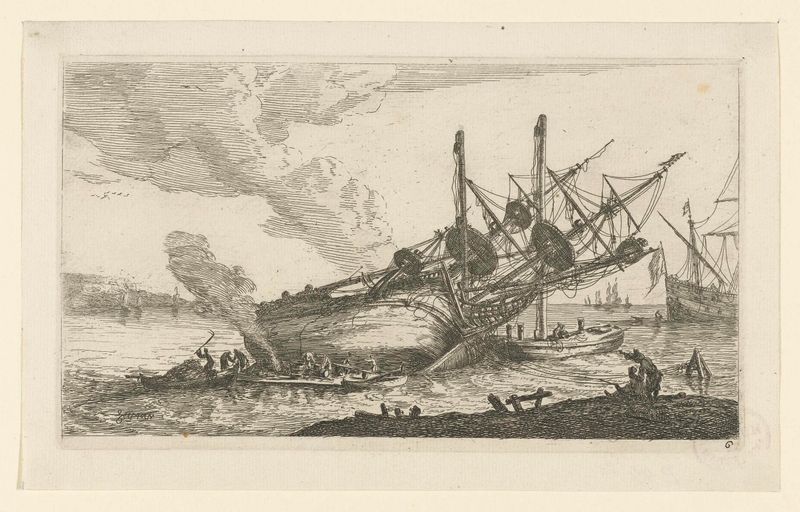
Reparaties aan de romp van een schip
Reinier Nooms
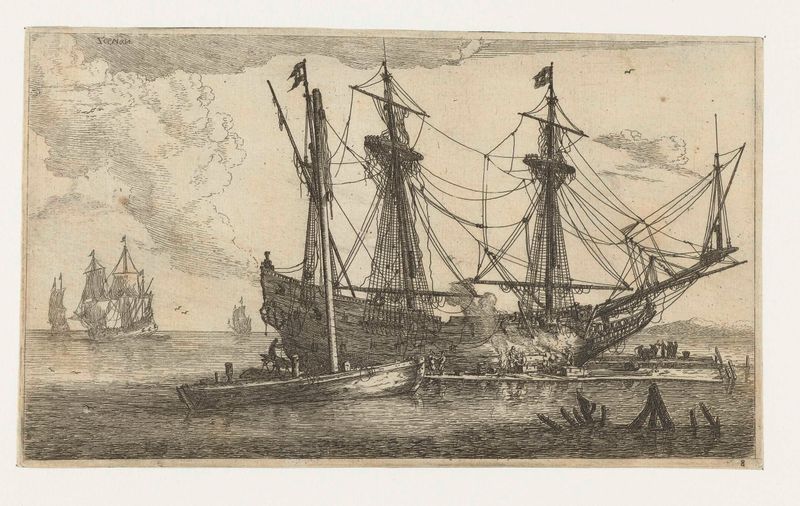
Reparaties aan de romp van een schip
Reinier Nooms





