
Waterfall in Norway — History & Facts
Can beauty exist without sorrow? In Waterfall in Norway, the majestic natural scene unfolds, inviting contemplation of the interplay between light and shadow. Look to the center of the canvas where the waterfall cascades majestically, its white froth contrasting sharply with the dark, rugged rocks that cradle it. The artist employs a palette rich in greens and earthy browns, providing a vibrant yet somber backdrop that draws the eye. Notice how the sunlight filters through the cloud-laden sky, illuminating portions of the landscape while casting ominous shadows that hint at secrets hidden within the depths of the forest. In this work, the duality of nature is palpable.
The water's relentless movement symbolizes life and vitality, yet the shadowy recesses surrounding it evoke a sense of foreboding and melancholy. The vibrant hues of the foliage are juxtaposed with darker tones, representing the tension between joy and despair. Each brushstroke reveals not just the beauty of the scene but also the complexities of emotion that accompany it. Created during a time of profound change in the art world, the artist crafted Waterfall in Norway in the 17th century, when Dutch landscape painting was gaining prestige.
Living in a period marked by exploration and a deepening appreciation for nature, he not only captured the essence of Norway’s rugged terrain but also sought to elevate the landscape genre, reflecting a tumultuous but transformative era in art history.
More Artworks by Jacob van Ruisdael
Browse all →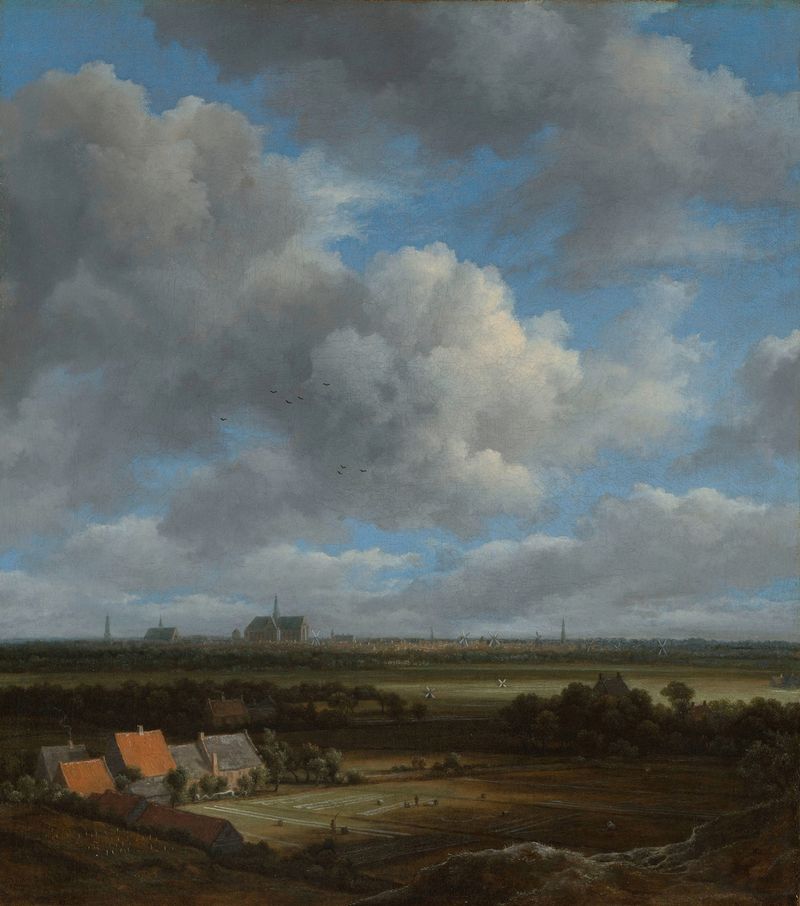
View of Haarlem from the Northwest, with the Bleaching Fields in the Foreground
Jacob van Ruisdael
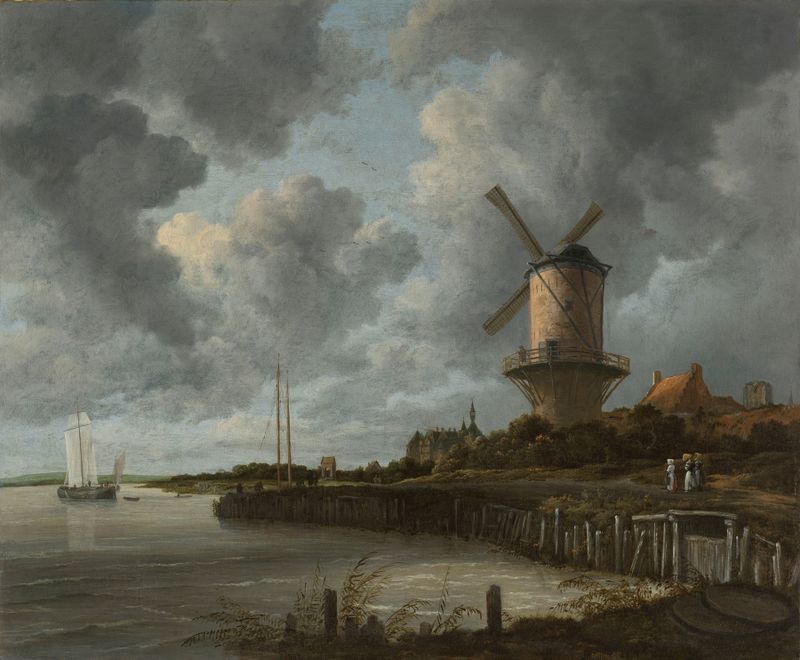
The Windmill at Wijk bij Duurstede
Jacob van Ruisdael
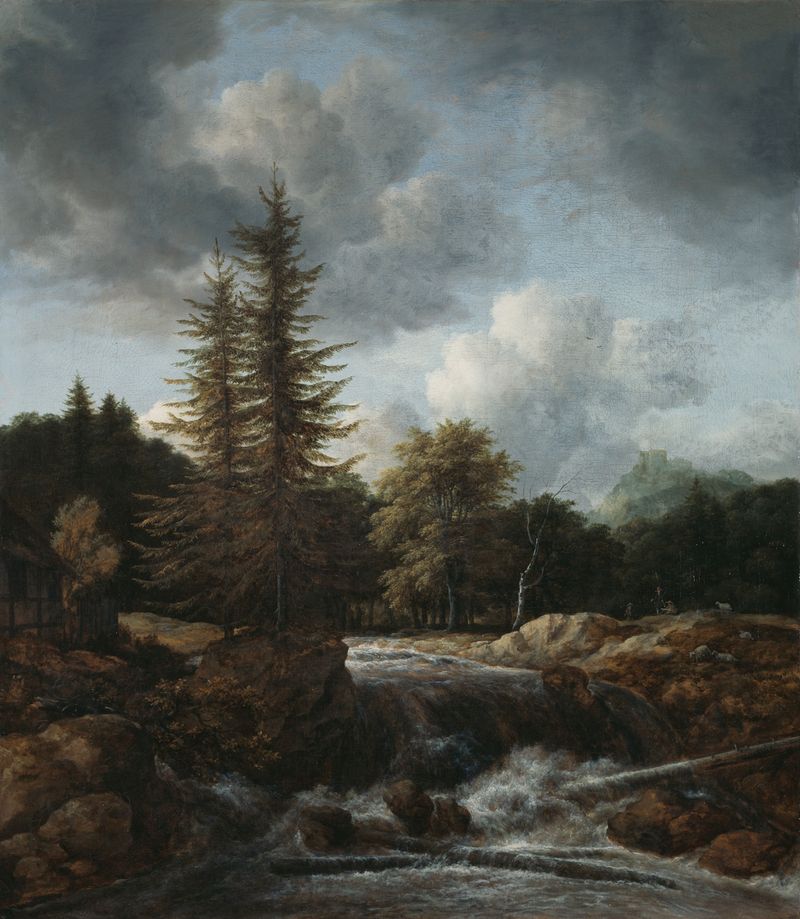
Landscape with Waterfall
Jacob van Ruisdael
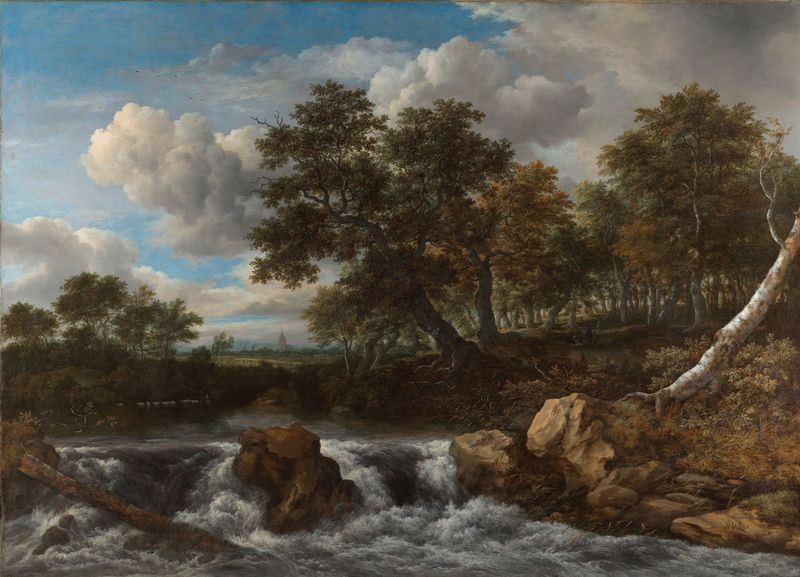
Landscape with Waterfall
Jacob van Ruisdael
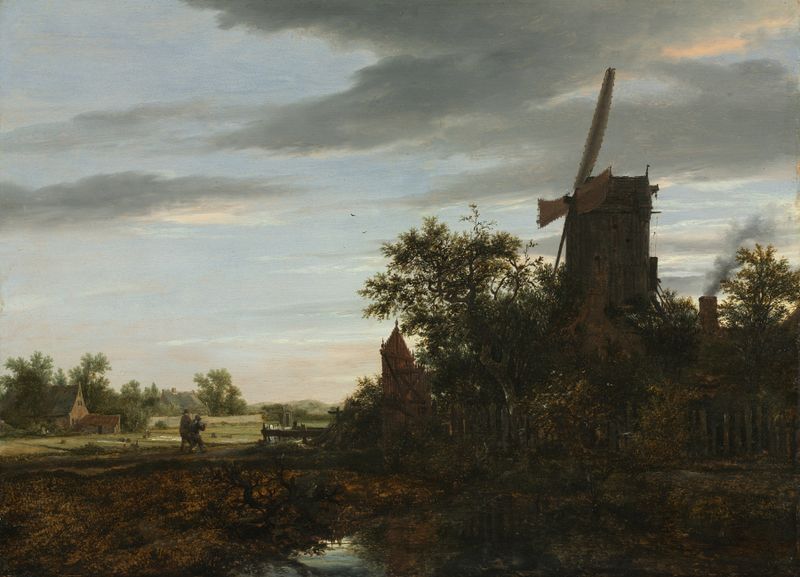
Landscape with a Windmill
Jacob van Ruisdael

Wooded hillside with a view of Bentheim Castle
Jacob van Ruisdael
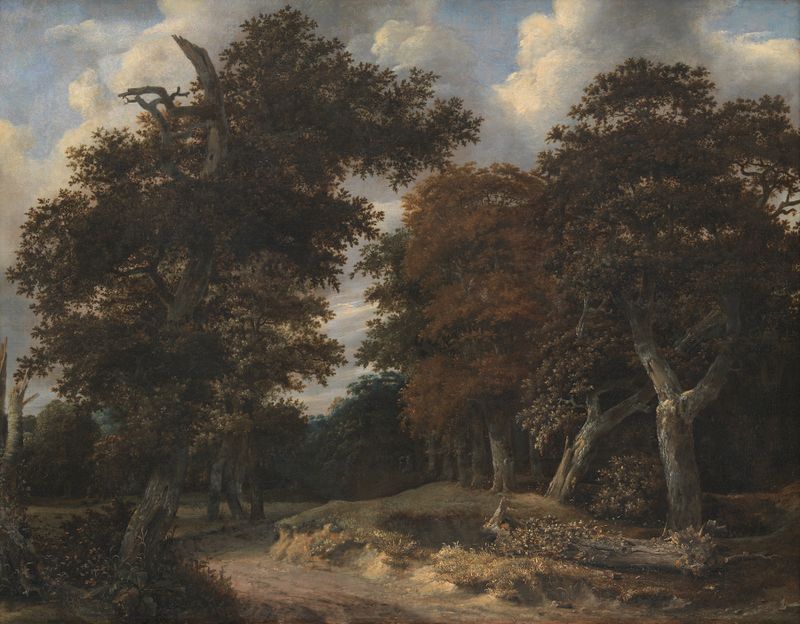
Road through an Oak Forest
Jacob van Ruisdael

Landscape with a Church
Jacob van Ruisdael

The Forest Stream
Jacob van Ruisdael

The Jewish Cemetery
Jacob van Ruisdael





