
Waterfall in the Foothills (Norwegian Waterfall) — History & Facts
In the depths of nature, where the heart seeks its echoes, yearning becomes palpable. A cascade of water tumbles over jagged rocks, whispering secrets to the verdant landscape, a reminder of both beauty and transience. Look to the center where the waterfall crashes down, its frothy white spray creating a striking contrast against the dark, earthy tones of the surrounding cliffs. The deep greens and browns ground the scene, while patches of light filter through the clouds above, illuminating the foliage in an ethereal glow.
Notice how the brushstrokes capture the fluid motion of the water, lending an almost palpable energy to the serene backdrop of distant hills. The composition invites the viewer to wander, urging your gaze to travel through the rugged terrain, where every detail holds significance. In the interplay of light and shadow, one can sense the weight of solitude and the relentless passage of time. The contrast between the powerful waterfall and the serene landscape hints at a deeper emotional narrative of yearning for connection, reflected in the tranquility and tumult of nature.
Each element in the painting speaks to the duality of life—beauty intertwined with melancholy, the ephemeral presence of water reminiscent of fleeting emotions. Created in 1670, this piece emerges from a period in which the artist grappled with themes of nature and the sublime. Living in the Dutch Golden Age, Jacob van Ruisdael sought to marry realism with emotional depth, capturing landscapes that evoke introspection. Influenced by the changing perceptions of nature and its representation in art, this work stands as a poignant reminder of the human experience intertwined with the natural world.
More Artworks by Jacob van Ruisdael
Browse all →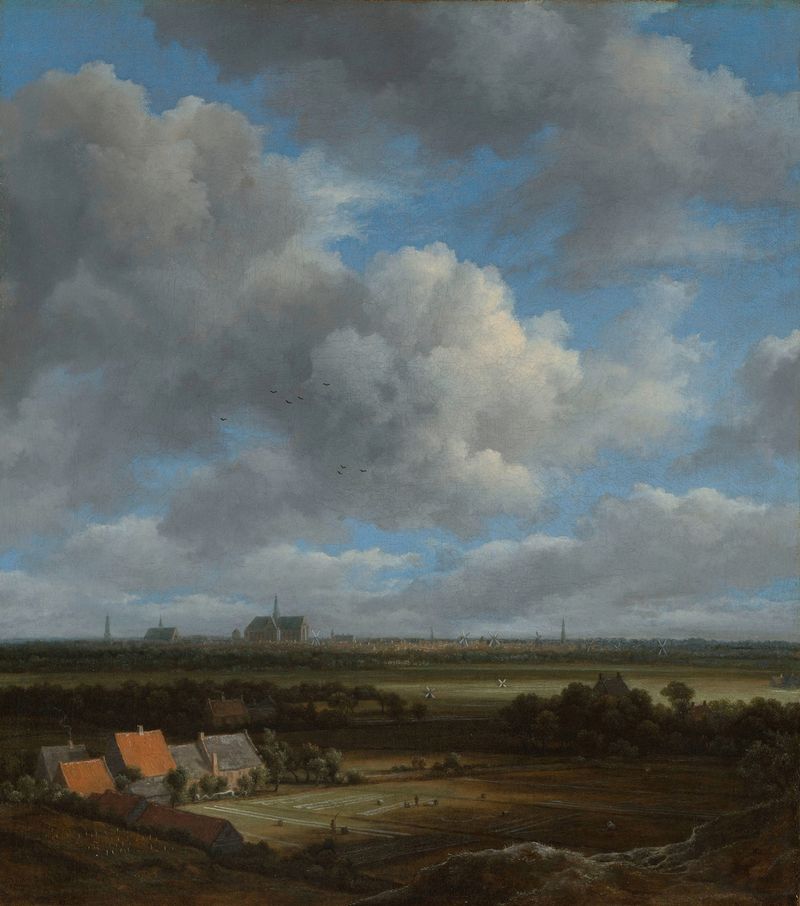
View of Haarlem from the Northwest, with the Bleaching Fields in the Foreground
Jacob van Ruisdael
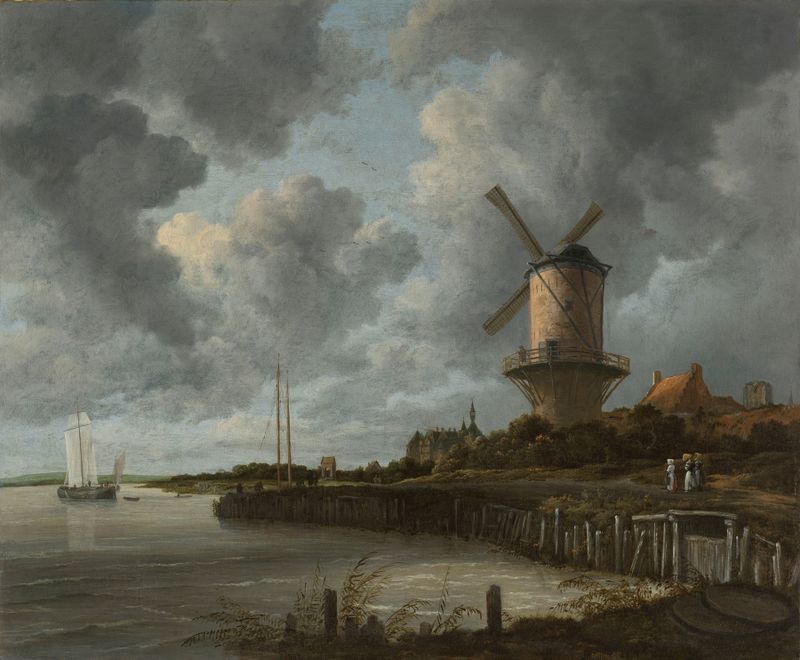
The Windmill at Wijk bij Duurstede
Jacob van Ruisdael
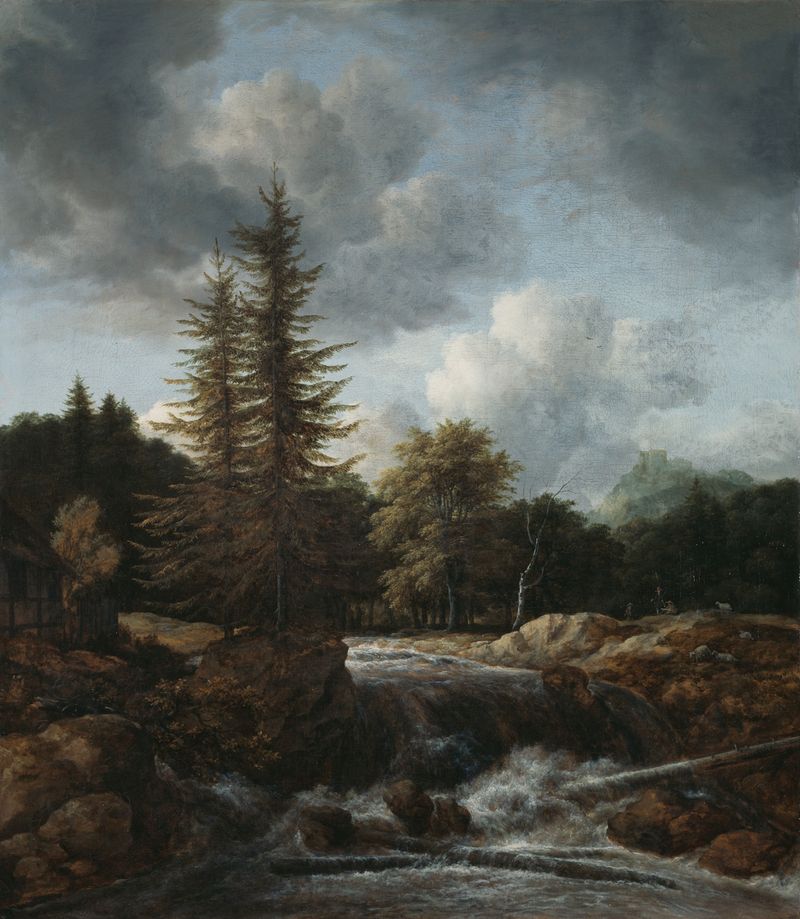
Landscape with Waterfall
Jacob van Ruisdael
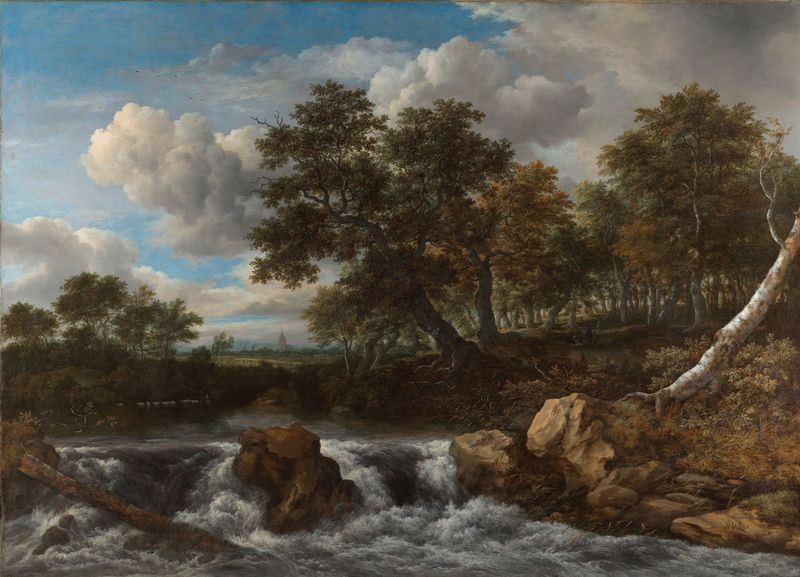
Landscape with Waterfall
Jacob van Ruisdael
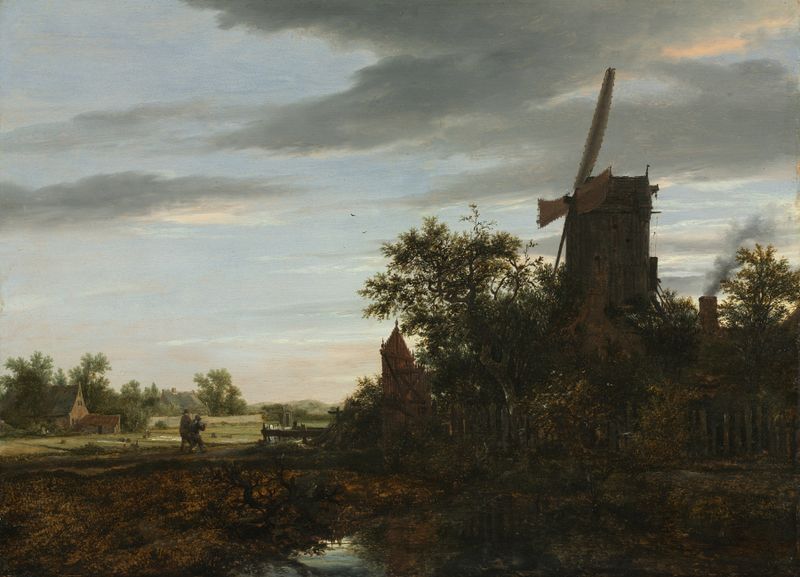
Landscape with a Windmill
Jacob van Ruisdael

Wooded hillside with a view of Bentheim Castle
Jacob van Ruisdael
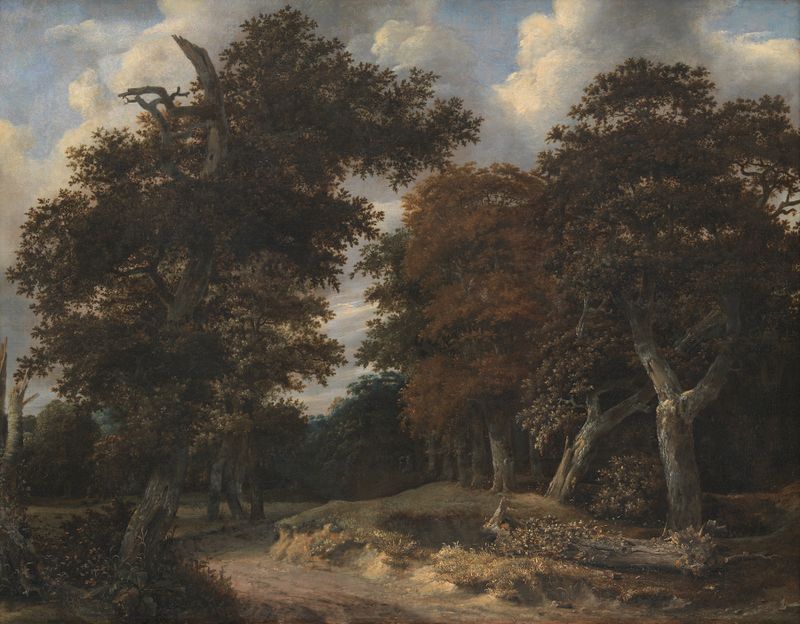
Road through an Oak Forest
Jacob van Ruisdael

Landscape with a Church
Jacob van Ruisdael

The Forest Stream
Jacob van Ruisdael

The Jewish Cemetery
Jacob van Ruisdael





