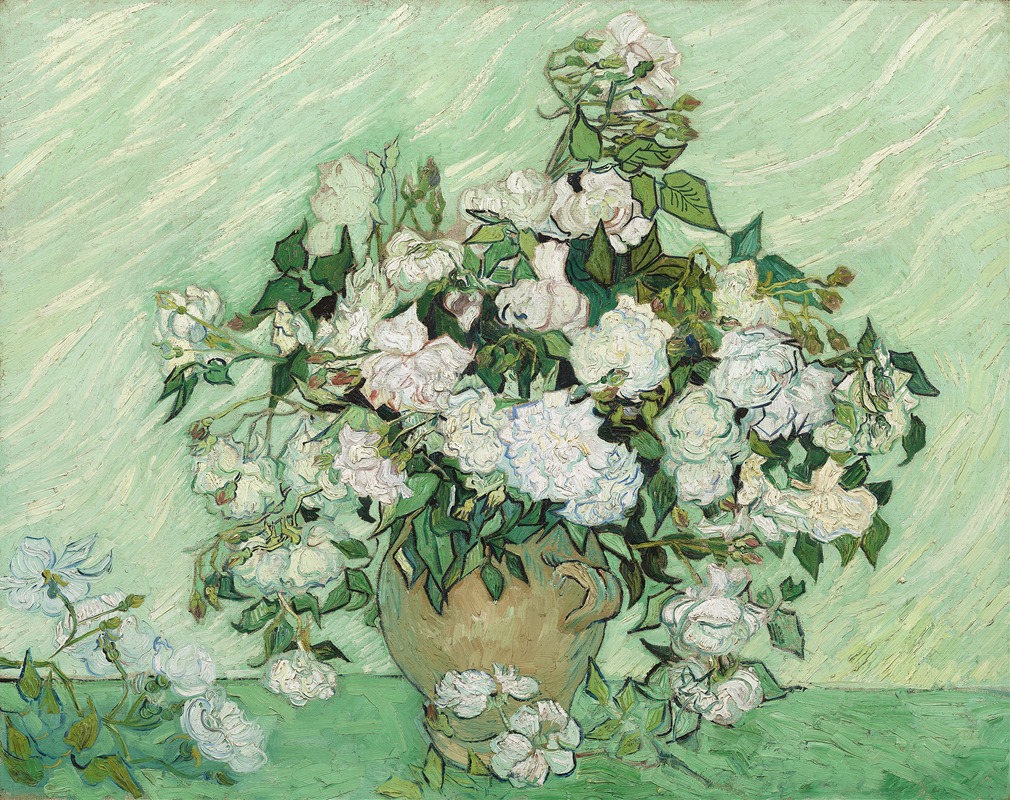
Discover insights about this artwork
Waterlilies — History & Facts
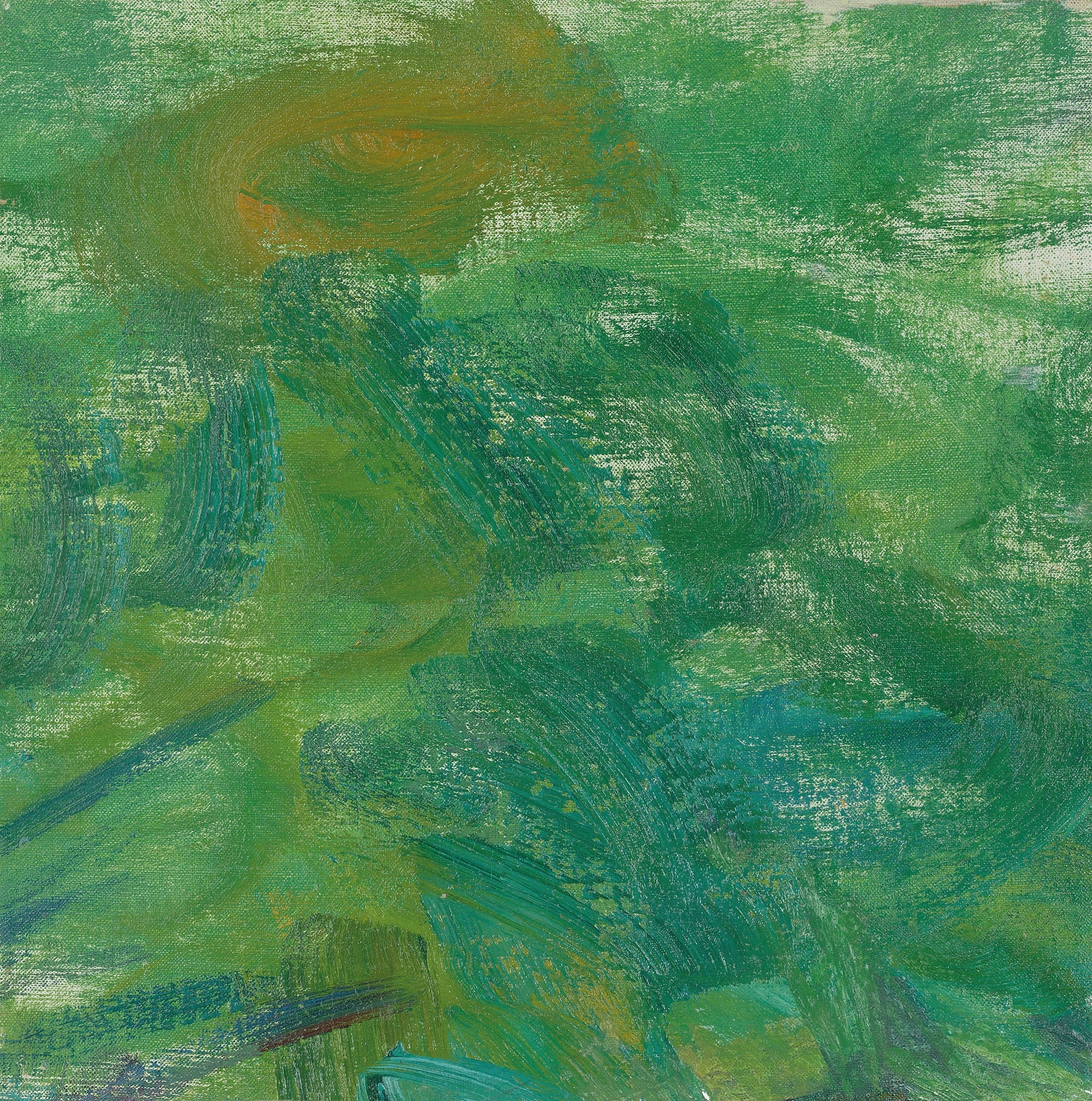
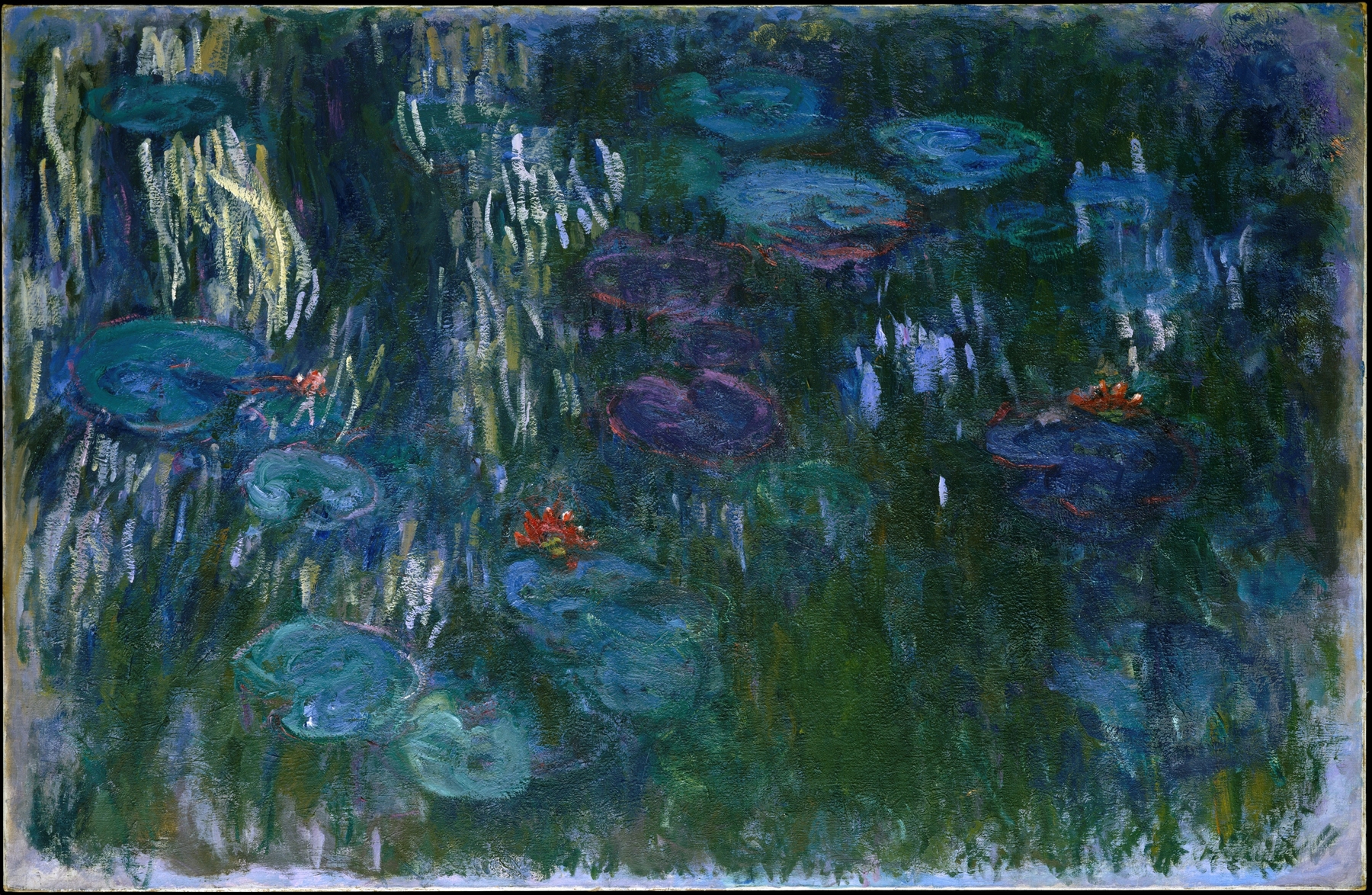
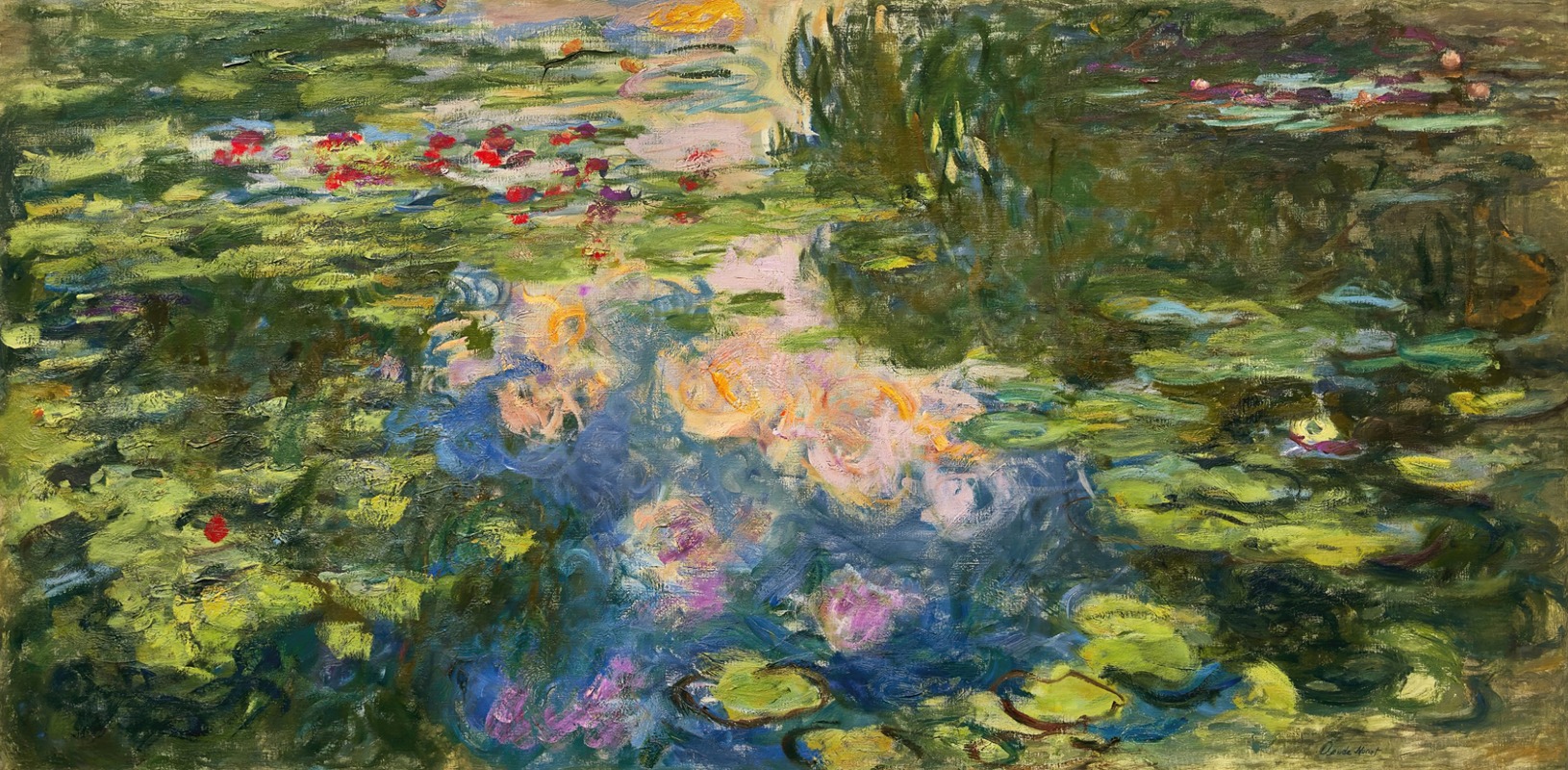
In Waterlilies, Claude Monet presents a serene water scene filled with floating lilies. The painting is dominated by soft blues and greens, creating a tranquil atmosphere. Dabs of pink and white represent the flowers, while reflections shimmer on the water's surface.
The overall effect is one of harmony and peace, inviting viewers into a natural oasis. Monet employs oil on canvas to create Waterlilies, a hallmark of his Impressionist style. The brushwork is loose and fluid, allowing colors to blend and flow into one another. This technique captures the fleeting effects of light and water, a central theme in Monet's work.
The dimensions of the painting are approximately 200 x 300 cm, making it a large and impactful piece. Waterlilies is part of a series that Monet painted during his later years, reflecting his deep connection to nature. Interestingly, Monet created this work while he was living at Giverny, where he cultivated a beautiful garden. This series is often seen as a culmination of his exploration of color and light.
Monet's dedication to capturing the essence of his surroundings makes this painting a significant contribution to Impressionism.
More Artworks by Claude Monet
Water Lilies
Claude Monet
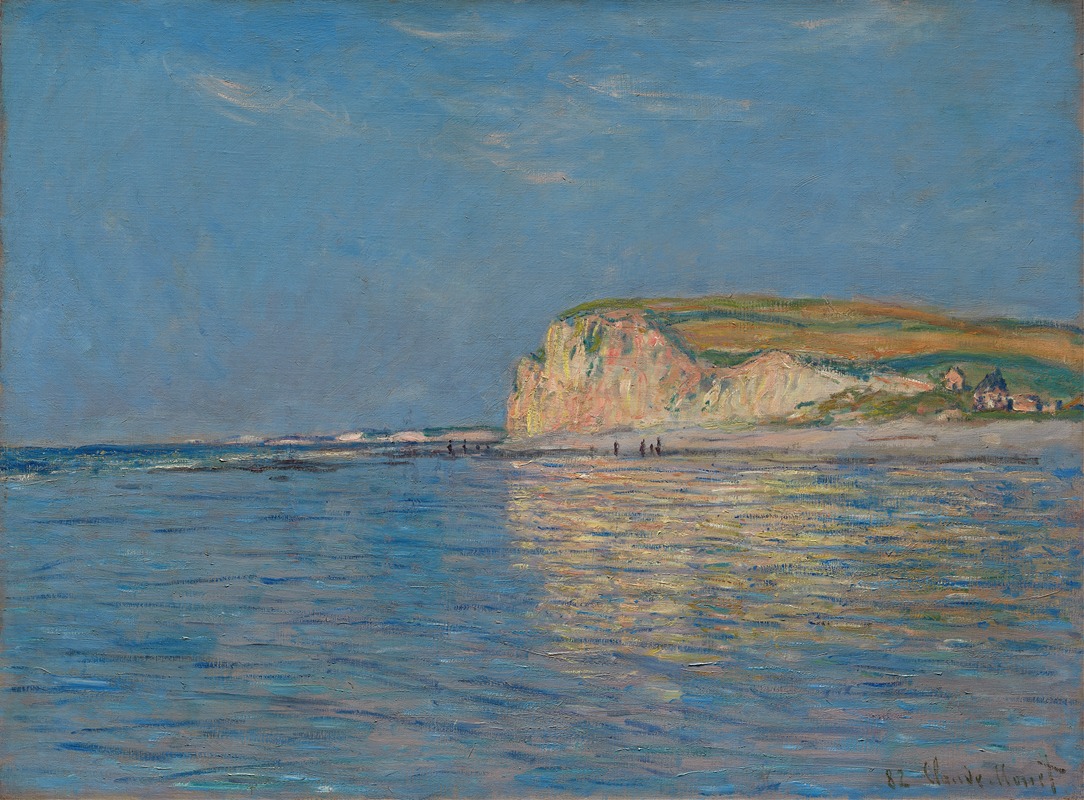
Low Tide at Pourville, near Dieppe
Claude Monet
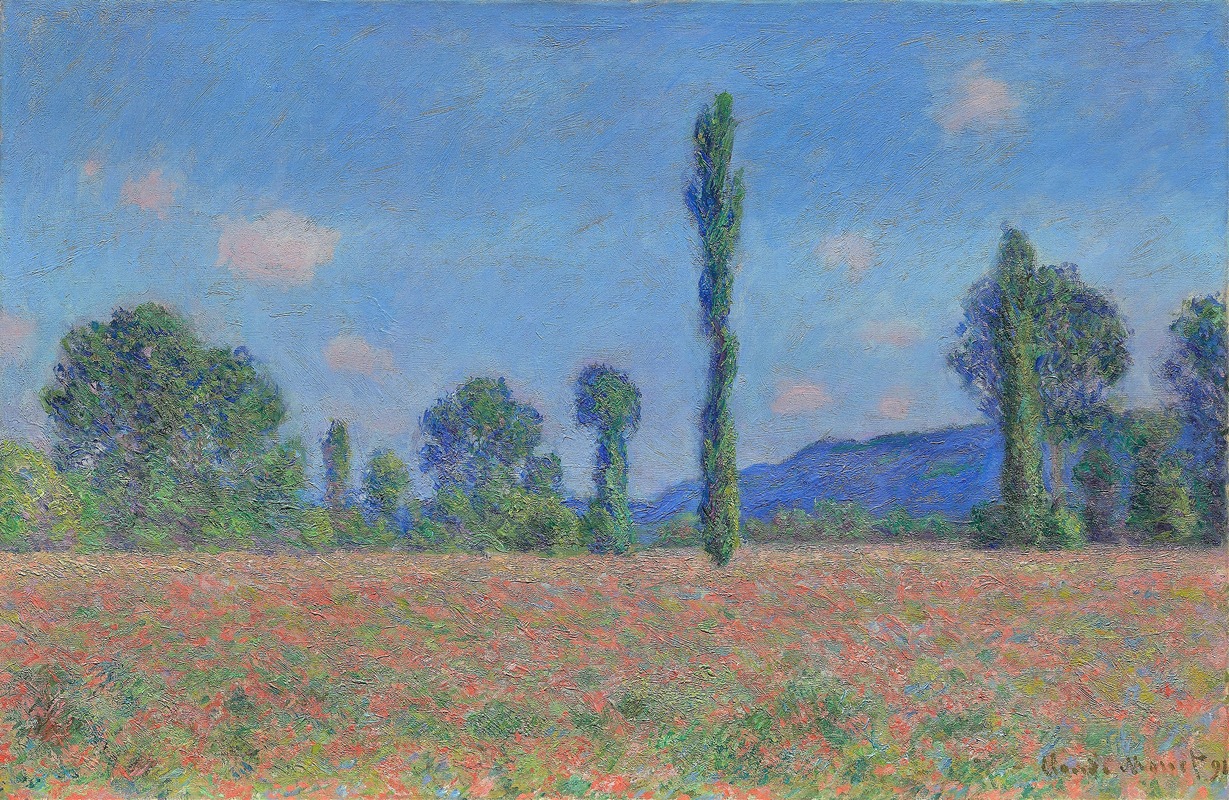
Poppy Field (Giverny)
Claude Monet
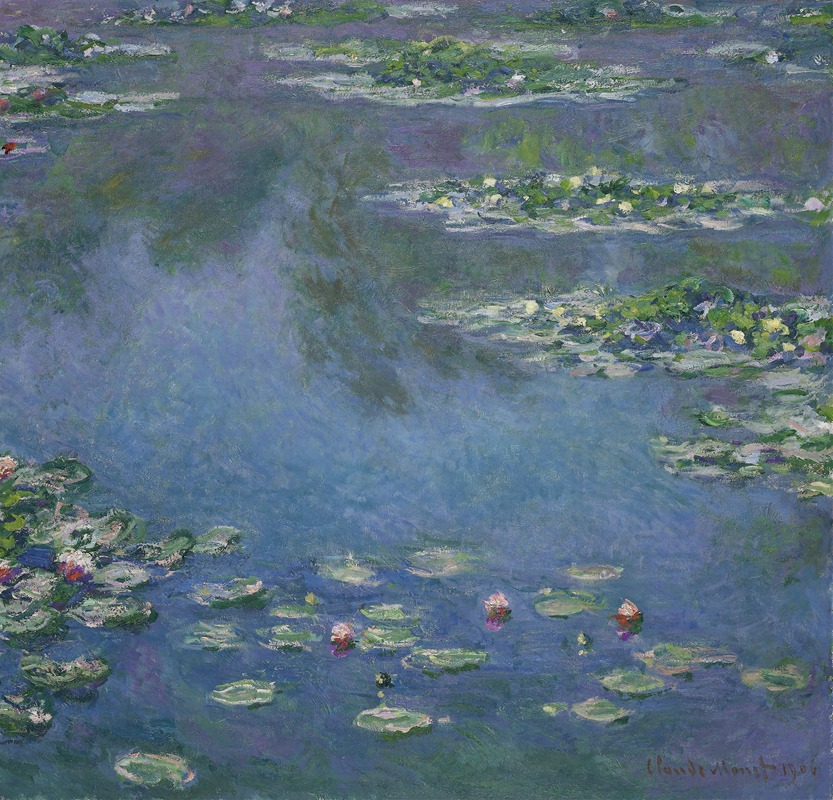
Water Lilies
Claude Monet
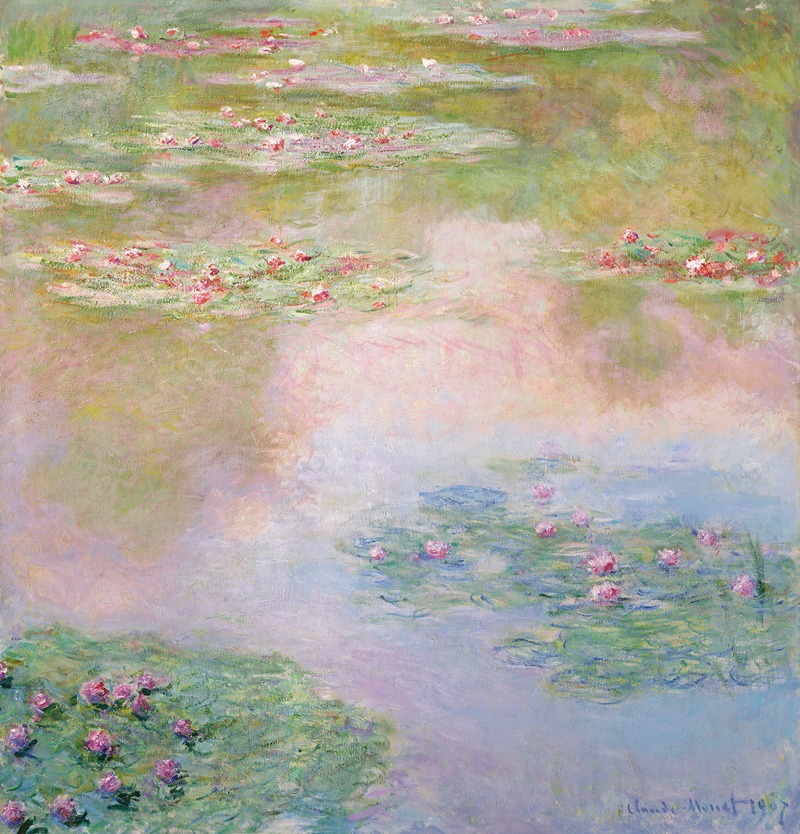
Nymphéas
Claude Monet
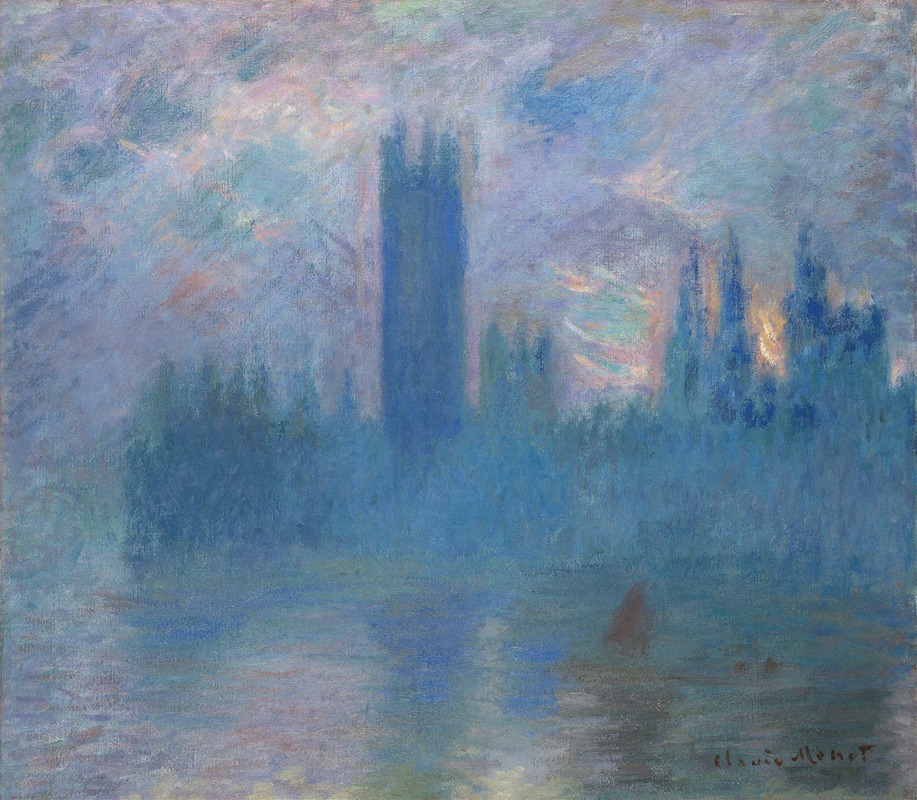
Houses of Parliament, London
Claude Monet
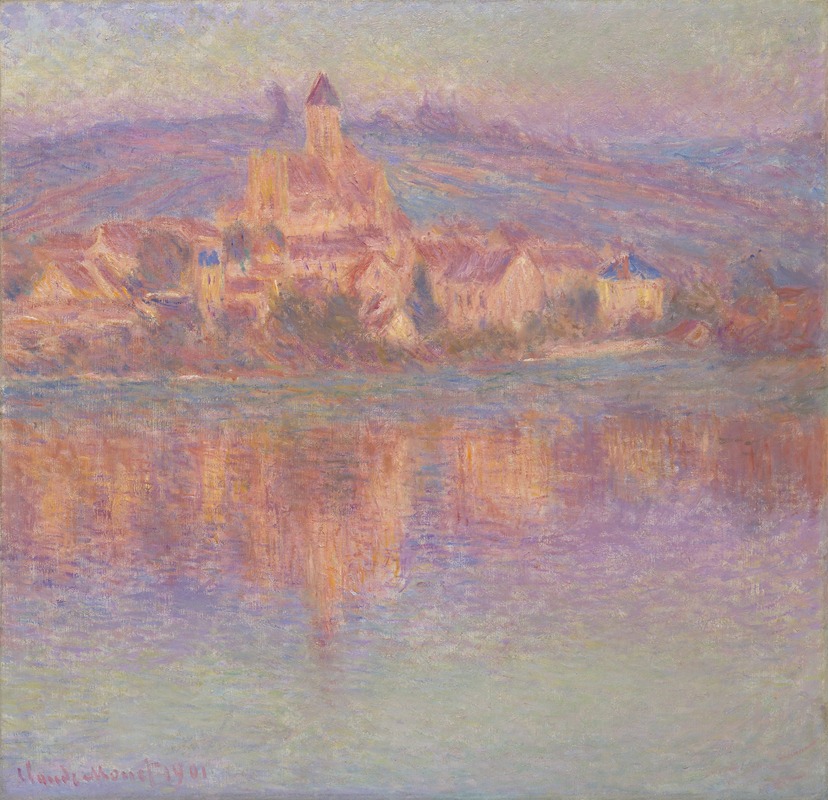
Vétheuil
Claude Monet
Le Bassin aux nymphéas
Claude Monet
Waterloo Bridge
Claude Monet

Printemps à Giverny, effet d’après-midi
Claude Monet