Discover insights about this artwork
Waterlilies — History & Facts
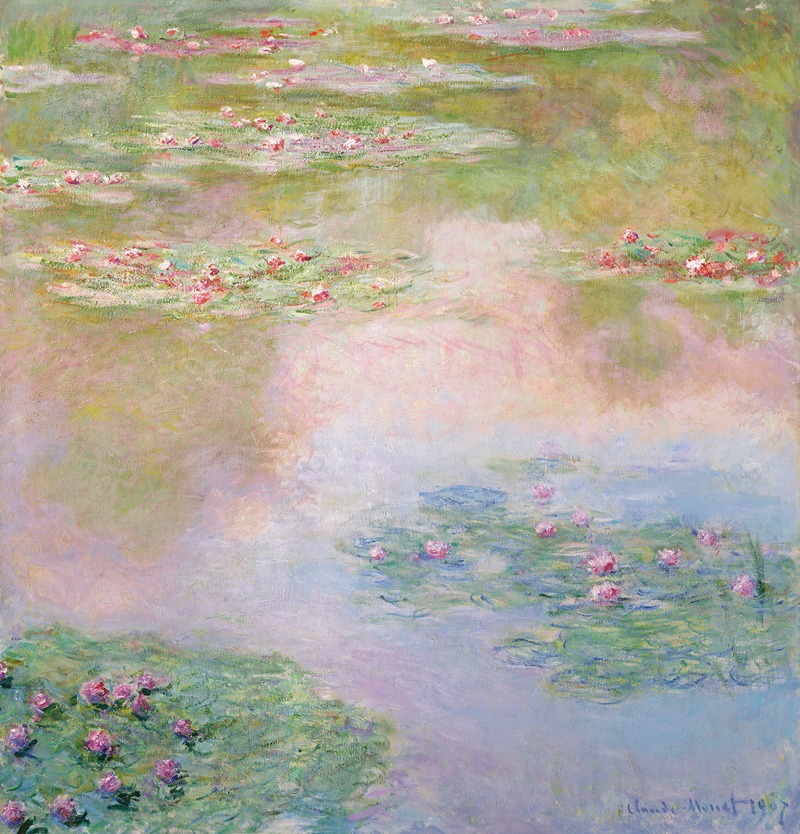
In Waterlilies, Claude Monet presents a serene landscape dominated by soft blues and greens. The painting features floating water lilies on a tranquil pond, reflecting the sky above. Dappled light dances across the surface, creating a sense of movement.
The overall effect is one of harmony and peace, inviting the viewer to immerse themselves in nature. Monet's technique in Waterlilies showcases his signature brushwork, with loose and expressive strokes. The colors blend seamlessly, creating a vibrant yet soothing palette. The composition is carefully balanced, with the placement of the lilies guiding the viewer's eye across the canvas.
This work exemplifies the Impressionist movement's focus on capturing light and atmosphere. Created in the late stages of Monet's career, Waterlilies reflects his deep connection to his garden in Giverny. This series of paintings became a significant part of his legacy, showcasing his innovative approach to color and light. Interestingly, Monet was known to have painted this series while battling cataracts, which influenced his perception of color.
Today, Waterlilies is celebrated as one of the most iconic works of Impressionism.
More Artworks by Claude Monet
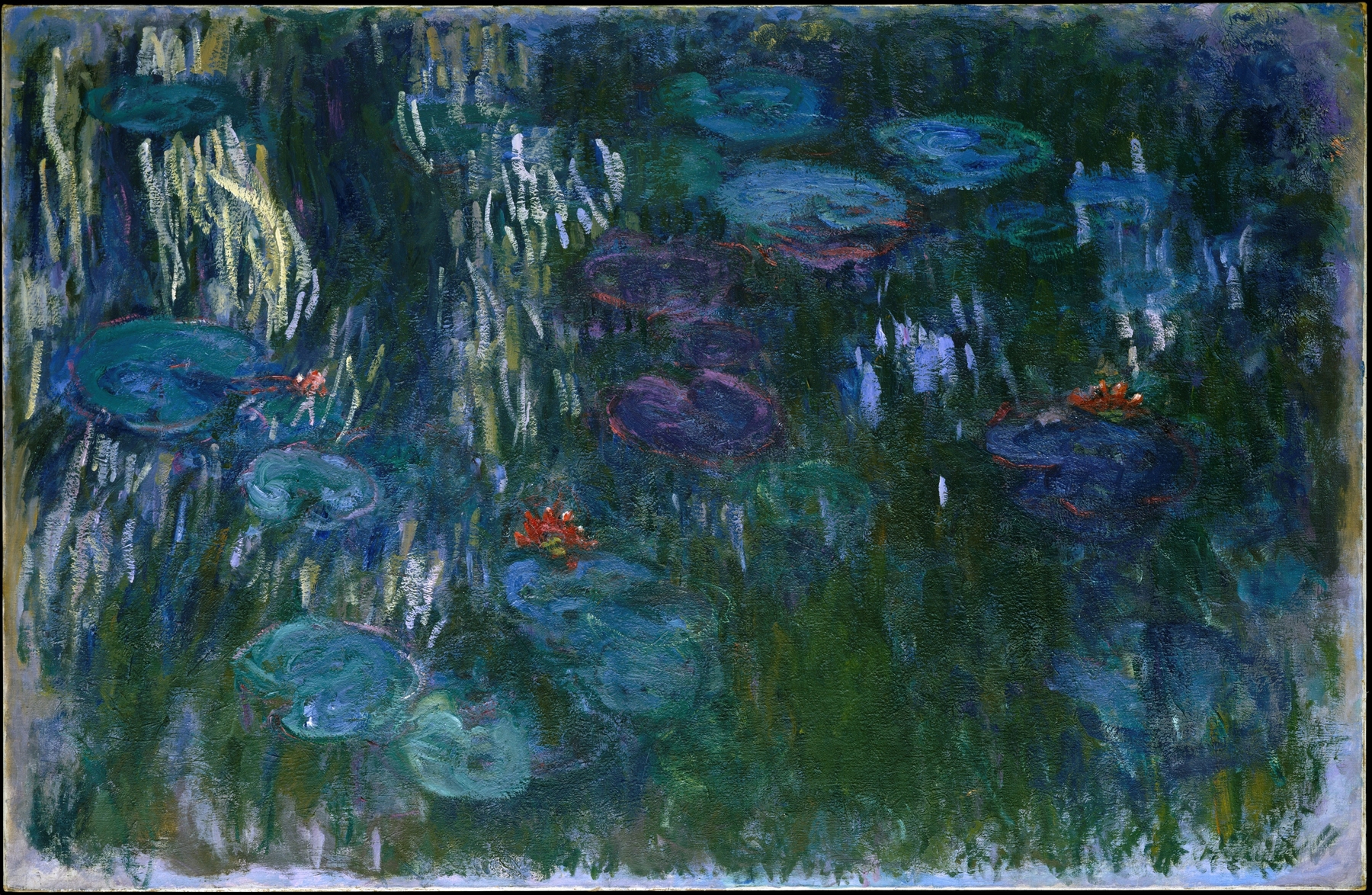
Water Lilies
Claude Monet
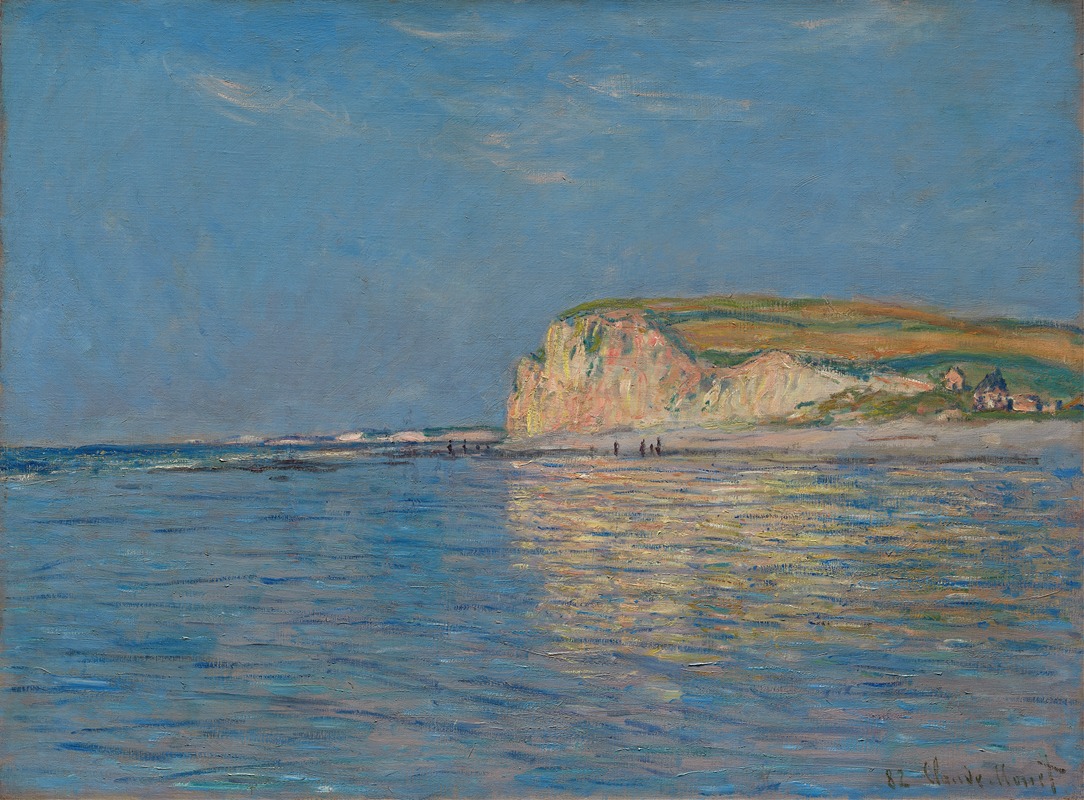
Low Tide at Pourville, near Dieppe
Claude Monet
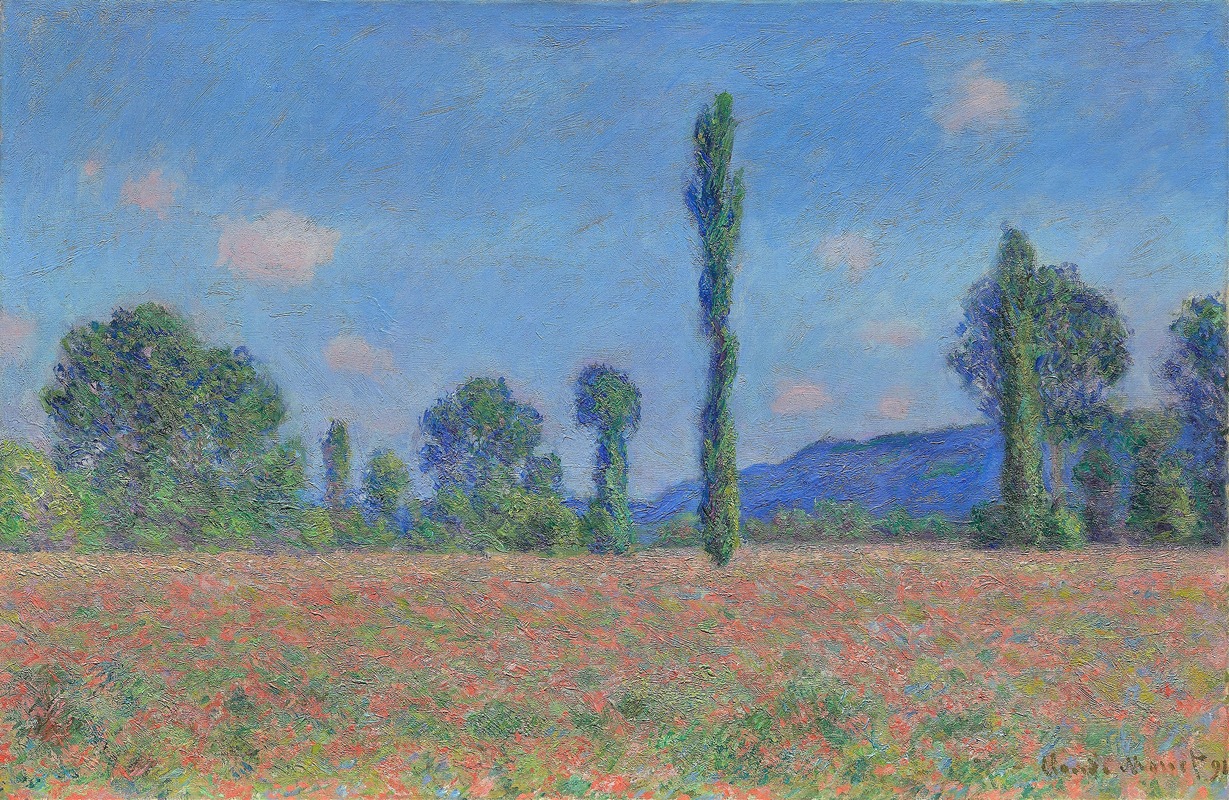
Poppy Field (Giverny)
Claude Monet
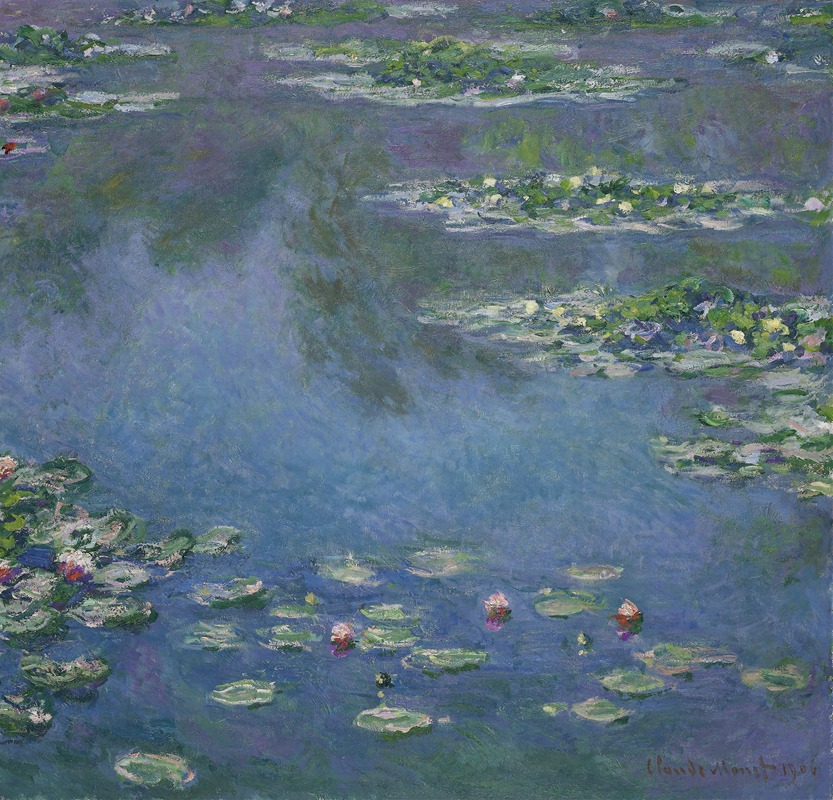
Water Lilies
Claude Monet
Nymphéas
Claude Monet
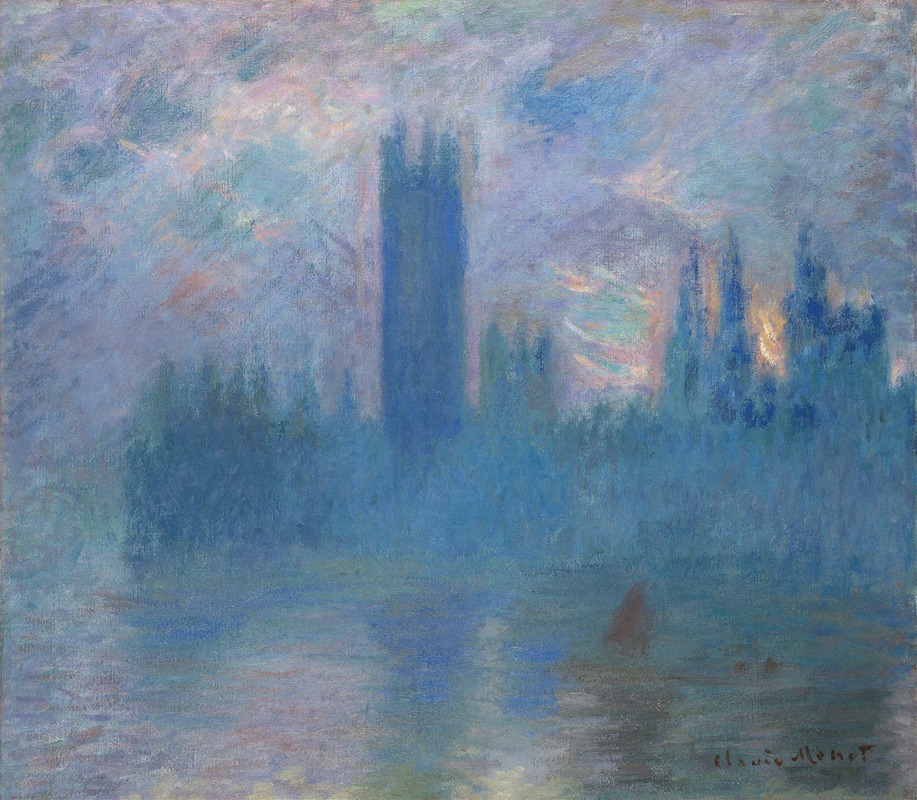
Houses of Parliament, London
Claude Monet
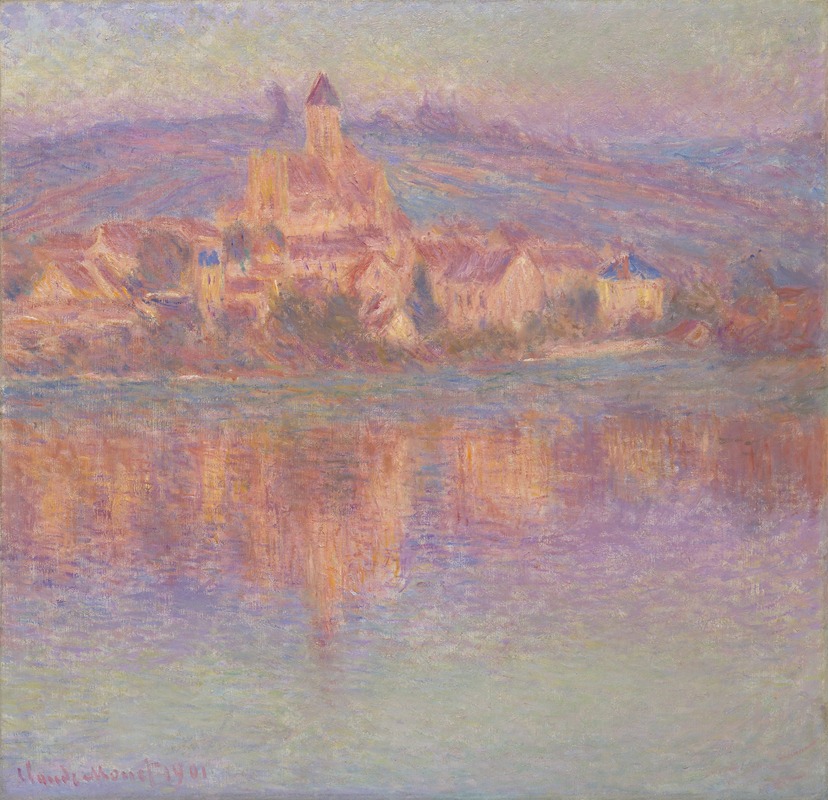
Vétheuil
Claude Monet
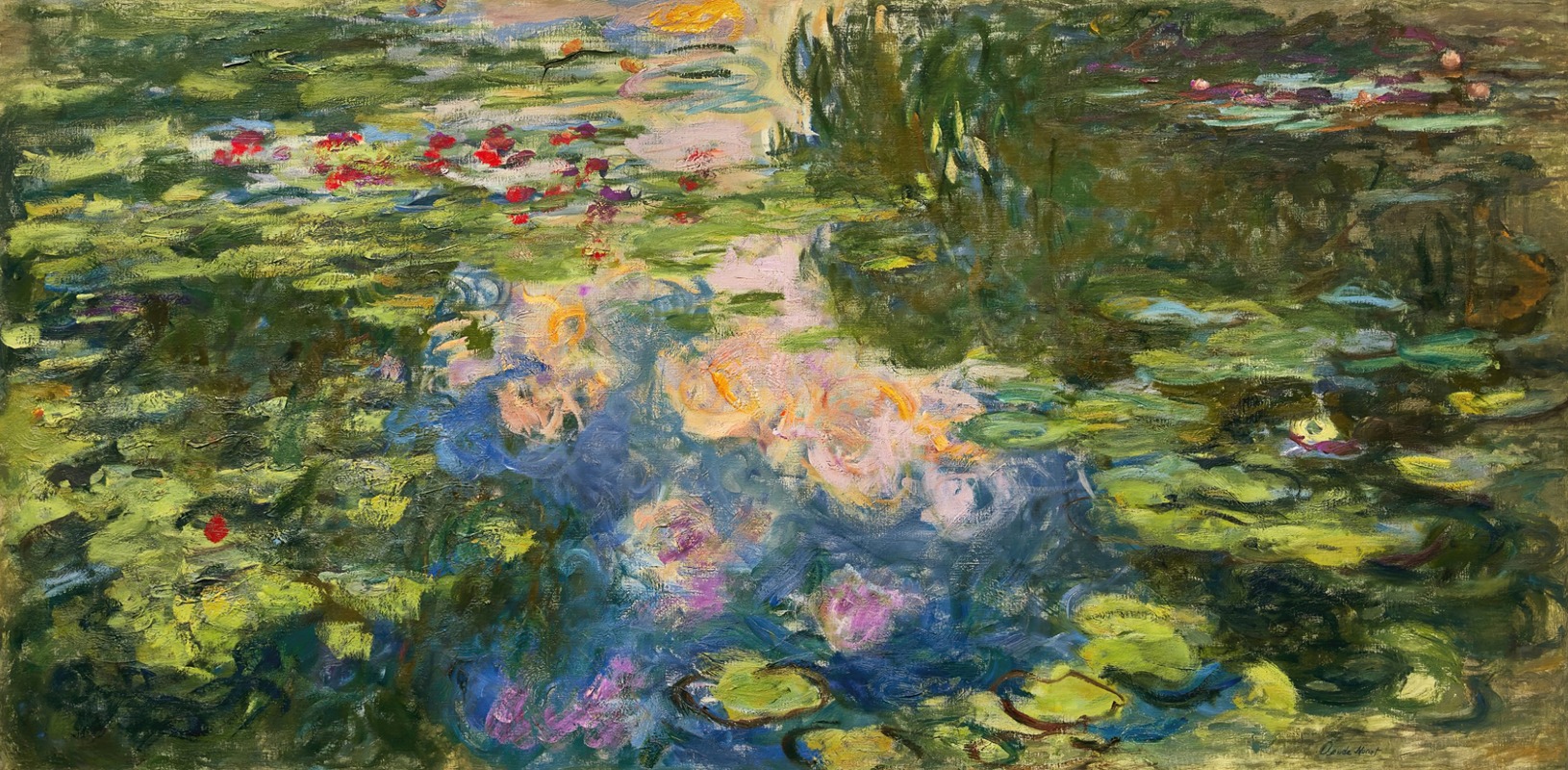
Le Bassin aux nymphéas
Claude Monet
Waterloo Bridge
Claude Monet

Printemps à Giverny, effet d’après-midi
Claude Monet