
Way to Calvary — History & Facts
The first thing to catch the eye in Way to Calvary is the sheer density of humanity pressed into the frame, all movement and steel, with the figure of Christ nearly lost in the chaos. The artist, Albrecht Dürer, chooses not to isolate his subject, but to submerge him in a river of soldiers, onlookers, and banners, so that the viewer must search for the story’s heart. Light slices through the tumult, picking out armor, faces, and the heavy wood of the cross, guiding us from the foreground’s struggle up to the distant city walls and towers.
The flag with its imperial eagle dominates the left, a reminder of worldly power, while the architecture on the right encloses the drama in stone. Every gesture is charged: a soldier’s outstretched arm, the whip poised to strike, the bent figure beneath the cross, the women in the foreground reaching out in grief or protest. This work, dated 1527, belongs to a world where religious images were both acts of devotion and declarations of civic identity. In the early sixteenth century, scenes of Christ’s Passion were commissioned by churches, guilds, and private patrons who sought both spiritual merit and public prestige.
Albrecht Dürer was famed across Europe for his technical precision and psychological insight, and his Passion scenes often reflect the anxieties and ambitions of a continent in religious and political upheaval. The crowded, almost theatrical composition here echoes the pageantry of public processions, while the detailed armor and banners root the biblical story in the artist’s own time. History has kept few traces of this specific work’s journey, but its date and style place it at the threshold of the Reformation, when images like this would soon become battlegrounds of faith.
Let your eyes wander through the press of figures and the maze of spears—every face and gesture is a clue to a world in turmoil.
More Artworks by Albrecht Dürer

Melancholia
Albrecht Dürer

St. George and the dragon.
Albrecht Dürer
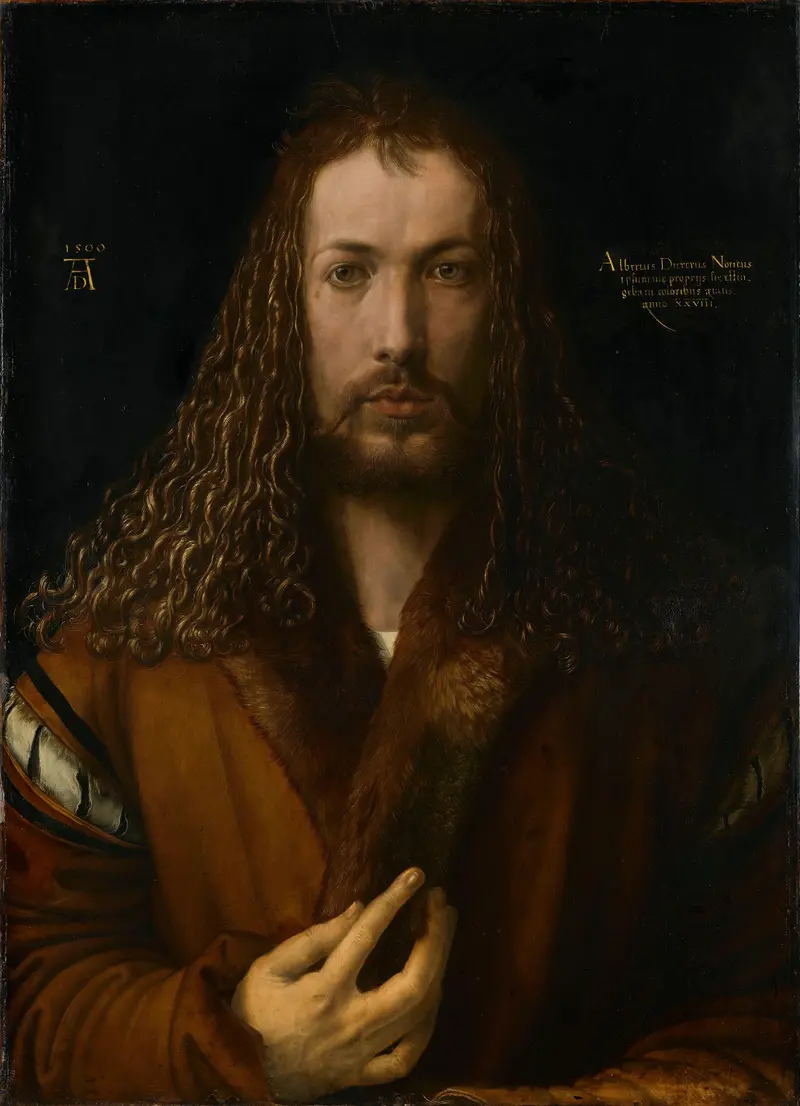
Self-Portrait with Fur-Trimmed Robe
Albrecht Dürer

Wing of a European Roller
Albrecht Dürer

Iris
Albrecht Dürer

The Great Piece of Turf
Albrecht Dürer
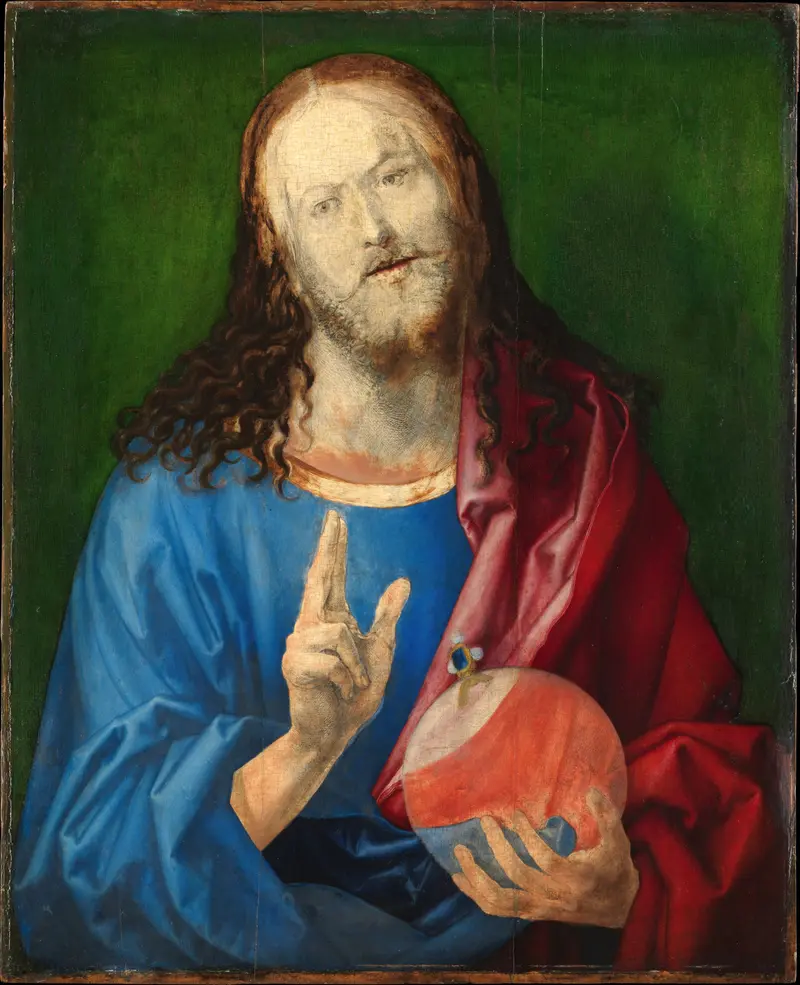
Salvator Mundi
Albrecht Dürer
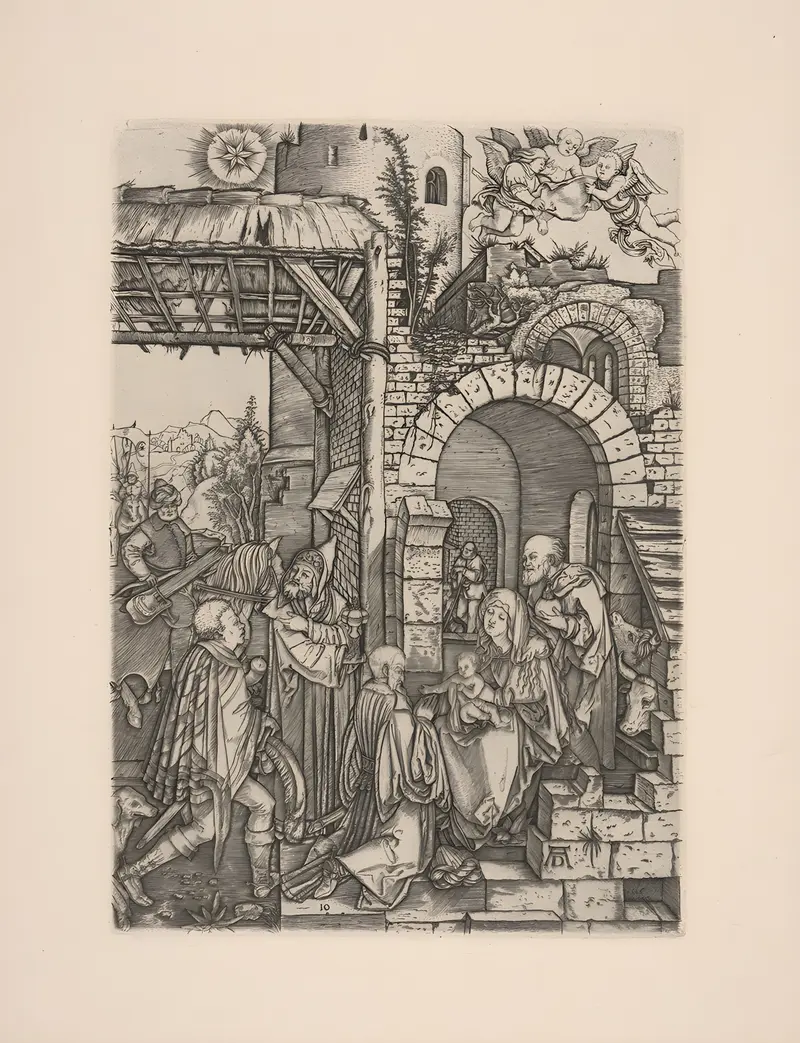
The Adoration of the Magi
Albrecht Dürer
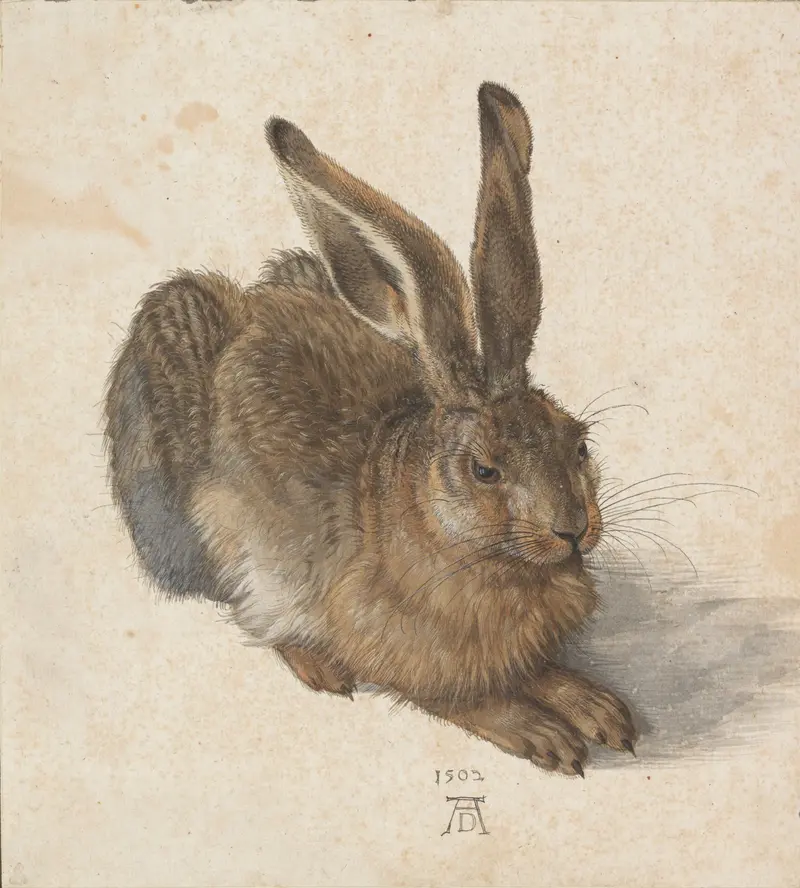
Young Hare
Albrecht Dürer
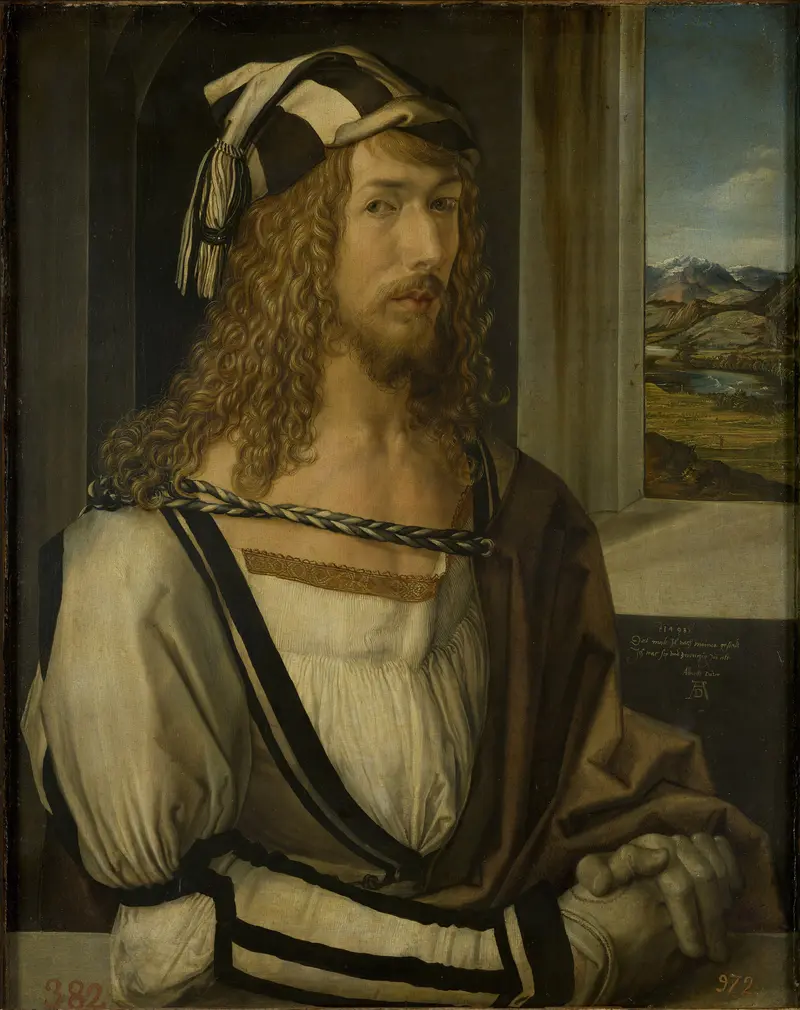
Self-portrait
Albrecht Dürer





