
Wayside shrine — History & Facts
In this stillness, where the brush strokes whisper of obsession, the viewer is invited to consider what truths lie behind the facade of paint and color. Begin by focusing on the intricate details at the center of the composition. Notice how the light dances softly across the shrine, illuminating its contours and casting shadows that suggest a deeper narrative. The colors, earthy and muted, evoke a sense of history and reverence, drawing the eye inwards towards the shrine’s offerings.
The careful layering of paint creates a texture that invites touch, bridging the gap between viewer and subject. As you delve deeper, contemplate the contrasts at play: the juxtaposition of the rustic shrine against the vibrant surrounding flora speaks to the struggle between human creation and nature's indifference. Each offering placed before the shrine hints at stories of devotion, while the inevitable decay of the materials suggests an obsession that borders on the ephemeral. This tension between permanence and impermanence captures the emotional weight of faith and longing. The work emerged from a tumultuous period in Oskar Mulley’s life, likely during the early 20th century.
At this time, the artist grappled with both personal challenges and the shifting tides of the art world, which was moving towards abstraction. This piece exemplifies his exploration of spiritual themes while remaining rooted in reality, reflecting the complexities of a society in transition.
More Artworks by Oskar Mulley
Browse all →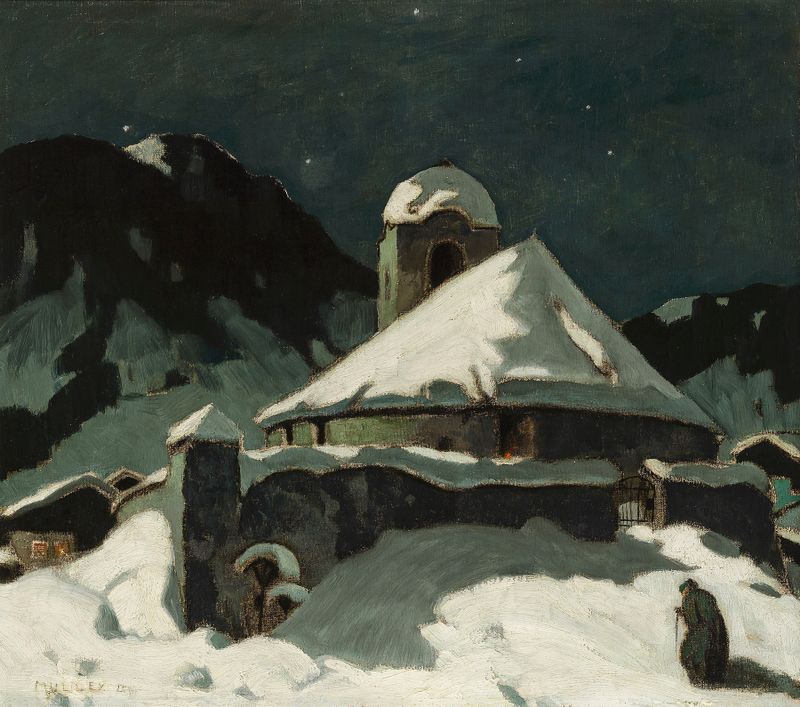
Winternacht im Bergdorf
Oskar Mulley
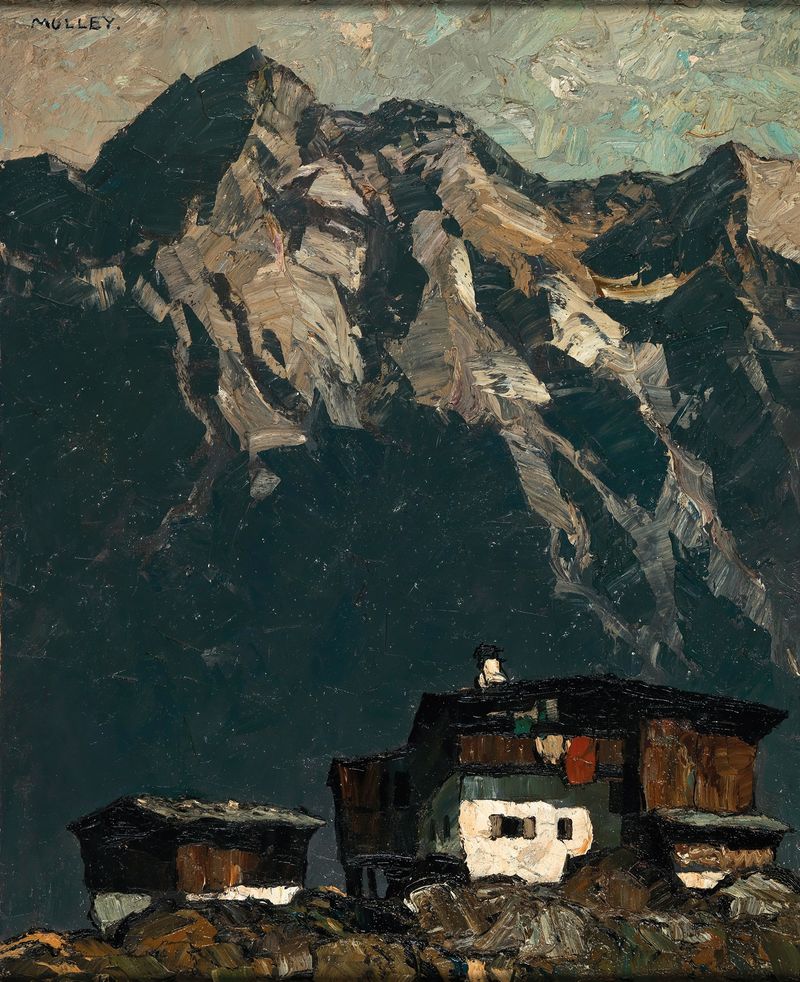
Bauernhof im Hochgebirge
Oskar Mulley
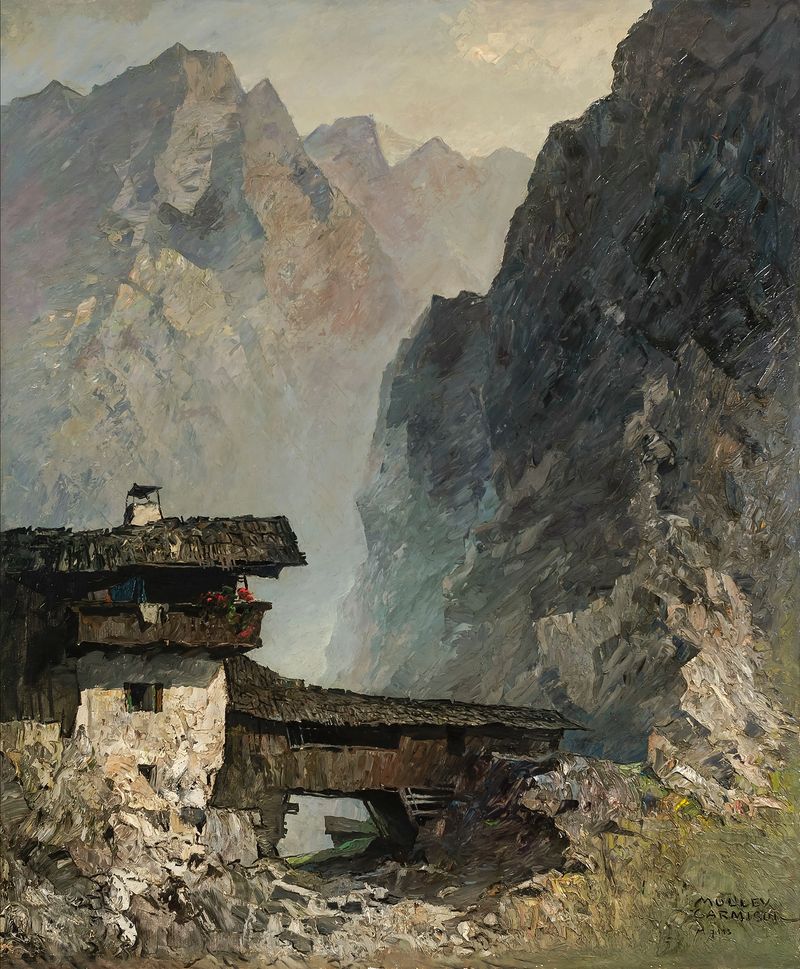
Im Hochtal
Oskar Mulley
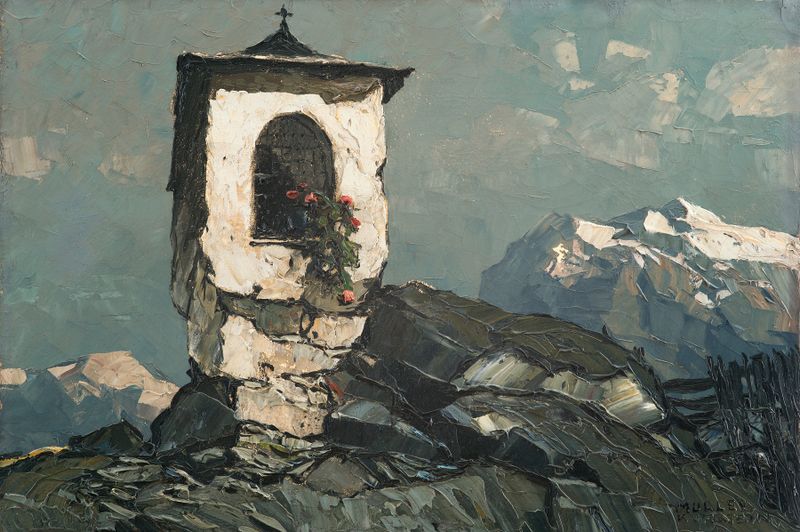
Materl im Hochgebirge
Oskar Mulley
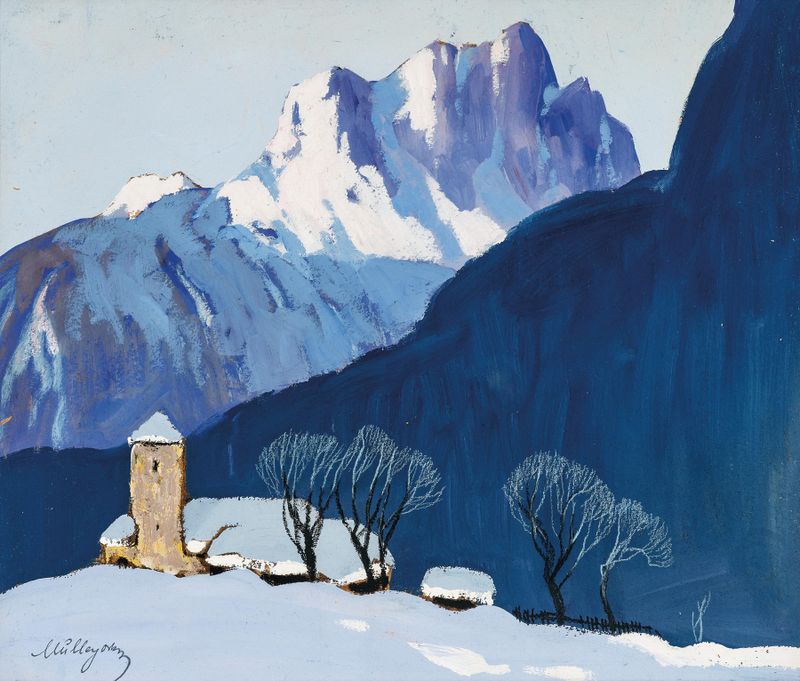
Winterlandschaft vor Bergkulisse
Oskar Mulley
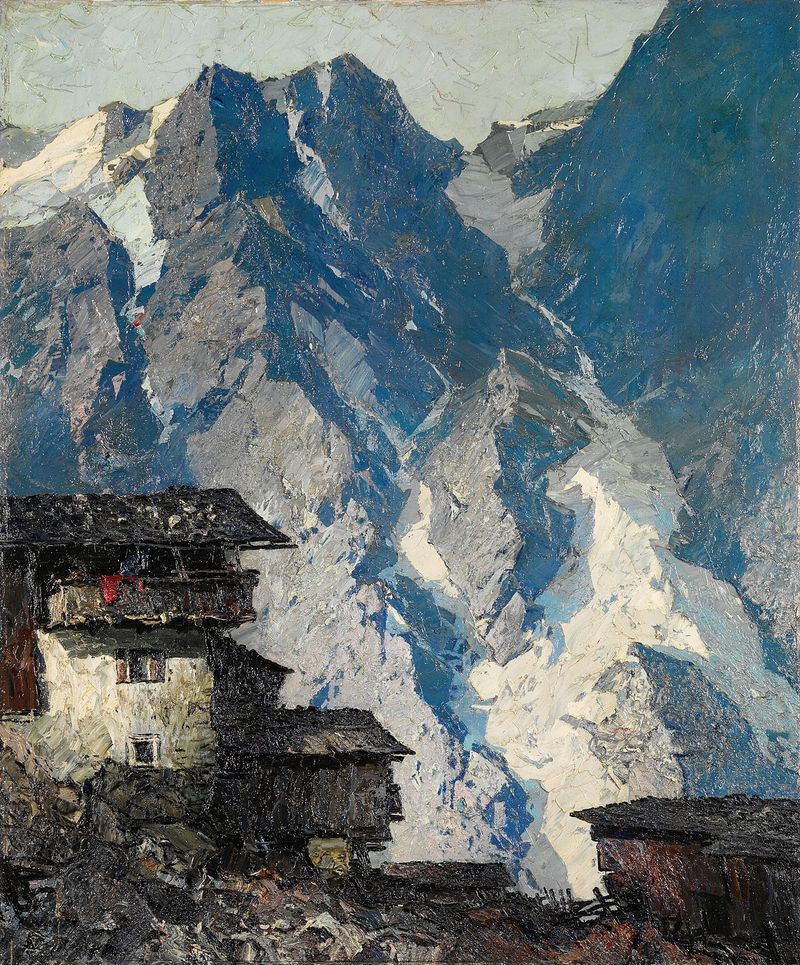
Berghof vor Gletscherlandschaft
Oskar Mulley
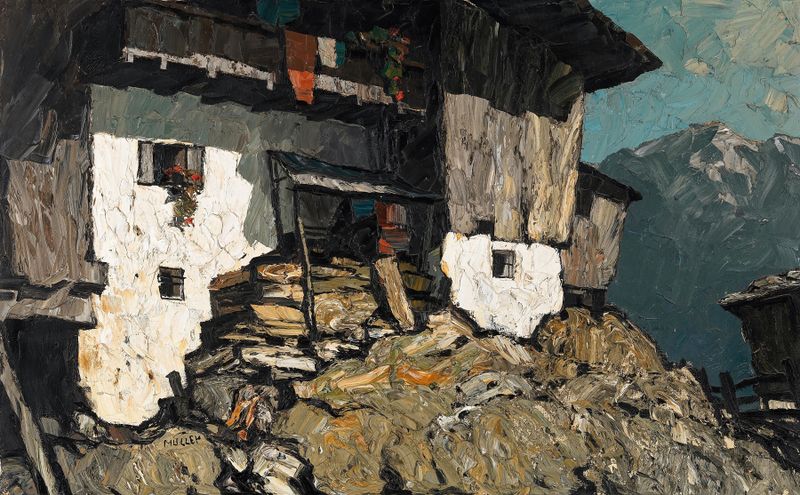
Bergbauernhof
Oskar Mulley
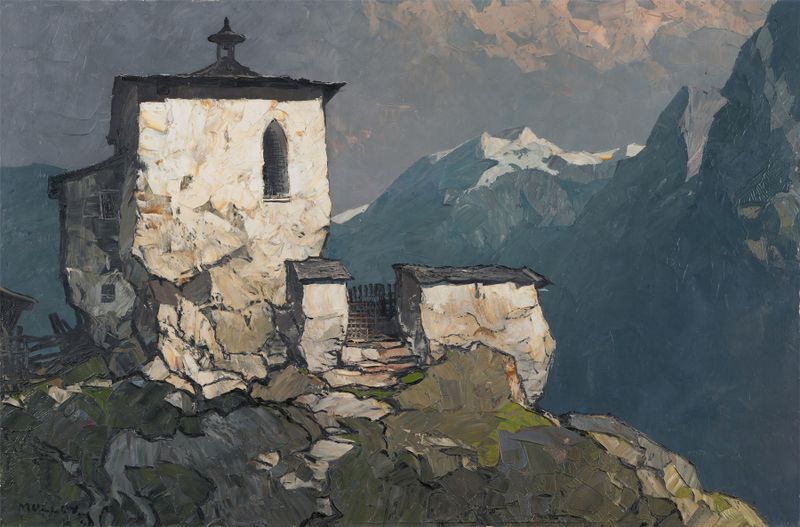
Bergkapelle
Oskar Mulley
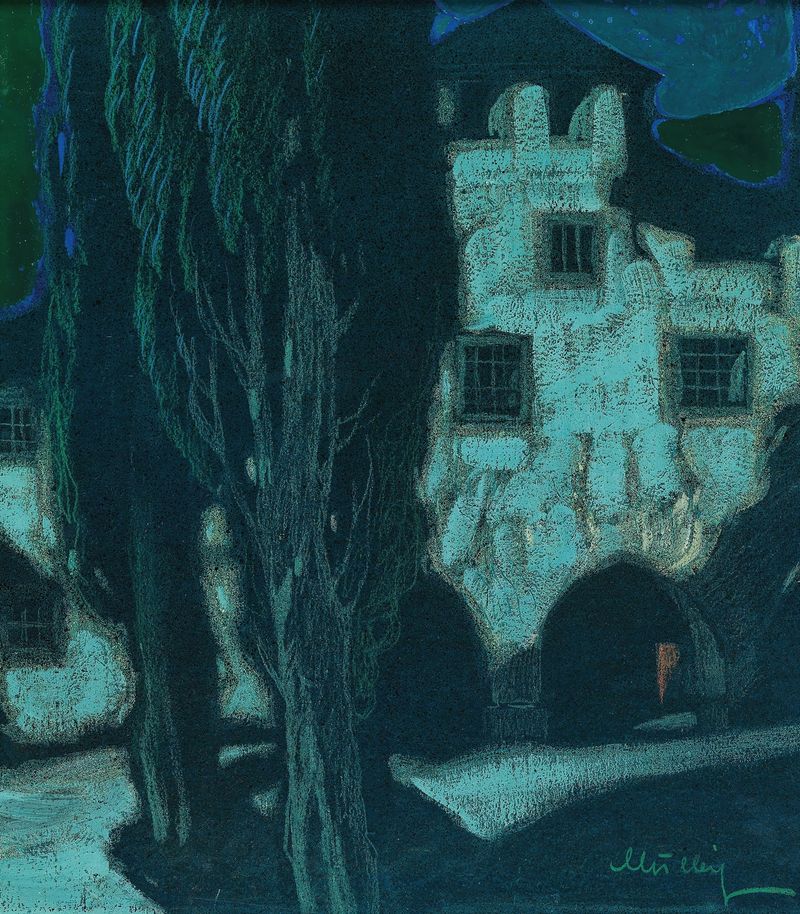
Mondnacht
Oskar Mulley
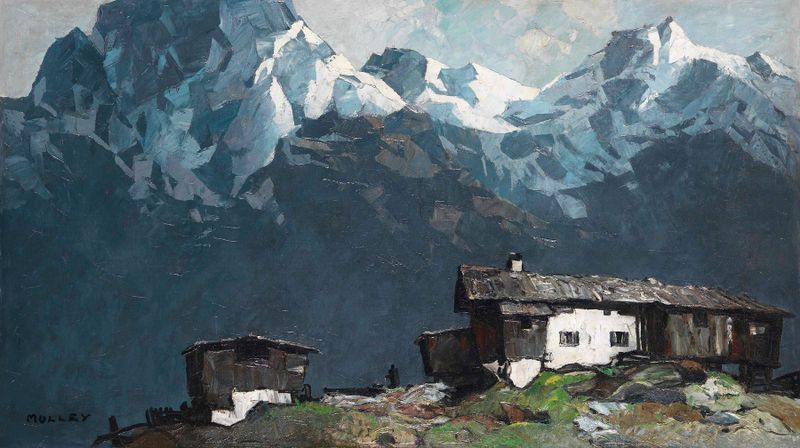
Bergbauernhof
Oskar Mulley
More Religious Art
Browse all →
The Return of the Prodigal Son
Rembrandt van Rijn

The Garden of Earthly Delights
El Bosco

Count Orgaz’ funeral
El Greco

The Hundred Guilder Print: the central piece with Christ preaching, the plate arched
Rembrandt van Rijn

The Descent from the Cross
Rogier van der Weyden

The return of the prodigal son
Rembrandt van Rijn