
Well at the Side of a Road — History & Facts
Can beauty exist without sorrow? The answer lingers in the air, much like the remnants of a once-vibrant landscape captured in this work. Focus on the center of the canvas where the well, a symbol of sustenance and life, stands in quiet solitude. Surrounding it, the earth appears weary, the colors muted as if they bear the weight of untold stories. Notice how the light softly bathes the scene, highlighting the textured stones while casting long shadows that suggest decay.
The use of earth tones creates a somber palette, evoking a sense of nostalgia and loss that permeates the atmosphere. The well represents not just a source of water, but also the passage of time, juxtaposing the vitality of nature against the inevitable decay that follows. The nearby foliage, though lush, hints at a struggle for survival, perhaps a reminder of the fragility of beauty. The scene invites reflection on resilience amidst decline, evoking emotions that resonate deeply, reminding viewers of the transient nature of life. Adolphe Appian painted Well at the Side of a Road in the 1860s, during a period of significant artistic evolution in France.
Influenced by the Barbizon School, he sought to capture the natural beauty around him while addressing themes of mortality and the ephemeral. The world was in a state of change, marked by industrialization, and Appian's work reflects a longing for simpler times, intertwining the beauty of the landscape with the somber realities of existence.
More Artworks by Adolphe Appian
Browse all →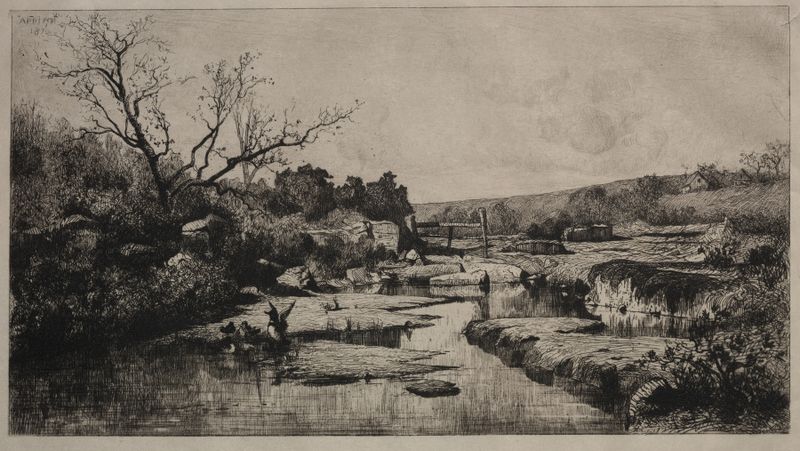
Source of the Albarine
Adolphe Appian
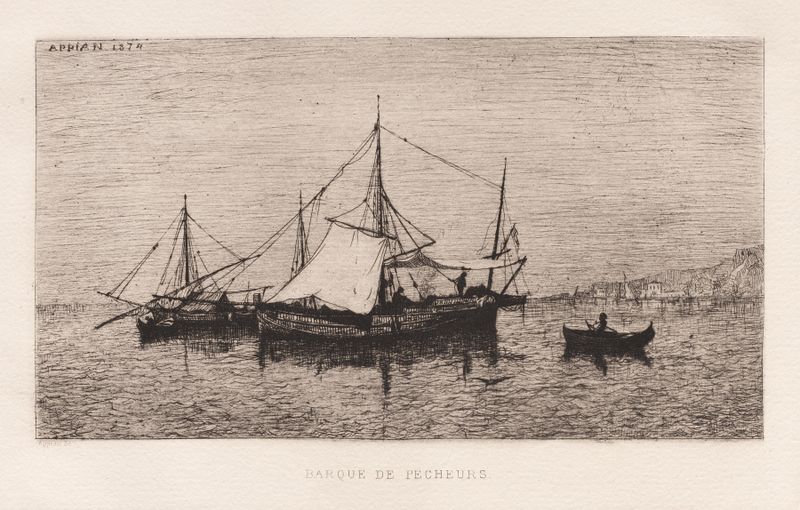
Barque de Pecheurs
Adolphe Appian
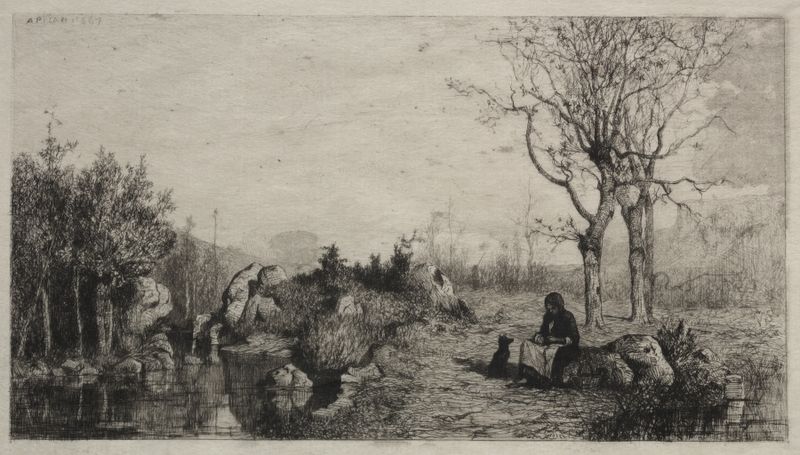
Shore of a Stream at Rossillon
Adolphe Appian

A Pond
Adolphe Appian

At Valromay (Ain)
Adolphe Appian

Woman Seated at the Edge of a Pond
Adolphe Appian
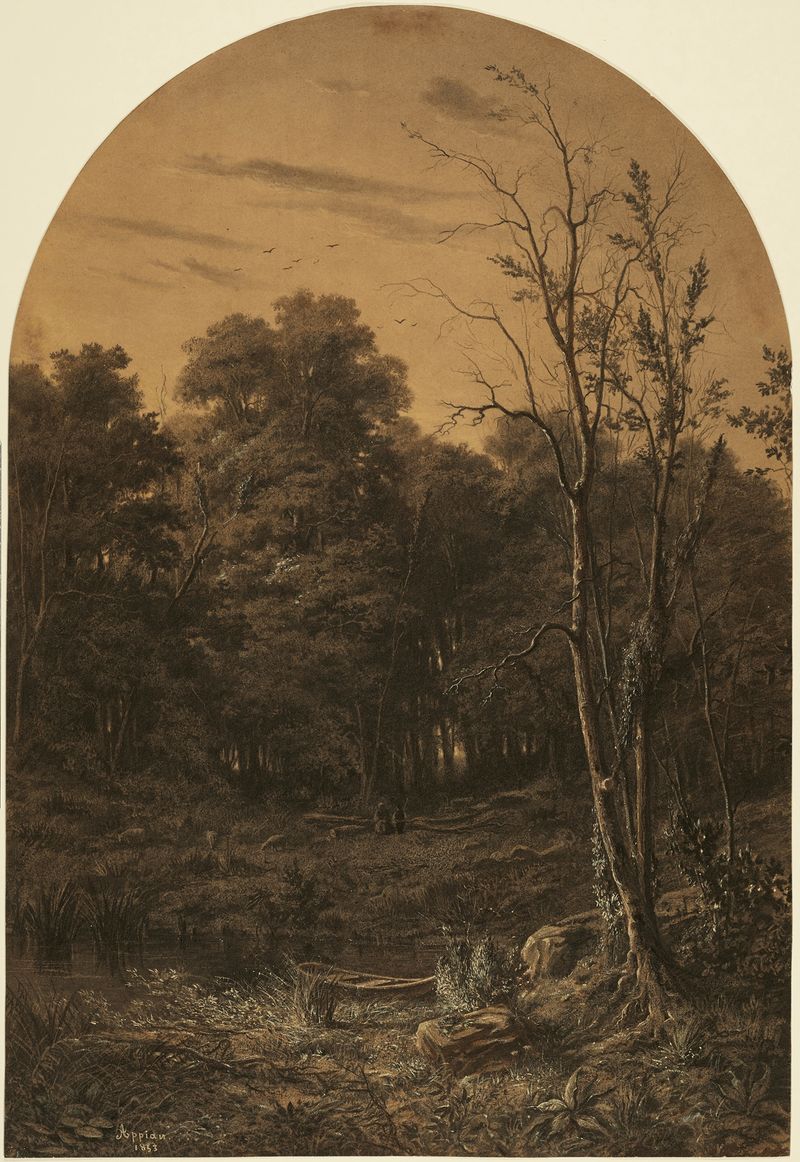
Forest Landscape near a Pond
Adolphe Appian
In the Valromey Valley, near the Rhône River
Adolphe Appian
Bord de mer
Adolphe Appian

Pond at the Edge of the Wood
Adolphe Appian





