
Wellington — History & Facts
In the quiet interplay between life and mortality, one finds echoes of existence lingering in the stillness of art. Look closely at the foreground, where the brushstrokes form a delicate representation of the aging figure, a noble presence wrapped in contemplation. Notice how the textures of the fabric and the soft play of shadows reveal both weight and vulnerability, each layer a testament to the passage of time. The muted palette allows the deep browns and subtle grays to evoke a sense of reflection and nostalgia, drawing the viewer into the emotional landscape of the subject’s life. As you explore the background, contrast emerges.
The vibrant greens and blues suggest a world alive with potential, yet they sit in stark juxtaposition to the figure’s stillness. This tension highlights the transient nature of life – full of vibrancy yet inevitably leading to stillness. The positioning of the figure within the canvas speaks to isolation, even in the midst of a lush environment, underscoring the bittersweet reality of mortality that weaves through human experience. In 1871, Charles Decimus Barraud painted this poignant work during a period of significant artistic evolution.
Living in England, he was influenced by the movement toward realism, capturing not just the likeness but the essence of his subjects. At this time, the art world was beginning to turn towards more emotional portrayals, reflecting societal shifts and personal introspection, a landscape that resonated deeply with the themes of his subject in this composition.
More Artworks by Charles Decimus Barraud
Browse all →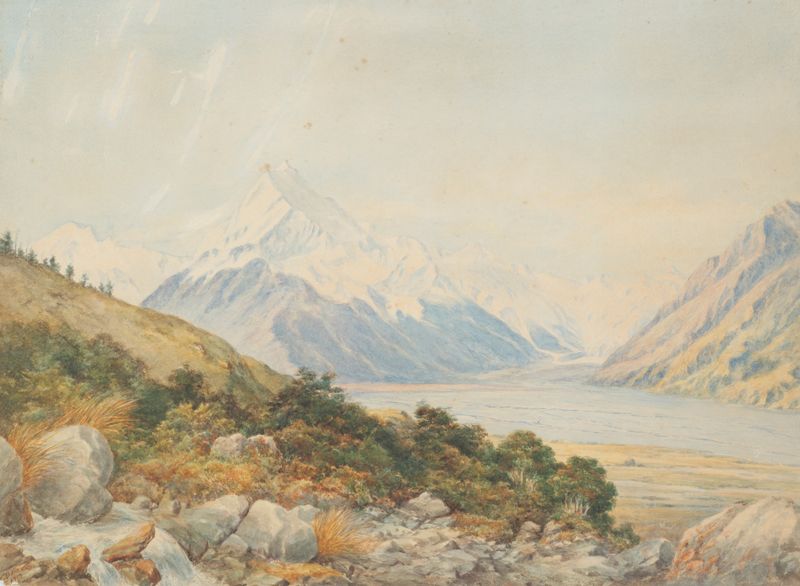
Mt. Cook from Tasman Valley
Charles Decimus Barraud
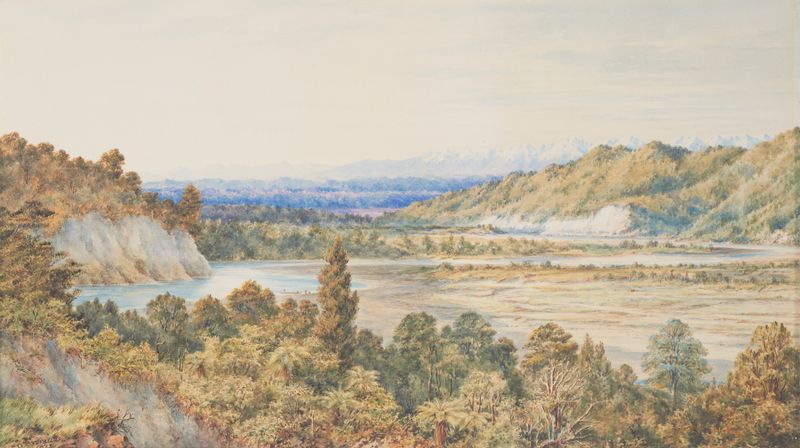
The Manawatu
Charles Decimus Barraud
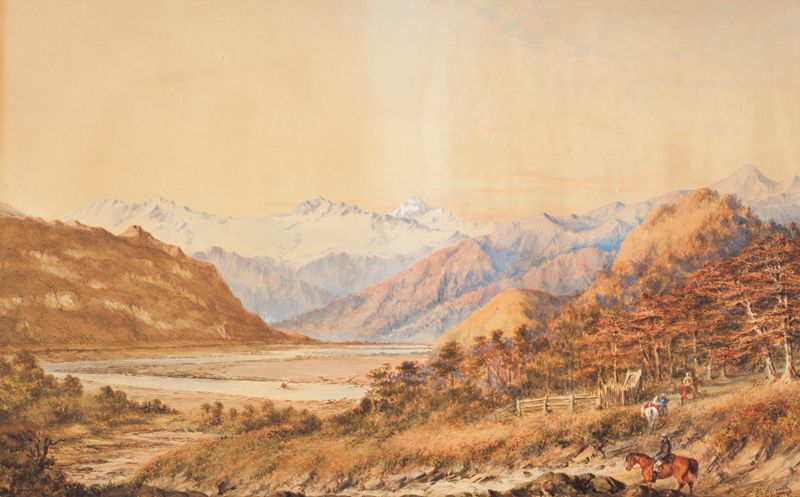
View of Mt. Aspiring, Province of Otago, looking north up the Valley of Matekitiki River from Dr Hector’s camp of 1863
Charles Decimus Barraud
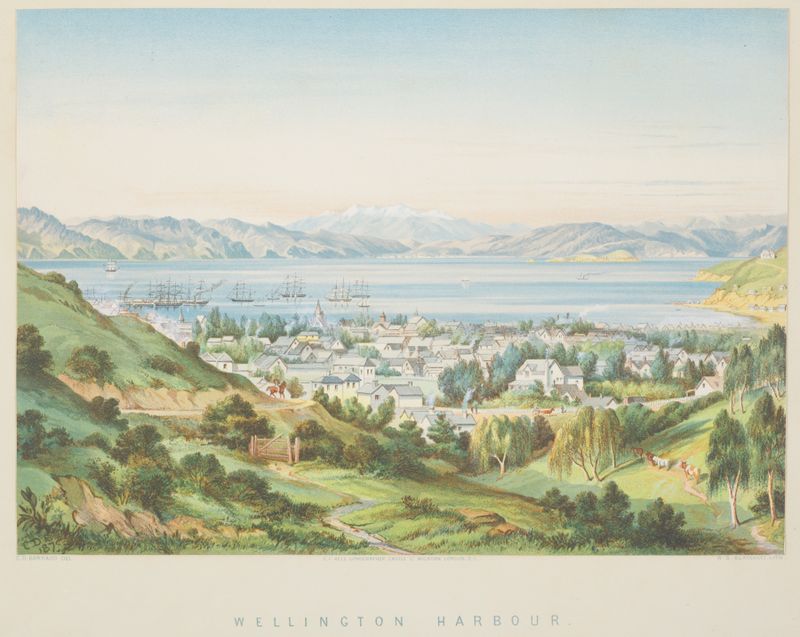
New Zealand Graphic and Descriptive. Wellington Harbour.
Charles Decimus Barraud
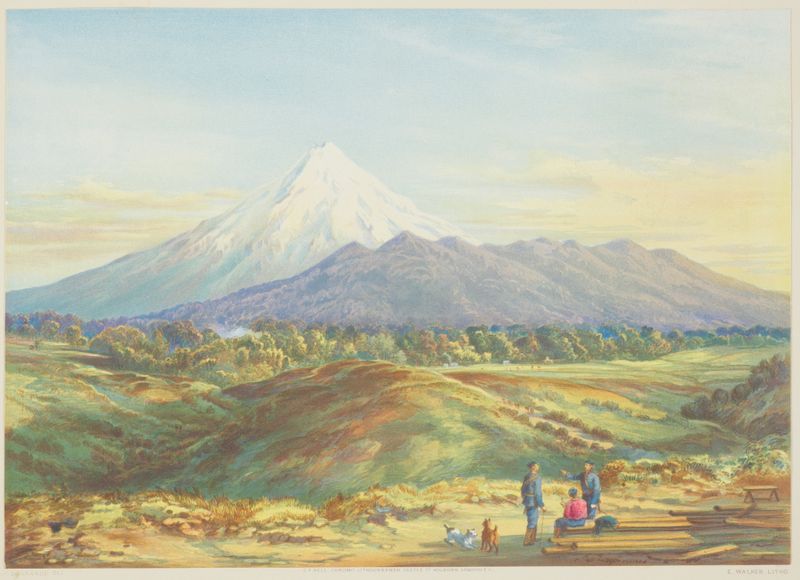
New Zealand Graphic and Descriptive. Mt Egmont.
Charles Decimus Barraud
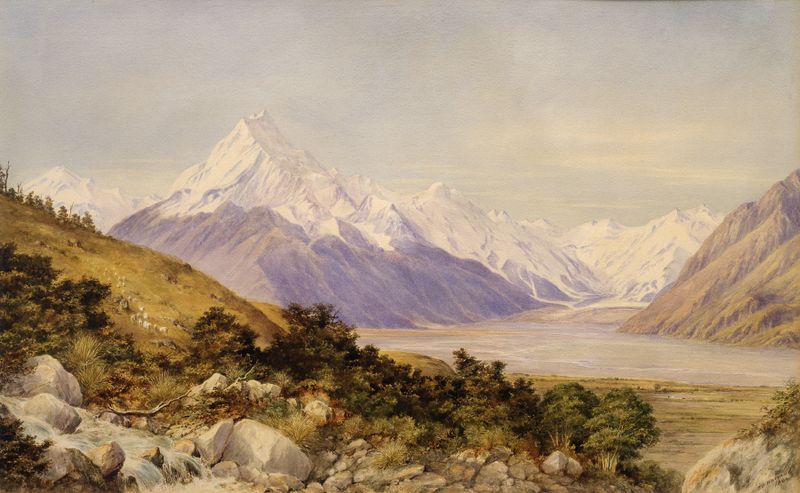
Mt. Cook
Charles Decimus Barraud
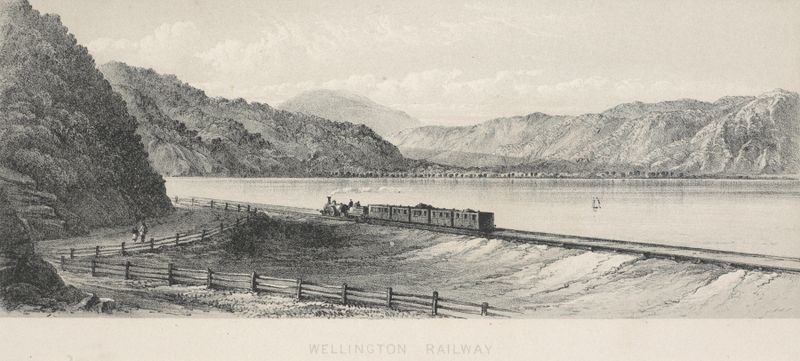
New Zealand Graphic and Descriptive. Plate I. Wellington Railway
Charles Decimus Barraud
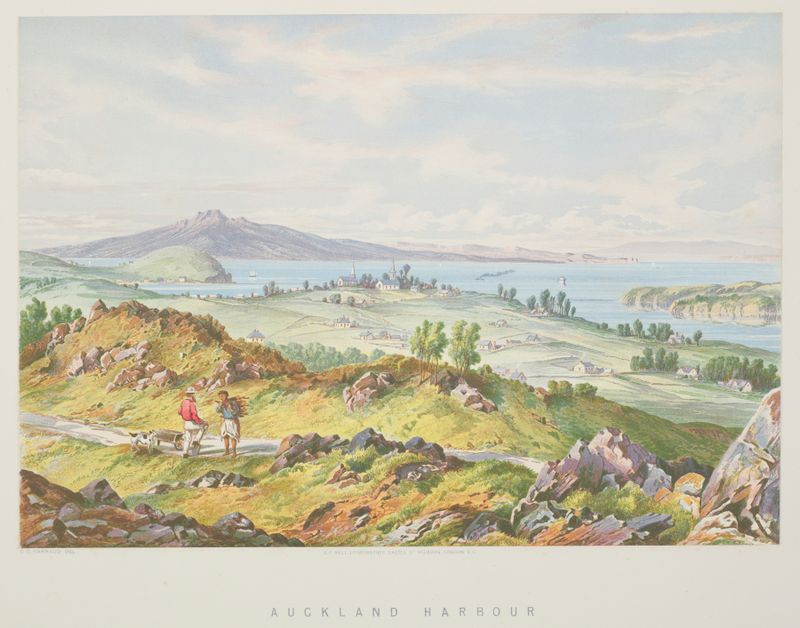
New Zealand Graphic and Descriptive. Auckland Harbour
Charles Decimus Barraud
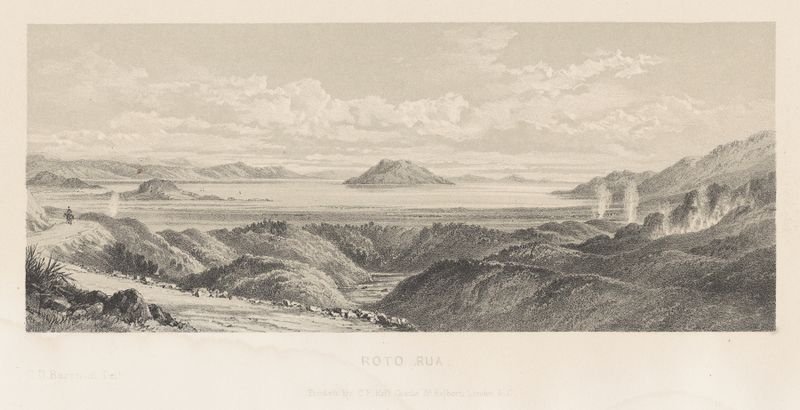
New Zealand Graphic and Descriptive. Plate III. Roto-rua
Charles Decimus Barraud
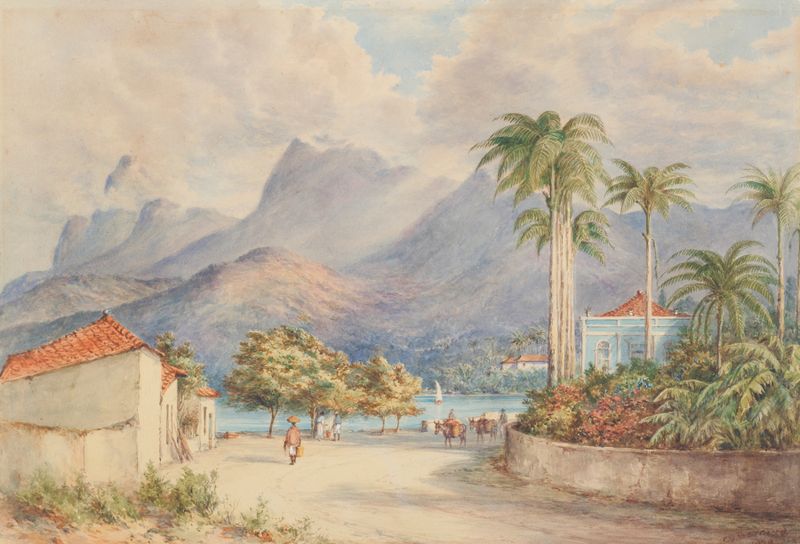
Rio de Janeiro
Charles Decimus Barraud
More Portrait Art
Browse all →
Las meninas
Diego Velázquez

Self-portrait with a Bandaged Ear and Pipe
Unidentified artist

Girl with a Pearl Earring
Johannes Vermeer

The Sampling Officials of the Amsterdam Drapers’ Guild, Known as ‘The Syndics’
Rembrandt van Rijn

The Hundred Guilder Print: the man seen on the back in the lower left corner
Rembrandt van Rijn

Portrait of Dr Gachet
Vincent van Gogh