
Wengernalp und Jungfraubahn — History & Facts
A wall of mountain rises so abruptly it seems to slice the sky, its snow-streaked face carved into shadow and light. The eye is pulled upward, following the sharp geometry of rock and glacier, but anchored by the winding railway that threads through the green foothills below. That slender line of track, dotted with tiny figures and poles, is not just a detail—it’s a promise of passage, a human thread daring to traverse nature’s immensity.
The palette is bold, almost poster-like, with the blue of the sky and the green of the grass set in deliberate contrast to the dark, striated cliffs. This is not a landscape that invites you to linger in comfort; it invites you to journey, to move, to marvel at scale. Created in 1924, Wengernalp und Jungfraubahn by Emil Cardinaux belongs to a moment when travel posters were not only advertisements but emblems of national pride and technological triumph. The Jungfraubahn, completed in the early twentieth century, was an engineering marvel—these images were commissioned to entice tourists and celebrate the conquering of the Alps by rail.
Cardinaux was among the leading Swiss poster artists, known for distilling the drama of the landscape into graphic clarity. History has kept few traces of this specific work’s journey, but its bold composition and crisp lettering speak directly to the optimism and ambition of its era. Let your gaze travel along that railway, and imagine the world of 1924—when mountains were frontiers, and the future arrived on steel rails.
More Artworks by Emil Cardinaux
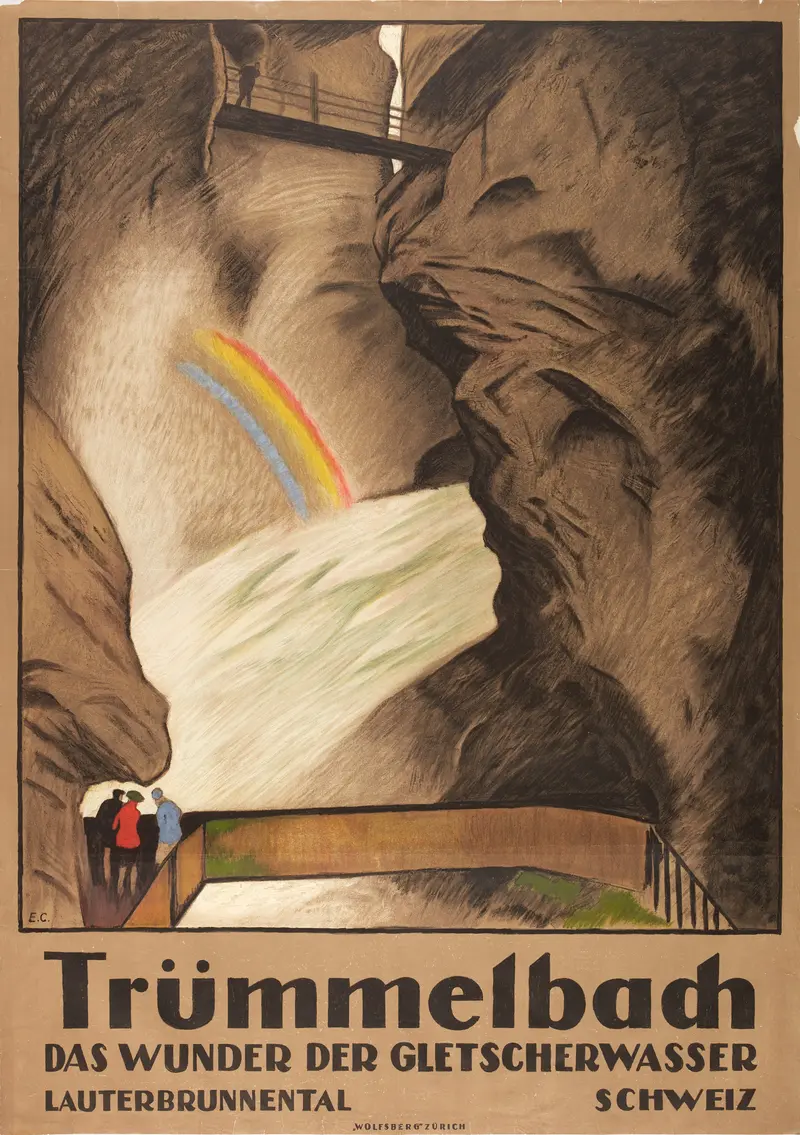
Trümmelbach
Emil Cardinaux
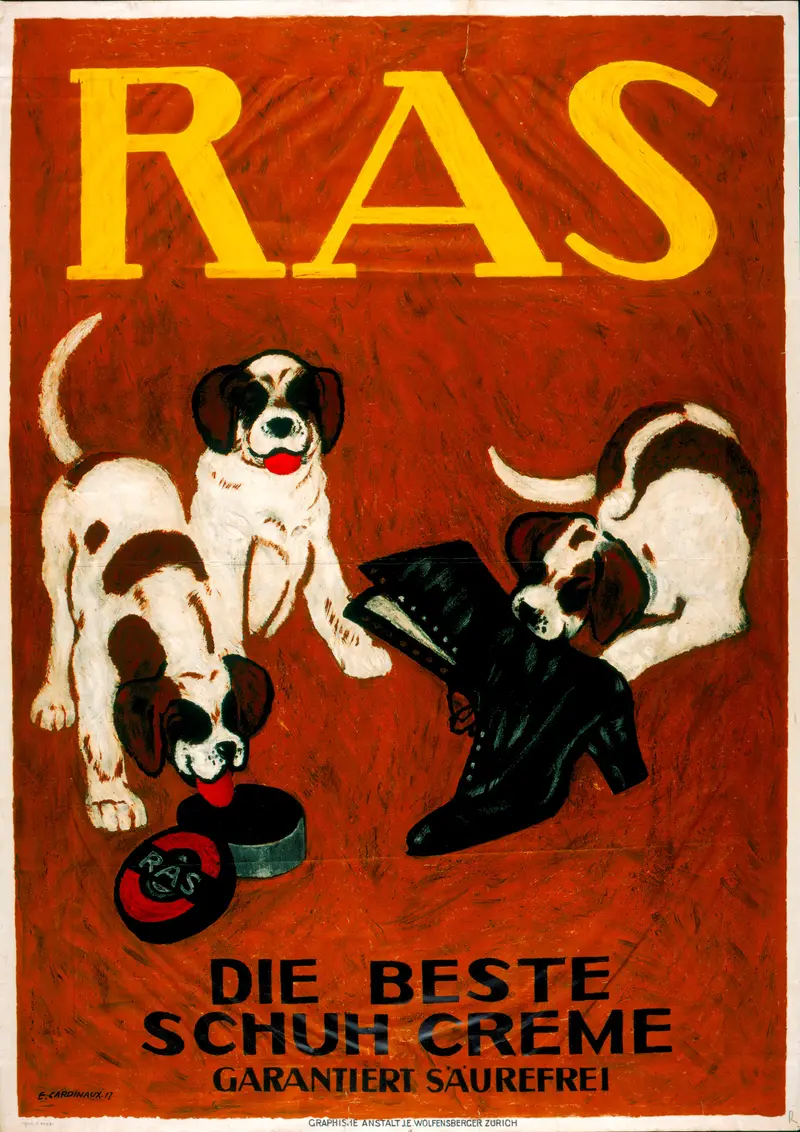
RAS, die beste Schuhcrème
Emil Cardinaux
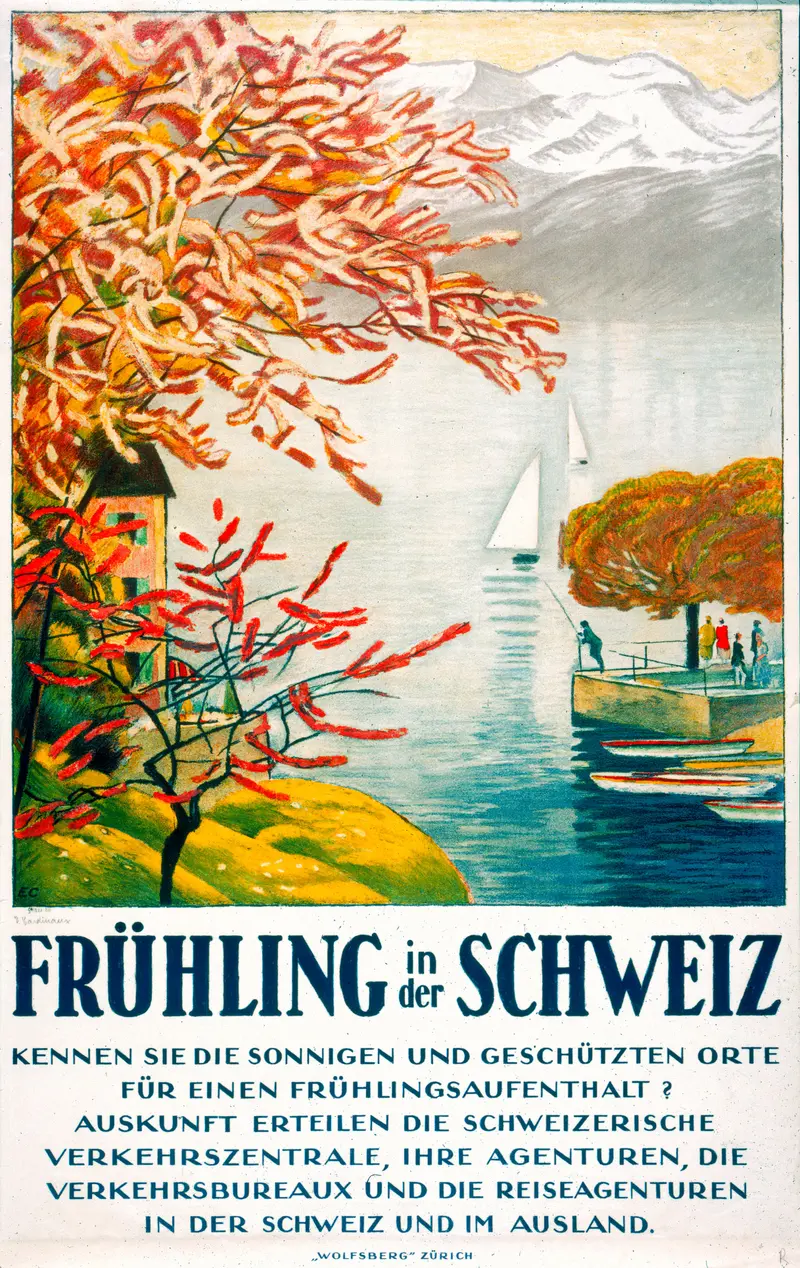
Frühling in der Schweiz
Emil Cardinaux
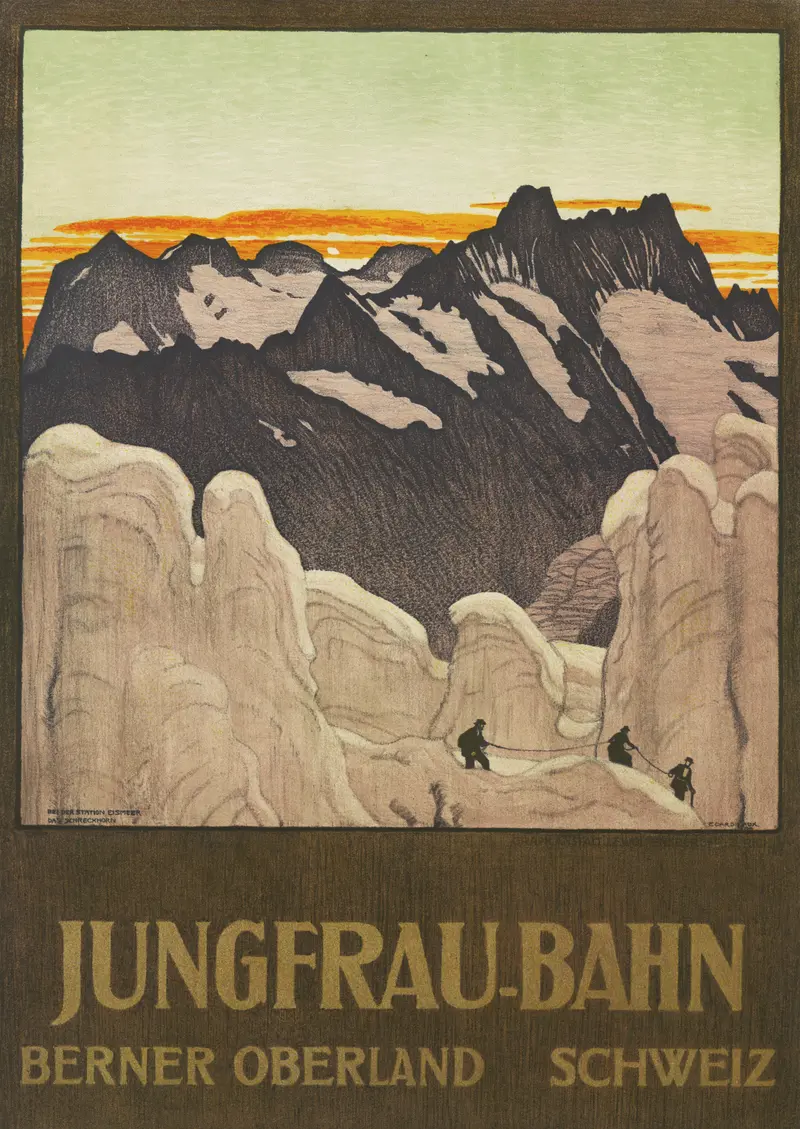
Jungfrau-Bahn, Berner Oberland
Emil Cardinaux
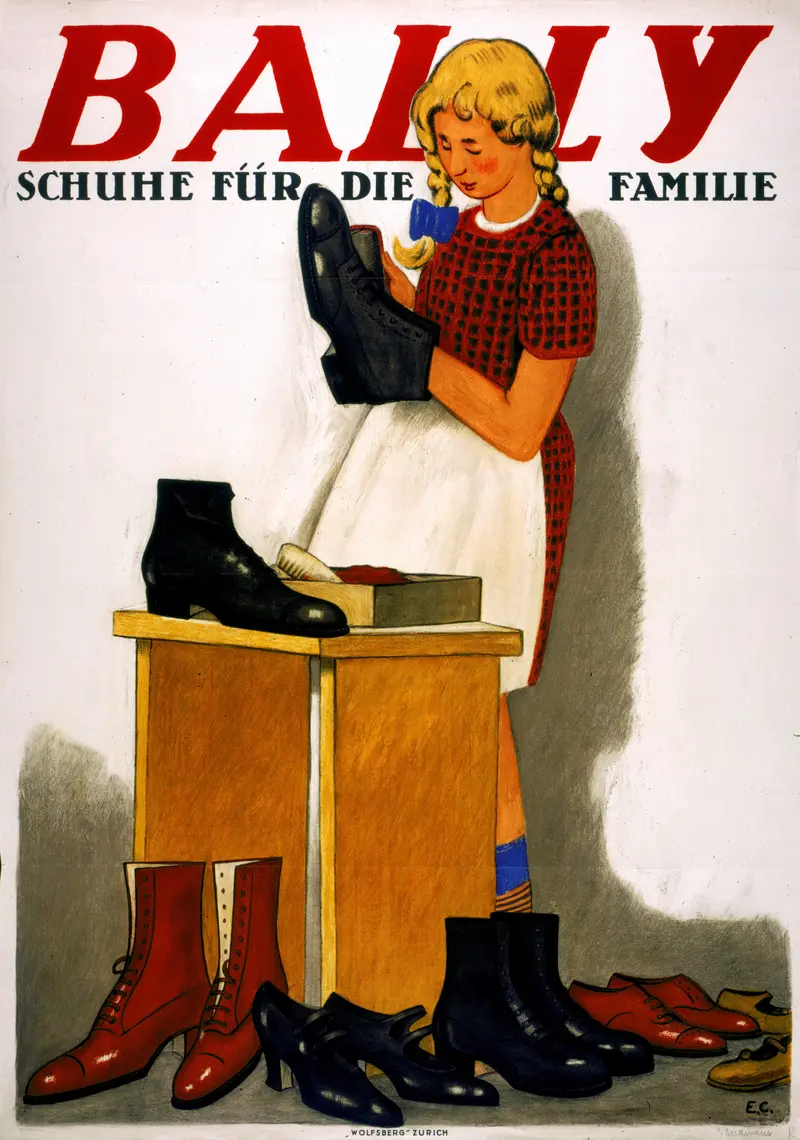
Bally – Schuhe für die Familie
Emil Cardinaux

Winter in Switzerland
Emil Cardinaux
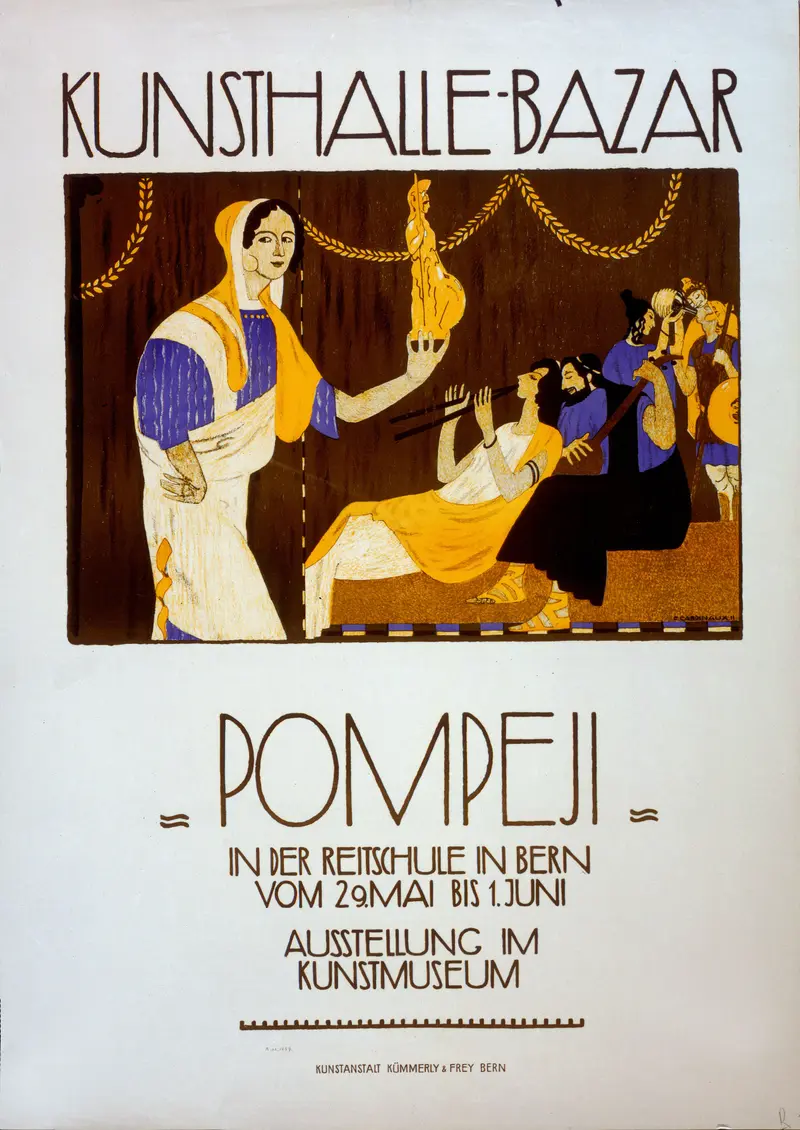
Kunsthalle-Bazar Pompeji, Bern 1911
Emil Cardinaux
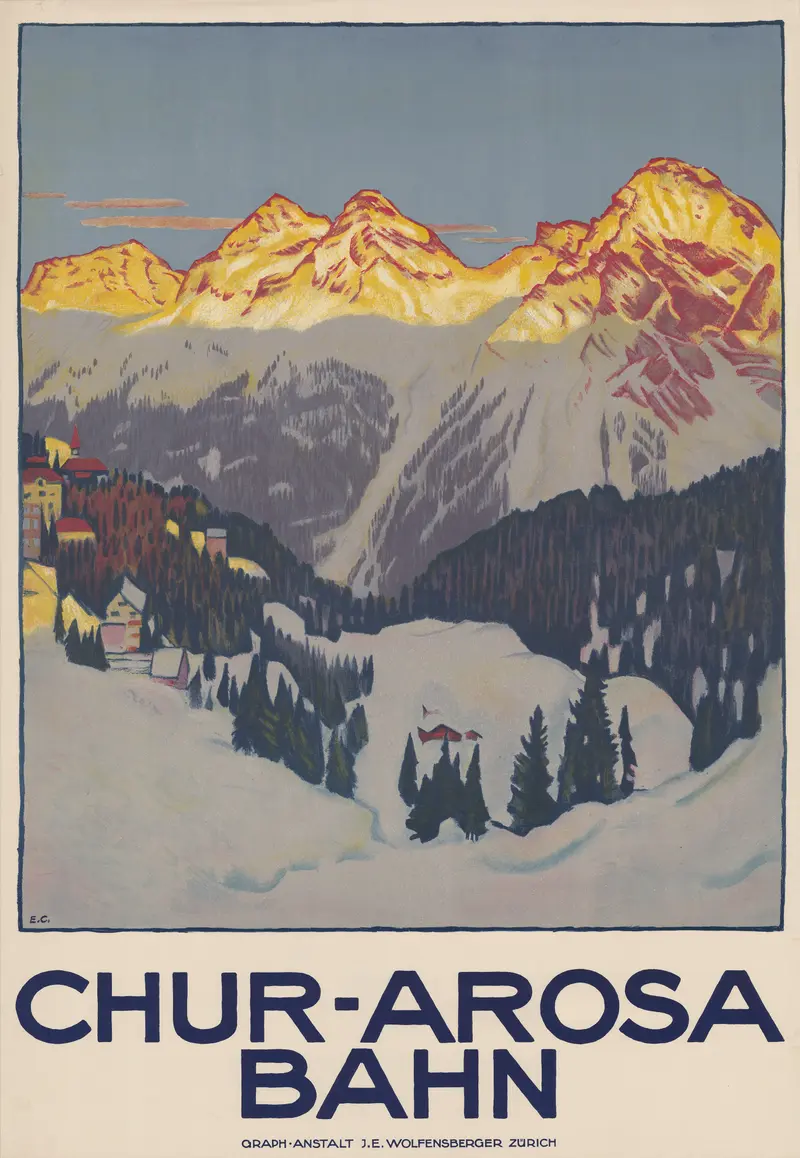
Chur-Arosa-Bahn
Emil Cardinaux
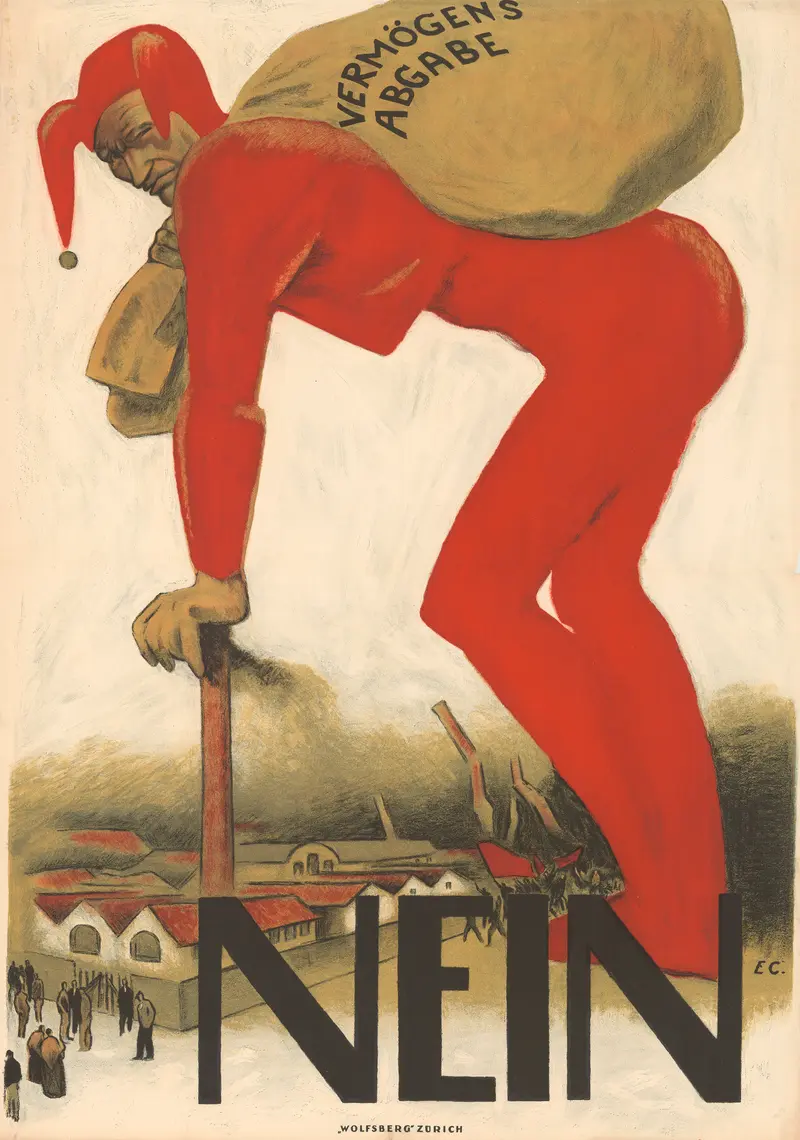
Vermögensabgabe – Nein
Emil Cardinaux
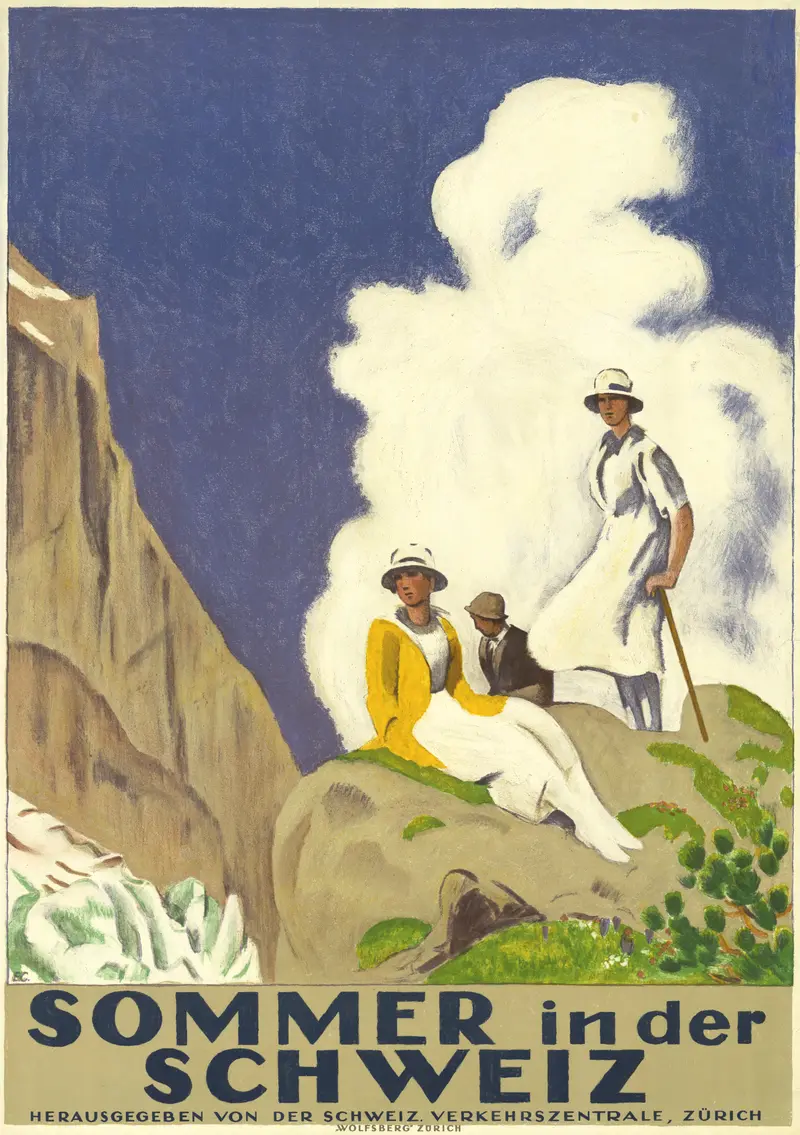
Sommer in der Schweiz
Emil Cardinaux
More Landscape Art

The Starry Night
Vincent van Gogh

View of Delft
Johannes Vermeer

Water Lilies
Claude Monet

The Grand Canal, Venice, looking north-west from the Ca' Corner to the Ca' Contarini degli Scrigni, with the campanile of Santa Maria della Carità
Canaletto

Windsor Castle
Canaletto

The Grand Canal looking North-East from the Palazzo Dolfin-Manin to the Rialto Bridge
Canaletto