
Wengi — History & Facts
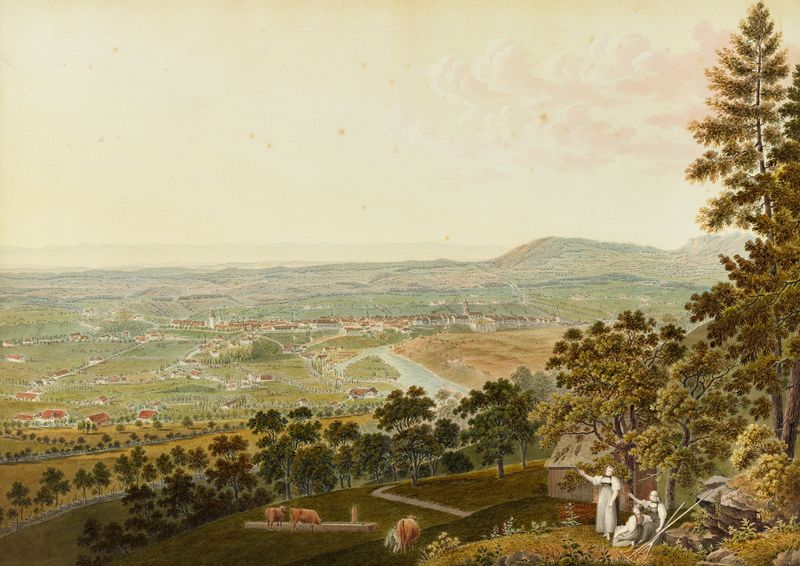
In the stillness of Wengi, a tapestry of unspoken desires unfolds, urging us to confront the complexity of yearning and connection. It invites viewers to explore the tension that resides within the quiet spaces of human interaction, where words often fall short. Begin your journey at the center, where vibrant hues converge in a harmonious blend, drawing immediate attention. The interplay of cool blues and warm oranges creates a striking contrast, suggesting a dance between longing and fulfillment.
As you move outward, observe how the delicate brushstrokes intertwine, mirroring the intricate emotions depicted. There’s a dynamic quality to the composition, inviting the eye to trace the contours of each figure, while the subtle variations in texture evoke a sense of depth and intimacy. Delve deeper into the hidden narratives that emerge from the layers of the piece. The figures, shrouded in an enigmatic silence, speak volumes through their posture and proximity.
One hand reaches out, almost touching another, which remains withdrawn—highlighting the tension between connection and solitude. This contrast serves as a poignant reminder of the desires that linger just beneath the surface, hinting at an invisible thread that binds yet separates. Created during an unknown period, the artist was likely influenced by a world grappling with rapid change and profound introspection. Weibel’s exploration of desire and silence reflects broader themes in contemporary art, where emotional authenticity and the complexity of human relationships are increasingly paramount.
His work resonates with the viewer, capturing the essence of what it means to be human in a world fraught with unvoiced longings.
More Artworks by Jakob Samuel Weibel
Browse all →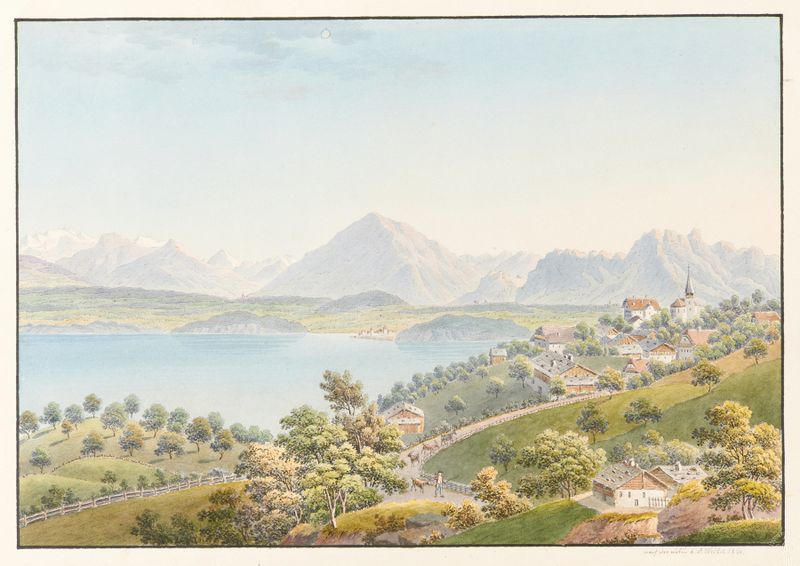
Vue dessiné depuis le Village de Sigriswil, audessus du Lac de Thoune
Jakob Samuel Weibel
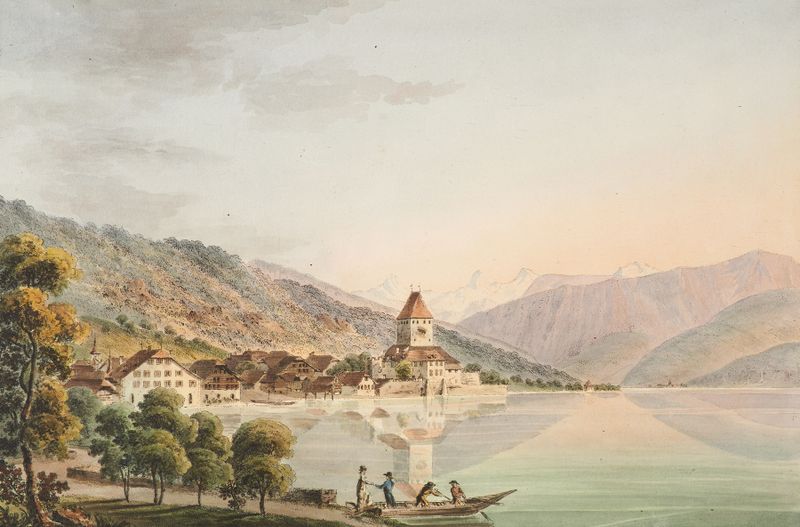
Vûe du Chateau d’Oberhofen au Lac de Thoune
Jakob Samuel Weibel
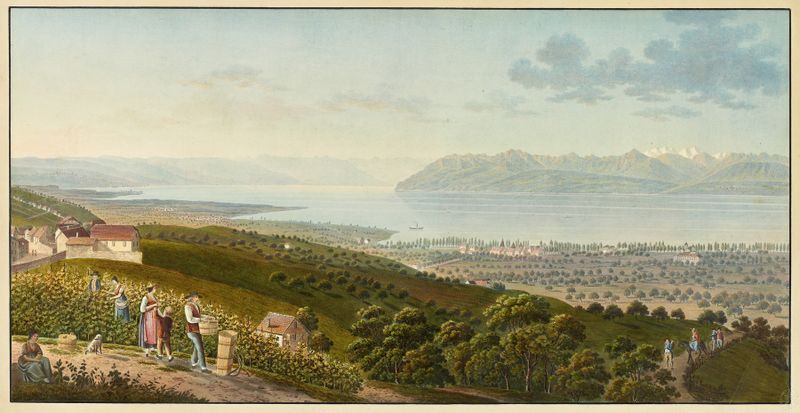
Vue genérale du Lac de Geneve
Jakob Samuel Weibel
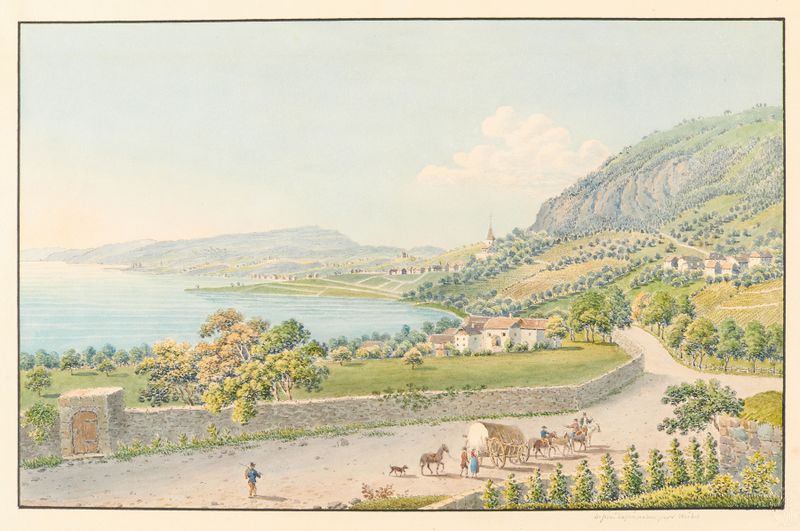
Vue des environs de Montreux et de Clarens
Jakob Samuel Weibel
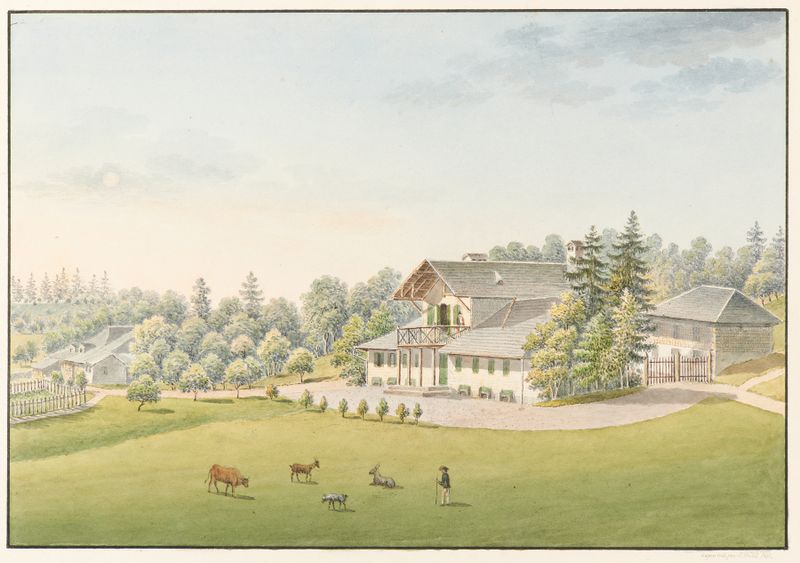
Vue du nouveau Châlet de Vernand
Jakob Samuel Weibel
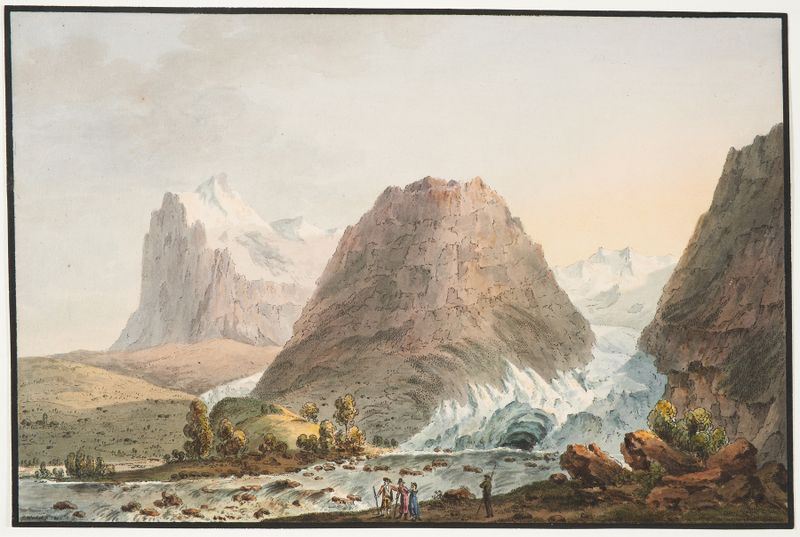
Vûe des Glacieres de Grindelwald
Jakob Samuel Weibel
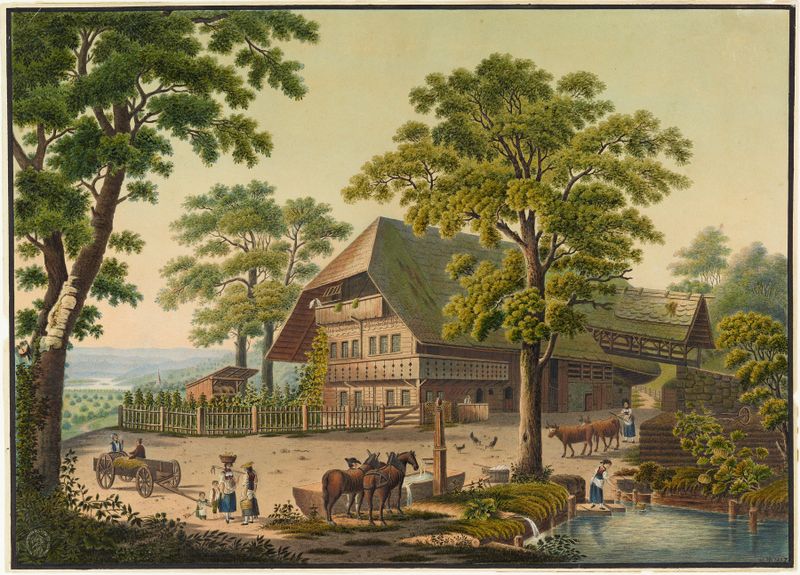
Maison de paysan près Wichtrach
Jakob Samuel Weibel
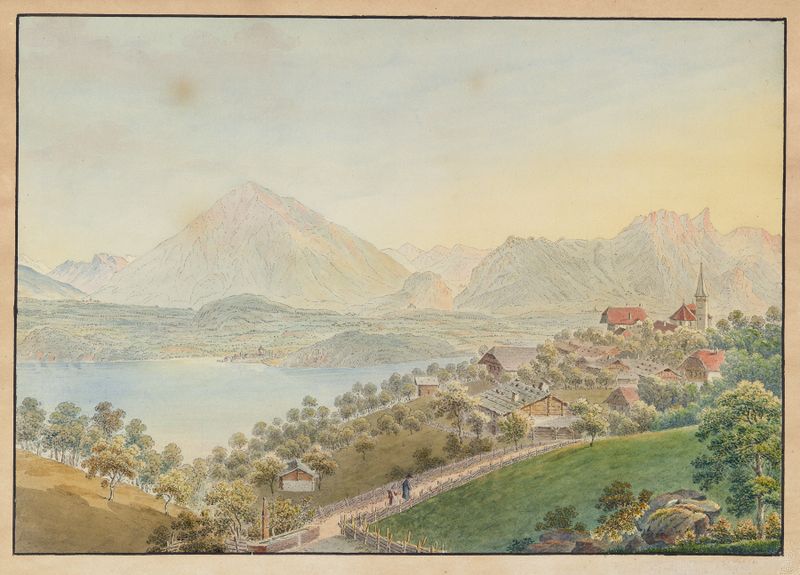
Ansicht von Sigriswil mit Niesen und Thunersee
Jakob Samuel Weibel
Ansicht Berns und der Aare vom Gurten aus
Jakob Samuel Weibel

Lausanne Ville capitale du Canton de Vaud
Jakob Samuel Weibel





