
Weymouth — History & Facts
In Weymouth, the tempest of nature finds its voice through reflection, inviting the viewer to witness the serene dance of light upon water. Look to the foreground where the gentle waves ripple, shimmering with hues of emerald and gold. The horizon, painted with soft pastel blues and wisps of cloud, draws the eye upward, leading to a sublime sky that seems to embrace the earth. The delicate brushwork captures the ephemeral quality of the moment, suggesting movement in the clouds and water, while the vibrant palette evokes a sense of warmth and tranquility amidst the expansive scene. The artist’s choice to juxtapose the tranquil sea against the bustling town in the background creates a striking tension.
The boats, seemingly at rest, reflect both the beauty and fragility of life, hinting at the dichotomy between nature's calm and humanity's industriousness. The subdued figures scattered along the shore remind us of our place within this landscape, a reflection of our transient existence against the vastness of the world. In 1811, while residing in London, Turner produced Weymouth amidst a burgeoning Romantic movement that sought to celebrate the sublime in nature. This period in his life was marked by experimentation with light and color, as he delved deeper into capturing the essence of the natural world.
The painting showcases his evolving technique, as he embraced a more expressive style that would later define his legacy in the realm of landscape painting.
More Artworks by Joseph Mallord William Turner
Browse all →
Dort or Dordrecht- The Dort Packet-Boat from Rotterdam Becalmed
Joseph Mallord William Turner
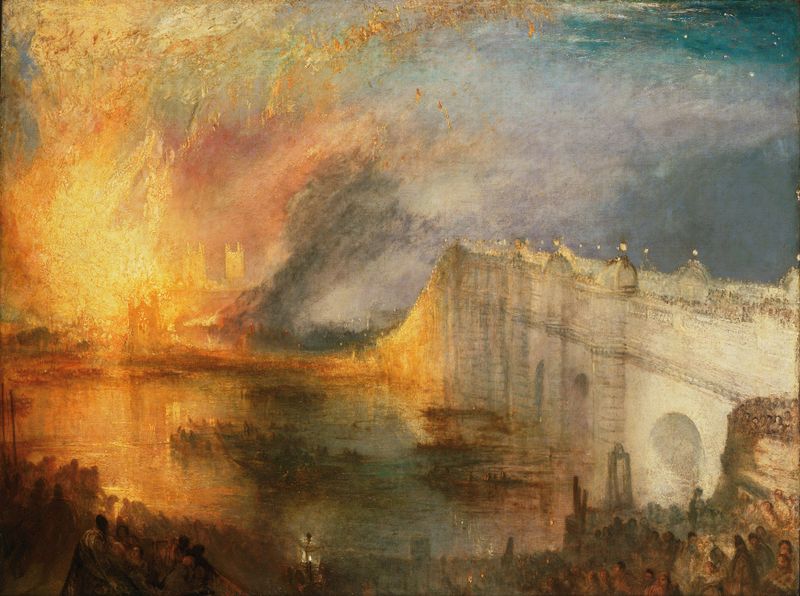
The Burning of the Houses of Lords and Commons, October 16, 1834
Joseph Mallord William Turner
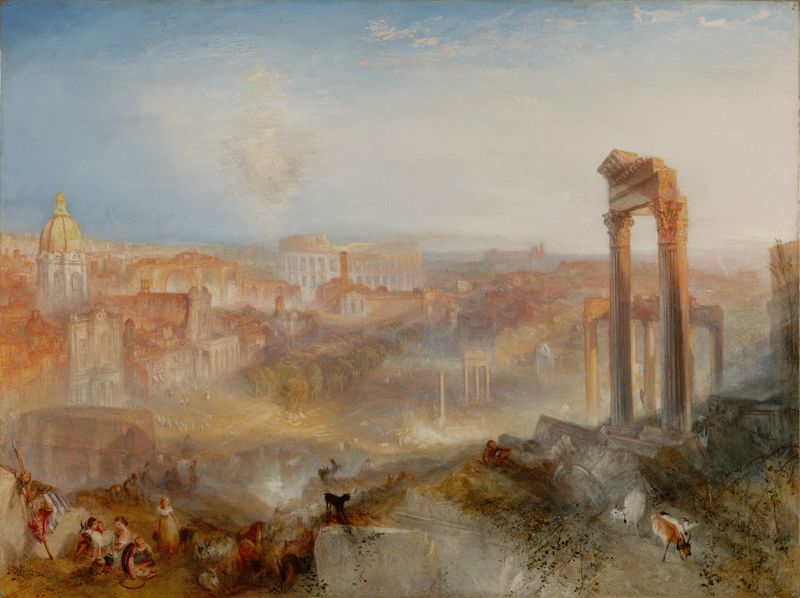
Modern Rome – Campo Vaccino
Joseph Mallord William Turner
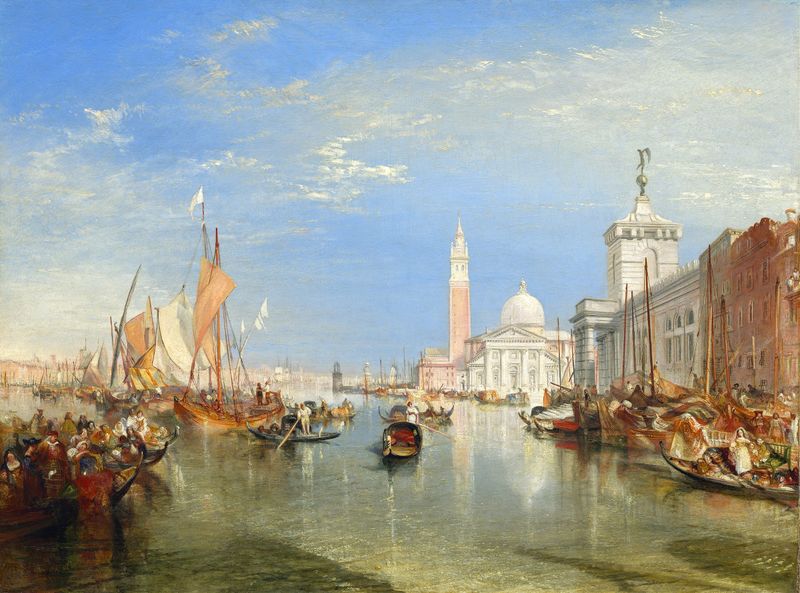
Venice – The Dogana and San Giorgio Maggiore
Joseph Mallord William Turner

The Burning of the Houses of Lords and Commons, 16 October 1834
Joseph Mallord William Turner
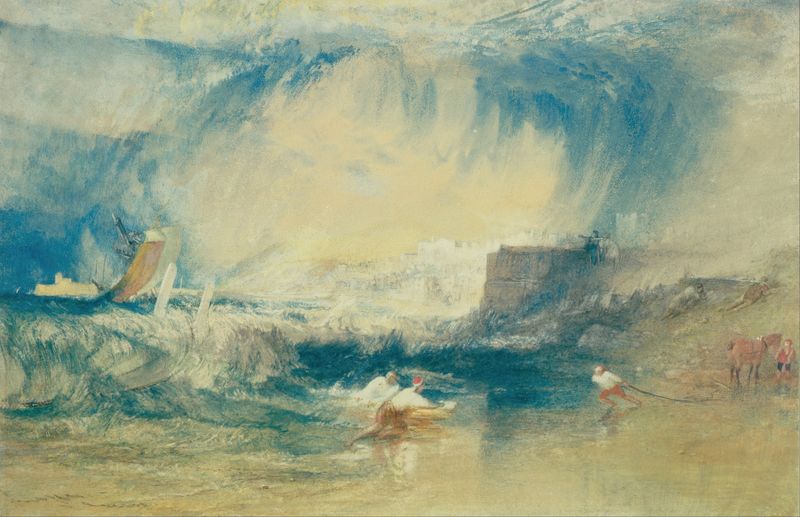
Lyme Regis, Dorsetshire, England
Joseph Mallord William Turner
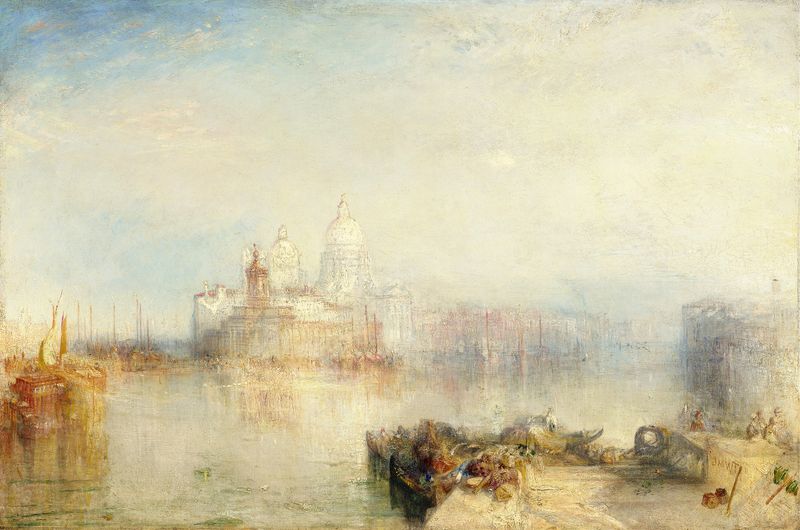
The Dogana and Santa Maria della Salute, Venice
Joseph Mallord William Turner
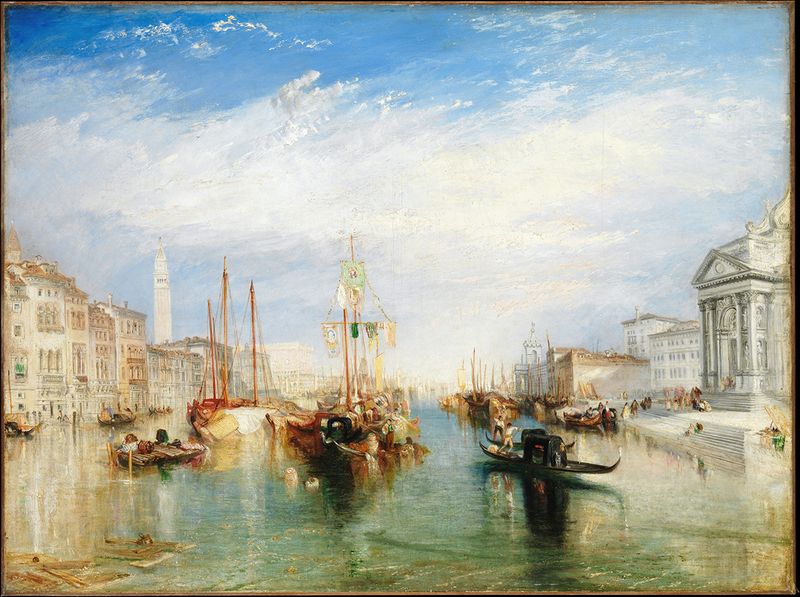
Venice, from the Porch of Madonna della Salute
Joseph Mallord William Turner
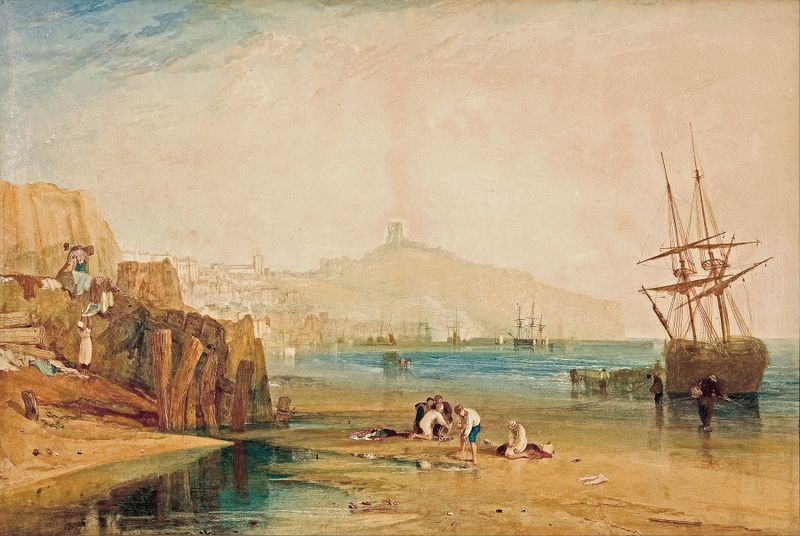
Scarborough town and castle; morning; boys catching crabs
Joseph Mallord William Turner
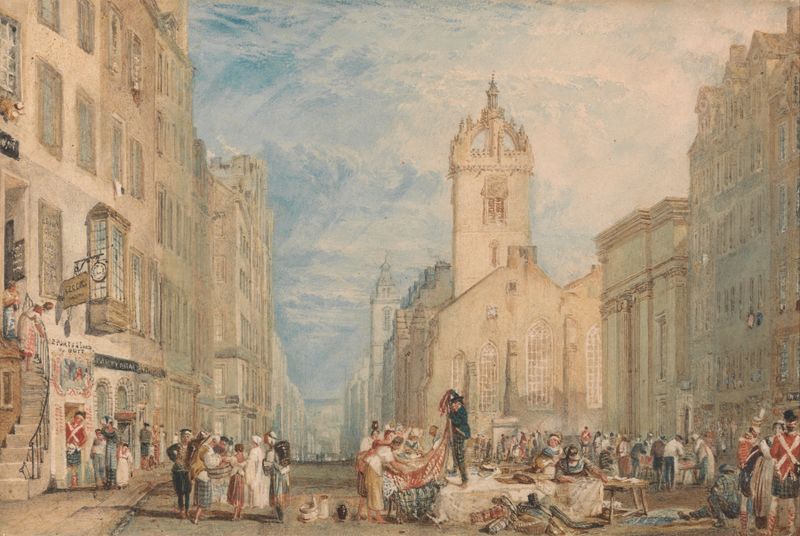
High Street, Edinburgh
Joseph Mallord William Turner




