
Wheatfields — History & Facts
What secret hides in the quiet of the canvas? In the expanse of golden wheat, a palpable sense of nostalgia permeates the air, whispering tales of forgotten summers and pastoral serenity. Look to the foreground where the sun-drenched stalks sway gently, each brushstroke breathing life into the vivid hues of yellow and gold. Notice how the light filters through the wisps of wheat, illuminating the scene with a warm, gentle glow that beckons the viewer closer. The horizon, marked by a tender blue sky, sets a tranquil backdrop, while rolling fields recede into the distance, inviting contemplation and a sense of calm. As the viewer’s gaze wanders, contrasts emerge within the serene landscape.
The vibrant yellows of the wheat are juxtaposed with deep, shadowy greens of hidden foliage, evoking a tension between vibrancy and shadow, life and stillness. The absence of figures or human presence enhances the feeling of solitude, prompting reflections on the passage of time and the ephemeral nature of existence—a bittersweet reminder of what once flourished. Created in 1865, this work captures Rousseau’s profound connection with nature during his time in Barbizon, France. It reflects the burgeoning Barbizon School's emphasis on realism and the beauty of rural landscapes, as artists sought to escape the constraints of academic traditions.
At this point in his career, Rousseau was fully immersed in this movement, striving to depict the authentic essence of the world around him.
More Artworks by Théodore Rousseau
Browse all →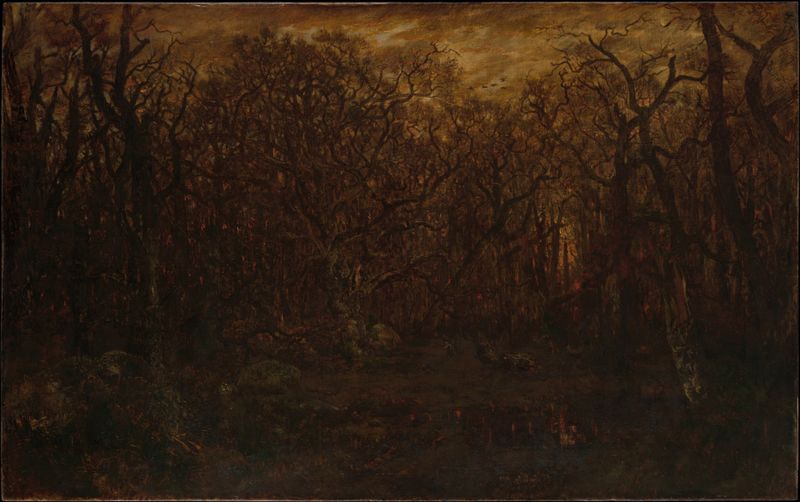
The Forest in Winter at Sunset
Théodore Rousseau
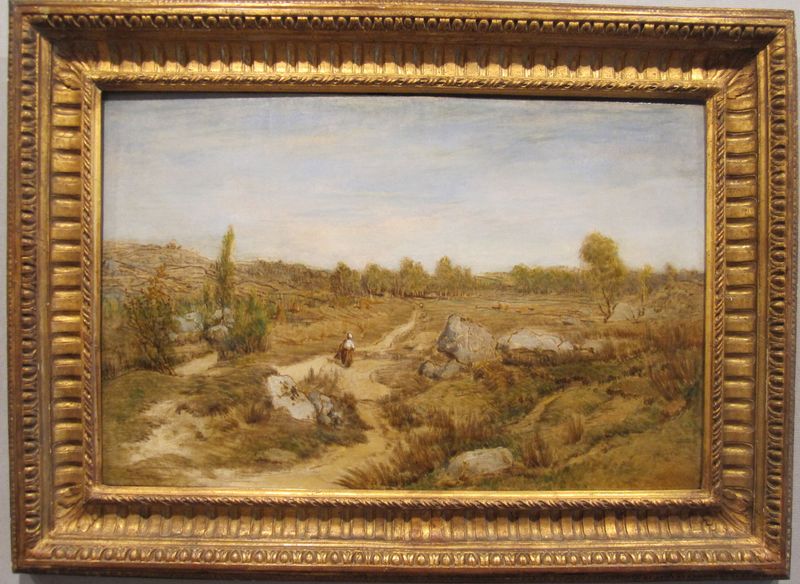
Valley of the Rouars in the Gorges d’Apremont
Théodore Rousseau
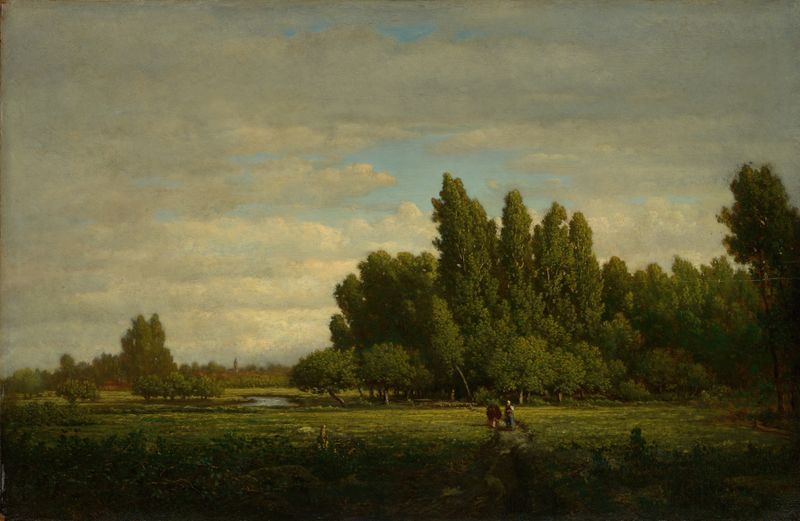
A Meadow Bordered by Trees
Théodore Rousseau
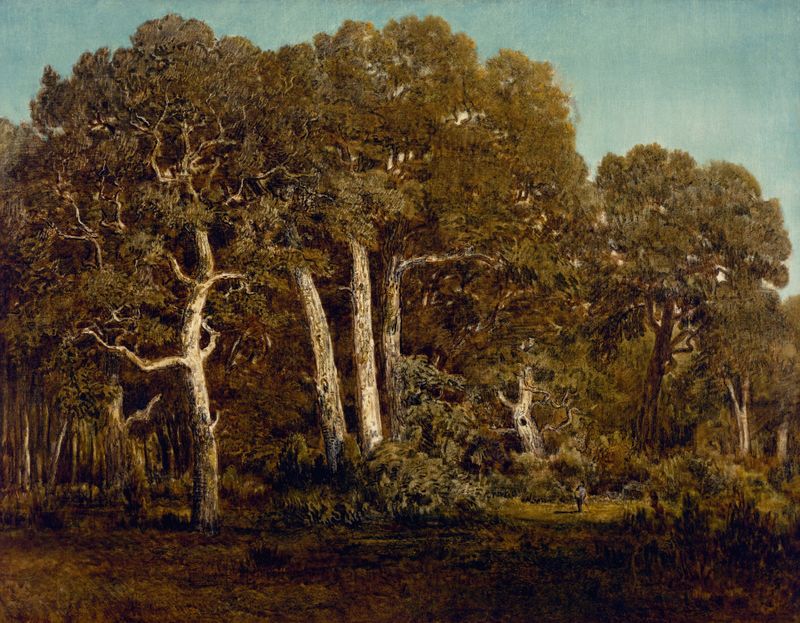
The Great Oaks of Old Bas-Bréau
Théodore Rousseau
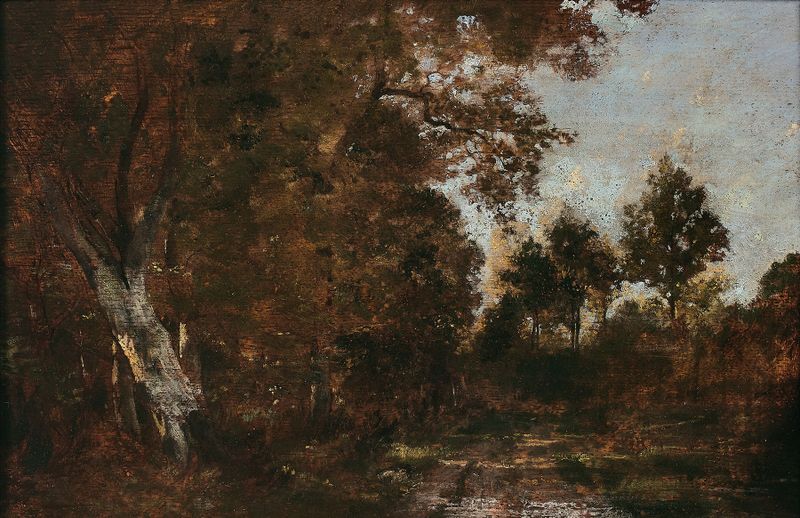
Paysage de sous-bois
Théodore Rousseau
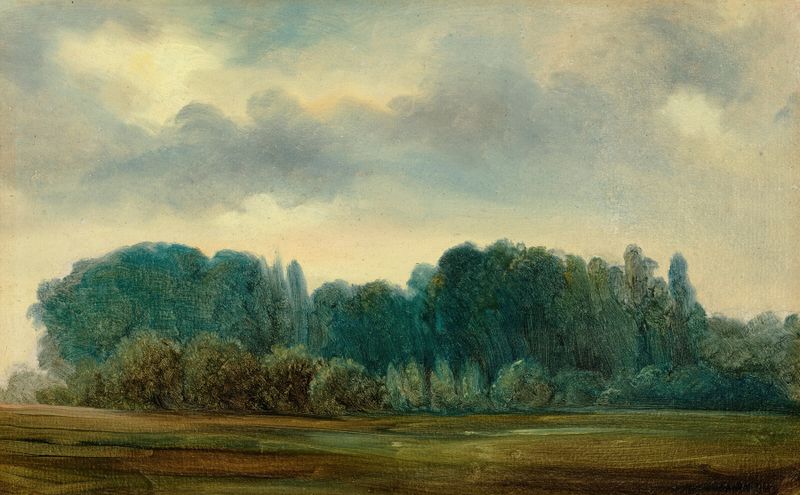
Paysage
Théodore Rousseau
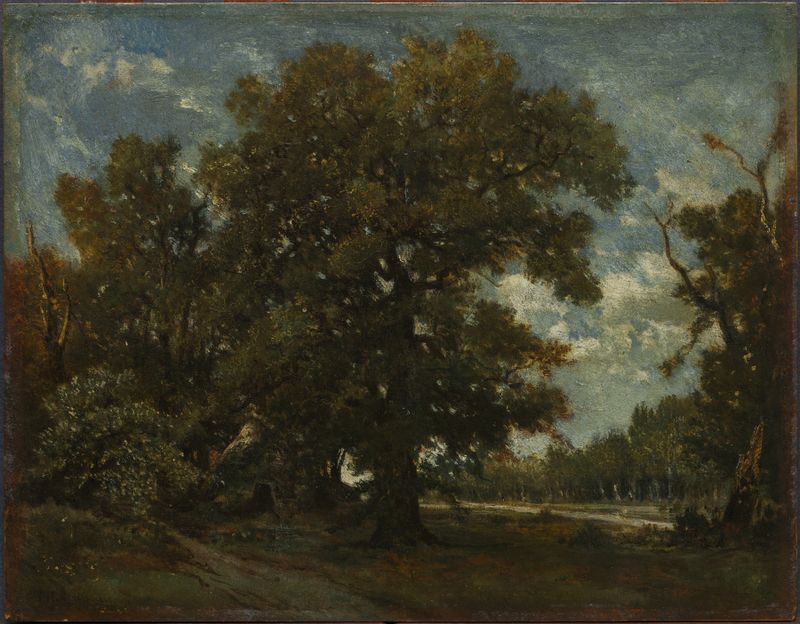
The Oak Tree
Théodore Rousseau
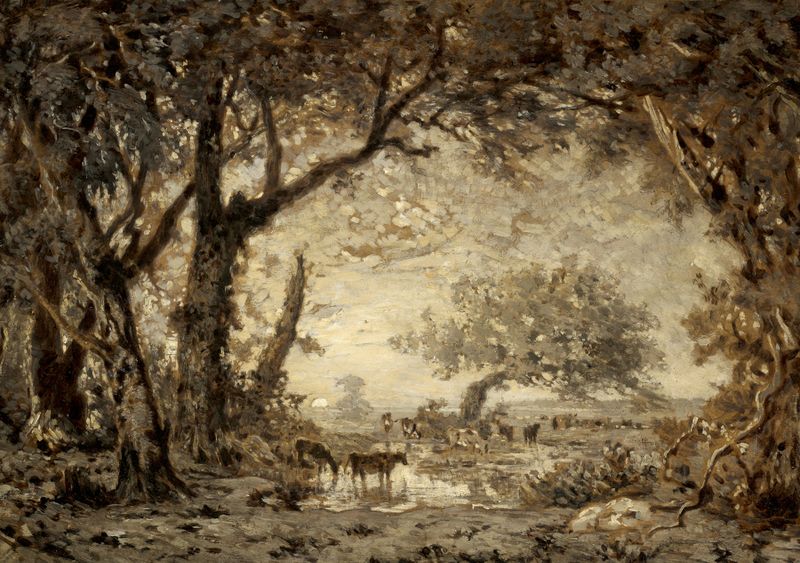
Sunset from the Forest of Fontainebleau
Théodore Rousseau
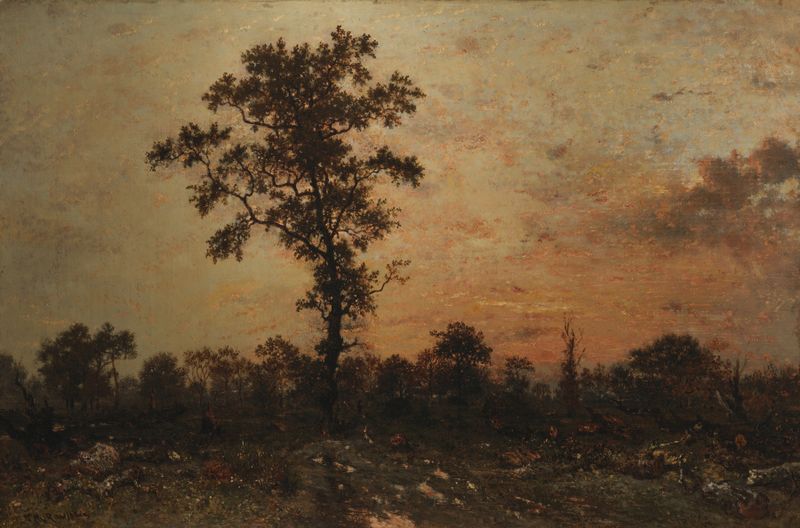
Edge of the Forest, Sun Setting
Théodore Rousseau
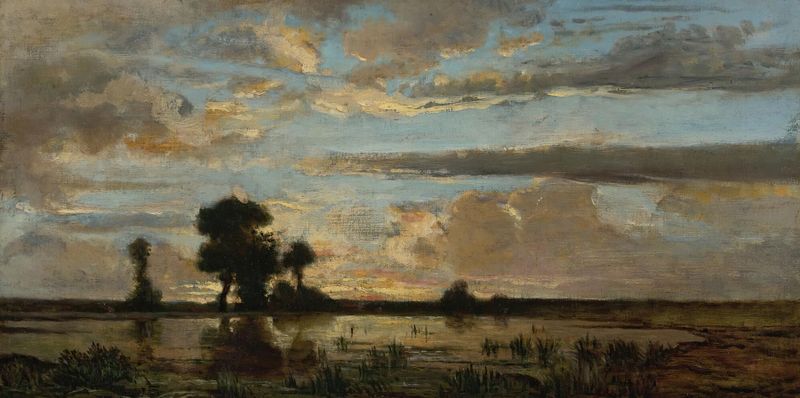
Soleil Couchant
Théodore Rousseau





