
Wild Duck Shooting — History & Facts
Can beauty exist without sorrow? This question lingers as one gazes upon Edward Duncan's Wild Duck Shooting, a poignant reflection on the fleeting nature of memory and the weight of choices made in the pursuit of pleasure. Look to the foreground, where a group of hunters stands poised in a moment filled with anticipation, their expressions revealing a blend of excitement and contemplation. Notice the warm hues of ochre and green that envelop the scene, creating an inviting yet somber atmosphere. The contrasting light filtering through the trees highlights the delicate balance between the thrill of the hunt and the quietude of nature, urging viewers to consider the duality of their actions and the beauty that surrounds them. As you explore deeper, observe the small details: the lifeless duck draped over the hunter's arm and the subtle shudders of the trees in the background, telling stories of both vitality and loss.
These elements suggest an underlying tension—each successful shot comes with its own sacrifice, each moment of joy laced with a shadow of regret. The interplay of vibrant life and the stark reality of death invites reflection on the human condition, revealing the bittersweet nature of memory itself. In 1825, when this work was created, Duncan was immersed in a world where naturalistic painting was celebrated, and the Romantic movement was gaining momentum. This period marked immense changes in art, with artists beginning to embrace emotional depth and the complexities of human experience.
Duncan, through this piece, not only captured a moment in time but also engaged with the broader themes of nostalgia and the moral implications of man's relationship with nature.
More Artworks by Edward Duncan
Browse all →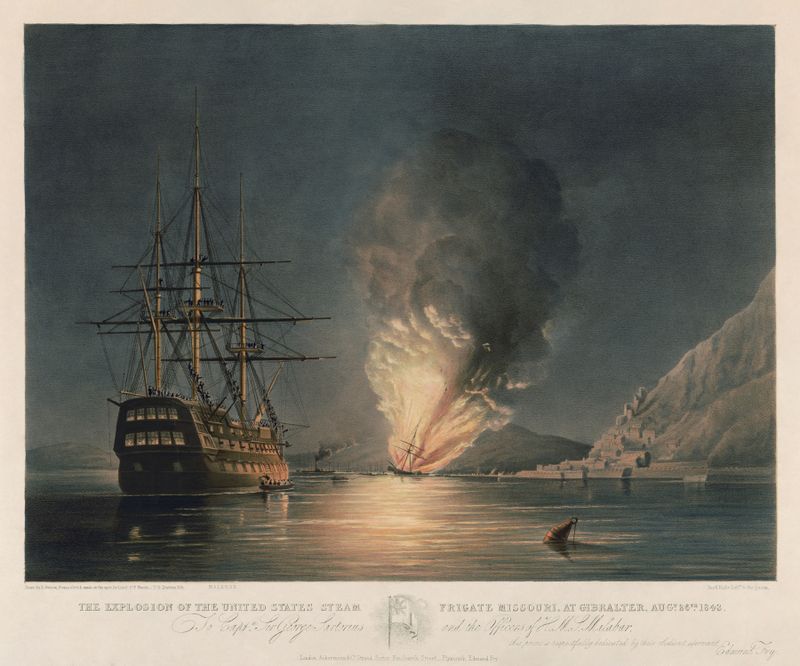
The Explosion of the United States Steam Frigate Missouri
Edward Duncan
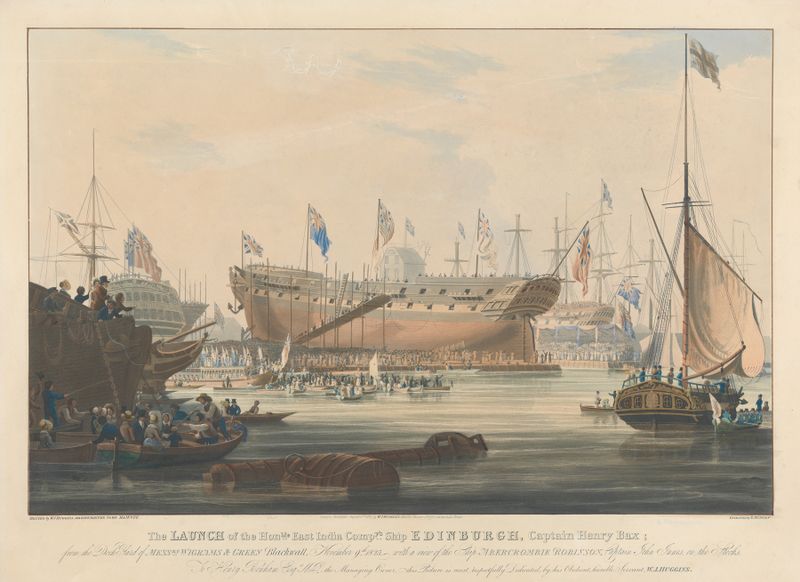
Launch of the ‘Edinburgh’, Blackwall, Nov. 9, 1825
Edward Duncan
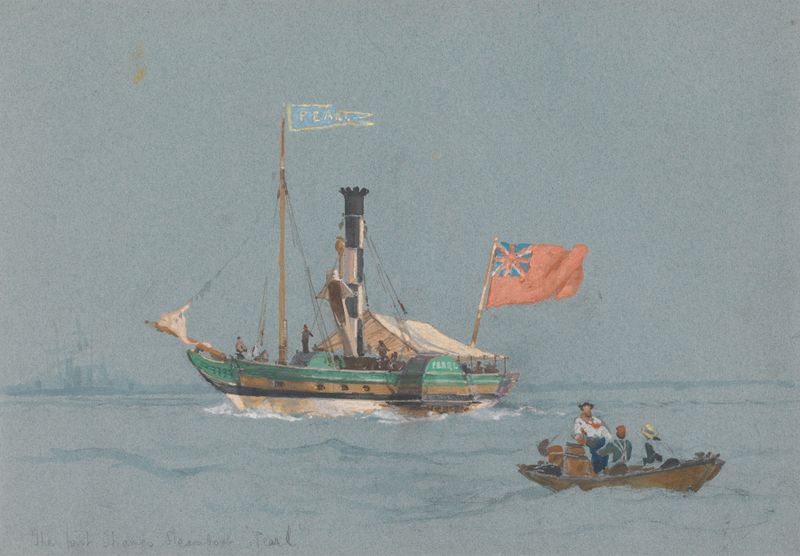
The First Thames Steamboat: Pearl
Edward Duncan
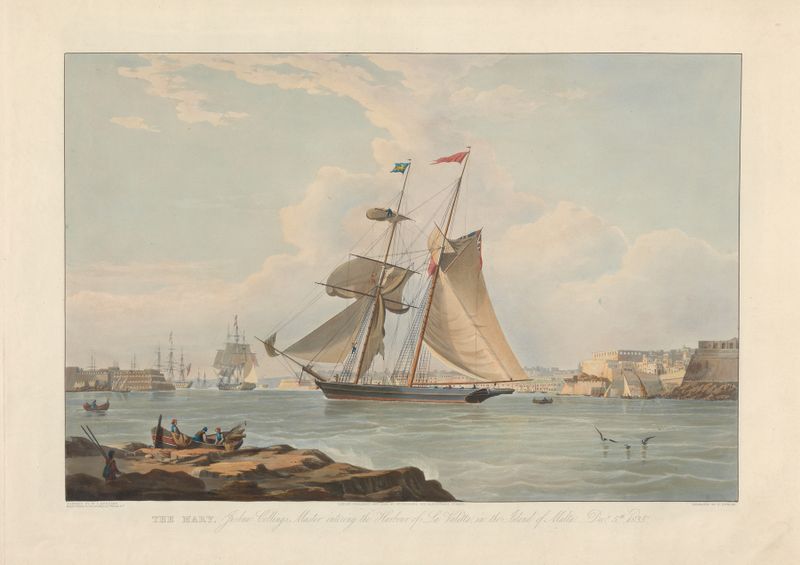
The Mary, Joshua Collings, Master, Entering the Harbour of La Valletta, in the Island of Malta, Dec. 5, 1835
Edward Duncan
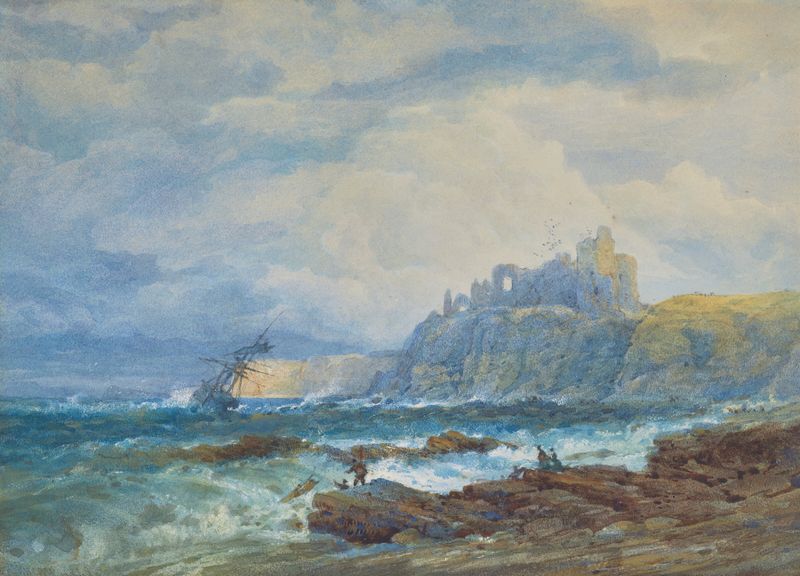
A ship in distress off Tantallon Castle, Scotland
Edward Duncan
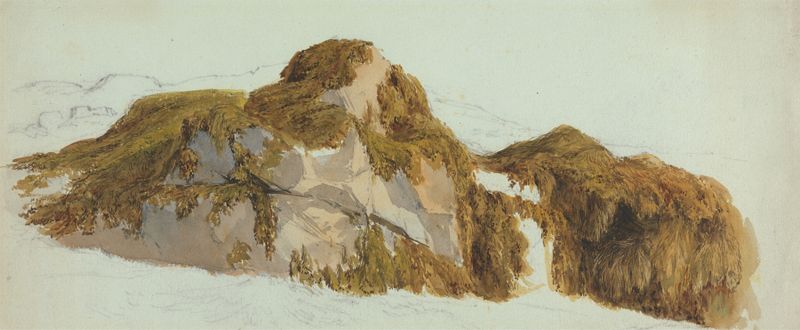
Study of Rocks Covered with Seaweed
Edward Duncan
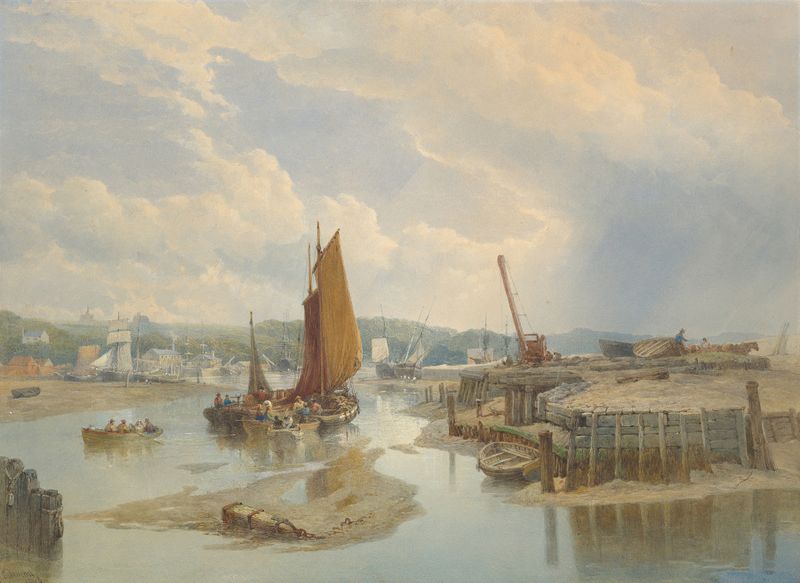
A Town on an Estuary at Low Tide
Edward Duncan
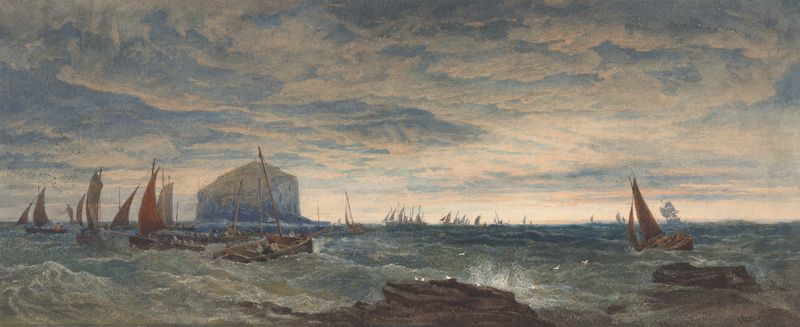
The Bass Rock at Dawn
Edward Duncan
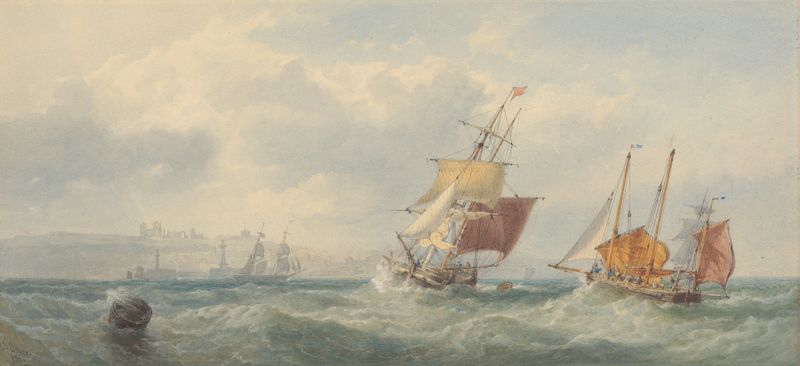
Off Whitby
Edward Duncan
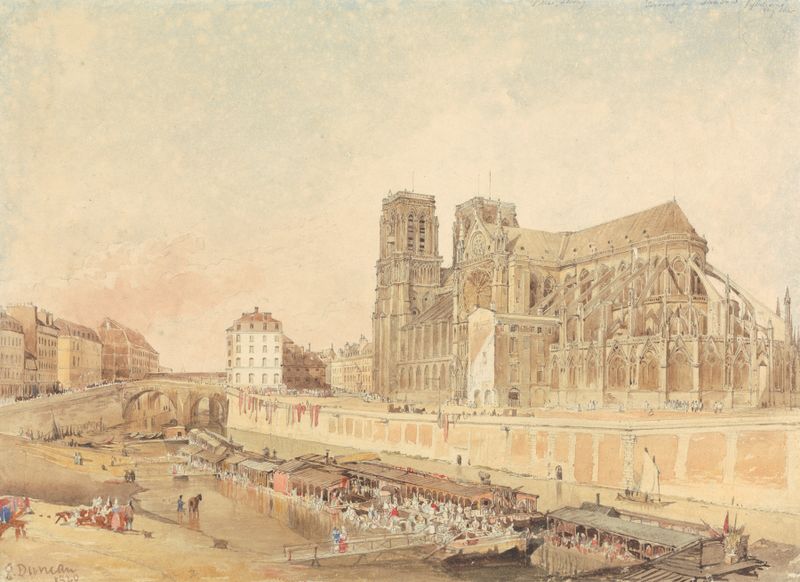
Notre Dame, Paris, from the Left Bank
Edward Duncan





