
Wildcat Canyon — History & Facts
In the stillness of Wildcat Canyon, loss lingers like a whisper carried by the wind, resonating between the rugged cliffs and the secluded stream below. The vastness of the canyon seems to cradle the weight of what has been, inviting reflection and stirring the soul. Focus your gaze on the deep blues and greens that dominate the canvas, where the interplay of light and shadow creates a dramatic contrast. Look to the left, where a jagged ridge rises sharply against the smooth contours of the canyon floor.
Notice how Haskell’s brushwork gives texture to the rocks, each stroke hinting at the passage of time and the erosion of memories, while the gentle curve of the stream offers a glimpse of hope amid the desolation. In this artwork, the starkness of the canyon juxtaposes with the flowing water, embodying the tension between permanence and transience. The towering cliffs stand as silent sentinels, perhaps guarding secrets of the past, while the meandering stream hints at renewal, a reminder that even in loss, there can be a journey toward healing. Hidden details, like the delicate play of light on the water’s surface, speak to the fleeting moments of beauty that arise even in solitude. Created between 1915 and 1925, this piece emerged during a transformative period for Haskell, who was exploring his identity as an artist amidst the evolving landscape of American art.
The tumultuous events of the early 20th century, coupled with a personal search for meaning in his surroundings, informed his vision in this work. It reflects the broader shifts in society, where nature became both a refuge and a canvas for deeper introspection.
More Artworks by Ernest Haskell
Browse all →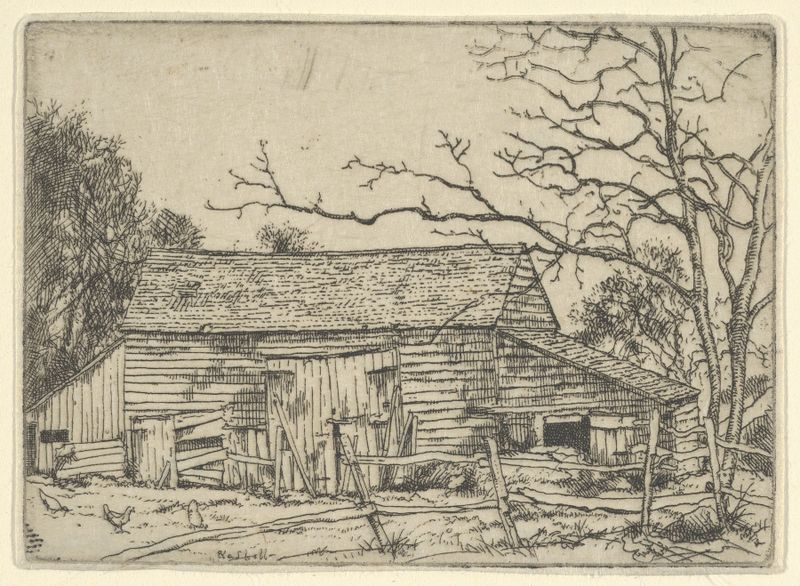
The Barn–Staten Island, N.Y.
Ernest Haskell

Four Live Oaks
Ernest Haskell
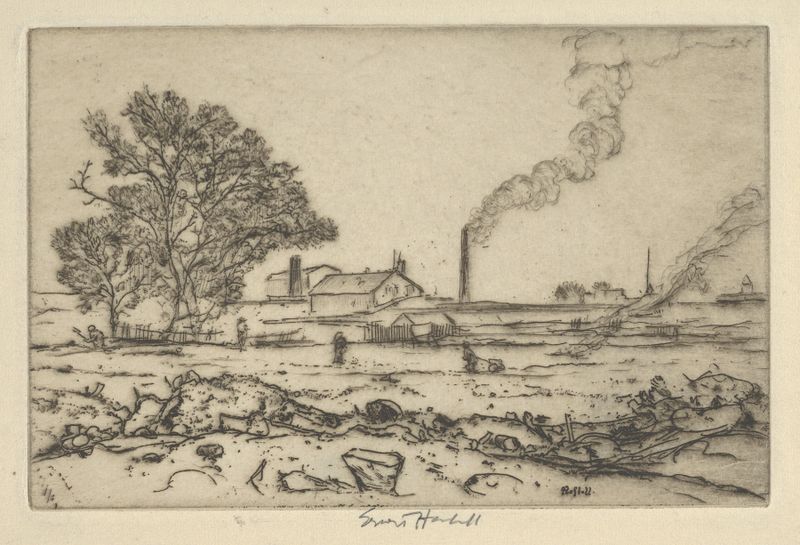
Outskirts of Boston
Ernest Haskell
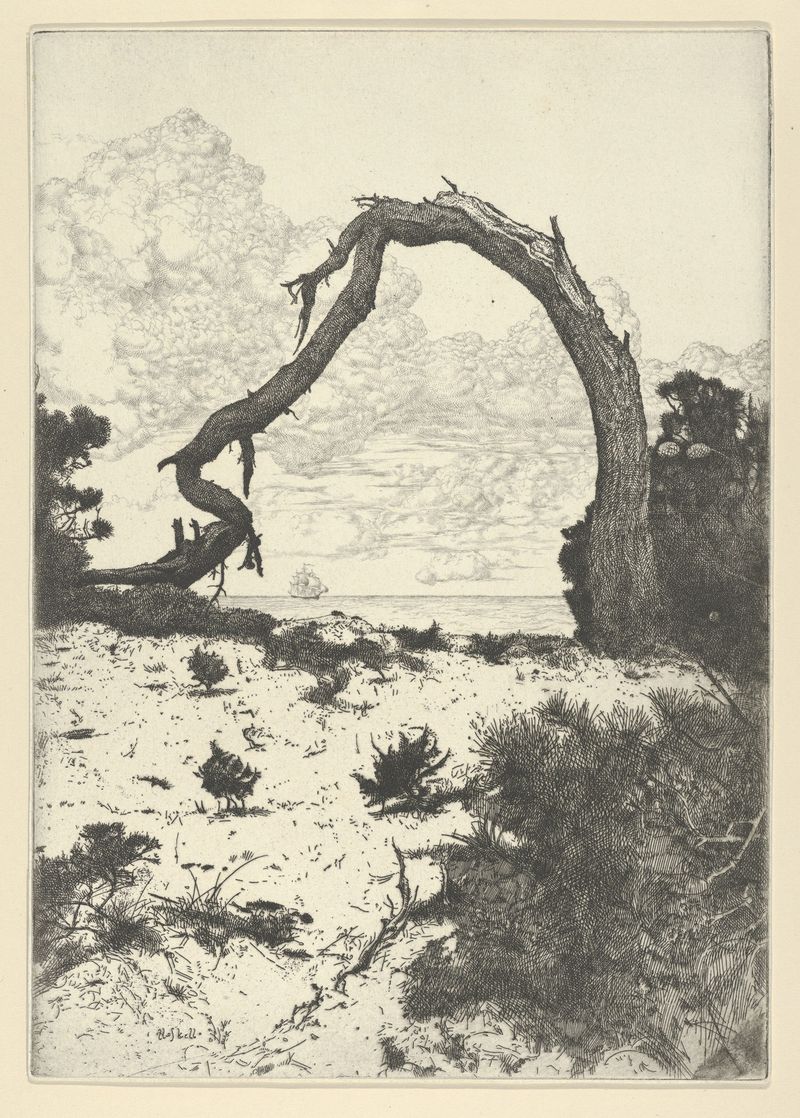
Pine Arch
Ernest Haskell

General Sherman
Ernest Haskell
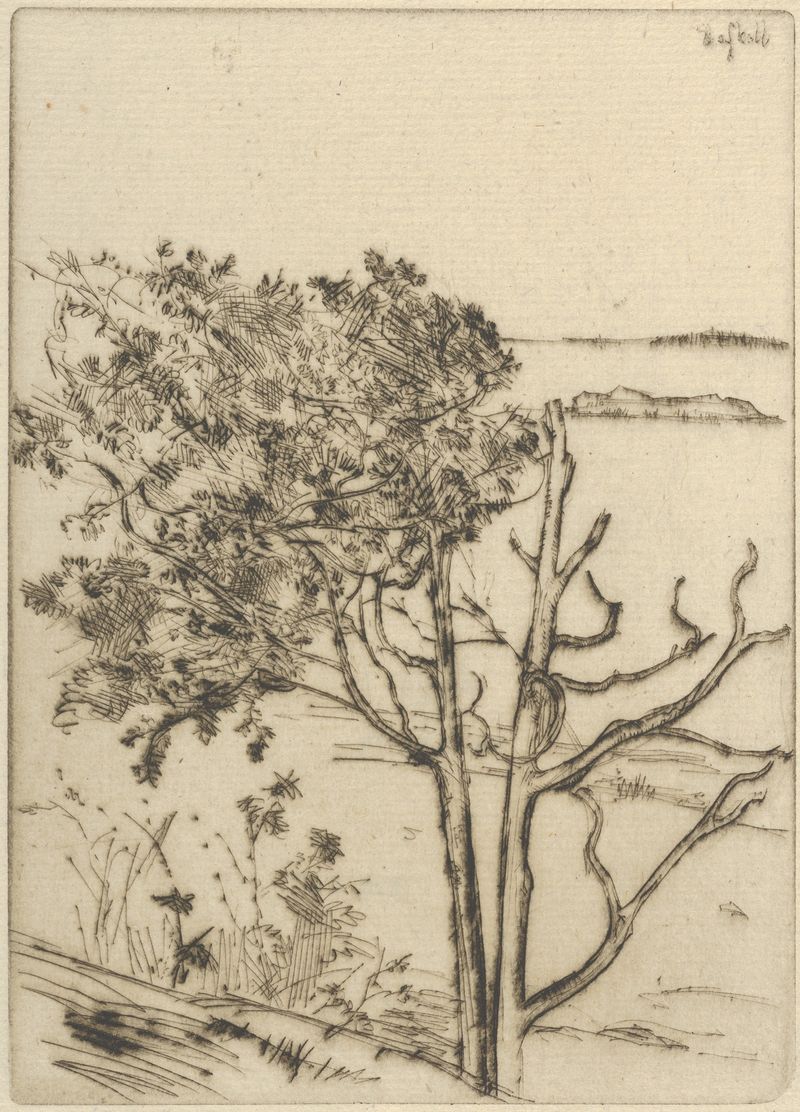
Ragged Tree – Maine
Ernest Haskell

Tide Mill
Ernest Haskell

Ship Building
Ernest Haskell
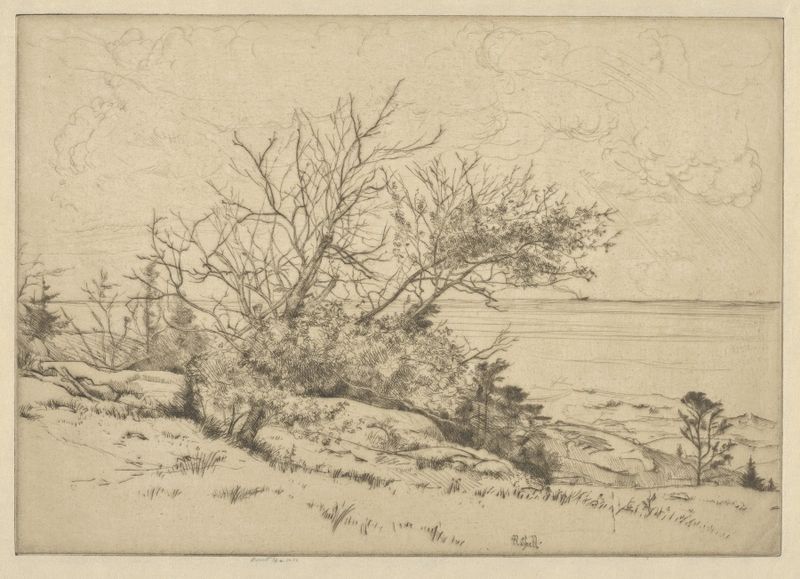
To the Southward – Ragged Island, Me.
Ernest Haskell
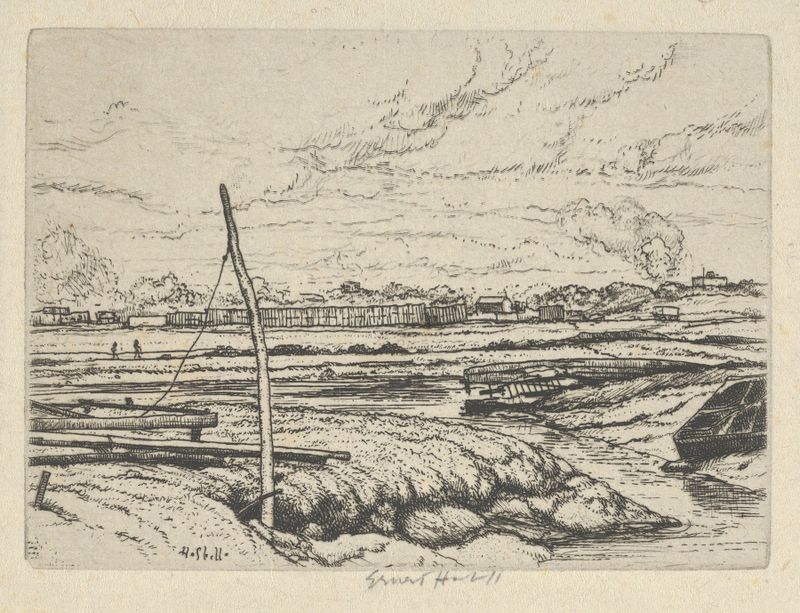
Long Island Marshes
Ernest Haskell





