
William Bayard — History & Facts
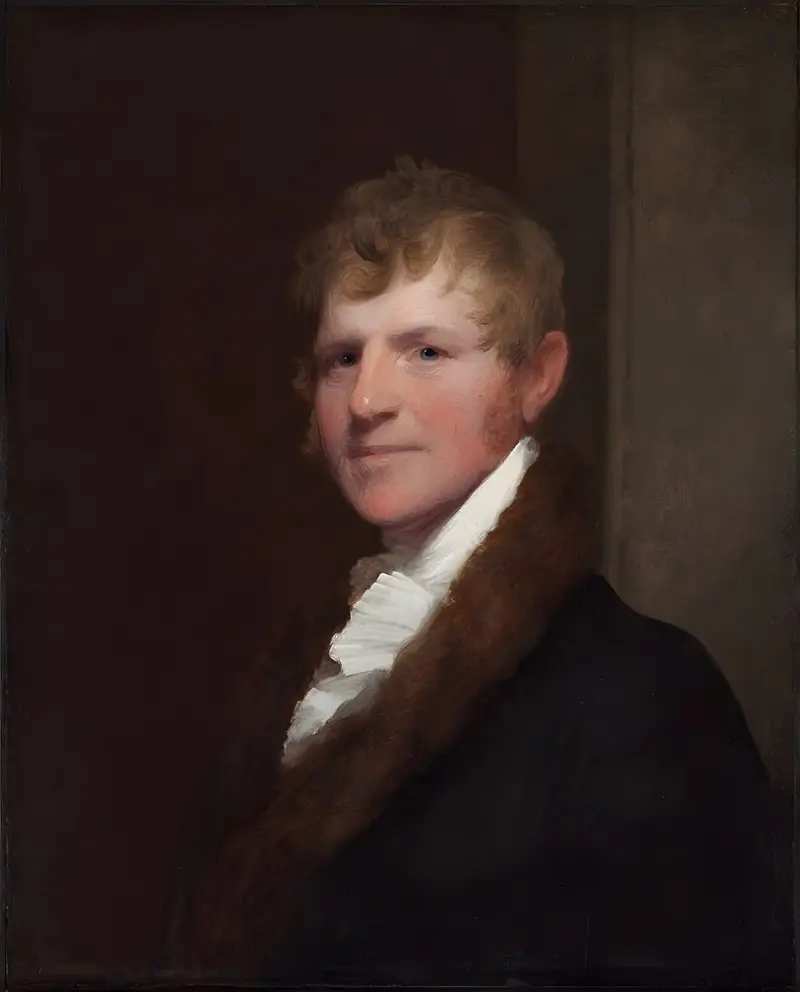
In William Bayard, Gilbert Stuart captures the likeness of a man dressed in formal attire, indicative of his social status. The color palette features rich, deep hues, particularly in the dark suit and the warm tones of the background. Bayard's expression is serious, reflecting the dignity of his character.
The overall composition is balanced, drawing the viewer's eye to the subject's face. The painting is executed in oil on canvas, a common medium for portraits of this era. Stuart's technique is characterized by smooth brushwork and a keen attention to detail, especially in the rendering of facial features and textures of clothing. The dimensions are approximately 76 x 63 cm, making it a sizable portrait that commands presence.
The use of light and shadow enhances the three-dimensionality of Bayard's figure. Gilbert Stuart was a prominent American painter known for his portraits of founding fathers and other notable figures. This work, painted in the c. 1790s, reflects the Colonial American style, which emphasizes realism and detail.
An interesting fact about this portrait is that Stuart often painted multiple versions of the same subject, as was the case with Bayard, who was a close associate of George Washington. This particular painting is housed in the National Gallery of Art Washington.
More Artworks by Gilbert Stuart
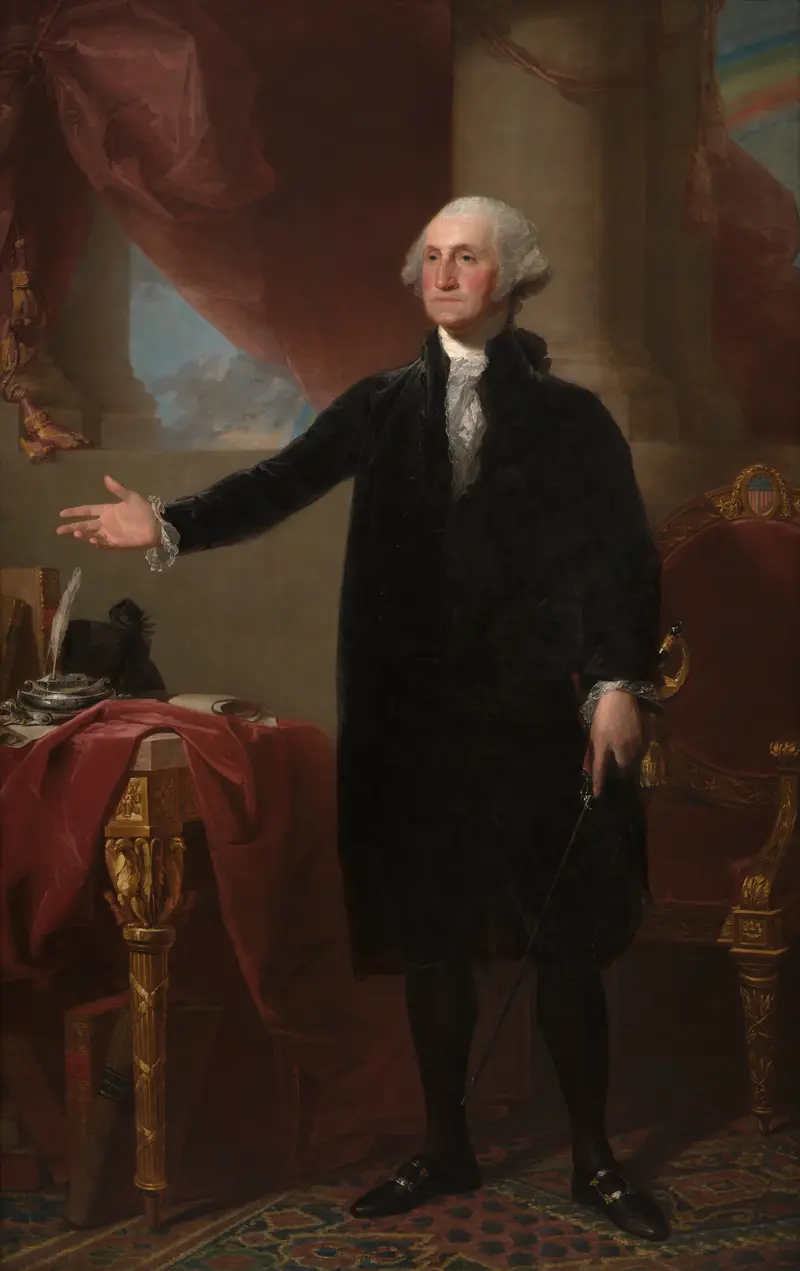
George Washington (Lansdowne Portrait)
Gilbert Stuart

Thomas Jefferson
Gilbert Stuart

George Washington (Vaughan portrait)
Gilbert Stuart
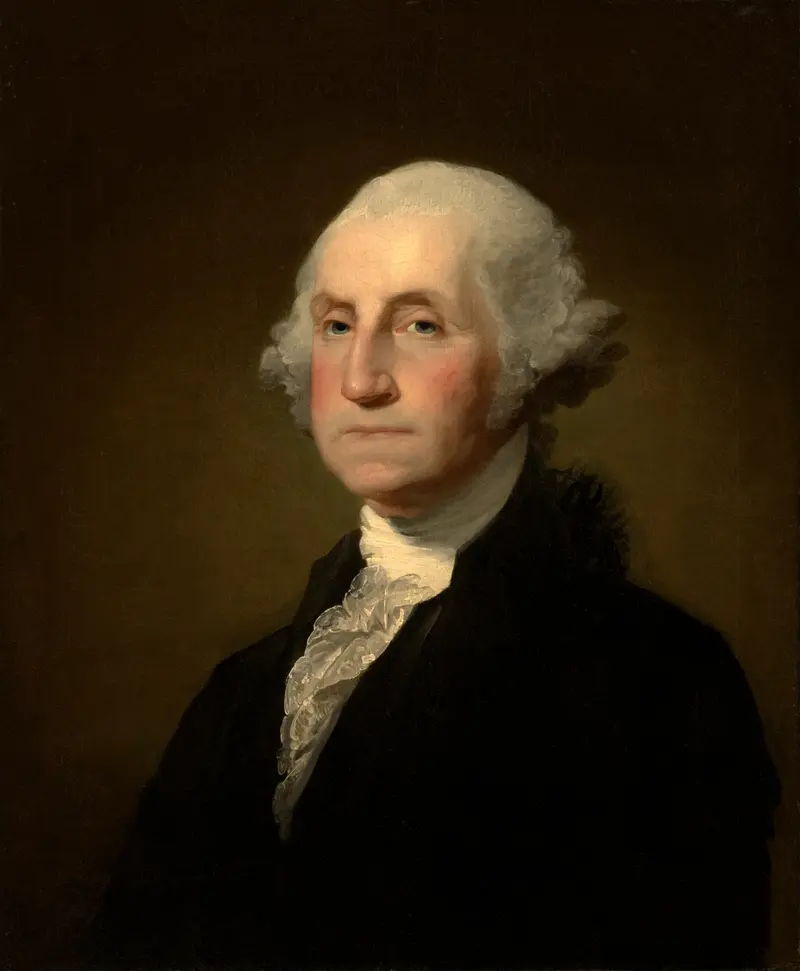
George Washington
Gilbert Stuart
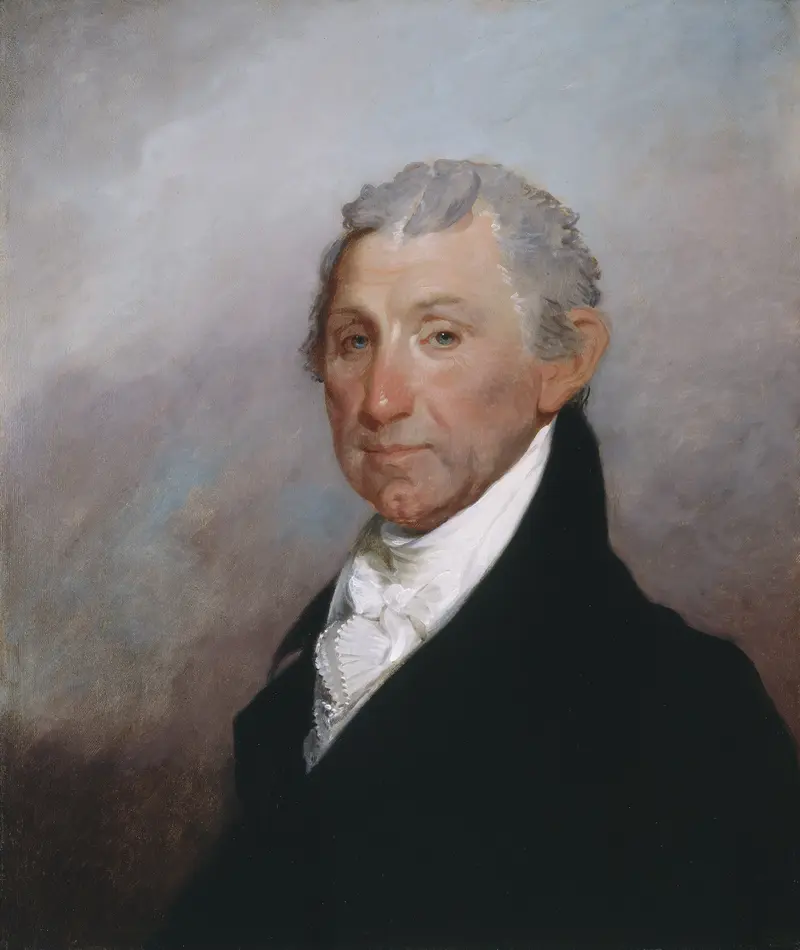
James Monroe
Gilbert Stuart
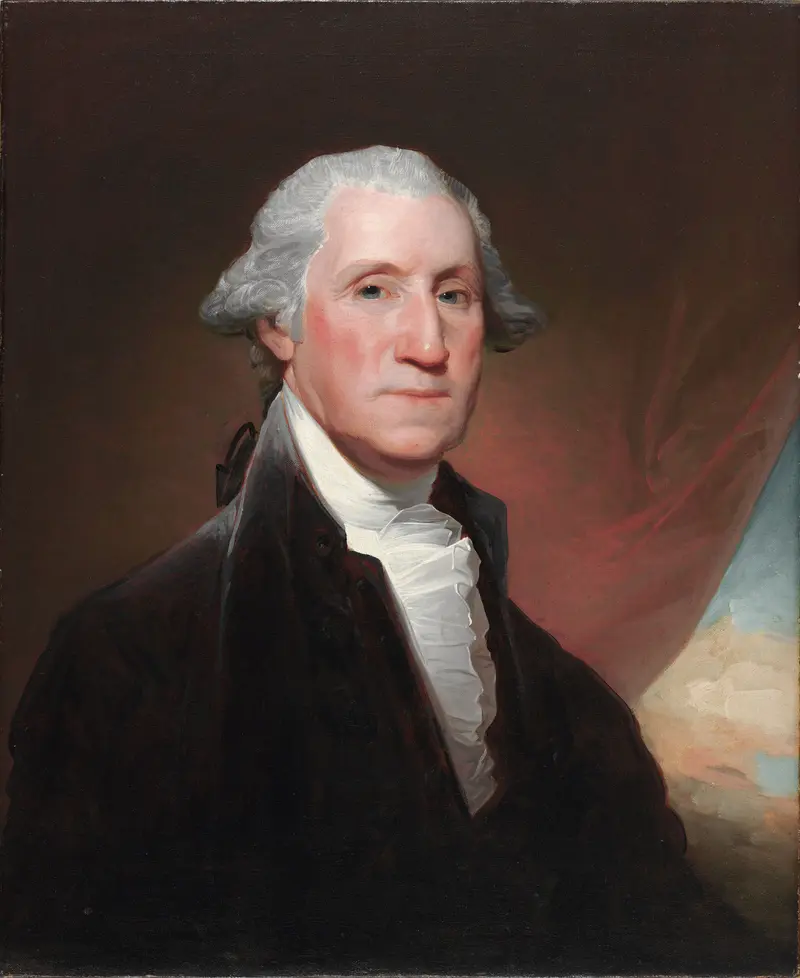
George Washington (1732-1799)
Gilbert Stuart
Josiah Quincy, Jr. (1802-1882)
Gilbert Stuart

Susannah Powell Mason (Mrs. Jonathan Mason)
Gilbert Stuart
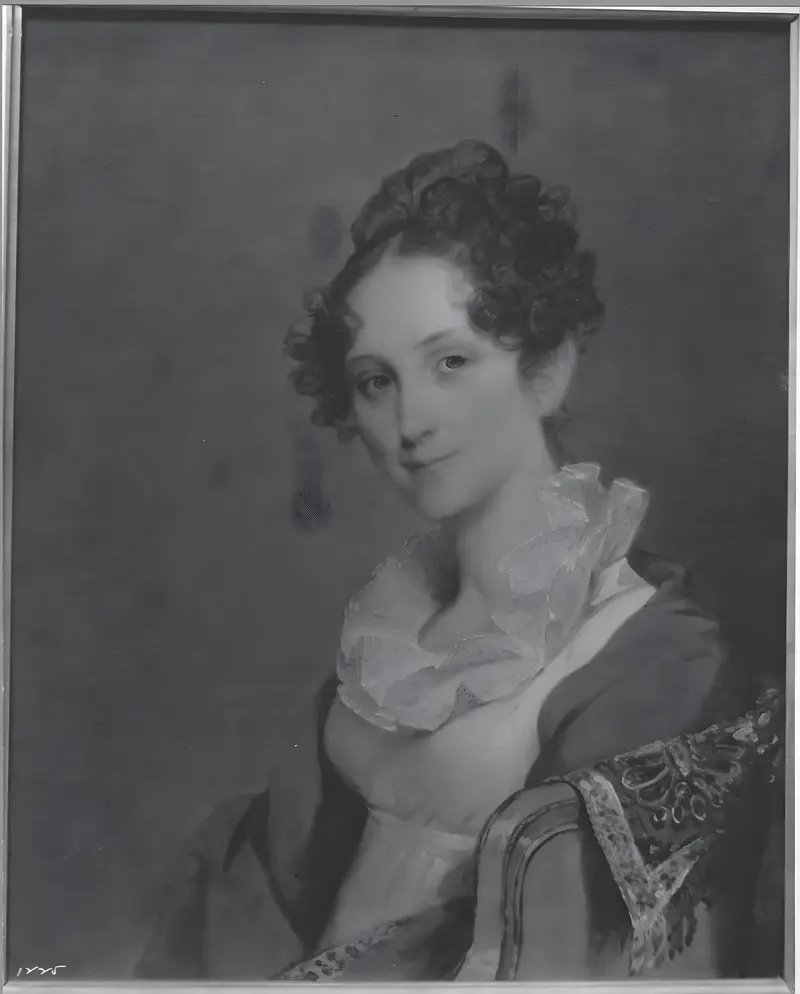
Elizabeth Winslow Whitman Williams (Mrs. Samuel King Williams) (1795-1886)
Gilbert Stuart
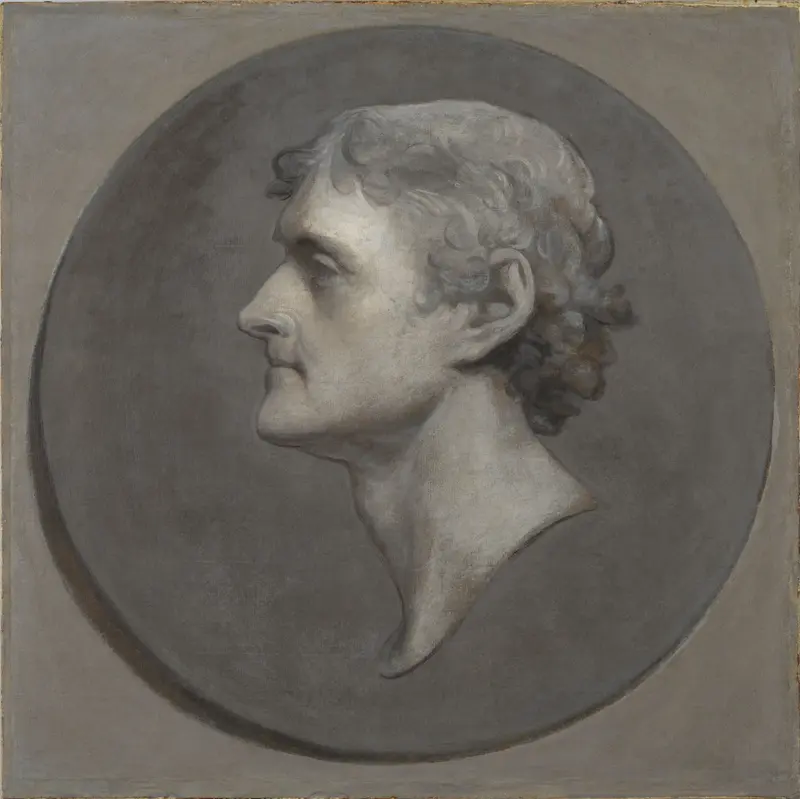
Thomas Jefferson (1743-1826) (The Medallion Portrait)
Gilbert Stuart





