
William Michael Spartali Stillman — History & Facts
The first thing that catches the eye in William Michael Spartali Stillman by Abbott Handerson Thayer is the intensity of the sitter’s gaze, a look that seems to emerge from the shadowed depths of the background. Light falls sharply across the face, carving out the planes of the cheek and brow, while the rest dissolves into a swirl of earthy tones and rough textures. The unusual garment—a heavy, fur-like cloak with a pale, almost skeletal collar—adds a note of mystery, suggesting both protection and vulnerability.
Thayer’s brushwork is loose and suggestive, especially in the clothing, drawing the viewer’s attention back to the sharply rendered face. The sitter’s slightly parted lips and sidelong glance hint at a story withheld, inviting us to wonder what thoughts or secrets lie behind those eyes. Painted sometime between 1905 and 1915, this portrait belongs to a period when artists in America and Europe were experimenting with psychological depth and new ways of capturing character. Thayer, known for his portraits and allegorical figures, often sought to reveal a sitter’s inner life through dramatic lighting and expressive handling of paint.
Works like this, now held in the Brooklyn Museum’s collection, were often commissioned by families or painted for personal circles, serving as both likeness and psychological study. History has kept few traces of the exact circumstances behind this particular portrait, but its presence today is a testament to the enduring fascination with the human face—its mysteries, its moods, and the stories it almost tells.
More Artworks by Abbott Handerson Thayer
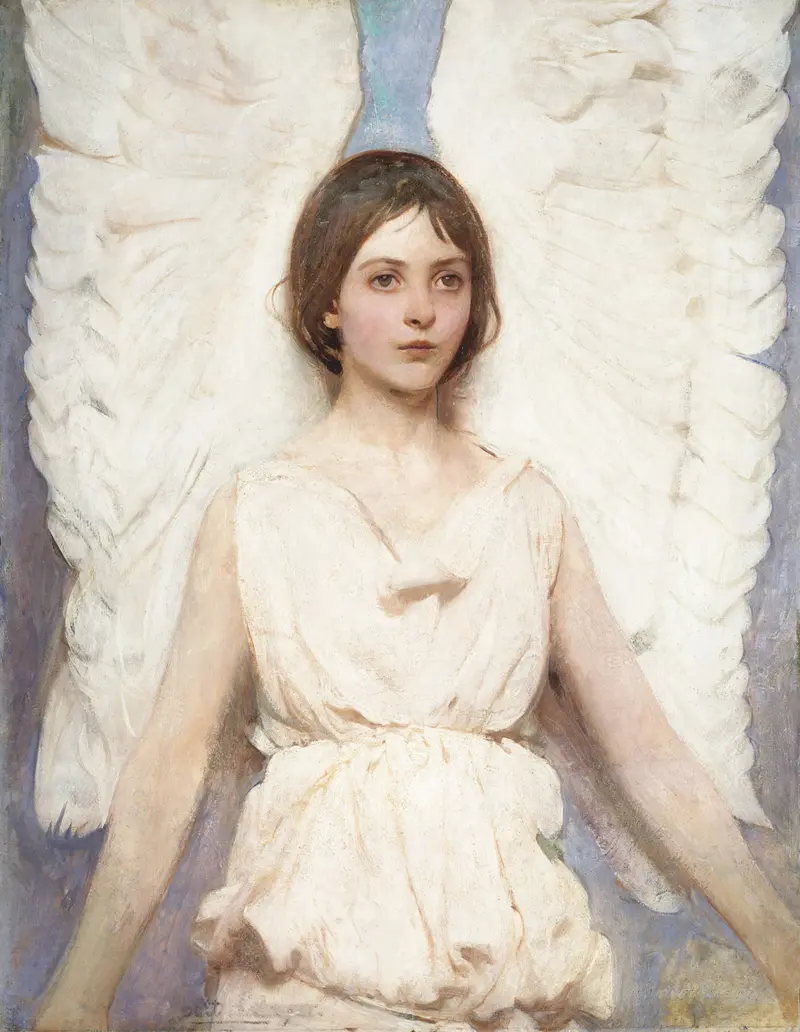
Angel
Abbott Handerson Thayer

Mount Monadnock
Abbott Handerson Thayer
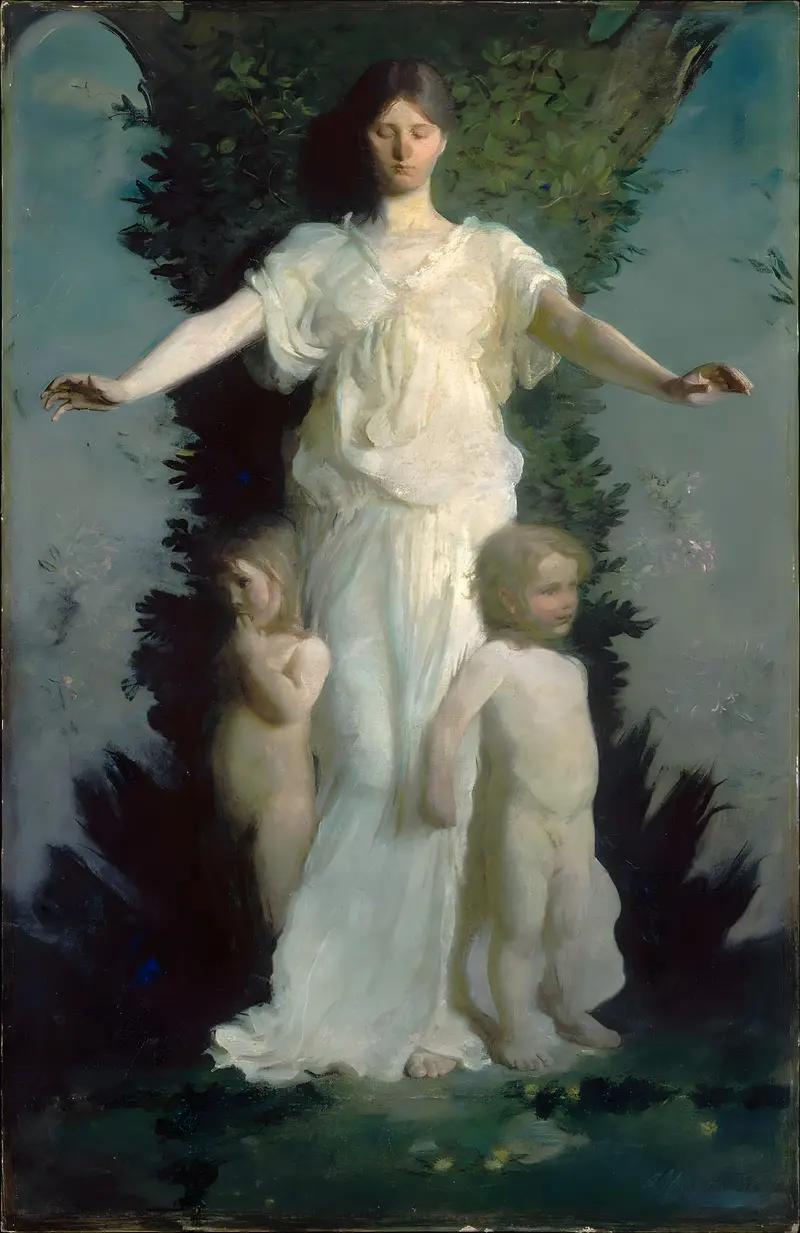
Caritas
Abbott Handerson Thayer

Winter, Monadnock
Abbott Handerson Thayer
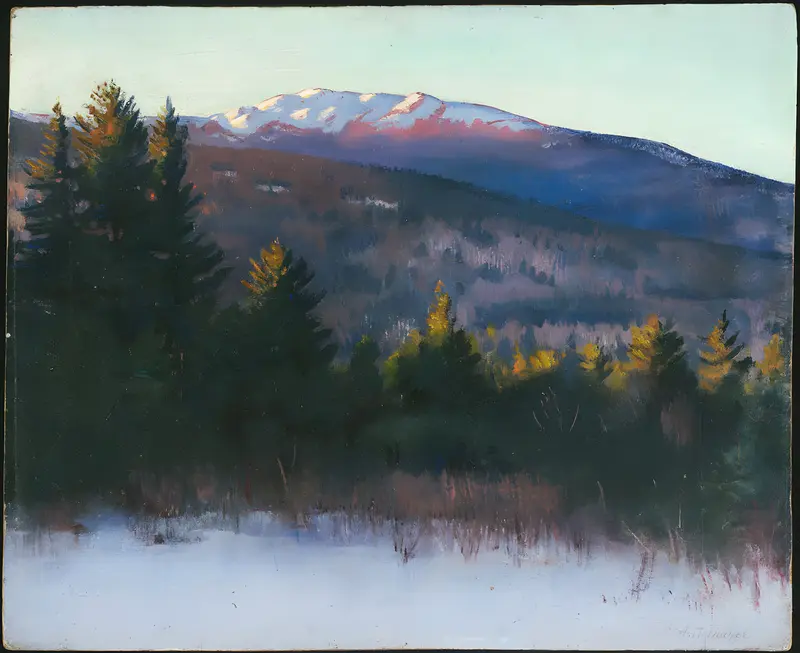
Mount Monadnock
Abbott Handerson Thayer
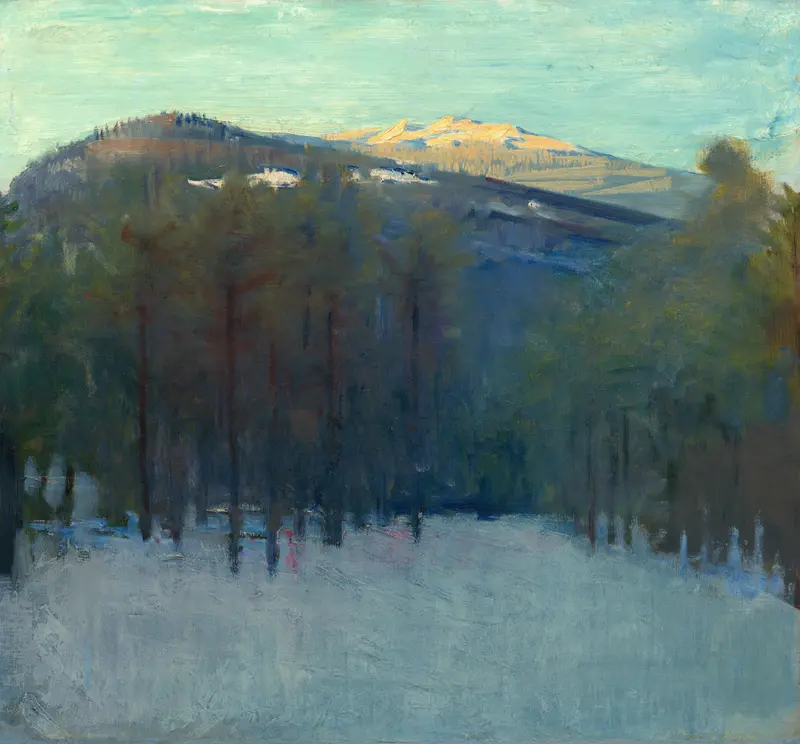
Mount Monadnock
Abbott Handerson Thayer
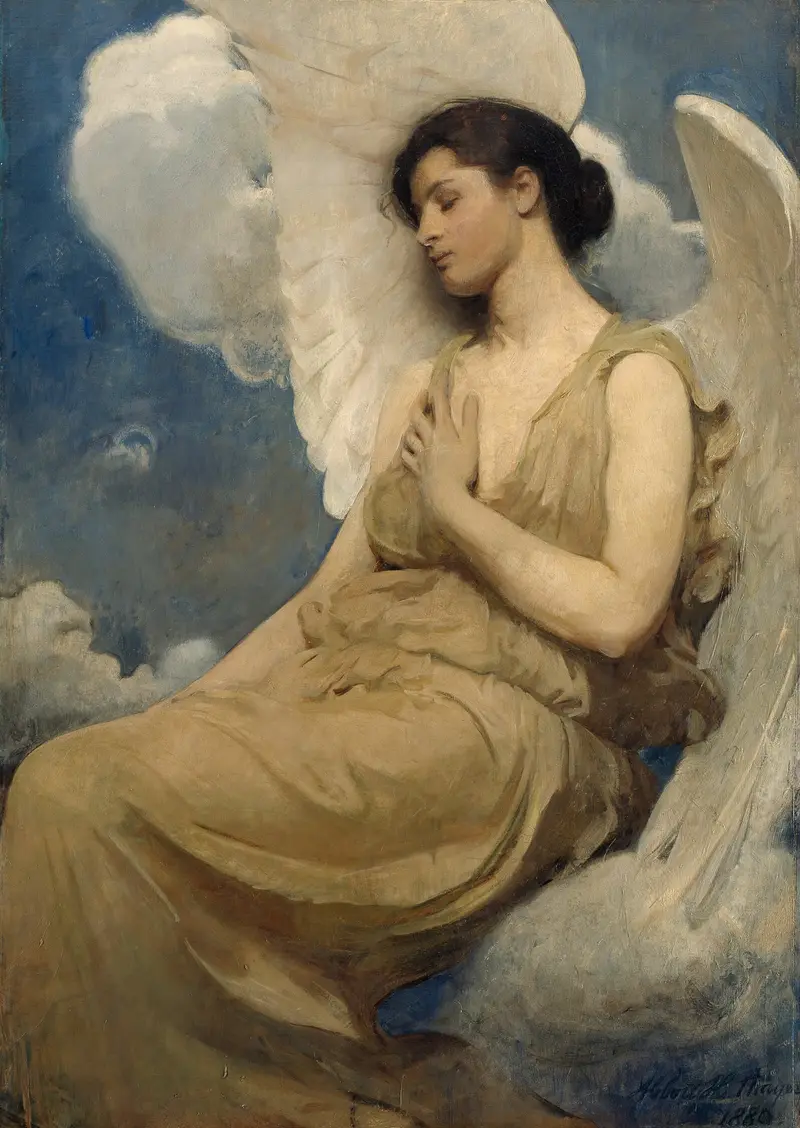
Winged Figure
Abbott Handerson Thayer
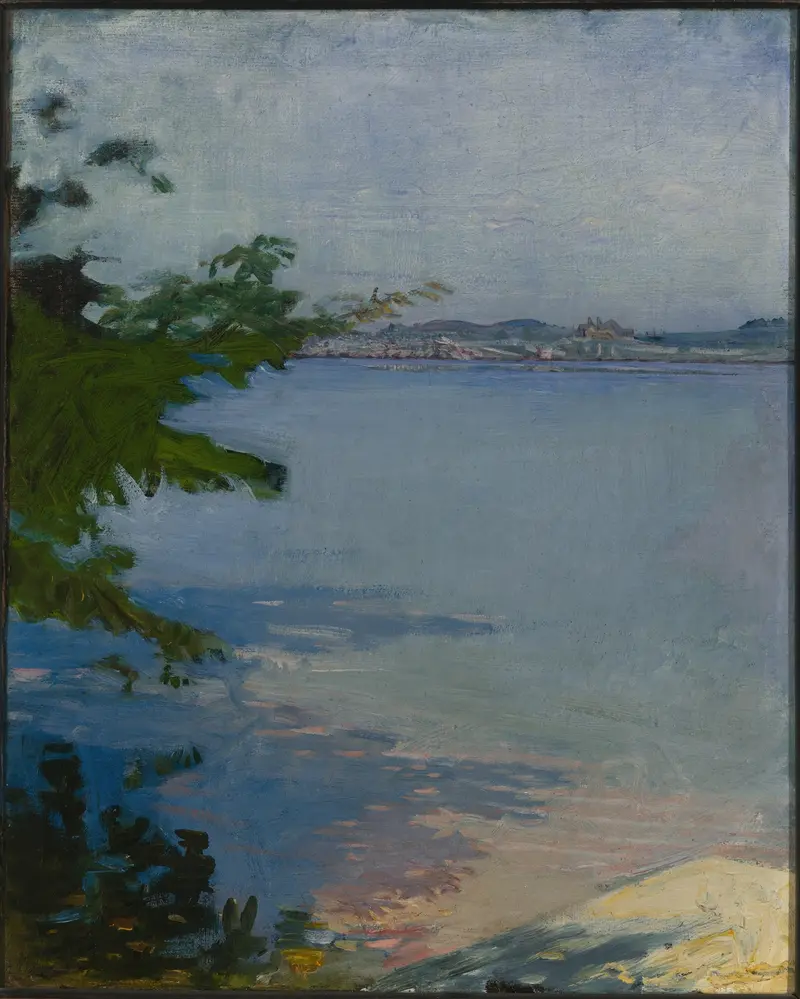
Dublin Pond, New Hampshire
Abbott Handerson Thayer
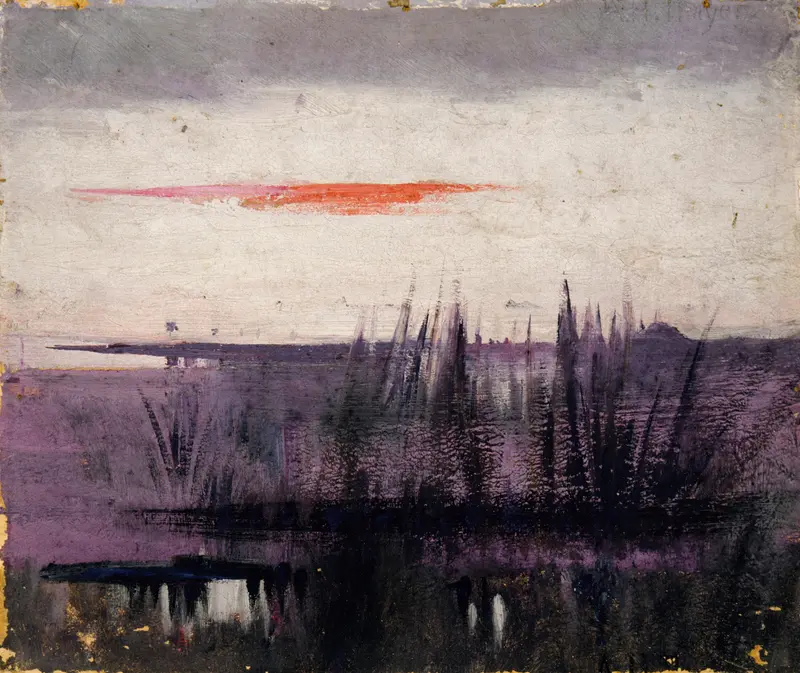
The Sky Simulated By White Flamingoes Study For Book, Concealing Coloration In The Animal Kingdom
Abbott Handerson Thayer
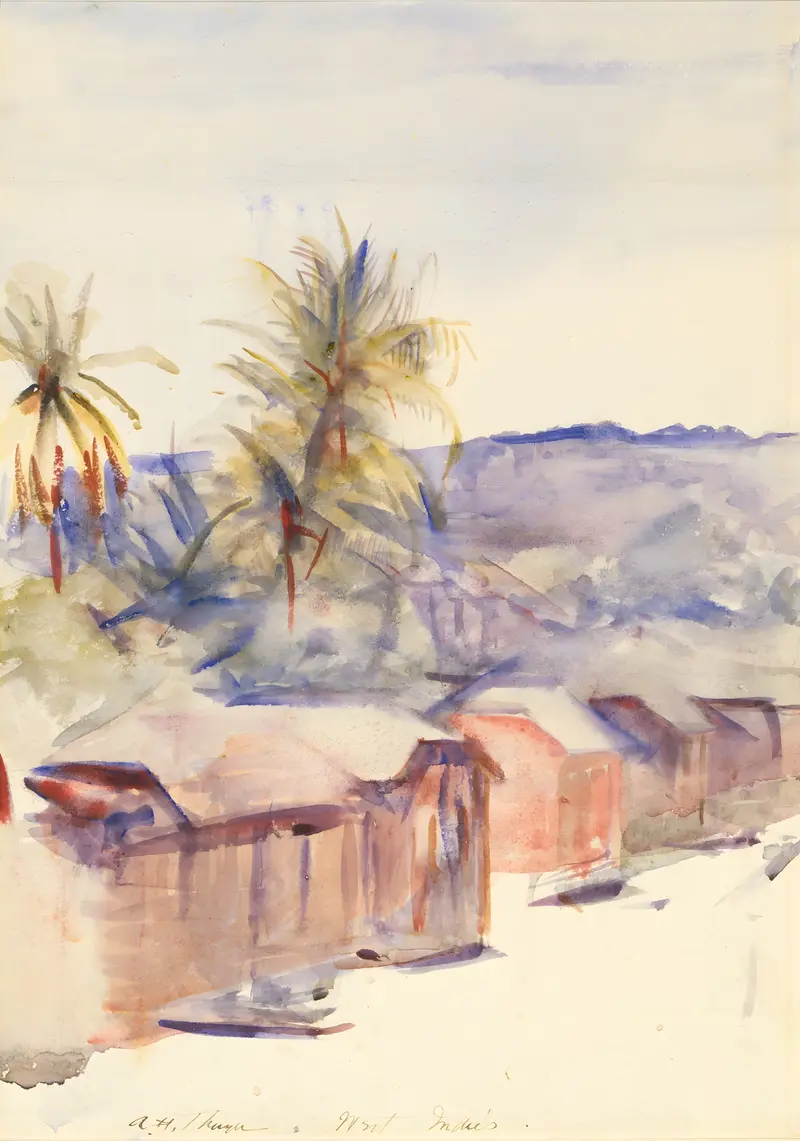
Village Street, Dominica
Abbott Handerson Thayer





