
Willow and Water — History & Facts
Within its stillness, it invites us to uncover buried truths, hidden beneath layers of paint and time. Look to the left at the graceful sweep of the willow branches, their emerald hues shimmering against the gentle blue of the water. Notice how the artist's brushstrokes create an ethereal dance, each stroke a whisper of life caught in a moment of reflection. The sunlight filters softly through the leaves, casting dappled shadows that blend seamlessly into the tranquil surface below, inviting contemplation and serenity. Yet, as the beauty of nature unfolds, a subtle tension emerges.
The weeping willow, a symbol of sorrow, leans toward the water as if yearning for solace, while the rippling surface mirrors an unspoken emotional depth. The palette of greens and blues, vibrant yet muted, suggests a tranquil juxtaposition of joy and melancholy, evoking a sense of longing for what lies beneath the surface of existence itself. During the years between 1900 and 1925, the artist found himself influenced by the burgeoning movements in American art, which sought to express individuality and truth through a unique lens of experience. Haskell painted this piece amidst a shifting landscape, as traditional norms were challenged and new visions of beauty emerged.
His work reflects a deep engagement with nature and emotion, capturing the essence of a world in transition, yet striving for authenticity.
More Artworks by Ernest Haskell
Browse all →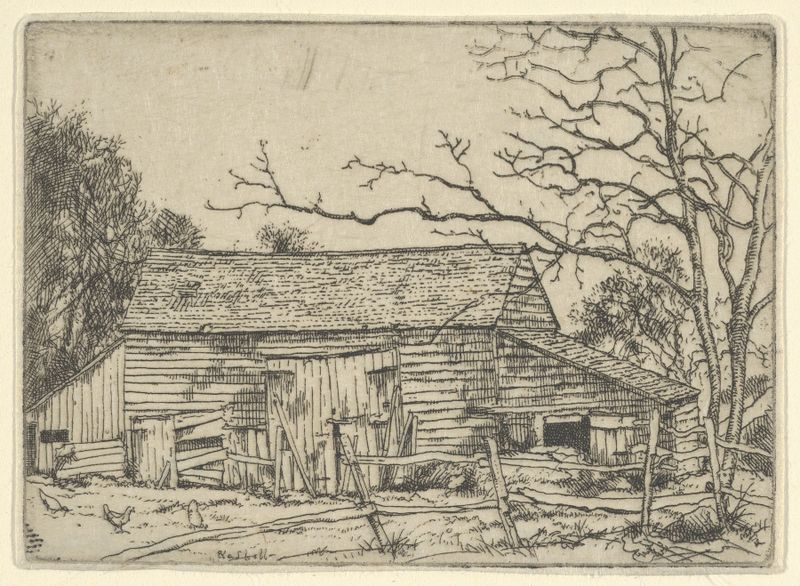
The Barn–Staten Island, N.Y.
Ernest Haskell

Four Live Oaks
Ernest Haskell
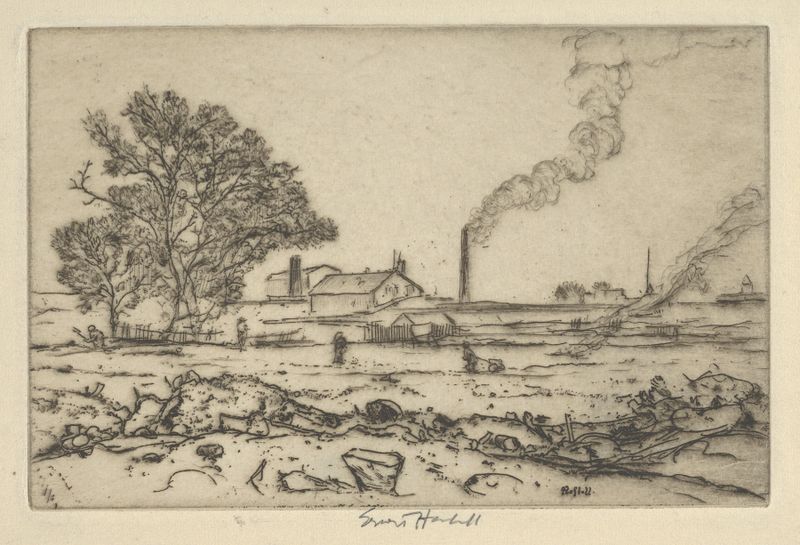
Outskirts of Boston
Ernest Haskell
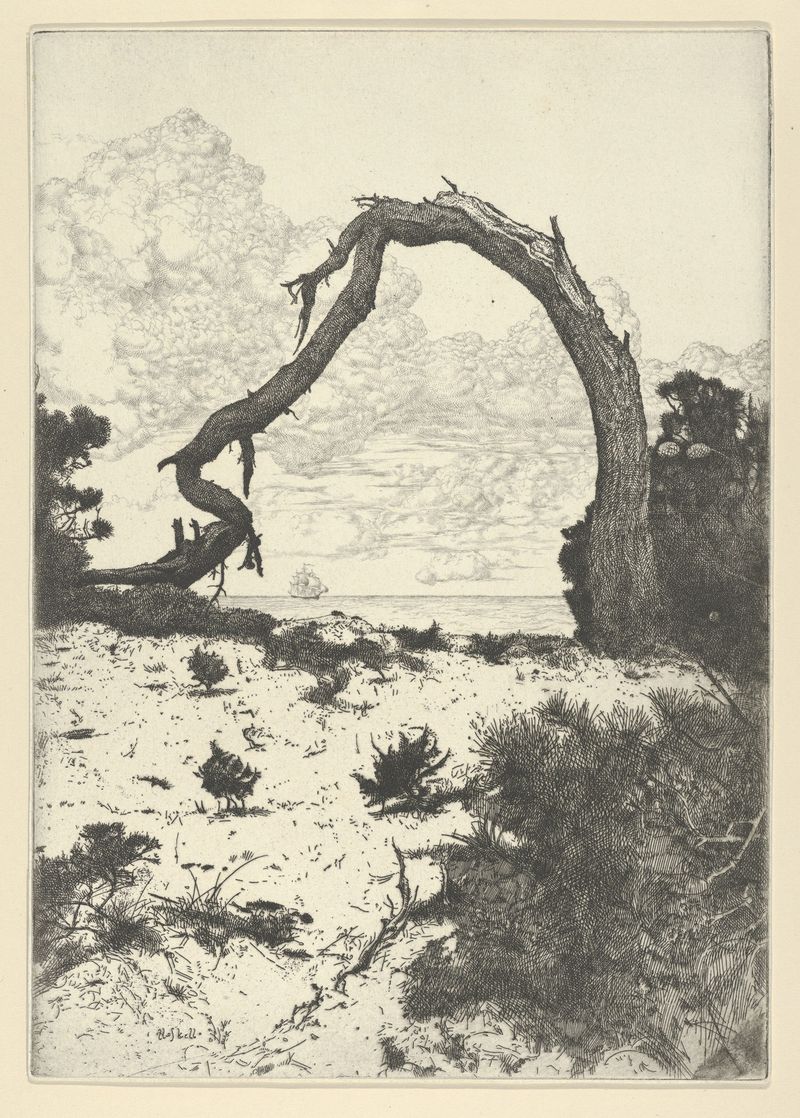
Pine Arch
Ernest Haskell

General Sherman
Ernest Haskell
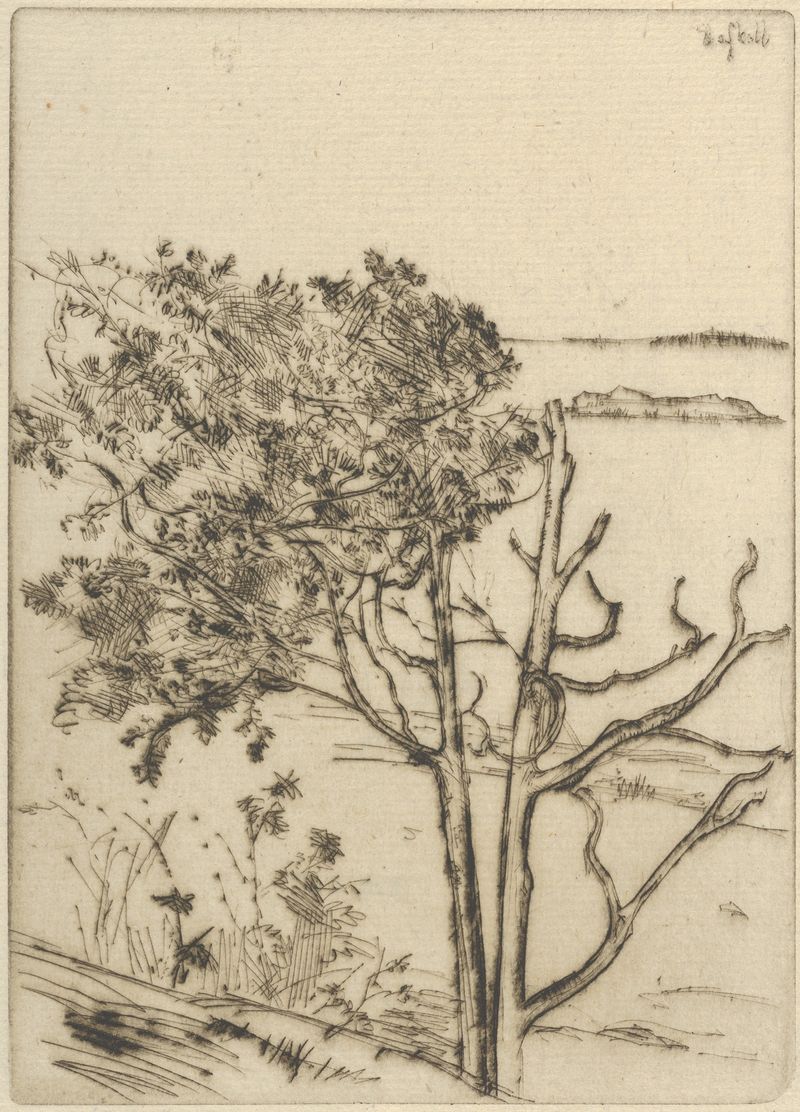
Ragged Tree – Maine
Ernest Haskell

Tide Mill
Ernest Haskell

Ship Building
Ernest Haskell
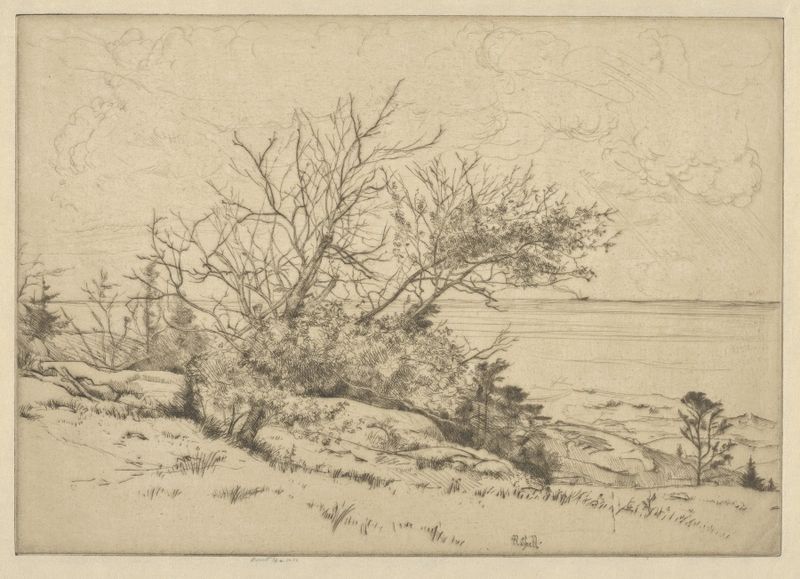
To the Southward – Ragged Island, Me.
Ernest Haskell
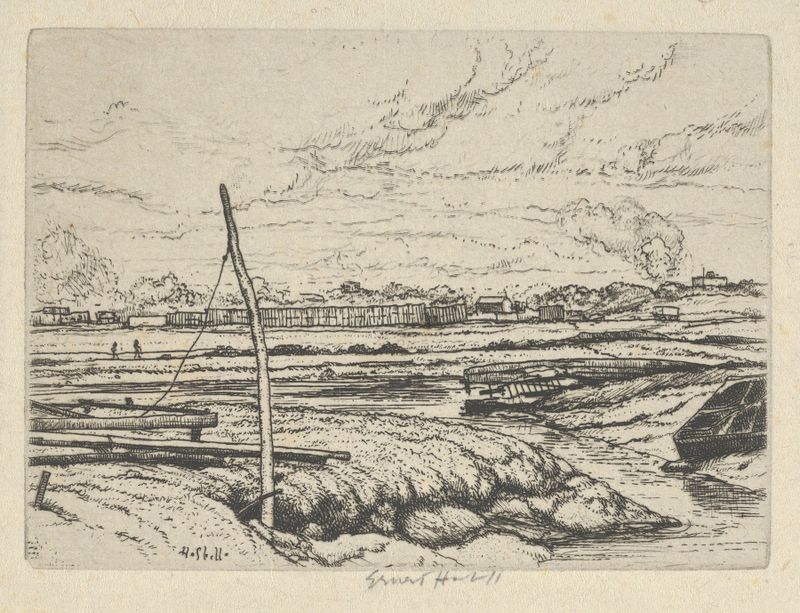
Long Island Marshes
Ernest Haskell





