
Windswept Landscape — History & Facts
Can beauty exist without sorrow? In the mesmerizing expanse of Windswept Landscape, the viewer is invited into a world where nature swells with emotional depth, intertwining ecstasy and melancholy in a harmonious dance. Look to the center of the canvas where turbulent skies meet rolling hills, their contours smeared with rich greens and deep blues. The bold, sweeping brushstrokes capture the essence of wind, giving life to the landscape as it ebbs and flows like a living entity. Notice how the light filters through the clouds, casting an ethereal glow upon the foreground, while shadows linger in the distance, hinting at an undisclosed narrative beyond the horizon. Beneath the apparent beauty lies a tension between serenity and unrest.
The interplay of light and shadow evokes a sense of fleeting joy, suggesting that bliss is often accompanied by an undercurrent of turmoil. The windswept grass, bending yet resilient, symbolizes the struggle against the forces of nature, reminding us that even in beauty, there can be an echo of sorrow. Each stroke speaks of a moment caught between the highs of ecstatic freedom and the lows of inevitable loss. Created at an unspecified time, Windswept Landscape reflects the artist's exploration of the natural world during a period when Romanticism was beginning to take shape.
Moreau’s work emerged amidst the burgeoning interest in landscapes as a reflection of human emotion, revealing his desire to connect the viewer with a profound sense of both beauty and introspection during a transformative era in art history.
More Artworks by Louis Gabriel Moreau
Browse all →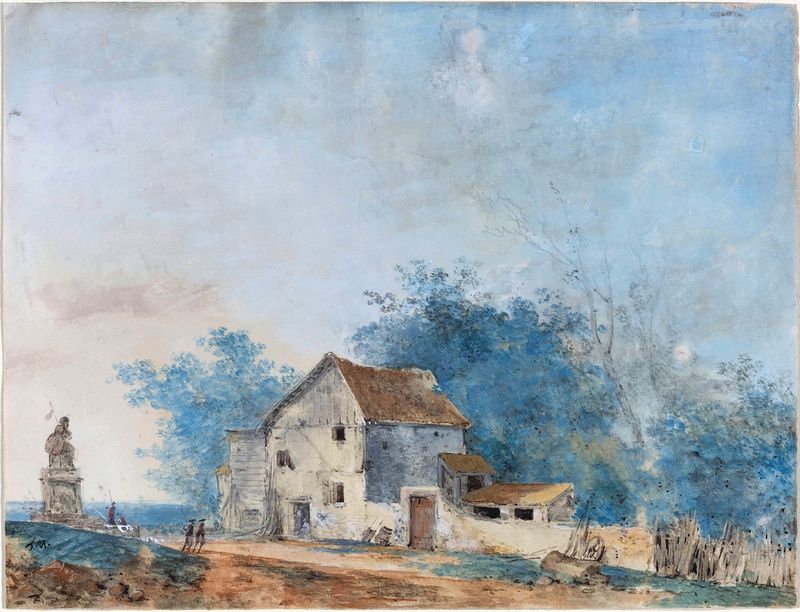
Landscape
Louis Gabriel Moreau

Italian Landscape with a Boating Party
Louis Gabriel Moreau
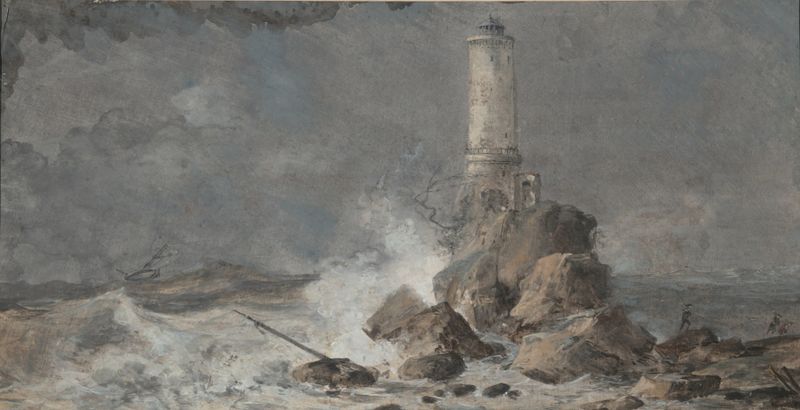
The Lighthouse [ Le Grand Phare]
Louis Gabriel Moreau

Landschaft mit zerfallenem Gehöft
Louis Gabriel Moreau

Parklandschaft mit hohen Bäumen und dem Blick auf einen Treppenanstieg im Mittelgrund
Louis Gabriel Moreau
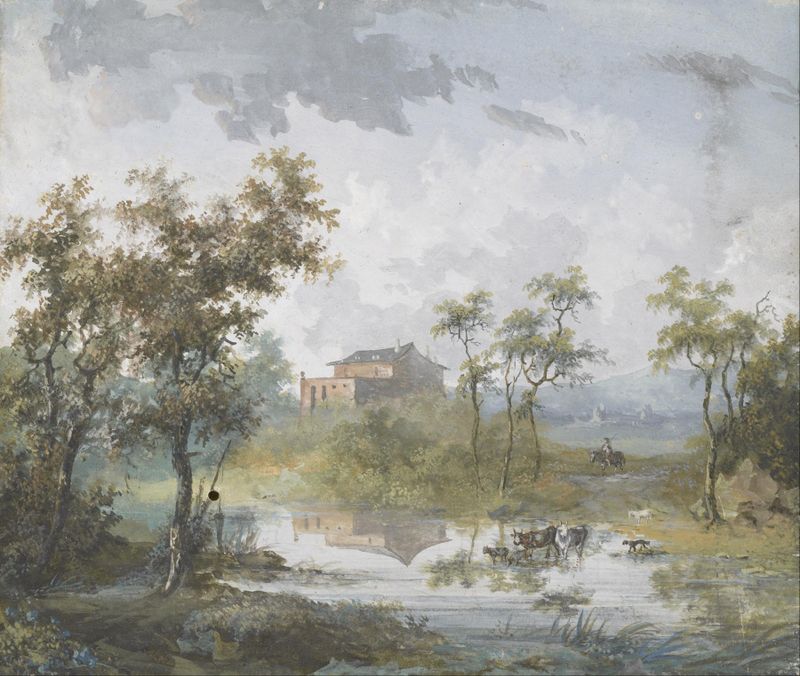
The Rustic River Ford
Louis Gabriel Moreau
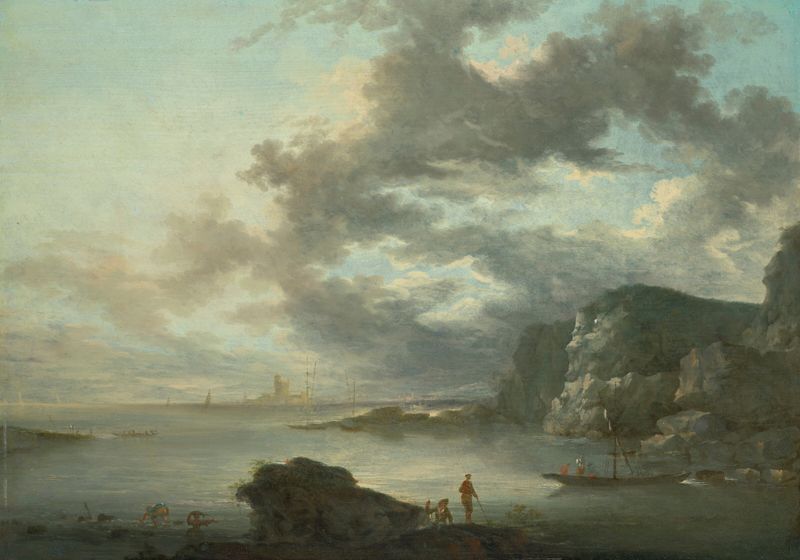
Seascape
Louis Gabriel Moreau

A river landscape with washerwomen by a mill
Louis Gabriel Moreau
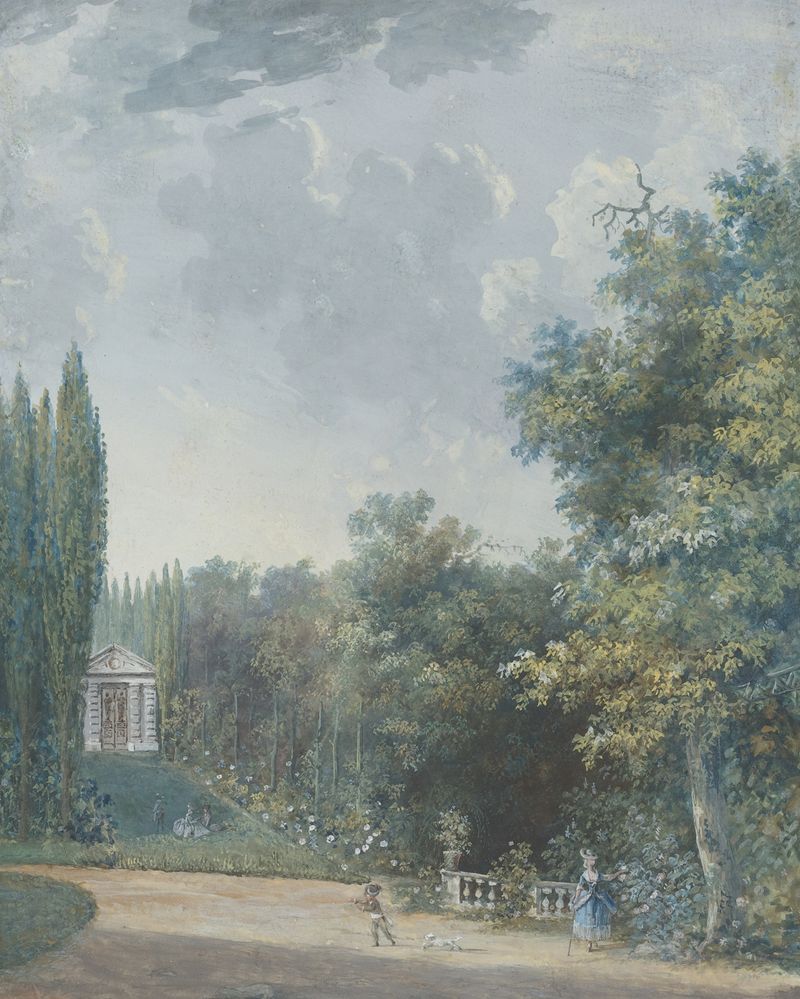
Park View
Louis Gabriel Moreau
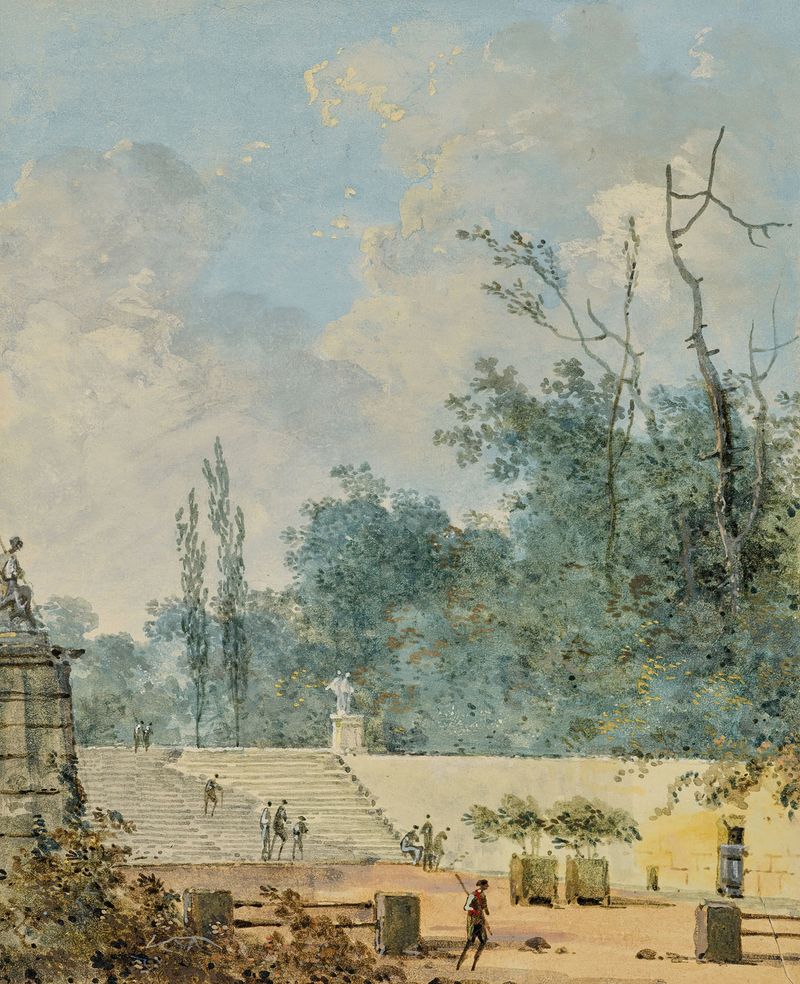
Deux vues du parc de Saint-Cloud
Louis Gabriel Moreau





