
Windy Day — History & Facts
Can beauty exist without sorrow? In the delicate tension between light and shadow, the transitory nature of existence stirs profound reflection. Direct your gaze toward the gentle swirls of clouds, where soft blues and whites converge, creating a tumultuous sky. Notice how Sabatowski captures the playful yet foreboding touch of the wind in the rustling grass, now a blur of green hues that seem to dance in harmony with the gusts. The canvas pulses with movement, drawing the eye toward the horizon where earth meets sky, inviting contemplation of the fleeting moments that define life itself. Beneath this seemingly serene landscape lies an undercurrent of fragility.
The vibrant, uncontrolled motion contrasts with the stillness of the lush ground, suggesting that life is both beautiful and precarious. The way the trees bend under the weight of the wind signifies resilience, yet they also hint at the inevitable passage of time — a reminder of mortality lurking within the beauty of nature. Each brushstroke breathes life, yet whispers of the transience that shadows every moment. In 1913, Sabatowski found himself in a period of artistic exploration and personal introspection.
Living in Poland, he was influenced by the rich legacy of romanticism and symbolism, movements that deeply engaged with themes of nature and human existence. The tumultuous political climate of Europe at the time, with the looming shadows of war, likely infused his works with a heightened awareness of life's fragility, making Windy Day not just a portrayal of nature but a meditation on life itself.
More Artworks by Ambroży Sabatowski
Browse all →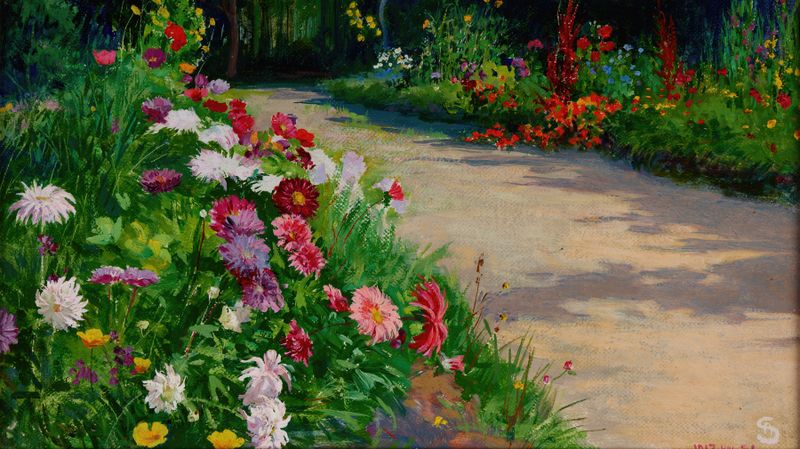
Asters
Ambroży Sabatowski
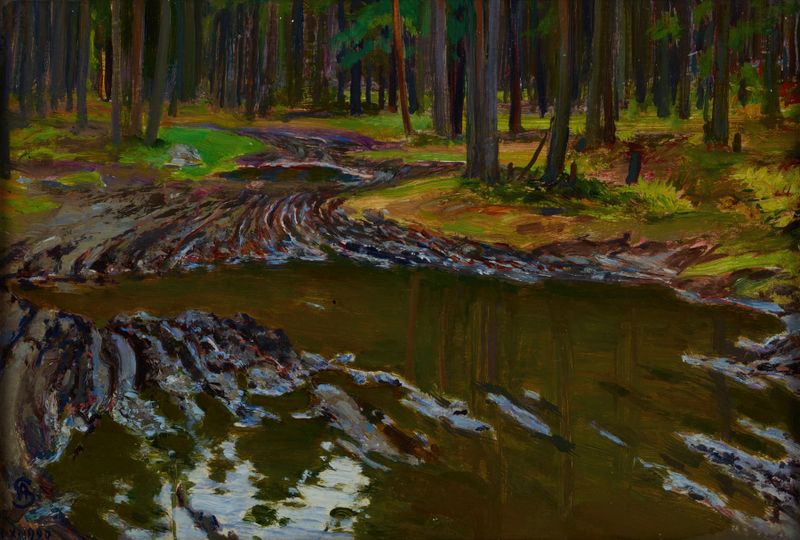
Mud in the Forest
Ambroży Sabatowski
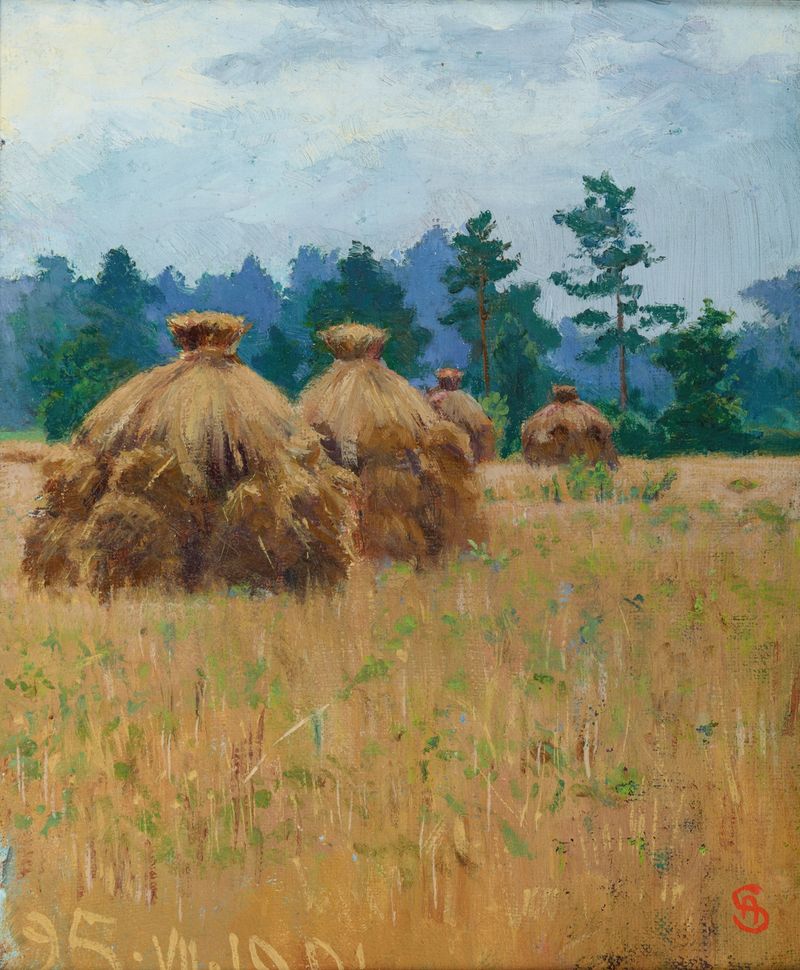
Volhynian Stacks of Corn
Ambroży Sabatowski
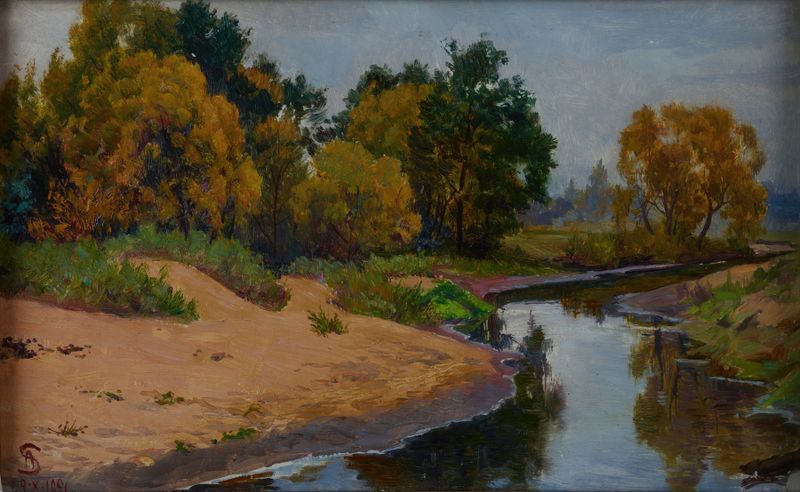
Autumn
Ambroży Sabatowski
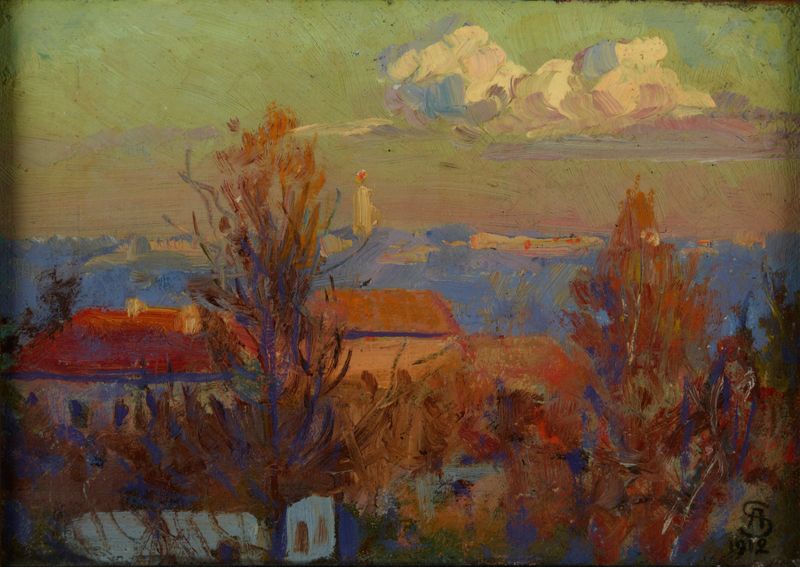
Landscape
Ambroży Sabatowski
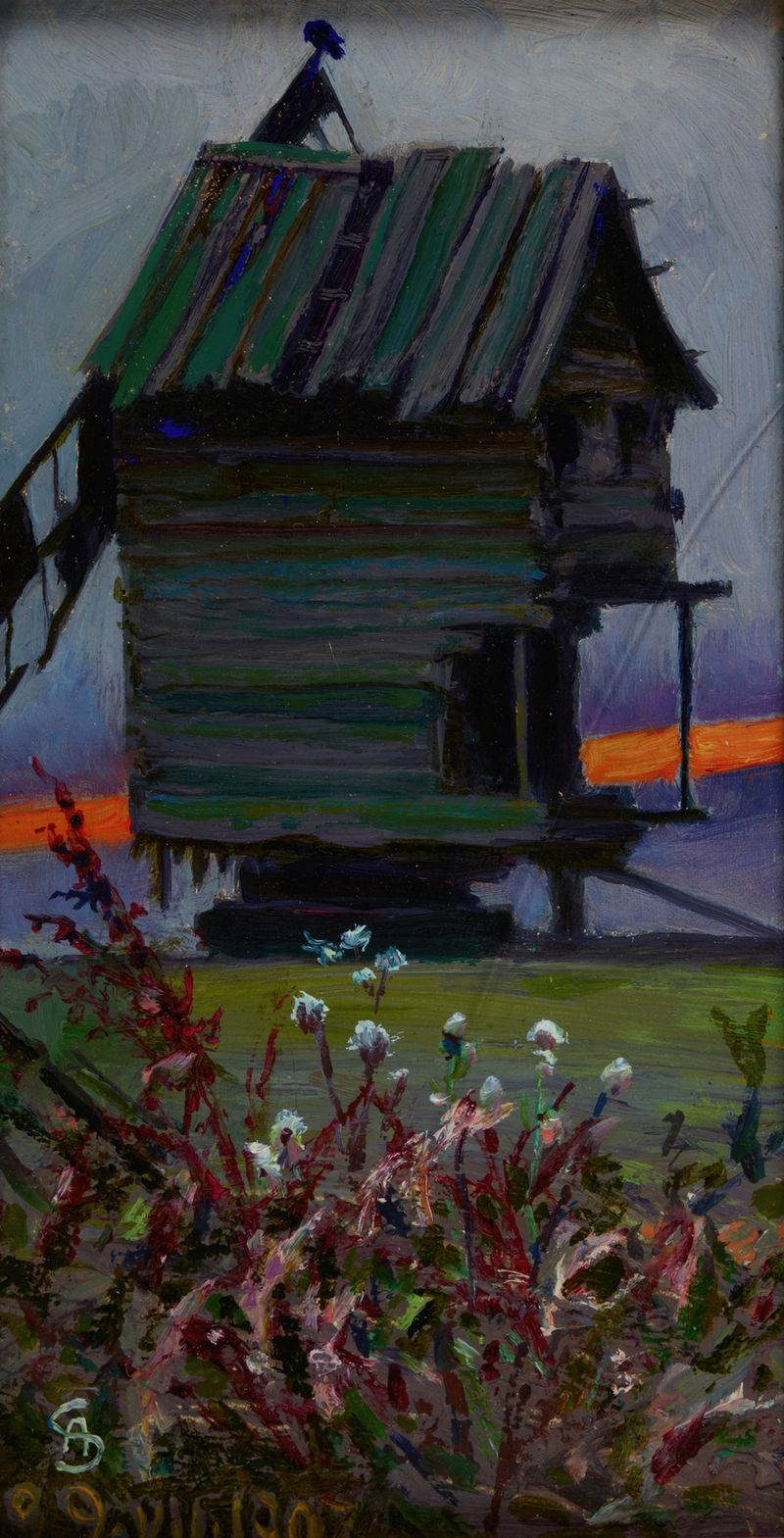
Old Windmill
Ambroży Sabatowski
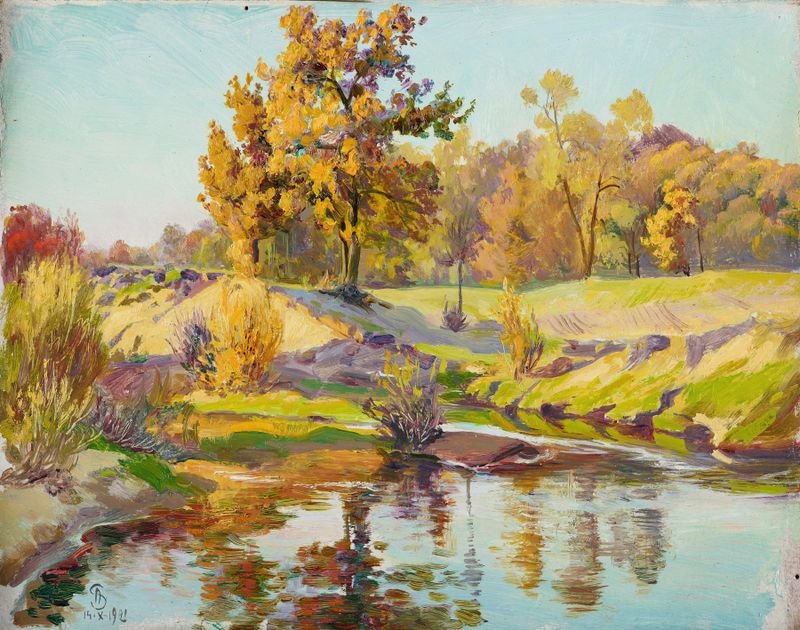
Sunny Autumn
Ambroży Sabatowski
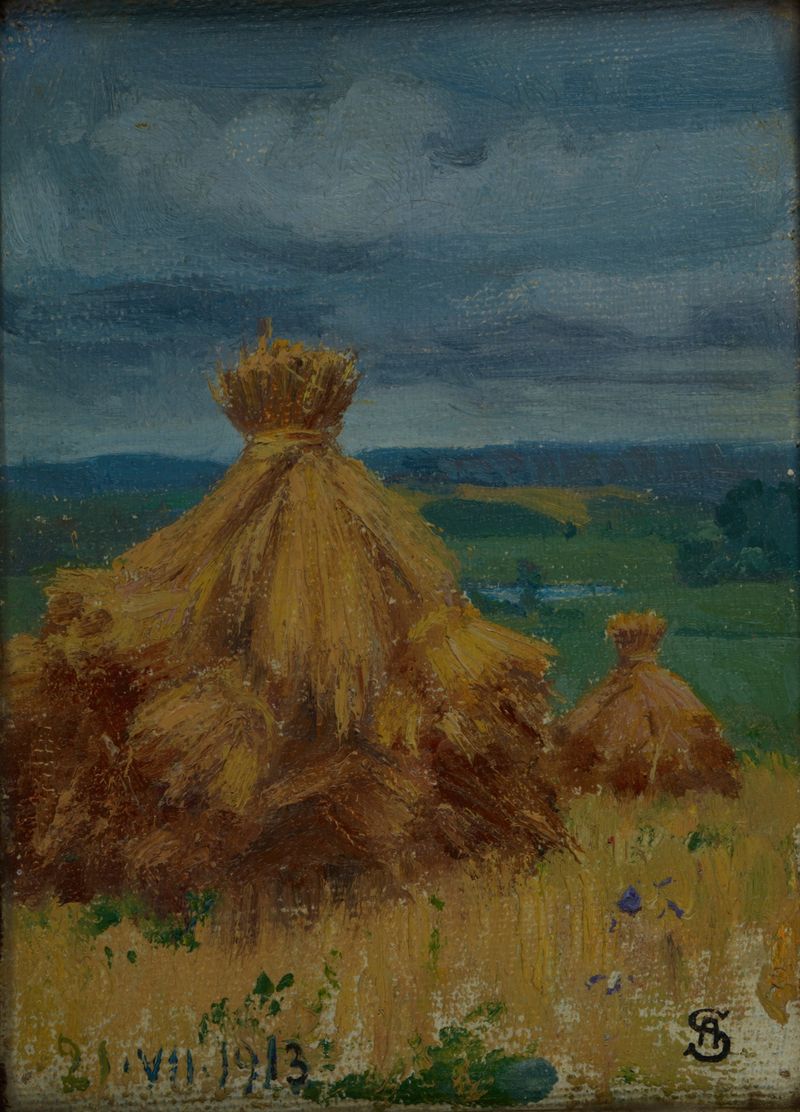
Cloudy Day
Ambroży Sabatowski
Three Moments – Triptych (Noon)
Ambroży Sabatowski
Sandy Bank of the Kamienna River
Ambroży Sabatowski





