
Winnegance Willows — History & Facts
In that stillness, reflections beckon us to dive deeper into the nature of truth and illusion. How often do we overlook the calm surface, mistaking it for a mere mirror of reality? Look closely at the lower right corner of the canvas, where the tranquil water captures the silhouettes of willows, their delicate branches cascading like whispered secrets. The soft interplay of greens and browns in the foliage contrasts with the shimmering blues of the water, creating a serene palette that invites contemplation.
Haskell’s deft brushwork adds texture to the leaves, while the ripples in the water seem to sway gently, hinting at unseen currents beneath the surface. In this peaceful scene, an emotional tension arises from the juxtaposition of the static trees and the fluid water. The willows, sturdy yet graceful, symbolize resilience amidst change, while the reflective surface speaks to the transient nature of life. This duality evokes a sense of nostalgia, a longing for moments that pass but remain etched in memory, urging the viewer to ponder their own reflections. During the period between 1900 and 1925, Haskell created Winnegance Willows in the context of an evolving American art scene.
As Impressionism began to influence the landscape genre, artists were exploring new techniques of light and color. Haskell, immersed in this transformative era, captured not only the beauty of nature but also the stillness that resonates in the heart of those who seek solace among the trees.
More Artworks by Ernest Haskell
Browse all →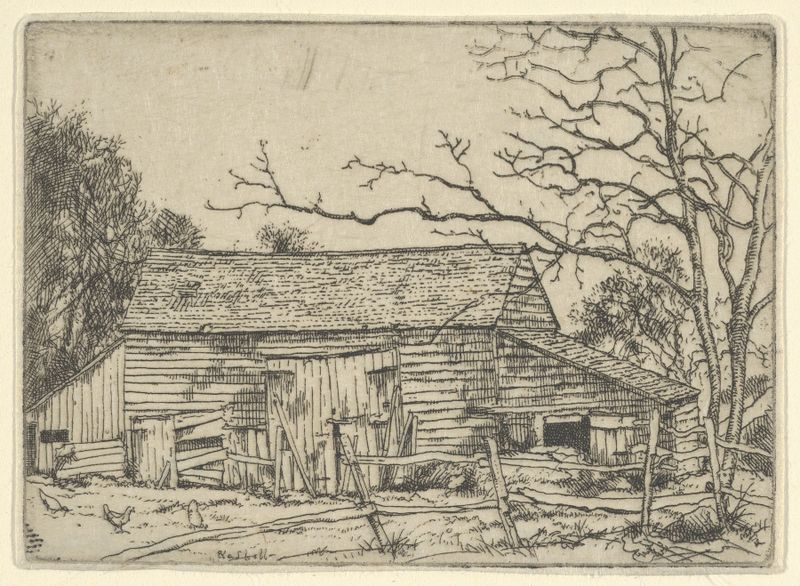
The Barn–Staten Island, N.Y.
Ernest Haskell

Four Live Oaks
Ernest Haskell
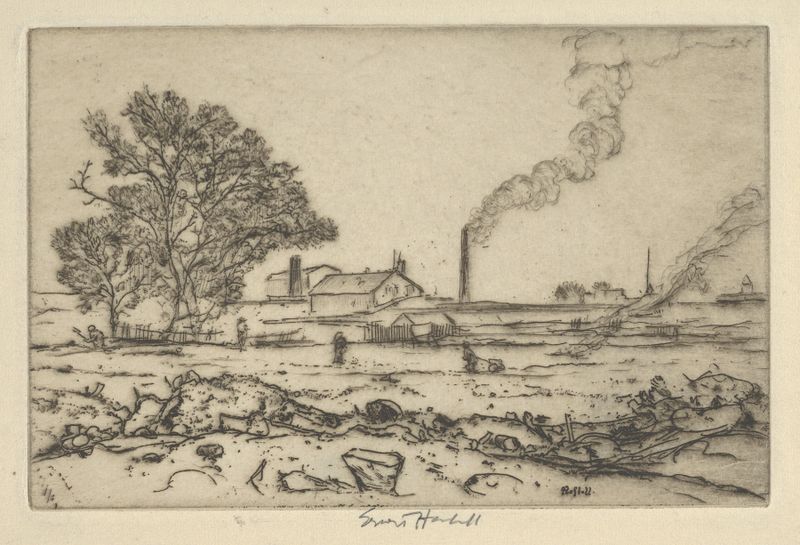
Outskirts of Boston
Ernest Haskell
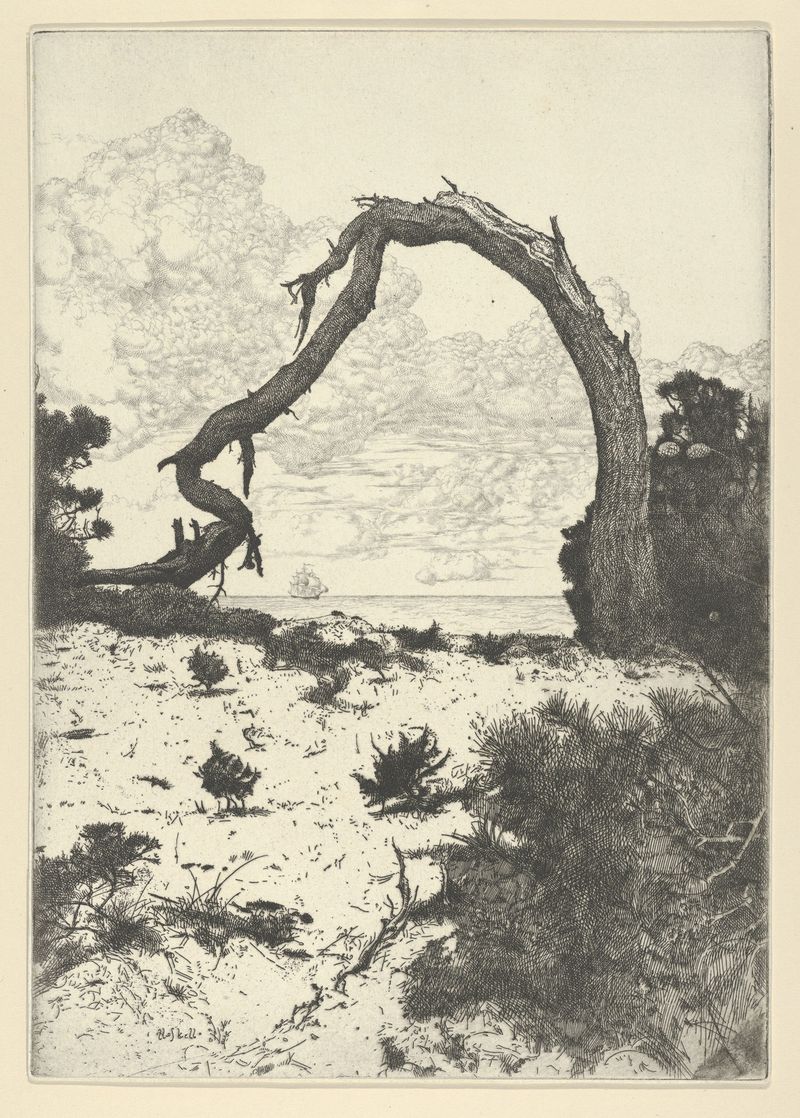
Pine Arch
Ernest Haskell

General Sherman
Ernest Haskell
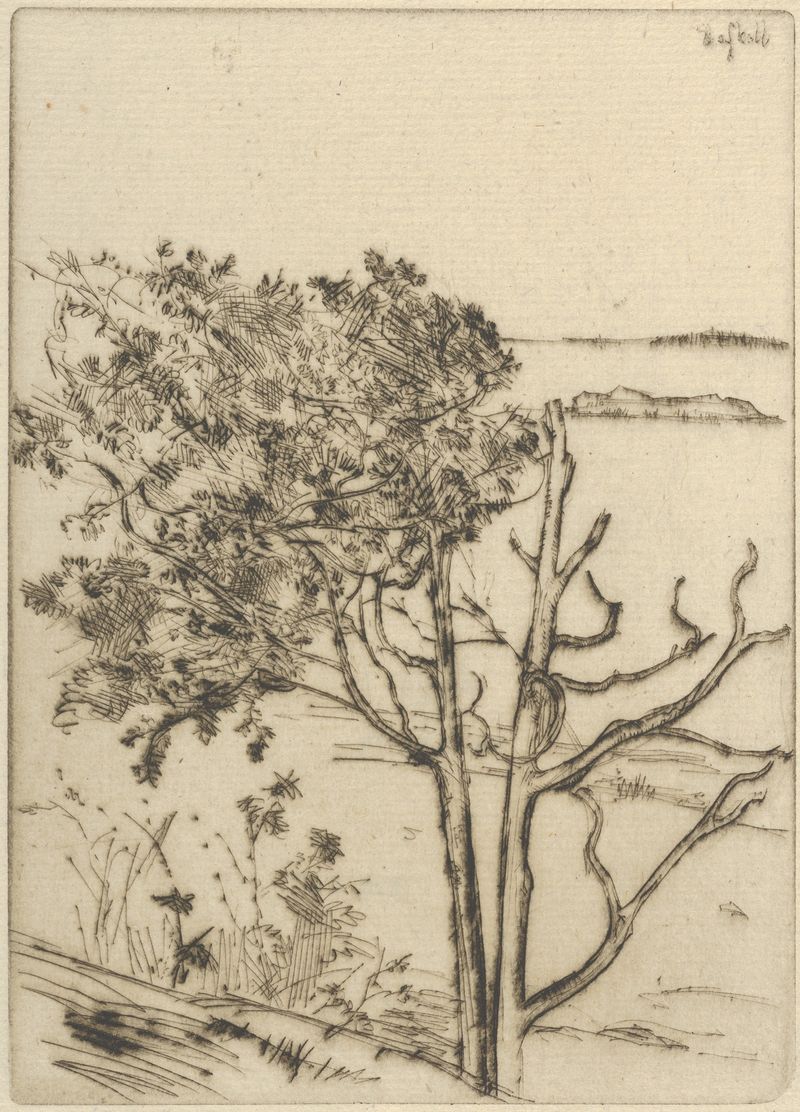
Ragged Tree – Maine
Ernest Haskell

Tide Mill
Ernest Haskell

Ship Building
Ernest Haskell
To the Southward – Ragged Island, Me.
Ernest Haskell
Long Island Marshes
Ernest Haskell





