
Winter — History & Facts
In the haunting stillness of winter, whispers of time echo through the icy landscape, inviting contemplation on the legacy we leave behind. Look to the foreground where delicate snowflakes blanket the ground, each one a unique testament to the passage of time. Notice how the cool blues and whites blend seamlessly with soft grays, evoking not just the chill of the season but also a sense of introspection. In the distance, skeletal trees stretch their branches skyward, their stark silhouettes creating a contrast against a muted sky, drawing the eye upwards and inviting thoughts of everything left unsaid. The interplay of light and shadow in Winter highlights the emotional tension within this frozen scene.
The dim atmosphere suggests a quiet resignation, while the untouched snow speaks to purity and the potential for renewal. Each element seems deliberate, holding a mirror to our own moments of solitude and reflection. The absence of life in the landscape raises questions about what remains when everything else has faded away, aligning with the notion of legacy. In 1867, during a period of significant transition in both Elijah Walton's life and the broader art world, the artist was navigating the expectations of realism while also embracing the emerging romanticism of landscapes.
This tension reflects not only in his technique but also in the profound themes he chose to explore, as he sought to capture the often-overlooked beauty found in moments of silence and stillness.
More Artworks by Elijah Walton
Browse all →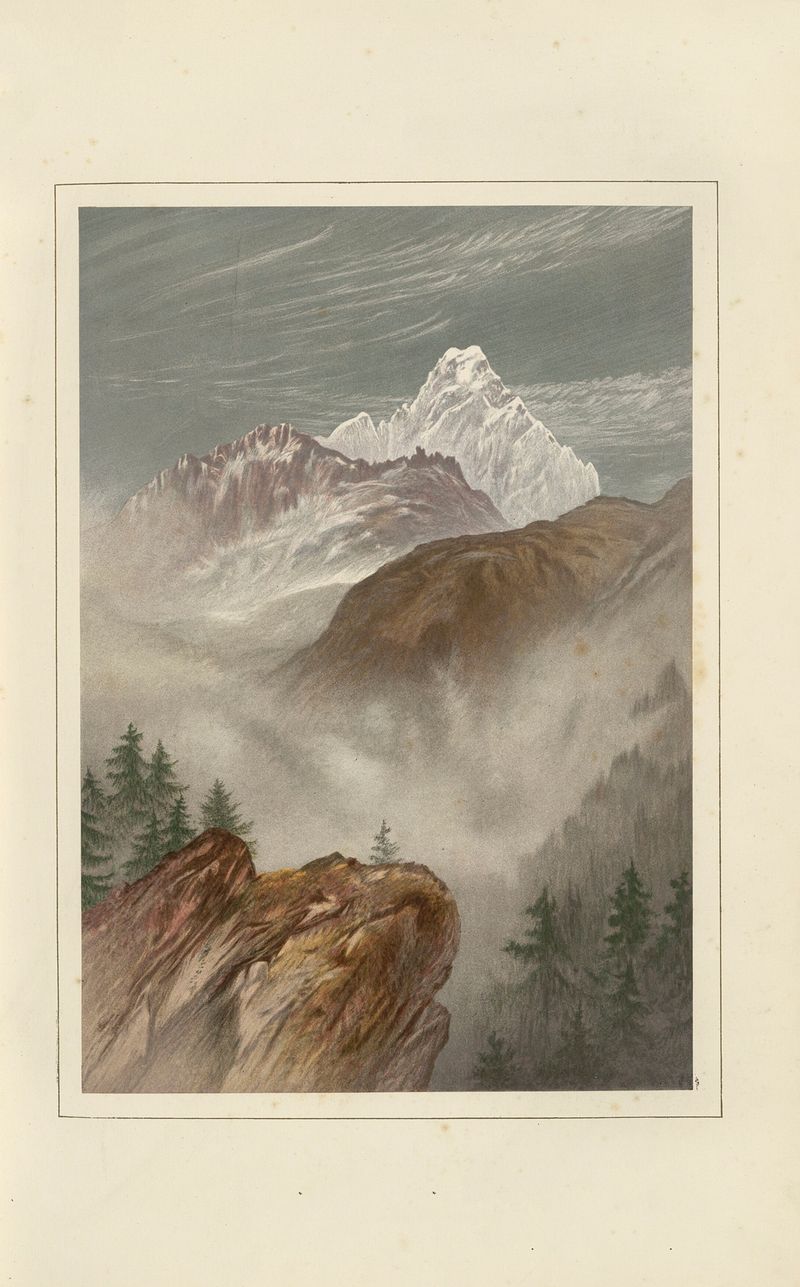
Monte Viso, from the south
Elijah Walton

The Matterhorn
Elijah Walton

The Gorner glacier
Elijah Walton

The Cascade de Roget and the Pointe de Salles
Elijah Walton
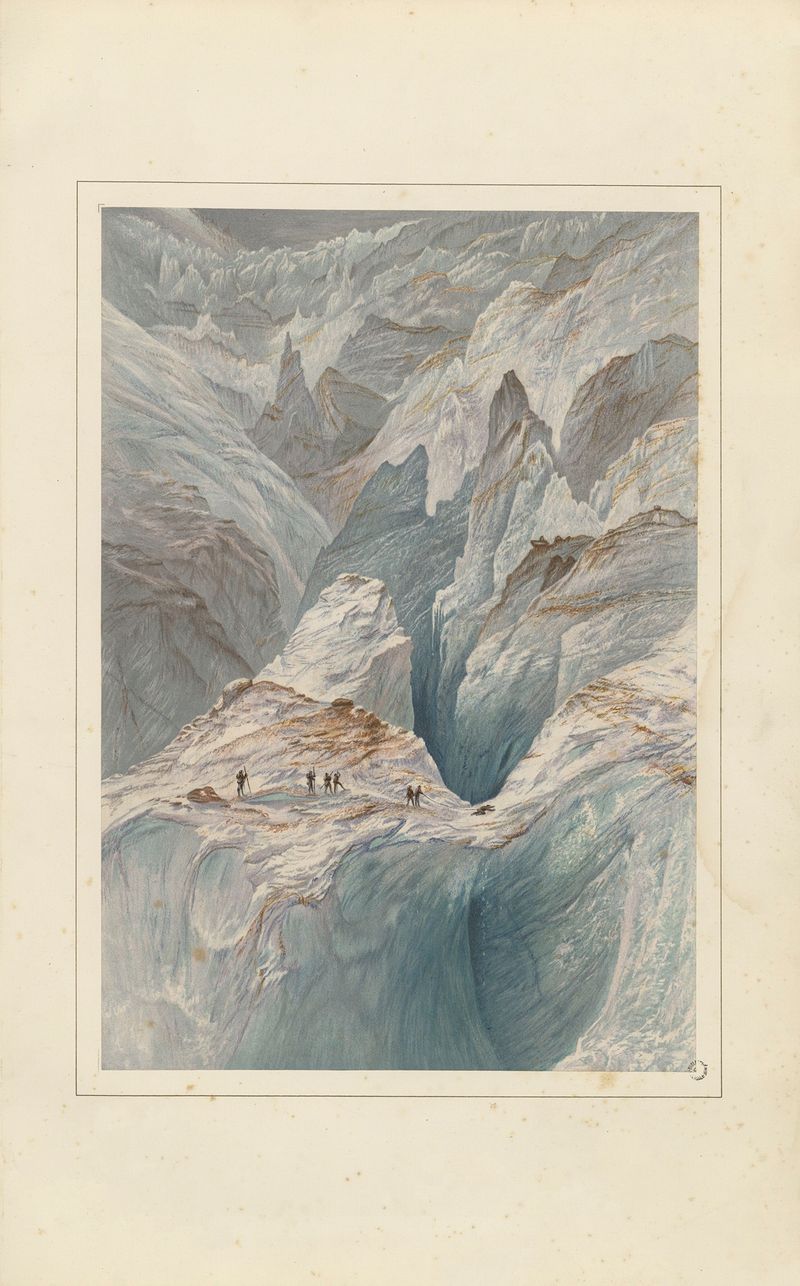
Crevasses on the Mer de Glace
Elijah Walton
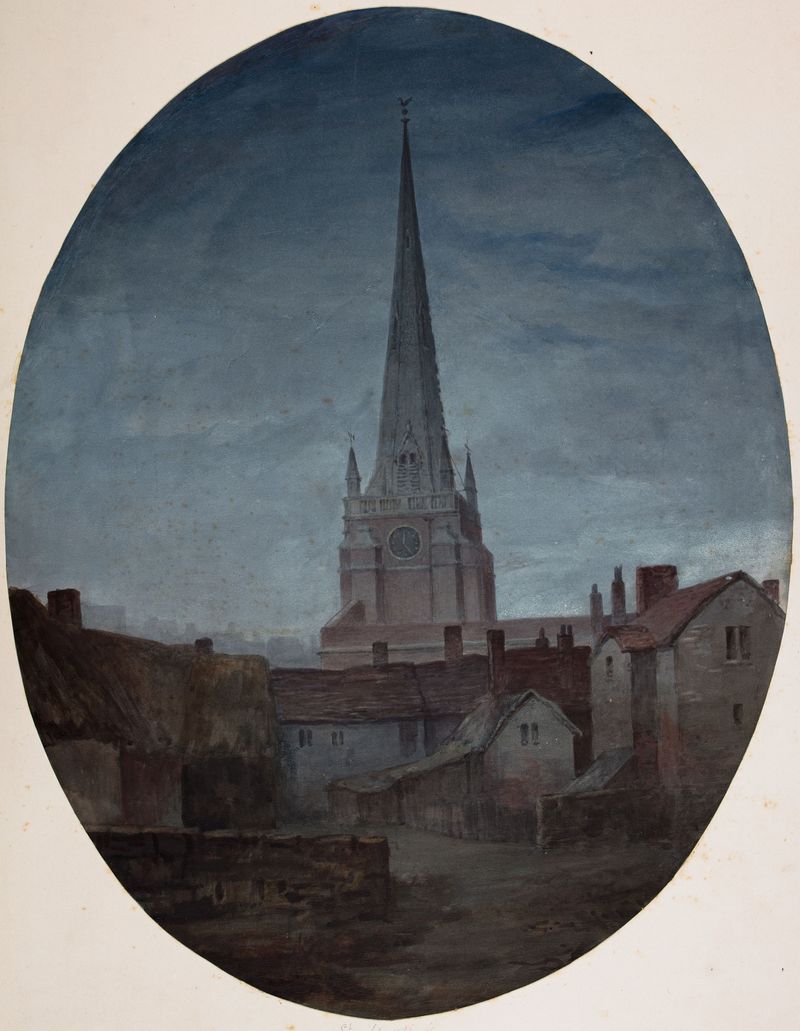
St Martin’s Church Birmingham, By Night
Elijah Walton

The Weisshorn, from near St. Niklaus
Elijah Walton

Monte Viso, from the Col de La Croix
Elijah Walton
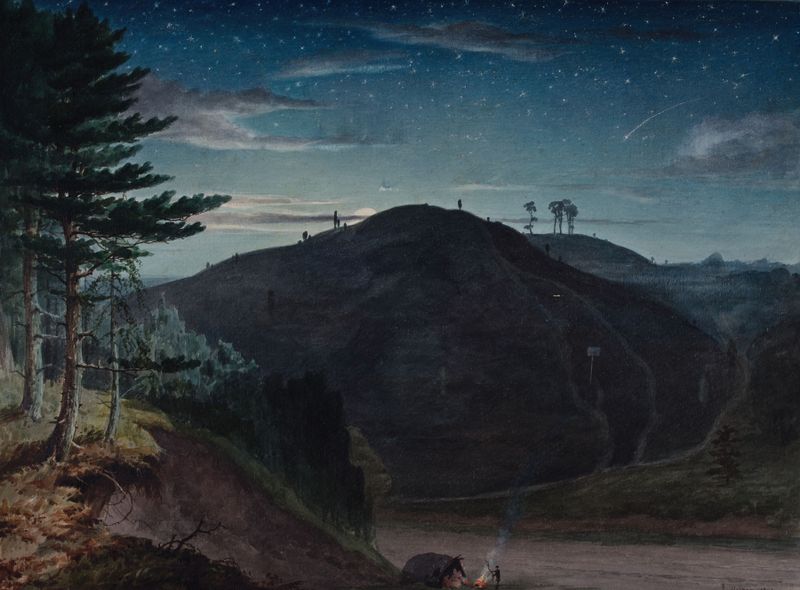
Cofton From Rednal, Moonlight
Elijah Walton
Lodge Gates, Entrance To Aston Hall
Elijah Walton





