
Winter in Fischerhude — History & Facts
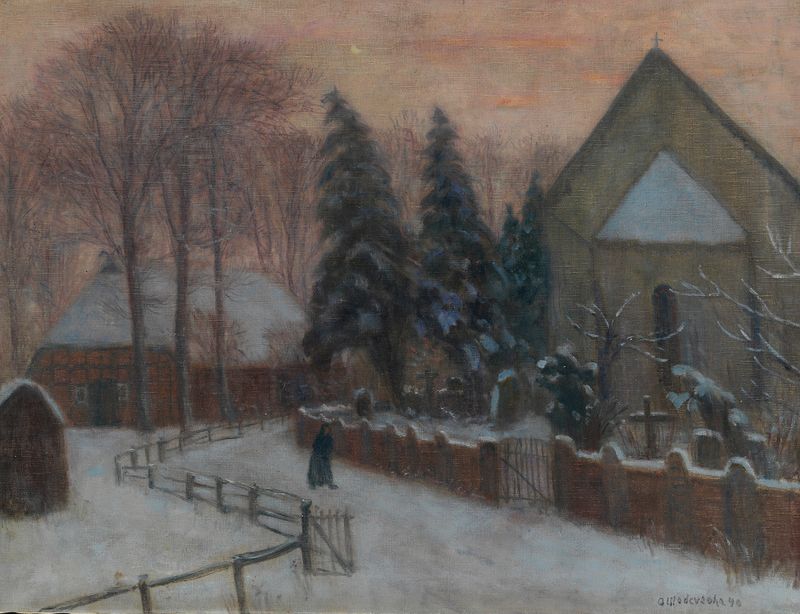
Could a single brushstroke hold eternity? This question lingers in the air as we consider the fragility and beauty encapsulated in a moment of winter stillness. Look to the left at the serene river, where gentle strokes of blue and white interlace to form a reflective surface that beckons the eye. Notice how the muted grays of the surrounding trees frame the scene, their bare branches reaching out like delicate fingers against a soft, pale sky. The wisps of clouds above merge seamlessly with the horizon, creating a tranquil atmosphere that invites contemplation.
Each brushstroke conveys a sense of quiet elegance, resonating with the season’s hush while capturing the essence of nature’s stark beauty. Delve deeper, and you might sense the tension between stillness and the whisper of life beneath the ice. The untouched snow blankets the ground, yet the subtle warmth of the color palette hints at the imminent return of spring. There’s a contrast here—the starkness of winter juxtaposed with the promise of rebirth.
This duality reflects not only the physical season but also the emotional landscape of the viewer, evoking a longing for the cyclical nature of existence amid the cold confines of winter. In 1933, Otto Modersohn was entrenched in the artistic milieu of Germany, grappling with the changing tides of society and expression. Working from his studio in Fischerhude, near Bremen, he was part of the Worpswede artists' colony, renowned for its focus on rural landscapes and the simple beauty of nature. This period marked a significant shift in his work, where he began to explore deeper emotional resonances in the natural world, influenced by both the external landscape and his personal reflections.
More Artworks by Otto Modersohn
Browse all →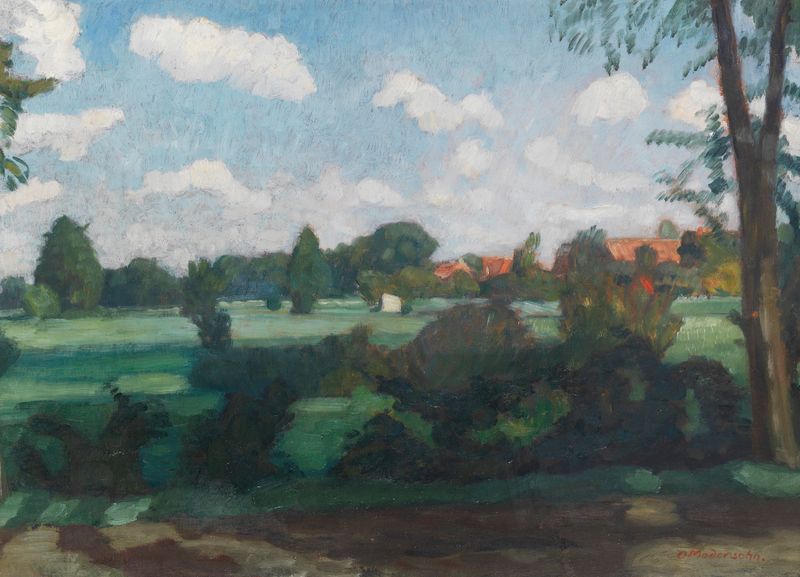
Sommerliche Wiesen bei Fischerhude
Otto Modersohn
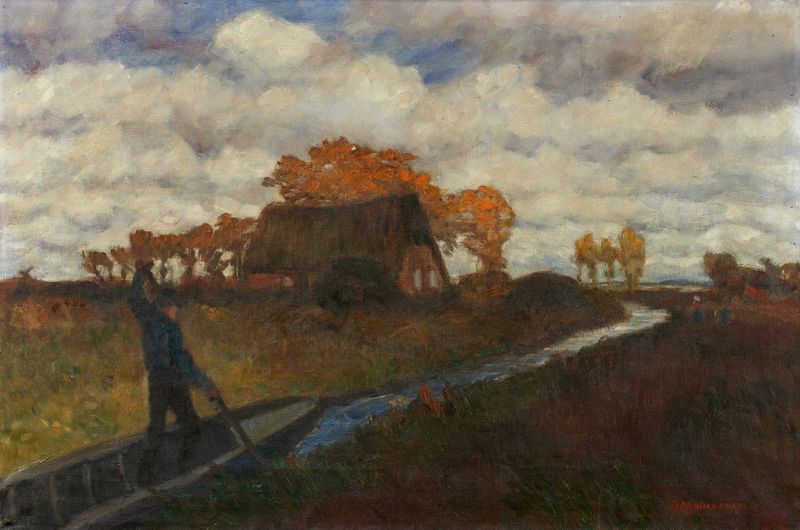
Herbstwetter
Otto Modersohn
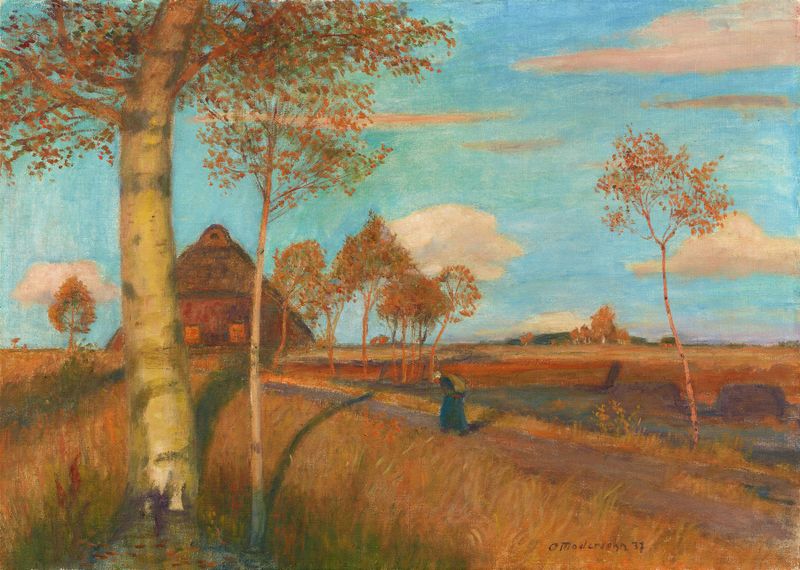
Abendsonne im Moor
Otto Modersohn
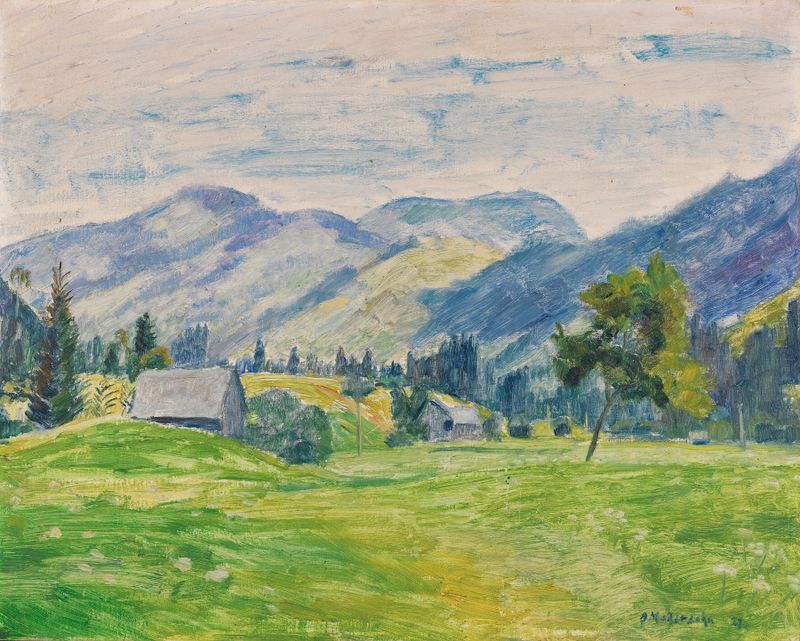
Lichter Sommertag im Allgäu (Unterjoch bei Hindelang)
Otto Modersohn
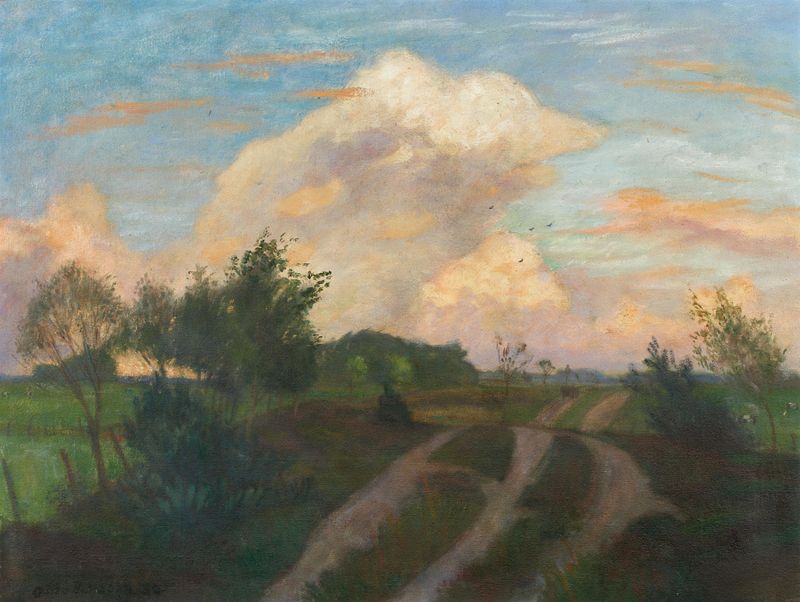
Sommerabend in der Surheide
Otto Modersohn
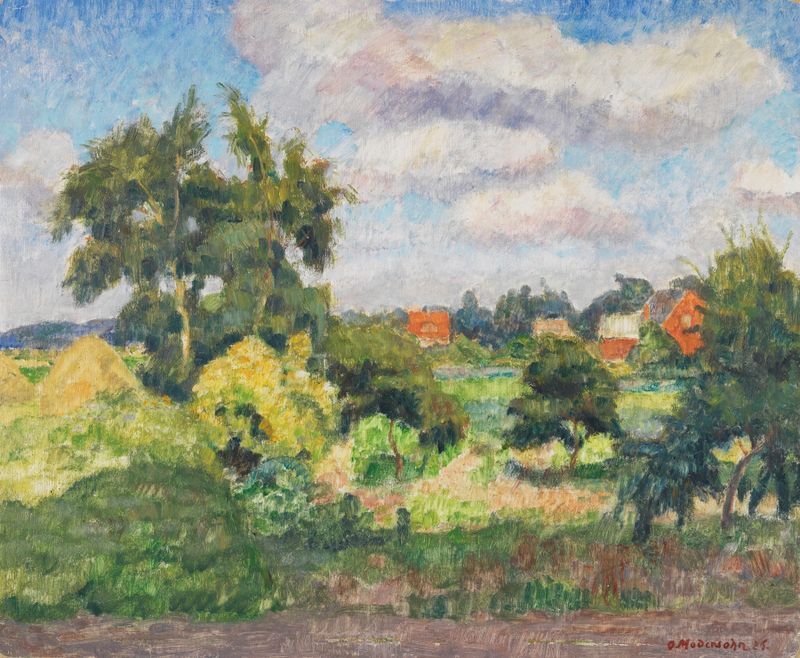
Sommertag in den Feldern bei Fischerhude
Otto Modersohn
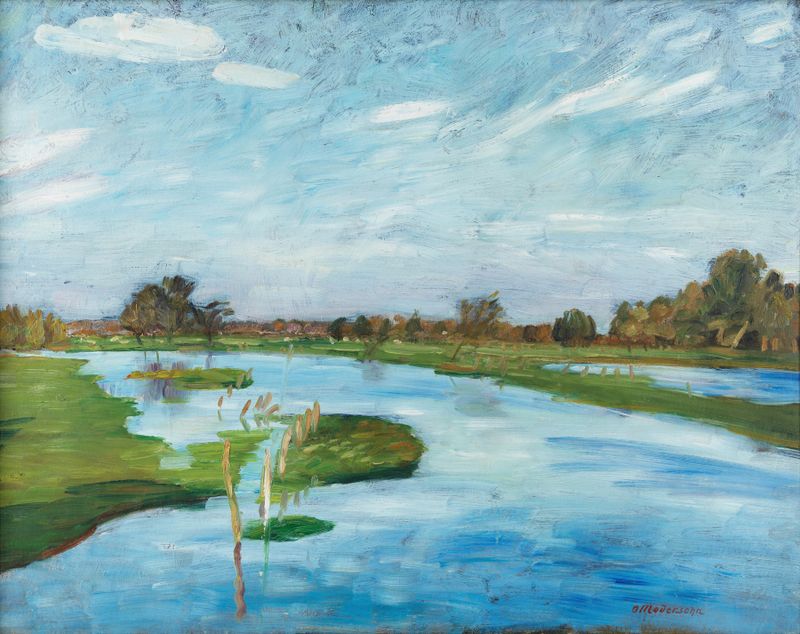
Überschwemmte Wümmewiesen
Otto Modersohn
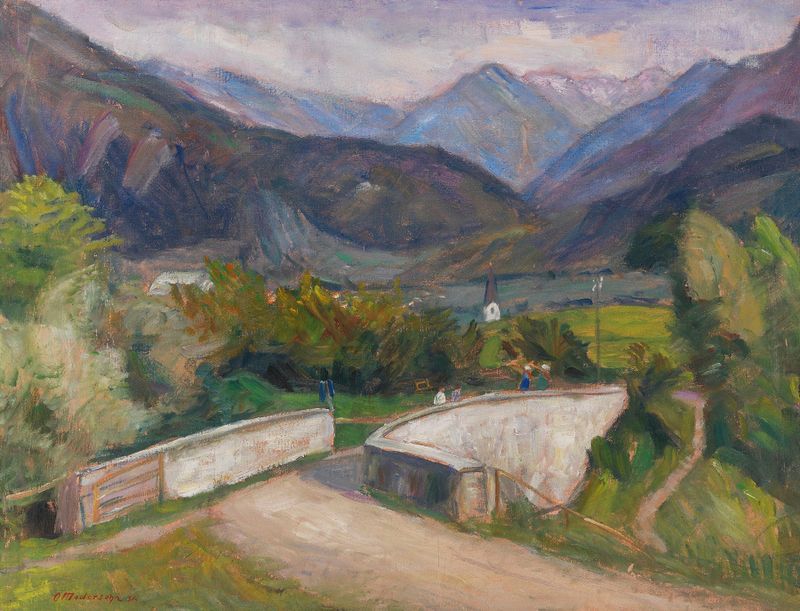
Zillenbachbrücke (Weg nach Gailenberg oberhalb von Hindelang im Allgäu)
Otto Modersohn
Winterabend, Fischerhuder Kirche mit Heimathaus
Otto Modersohn

Frühling
Otto Modersohn





