
Winter in Tyrol — History & Facts
Could beauty survive in a century of chaos? In Winter in Tyrol, the forlorn landscape invites us to ponder the fragility of serenity amid turmoil. Look to the vast expanse of white, where the snow blankets the mountains and valleys, casting a serene stillness across the scene. Notice how the pale blue sky contrasts with the starkness of the landscape, embodying the coldness of winter yet offering a glimmer of warmth in the soft hues. The gentle brushstrokes create a sense of depth, drawing the eye to the distant mountains that loom majestically, their peaks kissed by the sun.
This interplay of light and shadow captures a fleeting moment, as if the world is holding its breath in anticipation. Yet, beneath this tranquil surface lie hidden tensions. The vastness of the snow-covered terrain evokes a sense of isolation, a reminder that beauty can be both haunting and melancholic. The subtle variations in color reflect the complexity of emotions tied to the season: hope mingled with despair, serenity laced with solitude.
This winter landscape serves as a metaphor for the emotional landscape of a world grappling with uncertainty — a dreamlike escape that hints at the underlying chaos of the early 20th century. Willem Adrianus Grondhout painted this work in 1933, an era marked by economic instability and political upheaval across Europe. Living in the midst of these tumultuous times, he sought refuge in the natural beauty surrounding him, capturing the essence of winter in the Tyrol region. This piece reflects both a personal vision and the broader artistic movements of the time, infusing a sense of stillness into a world in flux.
More Artworks by Willem Adrianus Grondhout
Browse all →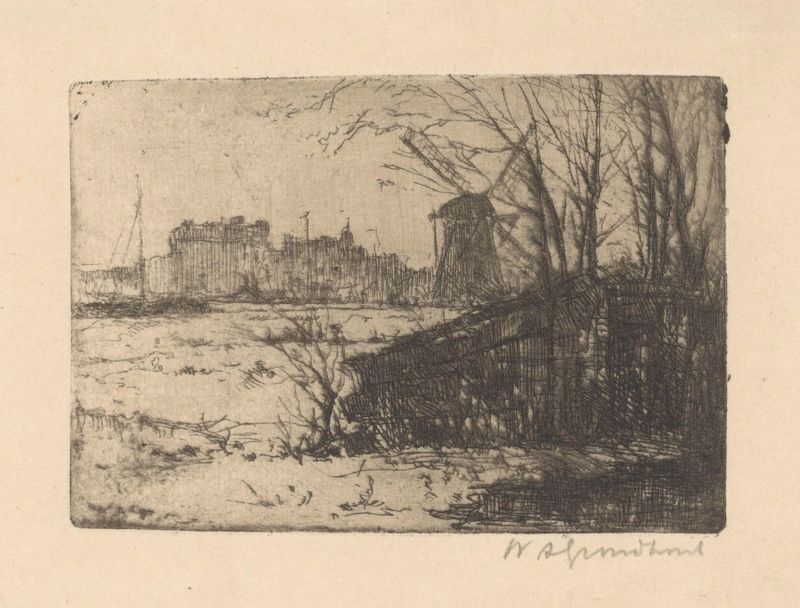
Landschap met molen in de Binckhorst in Den Haag
Willem Adrianus Grondhout
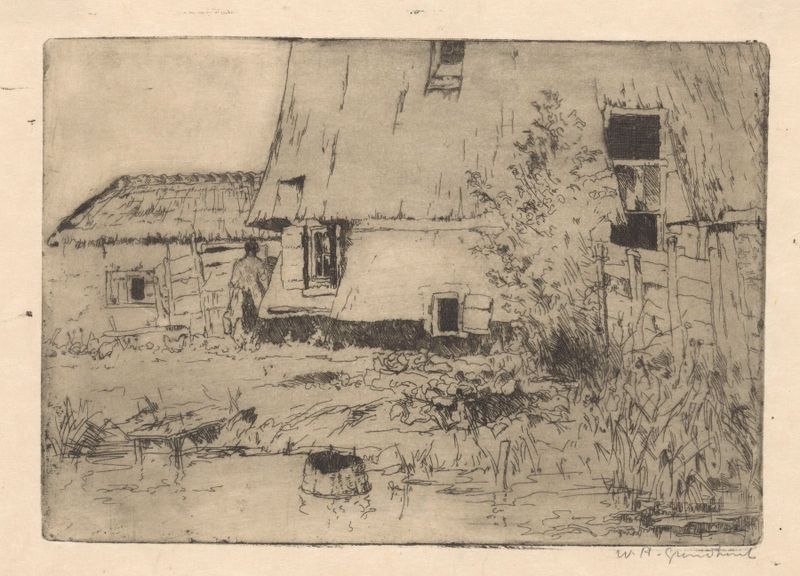
Voet van een molen in Voorburg
Willem Adrianus Grondhout
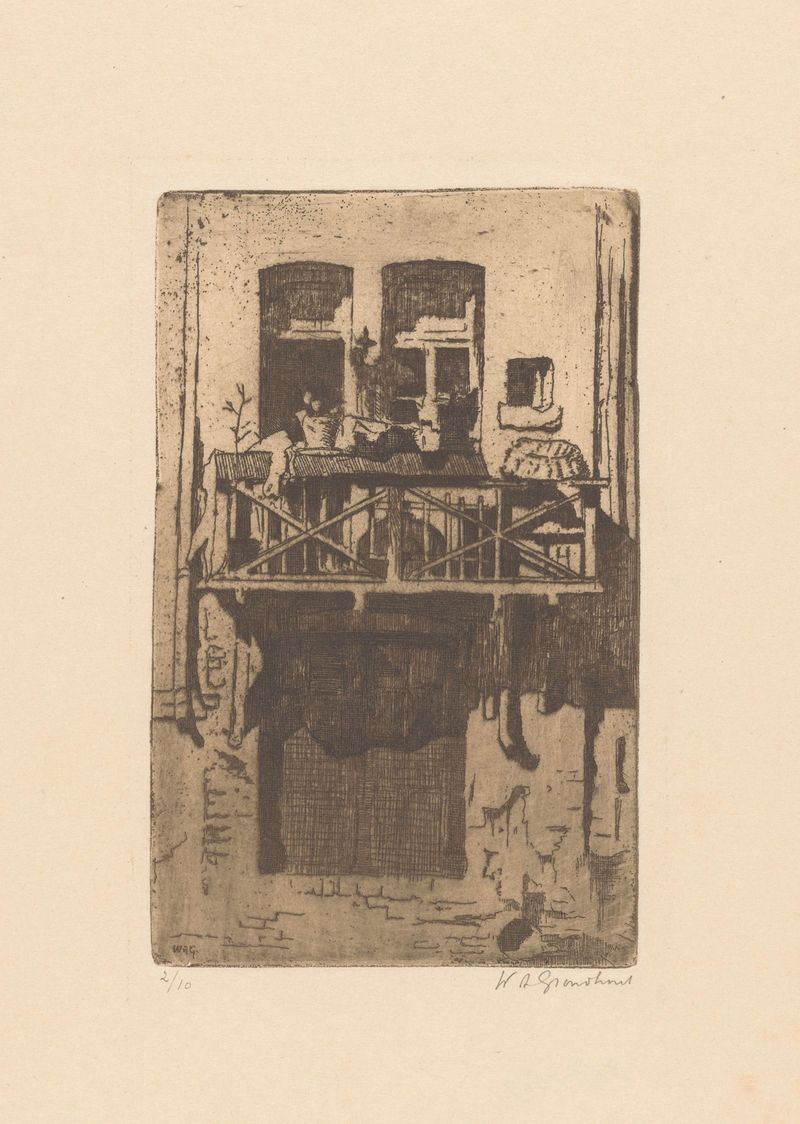
Balkon van een huis aan de Oudezijds Kolk in Amsterdam
Willem Adrianus Grondhout
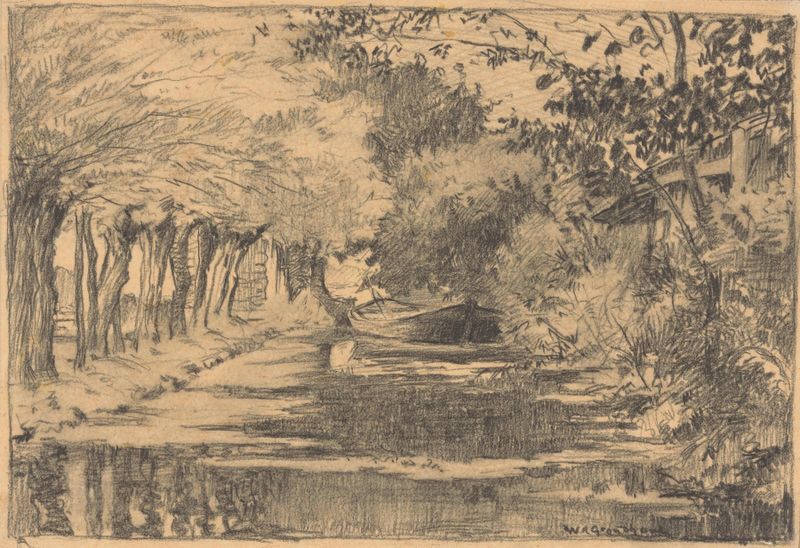
Broeksloot bij Voorburg
Willem Adrianus Grondhout
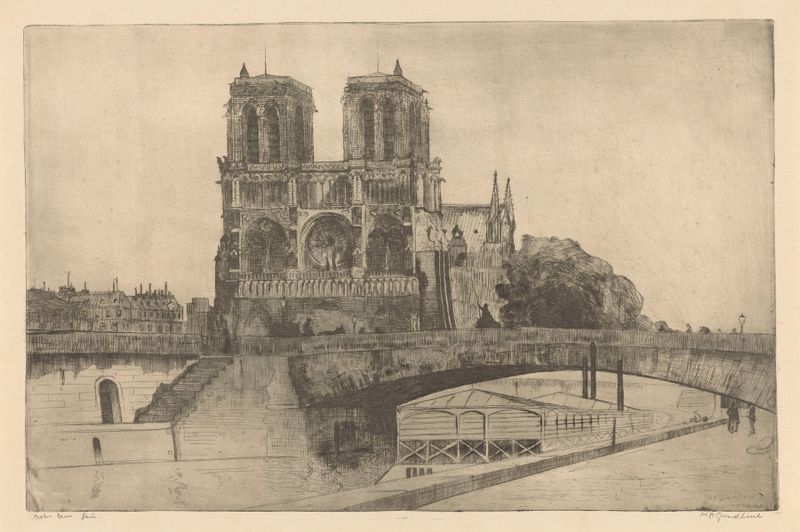
Notre-Dame, Paris
Willem Adrianus Grondhout
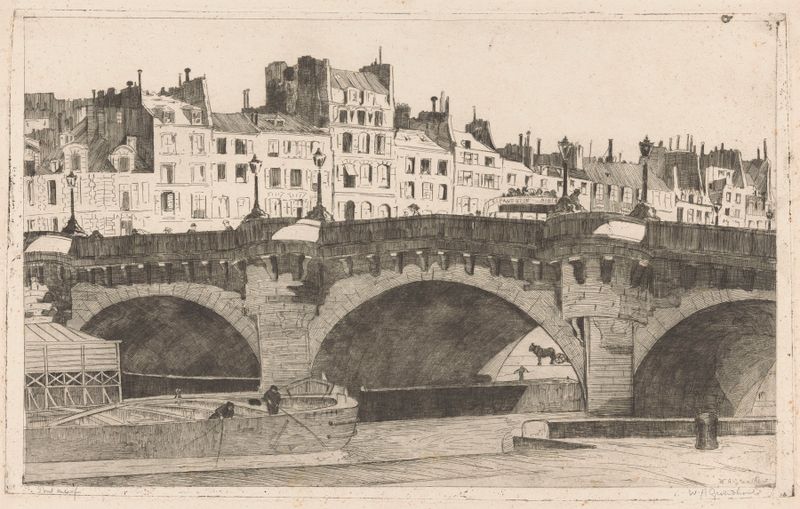
Pont Neuf
Willem Adrianus Grondhout
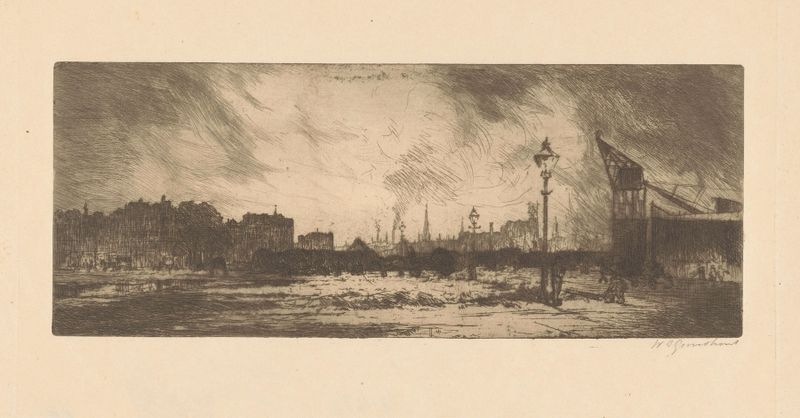
Havenkade met lantaarnpalen in Rotterdam
Willem Adrianus Grondhout
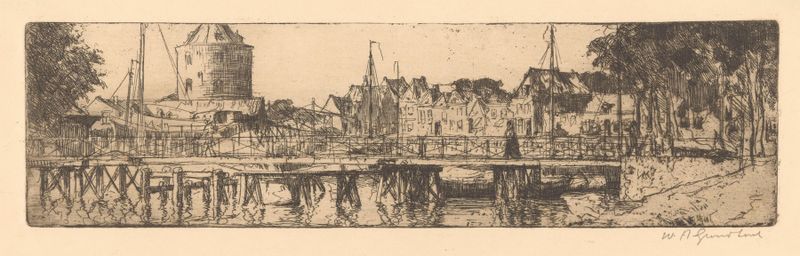
Enkhuizen
Willem Adrianus Grondhout
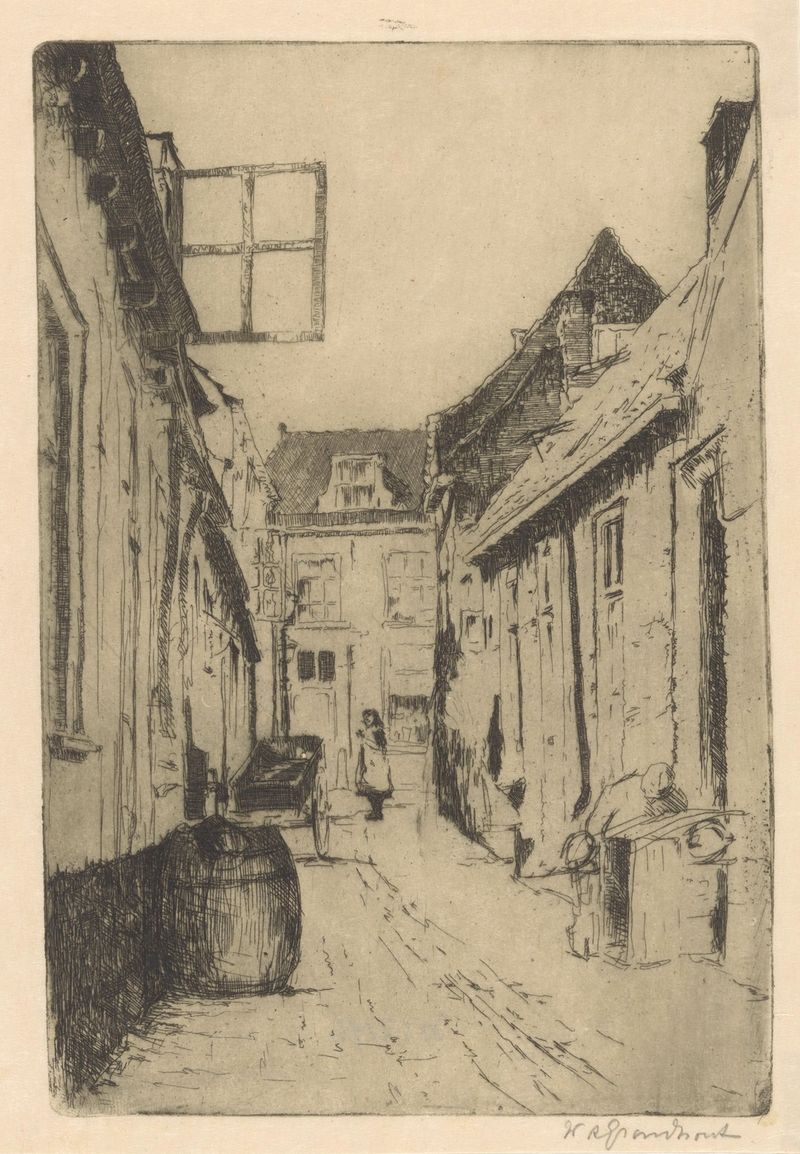
Straatje in Voorburg.
Willem Adrianus Grondhout
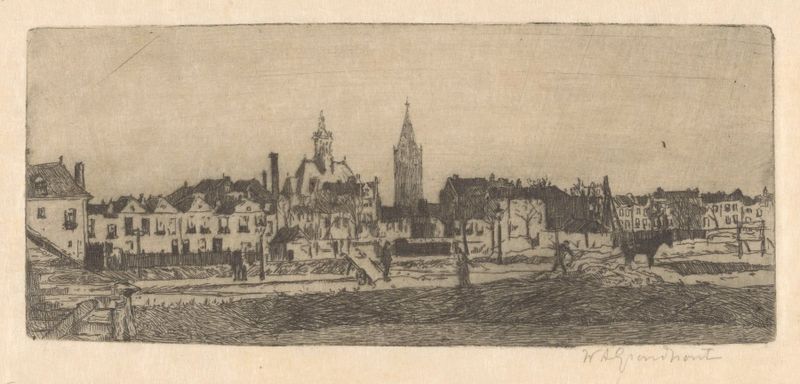
Delft
Willem Adrianus Grondhout





