
Winter Landscape — History & Facts
What if silence could speak through light? In the quiet expanse of a winter landscape, the weight of snow blankets the world, transforming familiar forms into a serene illusion of tranquility and isolation. Look to the foreground, where the stark white of the snow contrasts with the deep greens and browns of the trees. The cold light filters through a soft overcast sky, casting a muted glow across the scene. Notice how Ruisdael's brushstrokes create texture, capturing the delicate interplay between the frozen ground and the spectral branches, each whispering the quiet story of winter.
Your gaze is drawn to the distant horizon, where clouds hang low, suggesting an impending change, a tension suspended in the stillness. The composition is rich with contrasts: the chilling beauty of the snow against the warmth of hidden earth beneath it, the stillness of the scene tempered by the dynamic forms of the trees. This winter landscape becomes a metaphor for the duality of existence—beauty and desolation, peace and longing. Each element, from the undulating hills to the solitary farmhouse, plays a role in invoking a profound sense of introspection, as if nature itself holds its breath, waiting for a spark of life to return. During the 1660s, Ruisdael was entrenched in the Dutch Golden Age, a time when landscape painting flourished.
He worked primarily in Haarlem, where he became known for his dramatic depictions of nature. At this time, artists were exploring new techniques to convey realism and emotion, and Ruisdael's mastery of light and texture in Winter Landscape showcases his innovative approach and deep understanding of the natural world.
More Artworks by Jacob van Ruisdael
Browse all →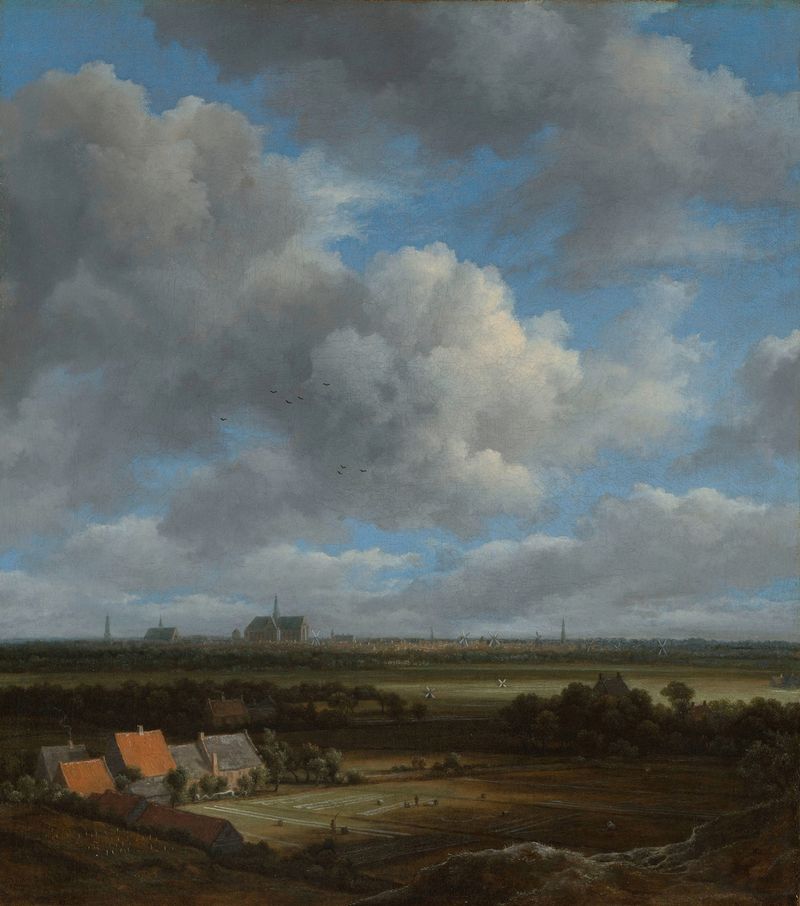
View of Haarlem from the Northwest, with the Bleaching Fields in the Foreground
Jacob van Ruisdael
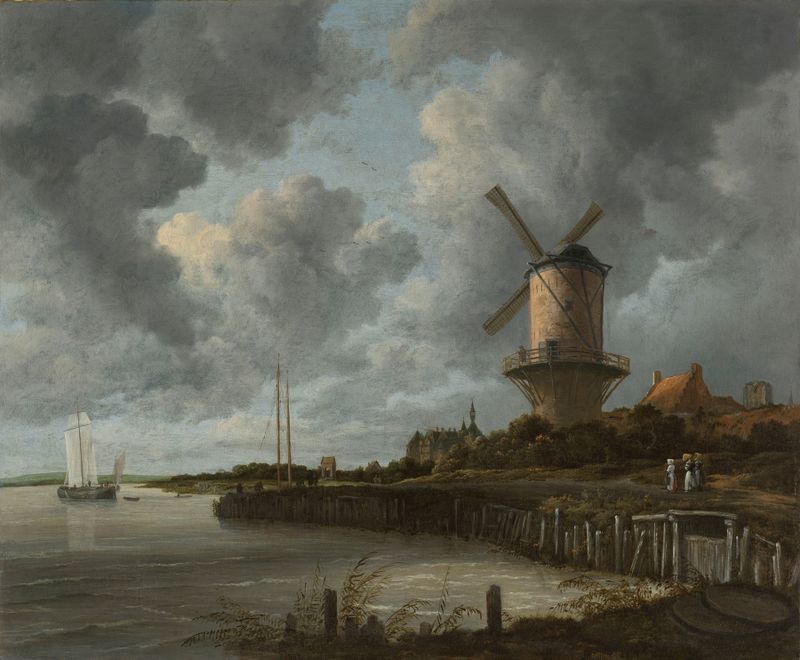
The Windmill at Wijk bij Duurstede
Jacob van Ruisdael
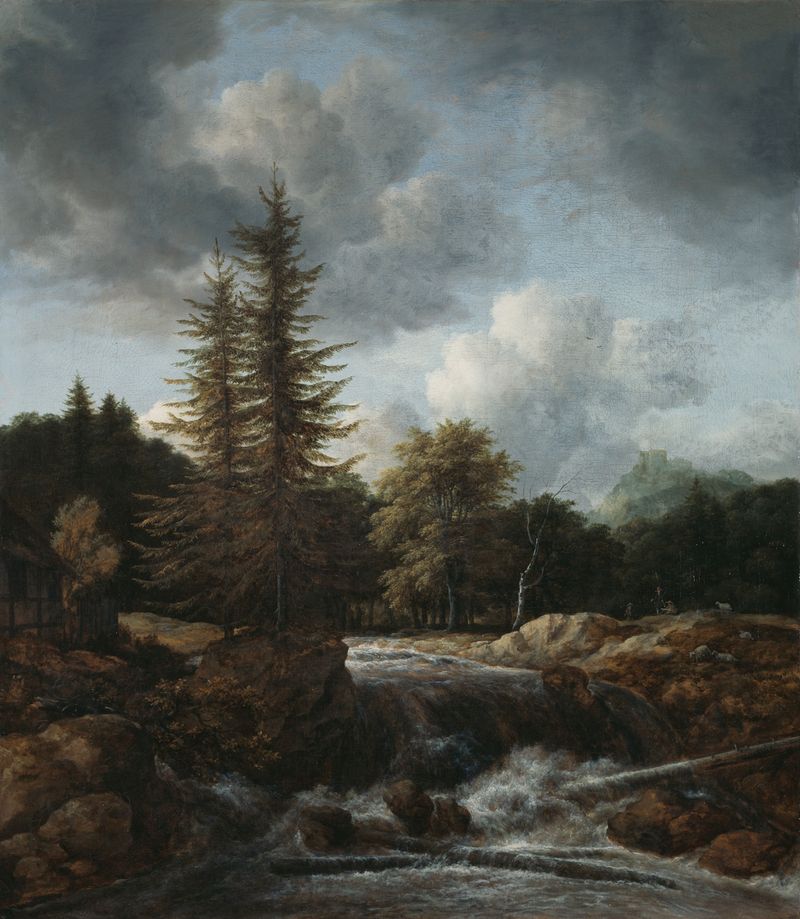
Landscape with Waterfall
Jacob van Ruisdael
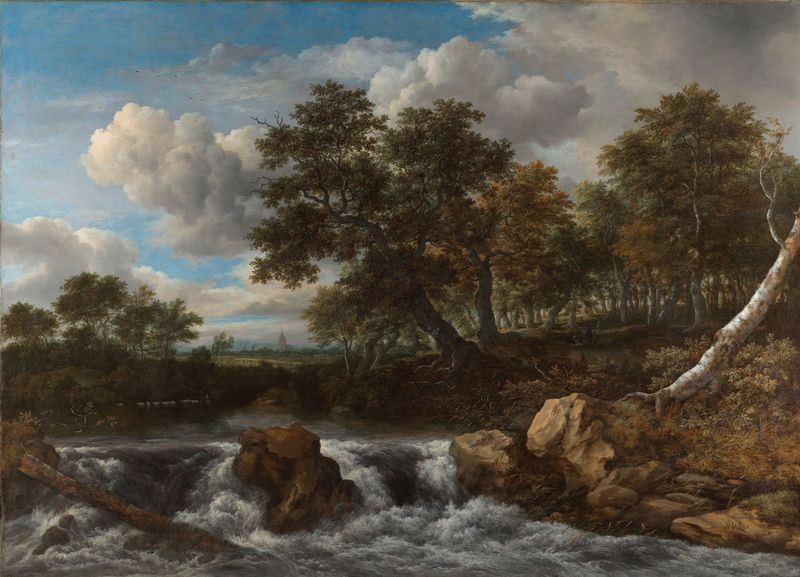
Landscape with Waterfall
Jacob van Ruisdael
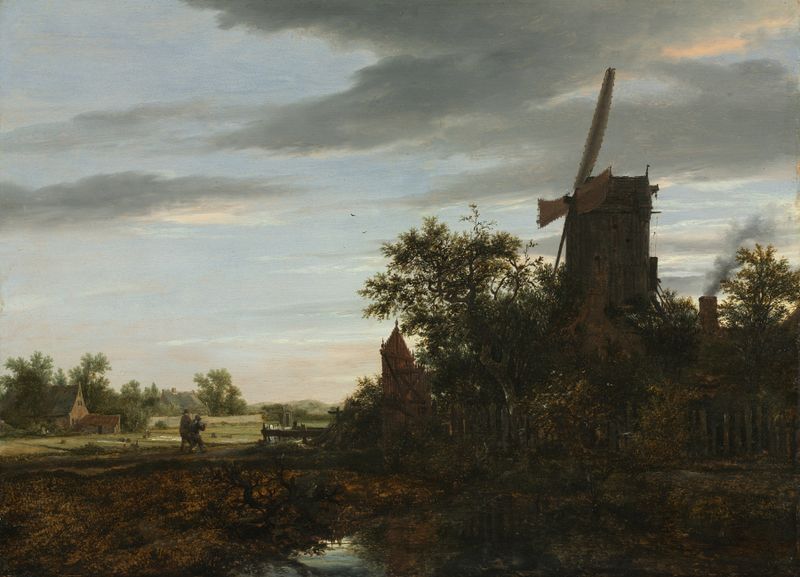
Landscape with a Windmill
Jacob van Ruisdael

Wooded hillside with a view of Bentheim Castle
Jacob van Ruisdael
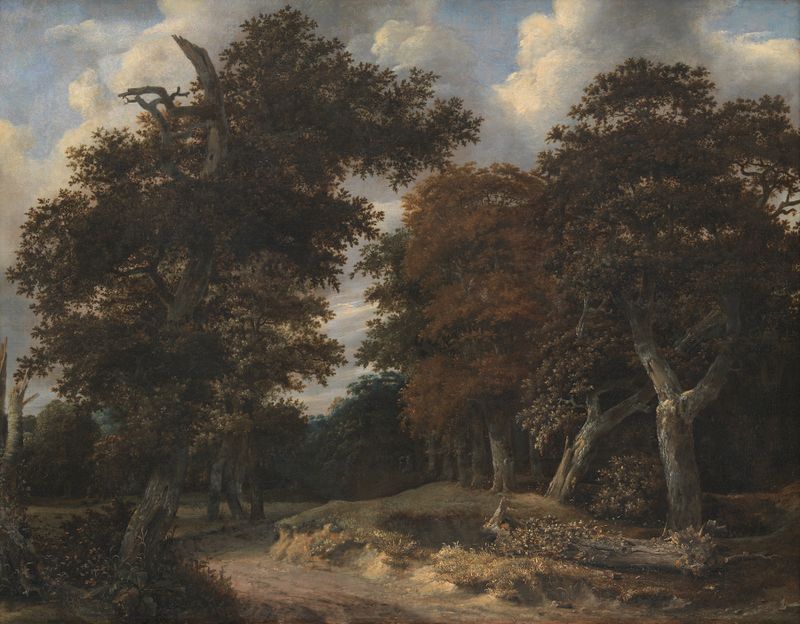
Road through an Oak Forest
Jacob van Ruisdael

Landscape with a Church
Jacob van Ruisdael

The Forest Stream
Jacob van Ruisdael

The Jewish Cemetery
Jacob van Ruisdael





