
Winter Landscape — History & Facts
Did the painter know this moment would outlive them? In a whisper of powdery snow and a hush of skeletal trees, Theodore Robinson captures a fleeting melancholy that somehow transcends time and place. Focus on the gentle slopes of white enveloping the landscape, which draw your eye toward the distant horizon. Notice how the muted grays and soft blues intermingle, evoking a sense of quiet solitude. The brushwork is both delicate and deliberate, suggesting a coldness in the air while imbuing the scene with a warmth—a paradox that invites contemplation.
The figures, though small against the vastness, speak of human presence in nature’s embrace, almost seeking refuge amidst the snowy expanse. The contrast between the harsh winter elements and the tender moments of life reflects an emotional tension that resonates deeply. The trees, stark against the pale sky, stand as silent witnesses to both beauty and desolation, emblems of endurance facing the chill of solitude. Amidst the stillness, there is a yearning—a longing for connection, perhaps, or a reminder of life’s transience that the artist so poignantly conveys. In 1889, Robinson was living in France, deeply influenced by the Impressionist movement.
During this period, he explored themes of light and atmosphere, seeking to infuse his landscapes with emotional depth. His time in Giverny, near Monet’s home, allowed him to absorb the techniques of light and color, leading to a profound understanding of nature’s ephemeral beauty, which resonates clearly in this evocative piece.
More Artworks by Theodore Robinson
Browse all →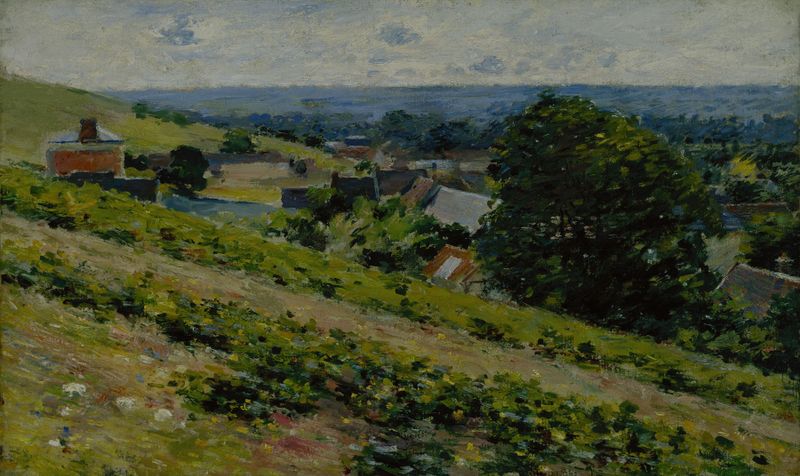
From the Hill, Giverny
Theodore Robinson

Giverny
Theodore Robinson

Old Church At Giverny
Theodore Robinson
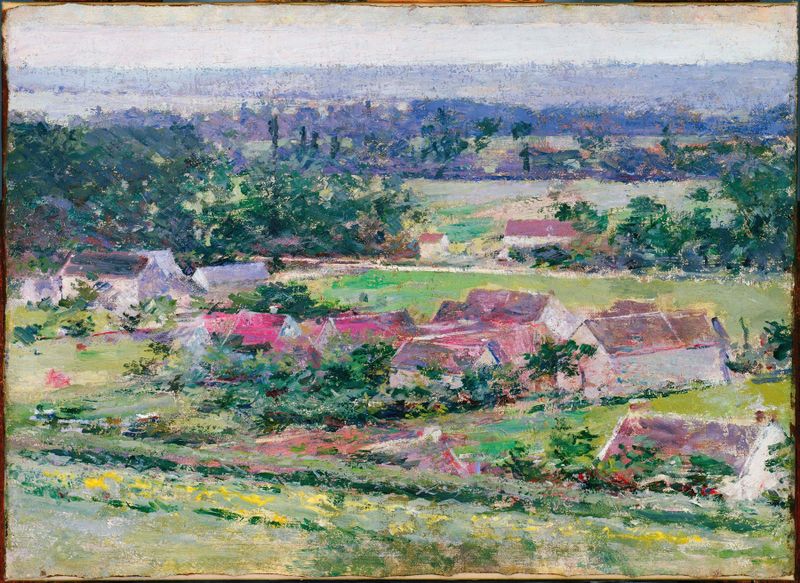
Giverny
Theodore Robinson
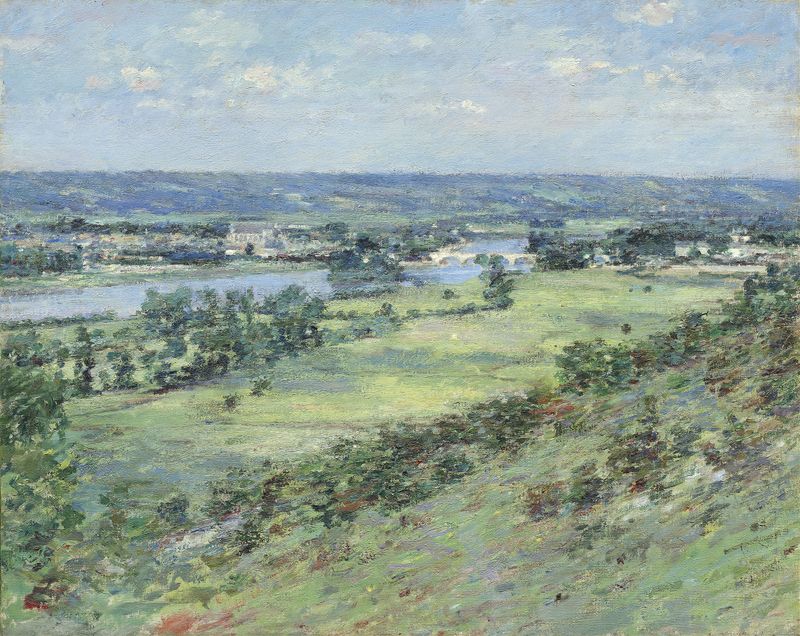
The Valley of the Seine,from the Hills of Giverny
Theodore Robinson
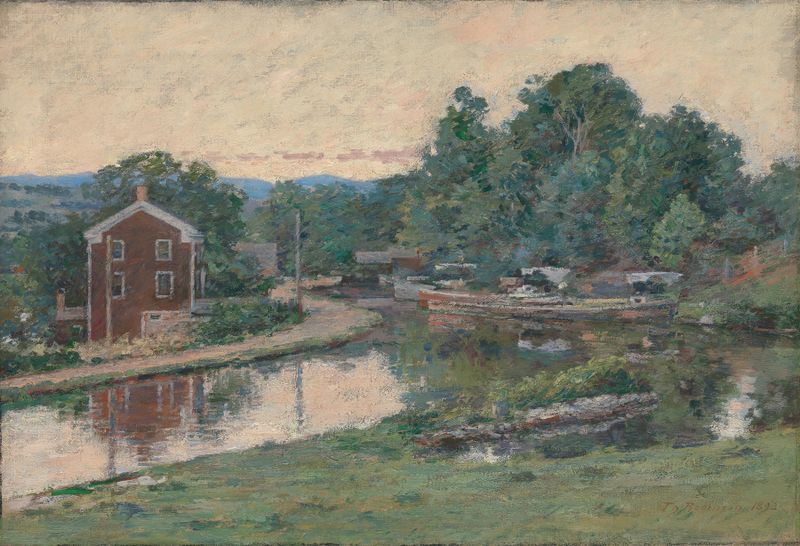
Evening at the Lock, Napanoch, New York
Theodore Robinson
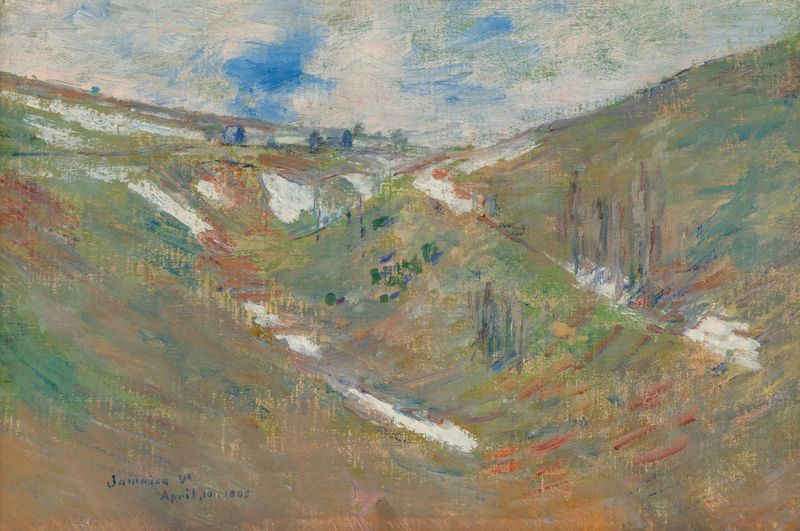
Jamaica, Vermont
Theodore Robinson
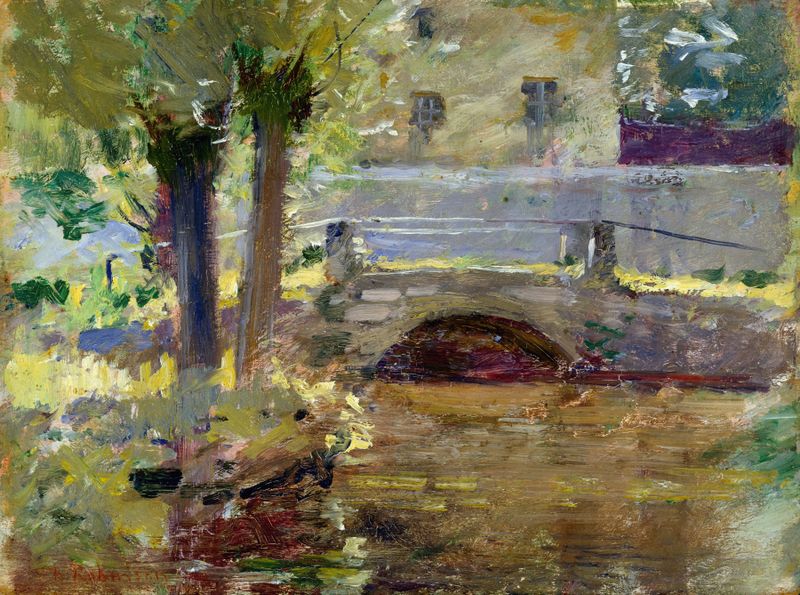
The Bridge at Giverny
Theodore Robinson

House In Virginia
Theodore Robinson
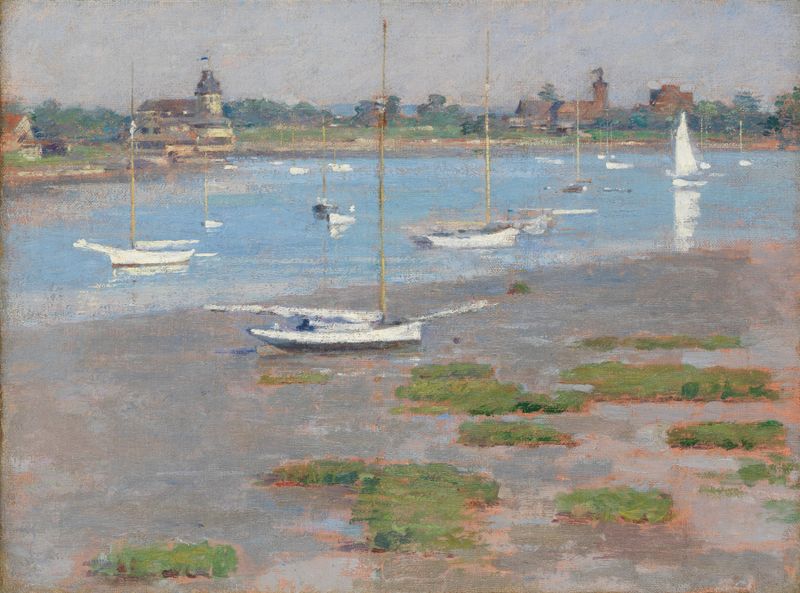
Low Tide, Riverside Yacht Club
Theodore Robinson





