Winterlandschaft — History & Analysis
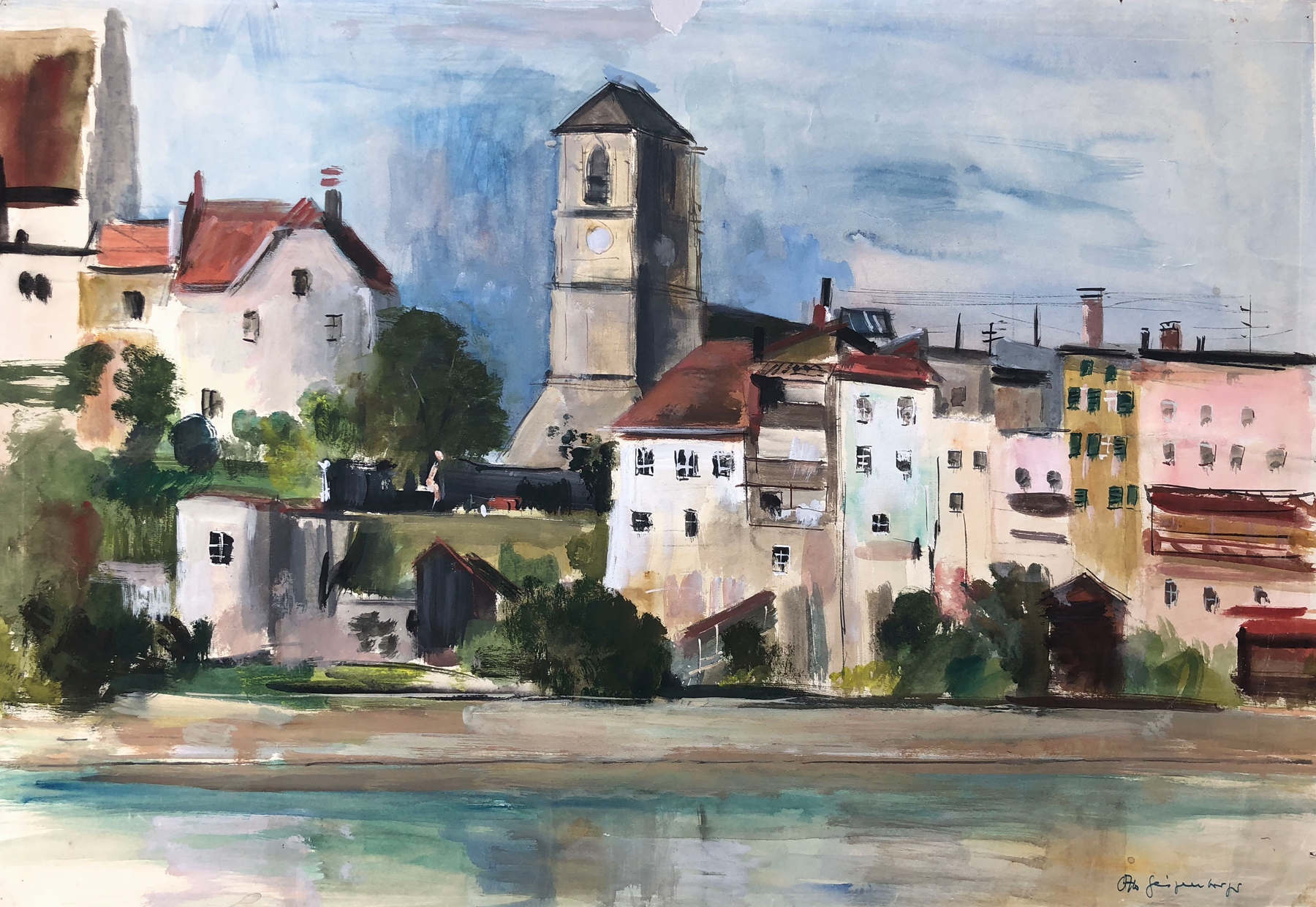
“Between color and silence, truth hides.” In a world drenched in white, fear waits beneath the surface, concealed by the tranquil facade of winter. Look to the left, where the cool, subdued hues of the landscape beckon your gaze. The shimmering snow blankets the ground, while the skeletal trees stand sentinel against a pale sky, their gnarled branches stretching out like fingers grasping for warmth. Each stroke of the brush captures the delicate interplay of light—soft highlights spilling over the frozen ground, casting an ethereal glow that contrasts sharply with the darkened forms of nature.
The composition speaks to a quiet desolation, evoking a profound sense of isolation. Yet, deeper meanings lie in the details. The starkness of the landscape becomes a metaphor for the fragility of existence, as the silent expanse mirrors our deepest fears. The absence of life in the scene hints at a world holding its breath, waiting for a change that feels just out of reach.
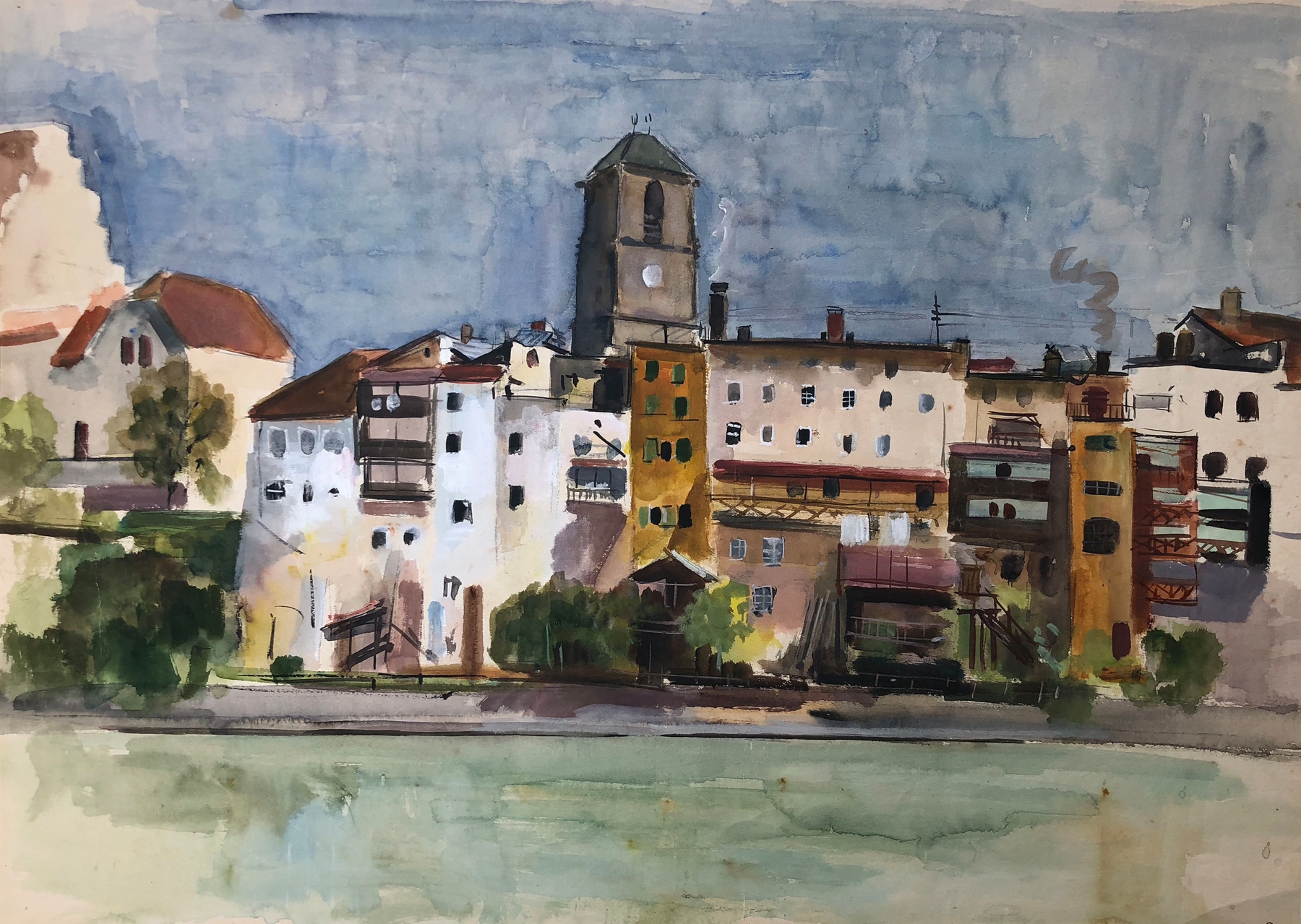
This tension between stillness and the potential for upheaval creates an emotional undercurrent, inviting viewers to confront their own anxieties about the passage of time and the inevitability of transformation. In Winterlandschaft, the artist captured this moment in the vicinity of Wasserburg am Inn during a time of significant personal reflection. Geigenberger, influenced by the post-war ethos of the early 20th century, grappled with the contradictions of beauty and desolation. His works during this period reveal a deep engagement with themes of solitude, responding to a world marked by both the promise of renewal and the shadows of fear that linger just beneath the surface.