
Witch and her Guardians — History & Facts
Where does light end, and longing begin? This question echoes through the vibrant strokes and hues that compose this intimate tableau of guardianship and enchantment. Focus on the powerful interplay of color — the deep greens and soft golds that envelop the figures, inviting you to explore the emotional landscape. Notice how the light illuminates the witch, casting her in a gentle glow that contrasts with the somber shadows of her protectors. The intricate detailing of their expressions captures a blend of fierce loyalty and a hint of apprehension, creating a palpable tension that draws you deeper into their world. The witch, portrayed with an air of both authority and vulnerability, stands at the center — a beacon of mystery and magnetism.
Surrounding her, the guardians seem to embody different aspects of human experience: the burdens of protection, the weight of expectation, and the unspoken fear of loss. Each figure holds a unique posture, suggesting an unyielding bond yet hinting at the individual stories intertwined within this compelling narrative. Ernest Haskell created this work during a transformative period in art, likely in the early 20th century, when Symbolism and the focus on emotional expression were gaining prominence. Living amidst artistic experimentation, he sought to explore the depths of human relationships and mystical themes through an innovative use of color and form.
This piece reflects not only his personal artistic evolution but also the wider cultural shifts that were redefining the boundaries of art itself.
More Artworks by Ernest Haskell
Browse all →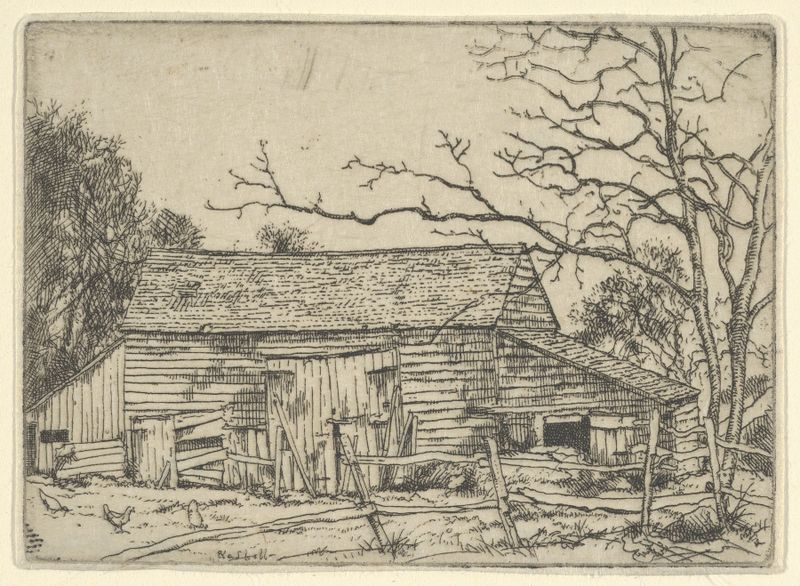
The Barn–Staten Island, N.Y.
Ernest Haskell

Four Live Oaks
Ernest Haskell
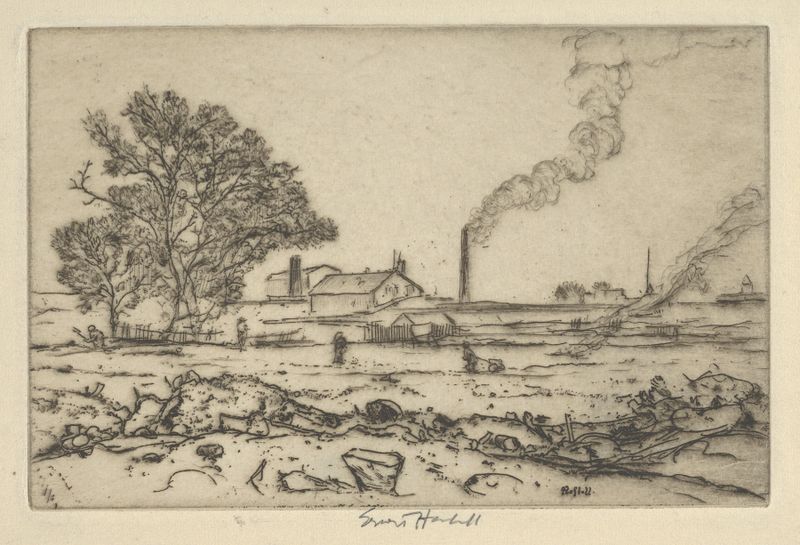
Outskirts of Boston
Ernest Haskell
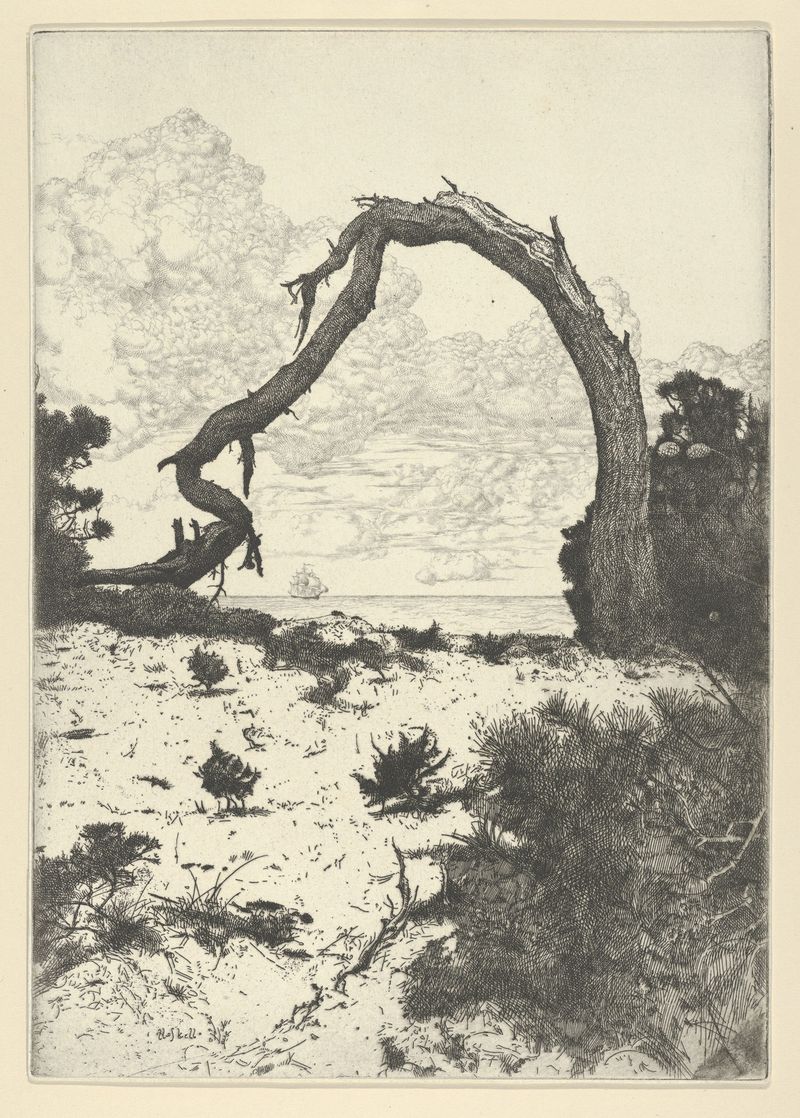
Pine Arch
Ernest Haskell

General Sherman
Ernest Haskell
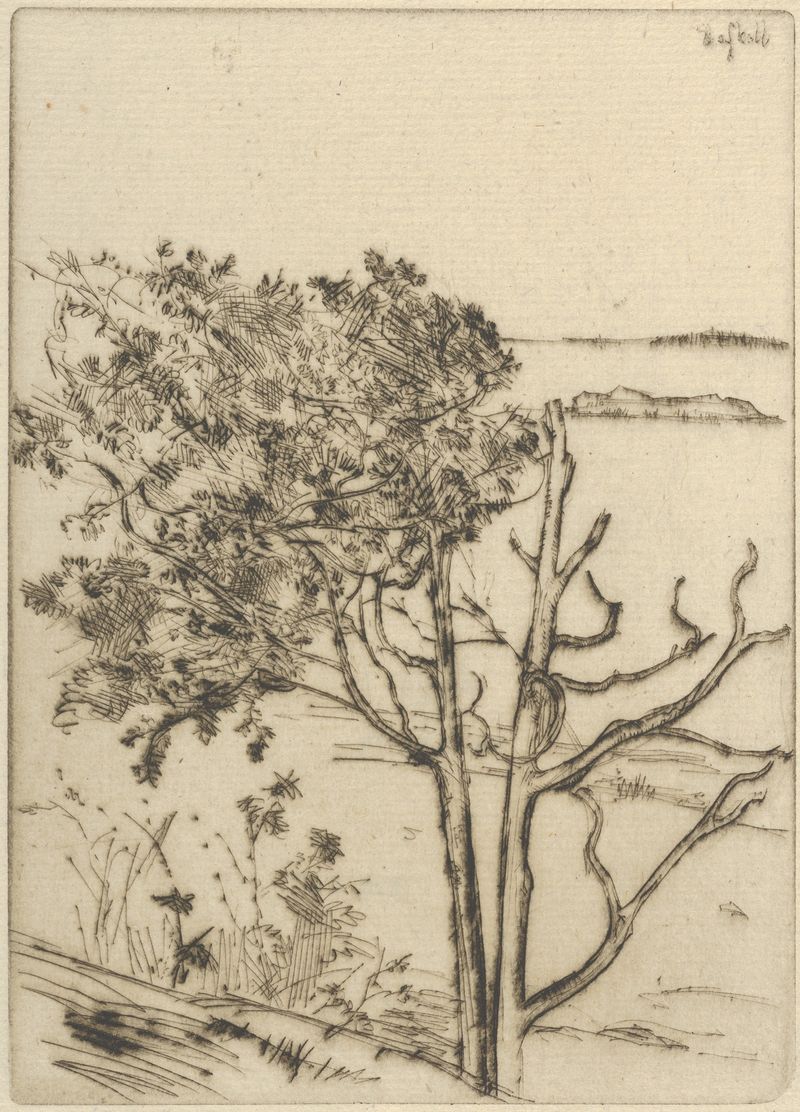
Ragged Tree – Maine
Ernest Haskell

Tide Mill
Ernest Haskell

Ship Building
Ernest Haskell
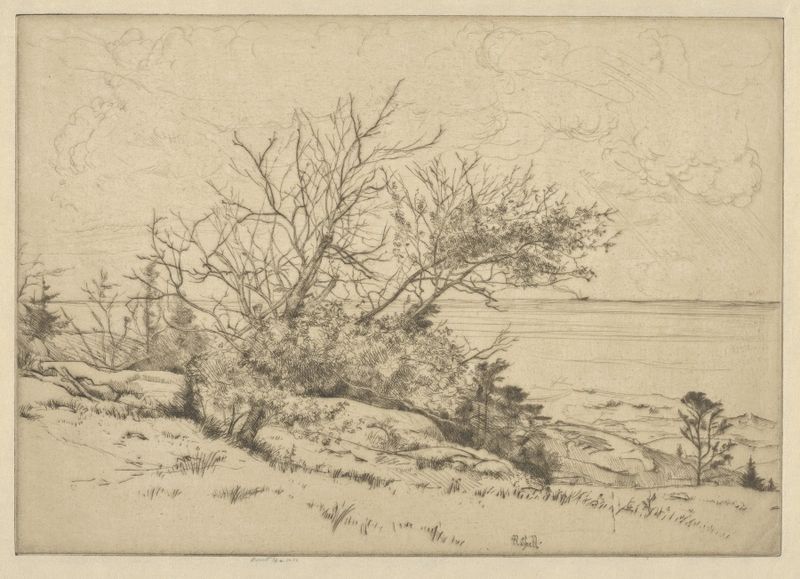
To the Southward – Ragged Island, Me.
Ernest Haskell
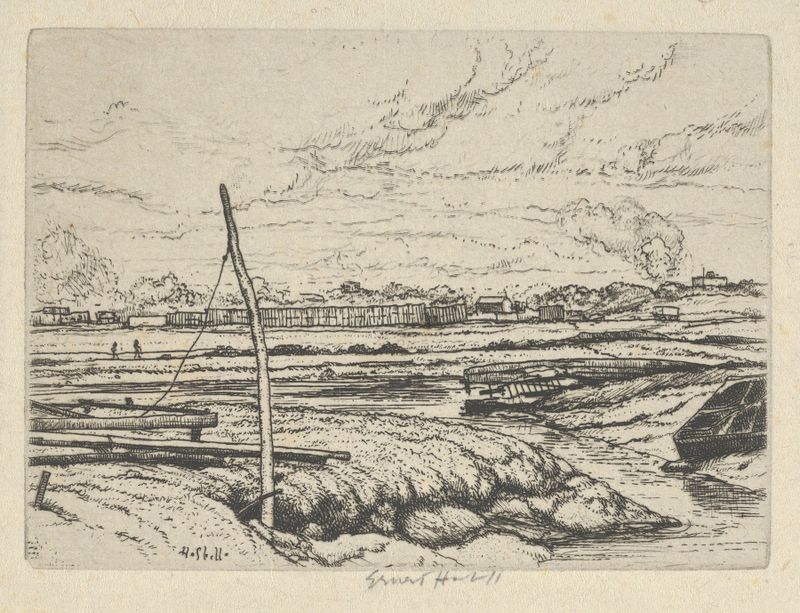
Long Island Marshes
Ernest Haskell





