
Discover insights about this artwork
Without Commending Himself either to God or the Devil [Clear Folly] (Sin Recomendarse a Dios ni al Diablo [Disparate Claro]) — History & Facts
In Without Commending Himself either to God or the Devil [Clear Folly], Goya presents a striking scene filled with vibrant colors. The figures depicted are engaged in a chaotic and almost absurd interaction, reflecting a sense of folly. The background is somewhat ambiguous, enhancing the overall feeling of confusion.
The use of light and shadow adds depth to the composition, drawing the viewer's eye to the central figures. This painting is executed in oil on canvas, showcasing Goya's skill in blending colors and textures. The brushwork is dynamic, contributing to the sense of movement within the scene. The dimensions are approximately 60 x 80 cm, making it a relatively modest-sized work.
The painting's title suggests a critique of human folly, a recurring theme in Goya's oeuvre. Francisco de Goya was a pivotal figure in Spanish art, bridging the gap between the Old Masters and modern art. This particular work, created in the 1790s, reflects his growing interest in social commentary and the human condition. An interesting fact about this painting is that it is part of a series where Goya explores various aspects of folly and irrationality.
Goya's ability to convey complex themes through simple imagery is what makes this work significant.
More Artworks by Francisco de Goya
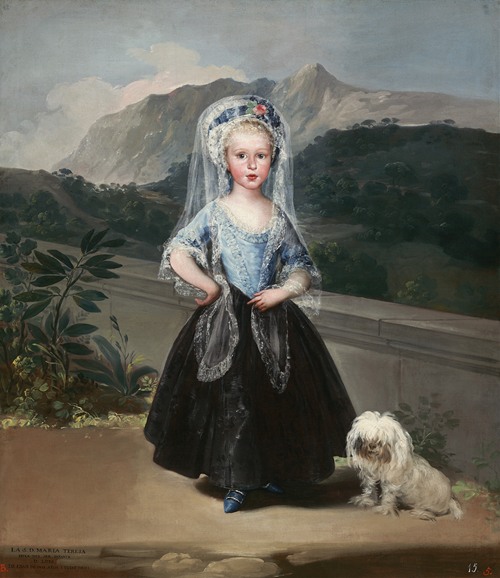
María Teresa de Borbón y Vallabriga,later Condesa de Chinchón
Francisco de Goya
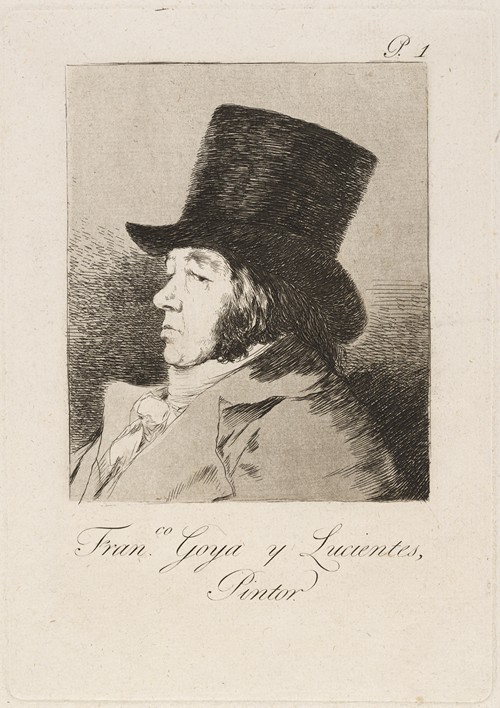
Francisco Goya y Lucientes, Pintor (Francisco Goya y Lucientes, painter)
Francisco de Goya
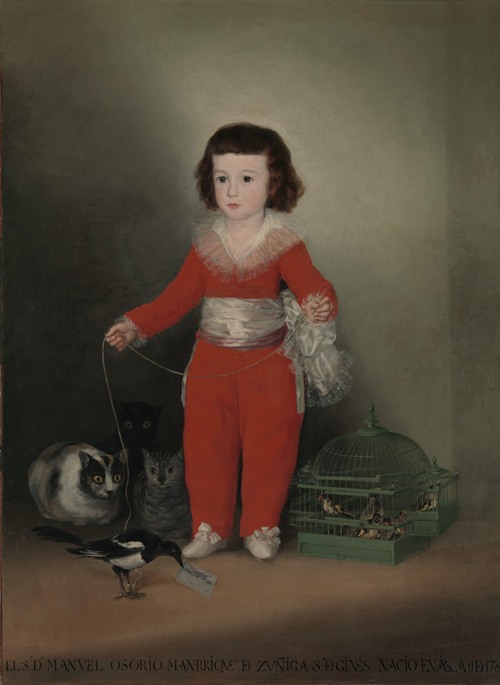
Manuel Osorio Manrique de Zuñiga (1784–1792)
Francisco de Goya
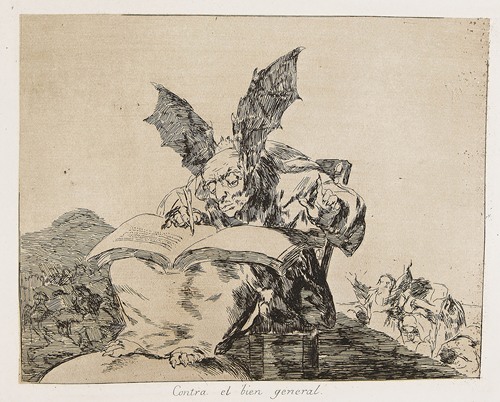
Los desastres de la guerra
Francisco de Goya
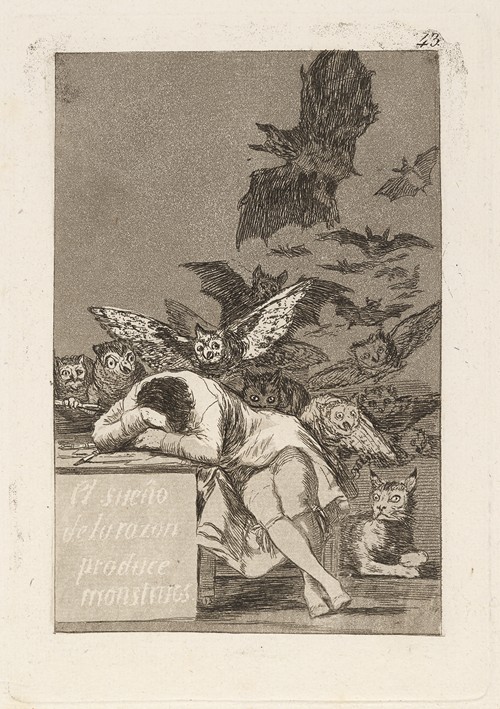
El sueño de la razon produce monstruos. (The sleep of reason produces monsters.)
Francisco de Goya
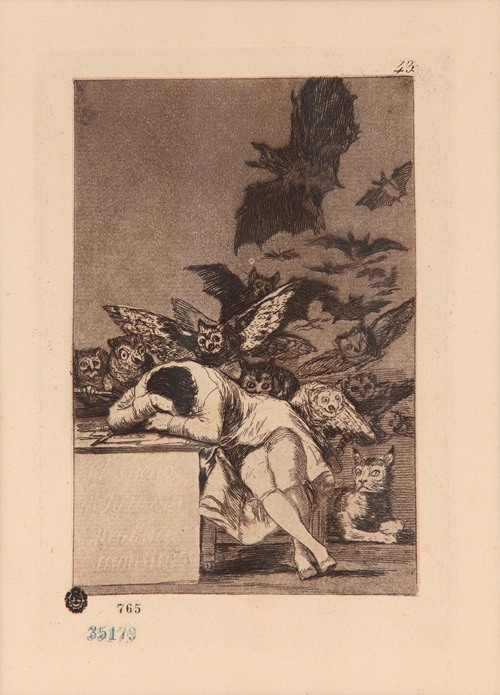
El sueño de la razon produce moustruos (Serie Caprichos)
Francisco de Goya
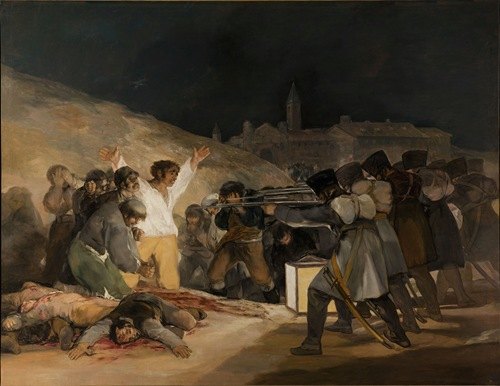
The Third of May
Francisco de Goya
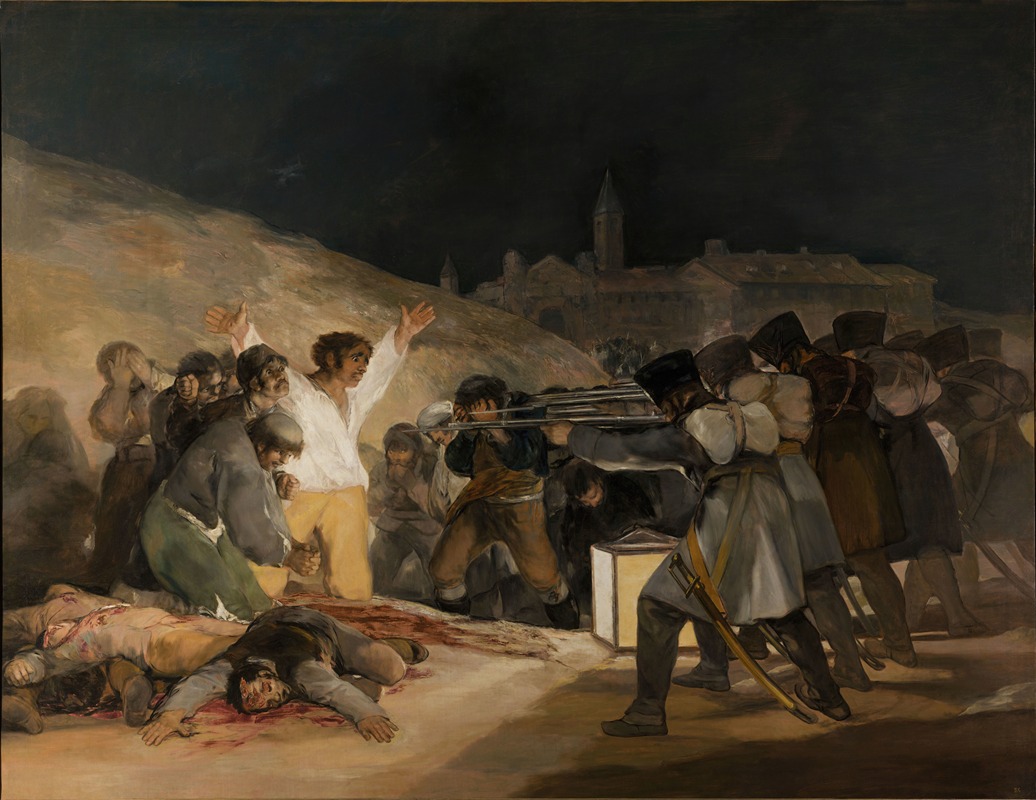
The Third of May 1808
Francisco de Goya
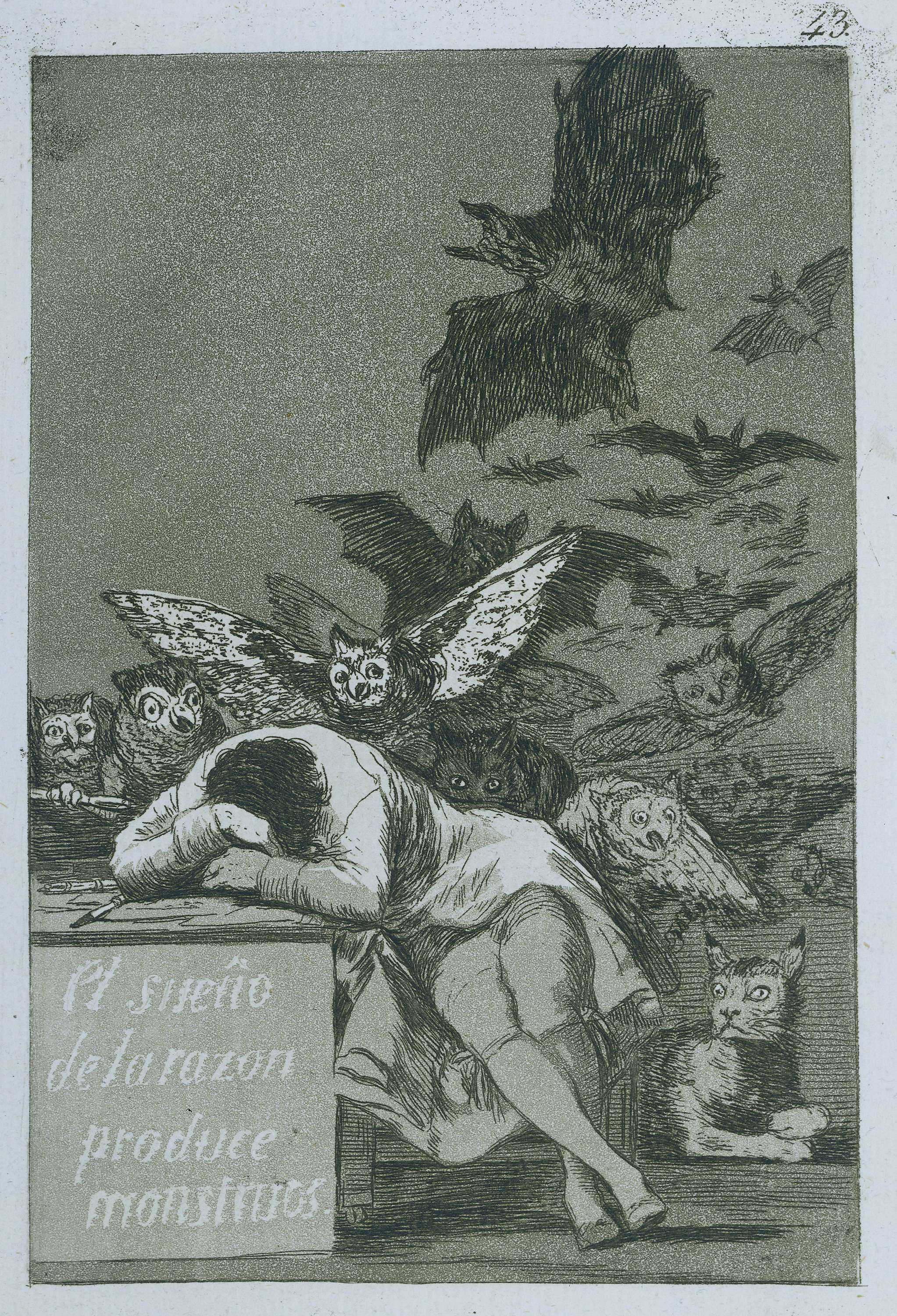
De slaap van de rede brengt monsters voort
Francisco de Goya
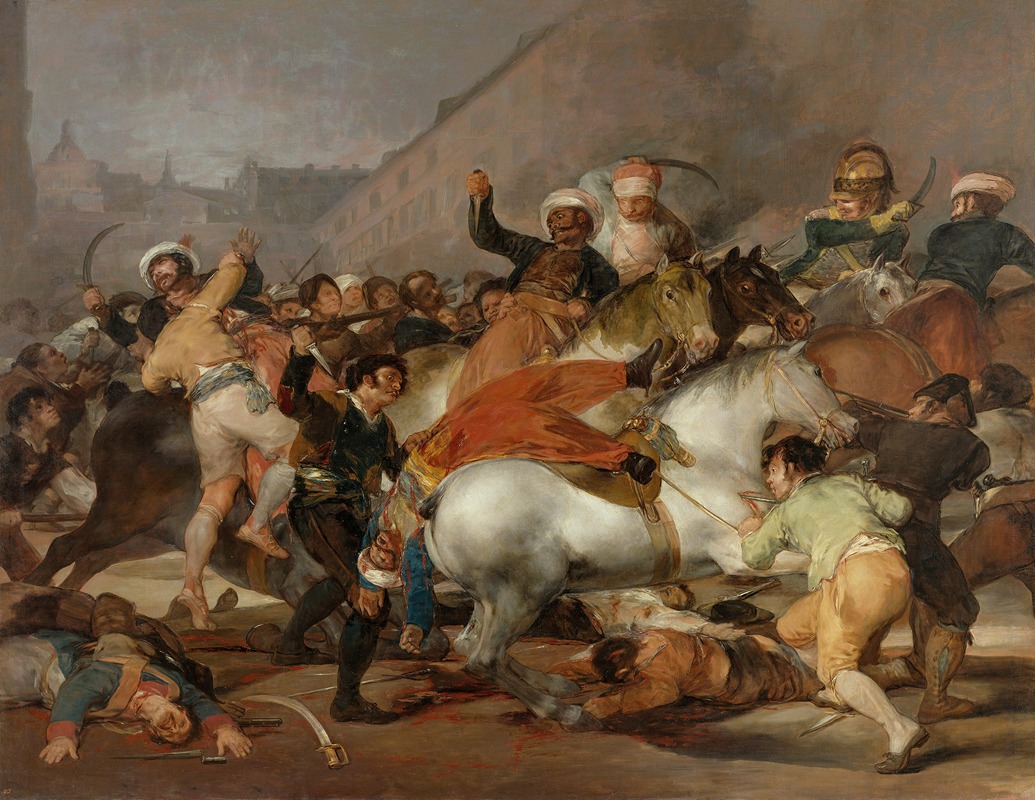
The Charge of the Mamelukes (1814)
Francisco de Goya
More Allegory Art
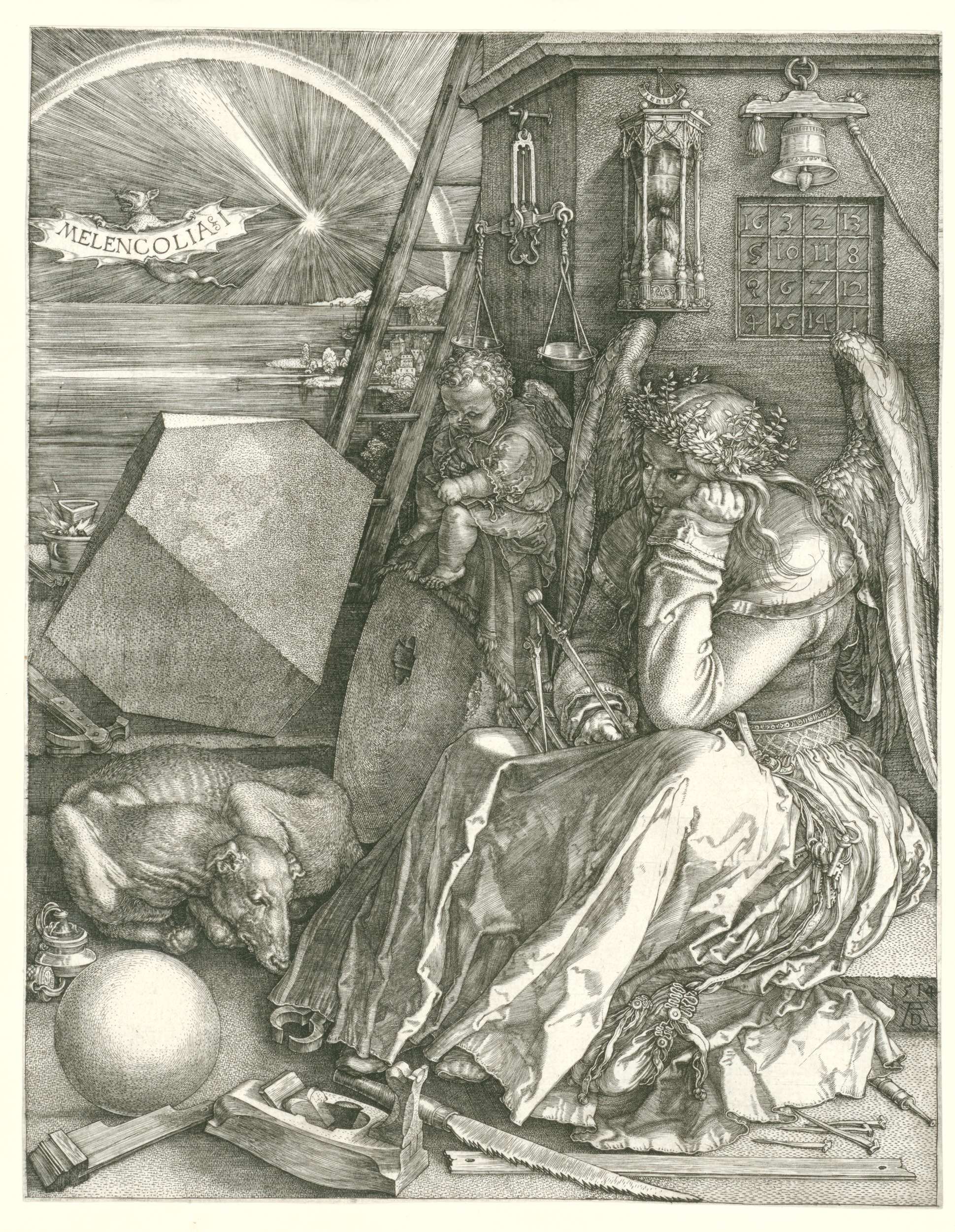
Melancholia
Albrecht Dürer
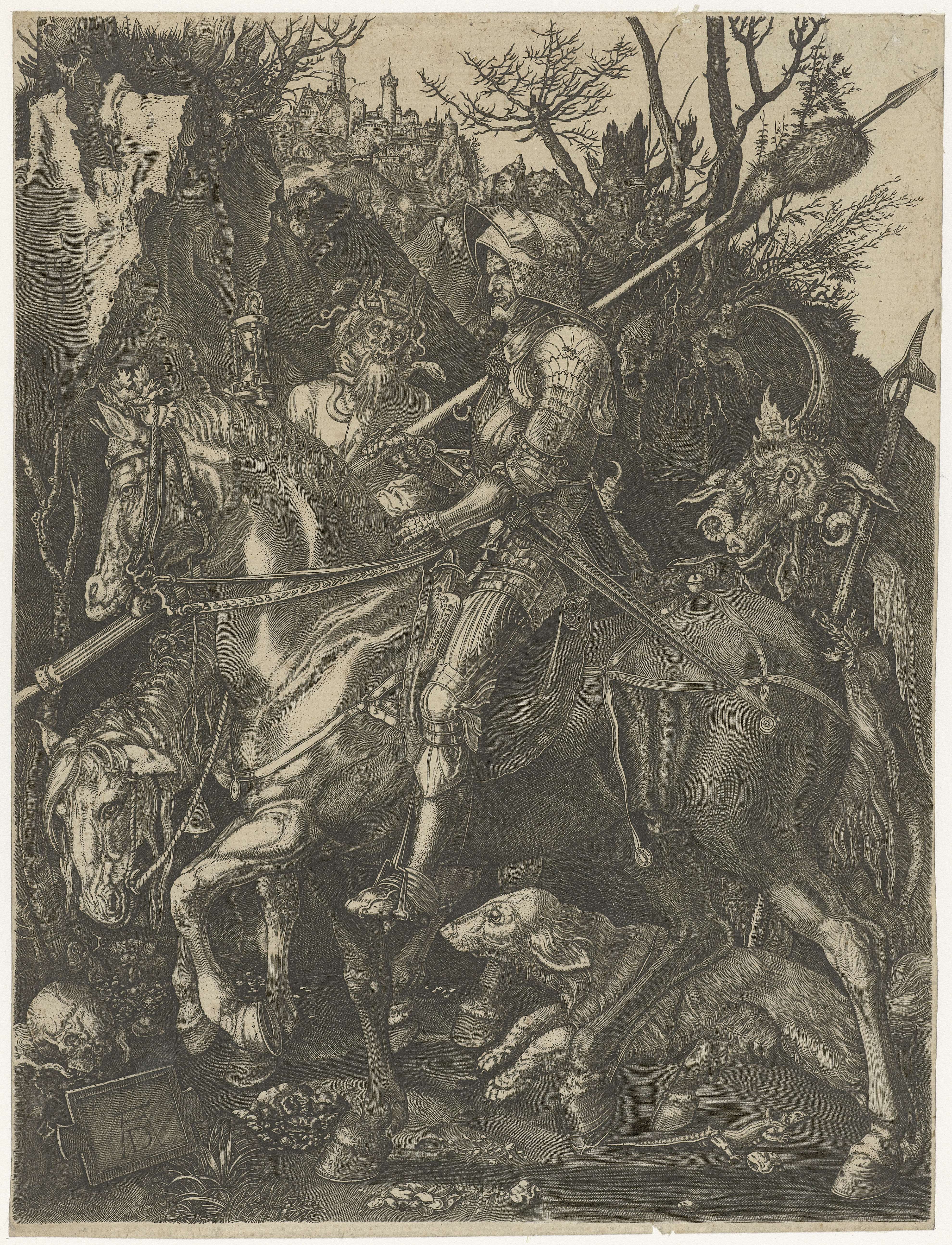
Ridder, Dood en Duivel
Unknown Artist
El sueño de la razon produce monstruos. (The sleep of reason produces monsters.)
Francisco de Goya
El sueño de la razon produce moustruos (Serie Caprichos)
Francisco de Goya
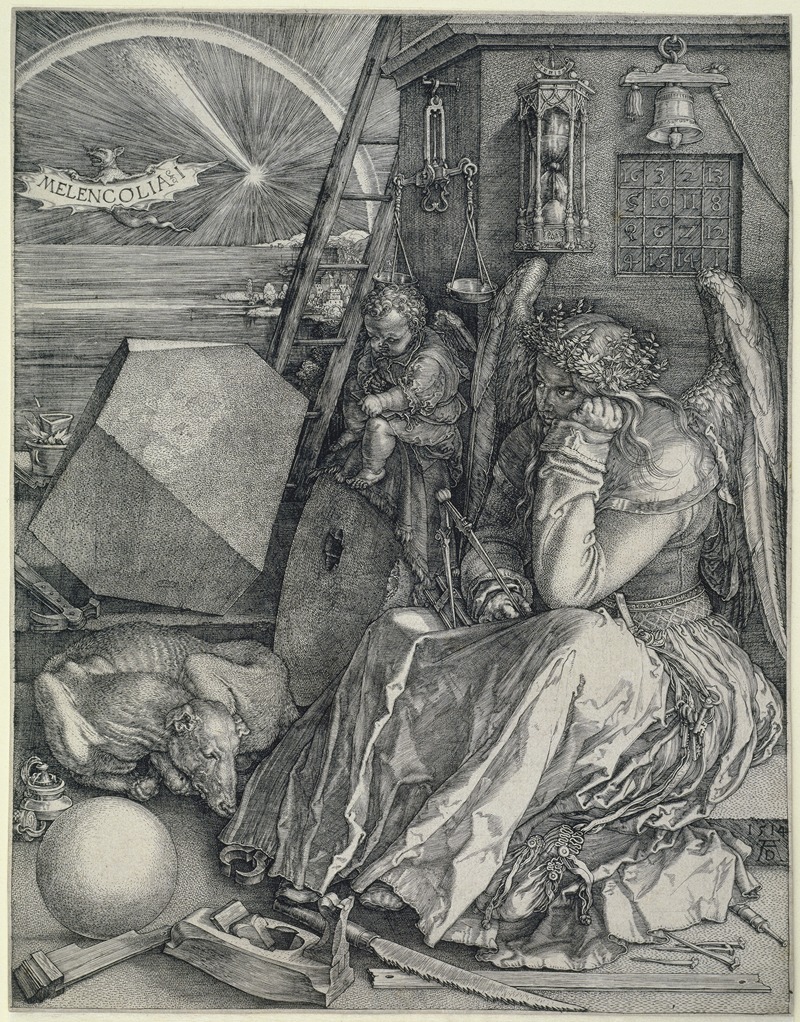
Melencolia I (The Melancholy)
Albrecht Dürer
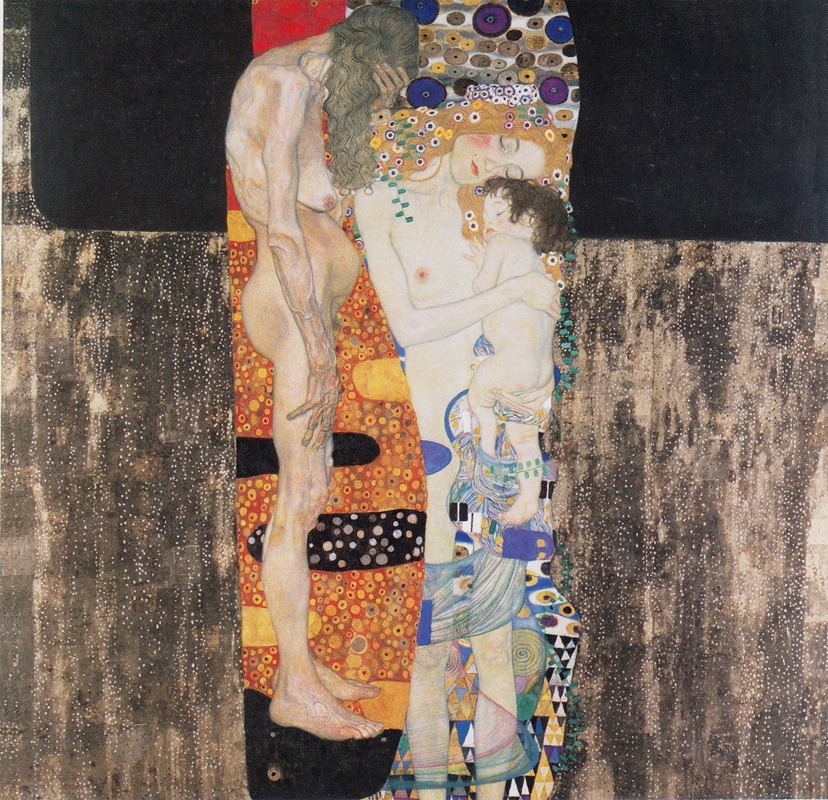
The Three Ages of the Woman
Gustav Klimt