
Wolves in the forest in front of a cave — History & Facts
A shaft of warm light draws the viewer’s gaze to the mouth of a cave, where a pair of wolves linger amid scattered bones, their bodies caught in a rare moment of uneasy calm. The forest around them is dense, ancient, and almost impenetrable, with gnarled trunks and thick foliage casting deep shadows that seem to press in from all sides. The drama here is not one of action, but of atmosphere: the wolves are not hunting or fleeing, but pausing, as if the forest itself is holding its breath.
The composition leads the eye from the shadowed left, past the massive tree, into the sunlit clearing and finally to the dark cave beyond—a journey from obscurity to revelation, and back again. The palette, dominated by earthy browns and mossy greens, sets a mood of quiet tension, suggesting that this is a place where danger and sanctuary are never far apart. Painted between 1798 and 1799, this work belongs to a world on the cusp of Romanticism, when artists like Caspar David Friedrich began to turn their attention to the wildness of nature and the mysteries it held. Such landscapes were rarely just records of scenery; they were invitations to contemplate the unknown, the untamed, and the primal forces lurking beyond the reach of civilization.
Little is documented about this particular painting’s early history, but its appearance at Kunsthaus Lempertz in Cologne in 2010 hints at a long journey through private hands. In the late eighteenth century, scenes like this were prized by collectors for their ability to evoke both fear and fascination—a reminder that, for all its beauty, the forest remained a realm apart. The wolves wait, the bones tell their silent story, and the viewer is left to wonder what lies just out of sight.
More Artworks by Caspar David Friedrich
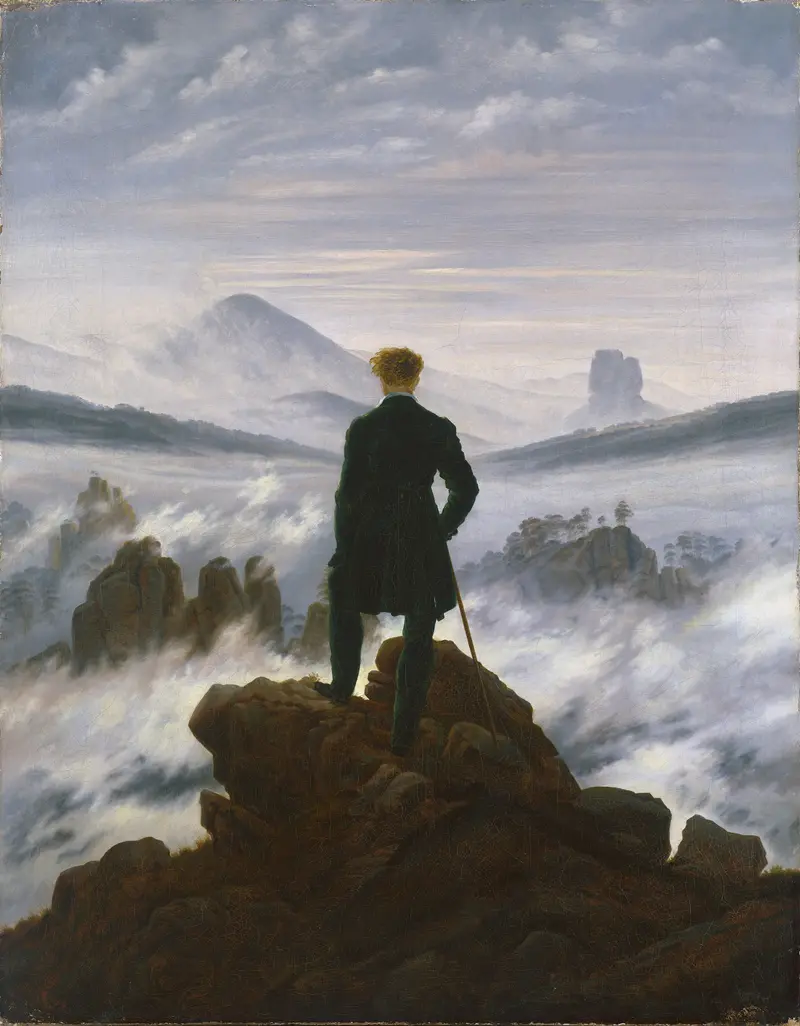
Wanderer above the Sea of Fog
Caspar David Friedrich

The Sea of Ice
Caspar David Friedrich
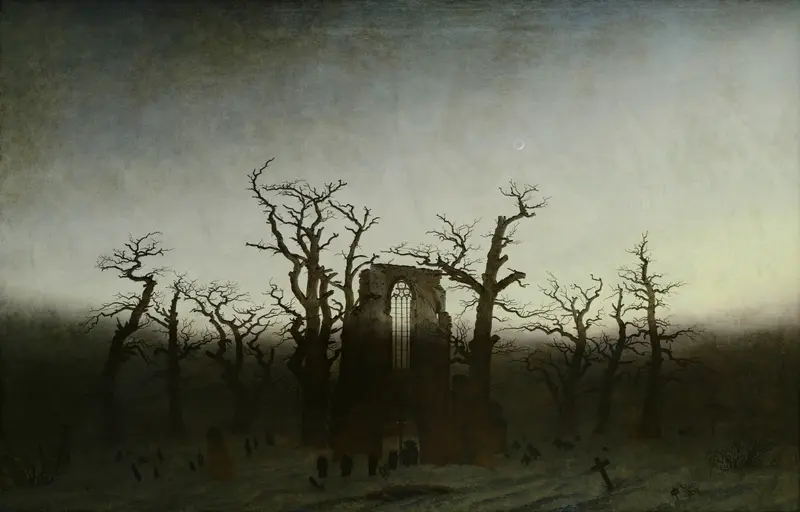
The Abbey in the Oakwood
Caspar David Friedrich
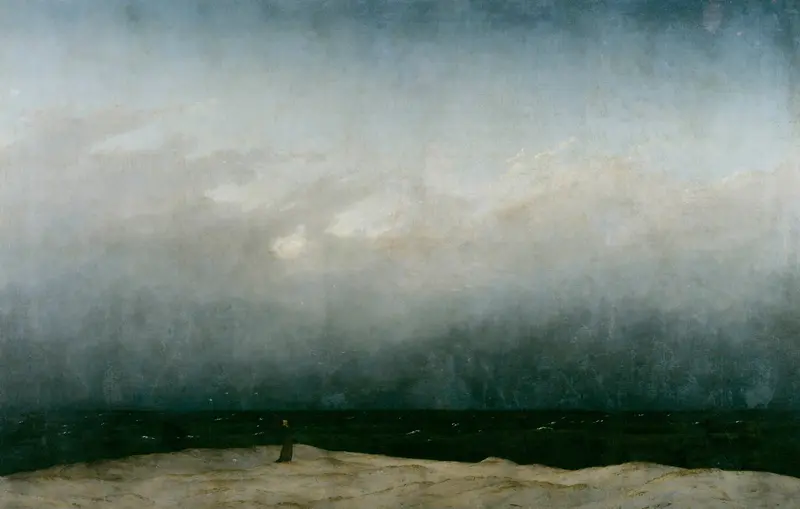
The Monk by the Sea
Caspar David Friedrich
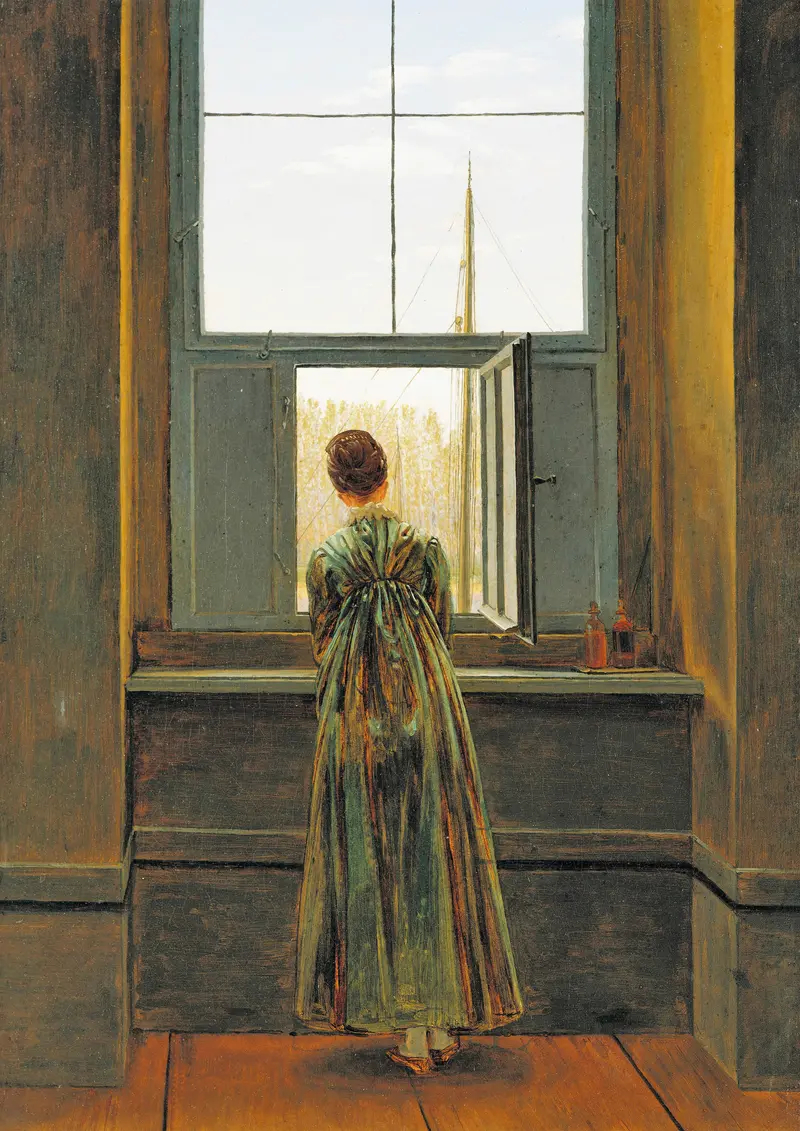
Woman at a Window
Caspar David Friedrich
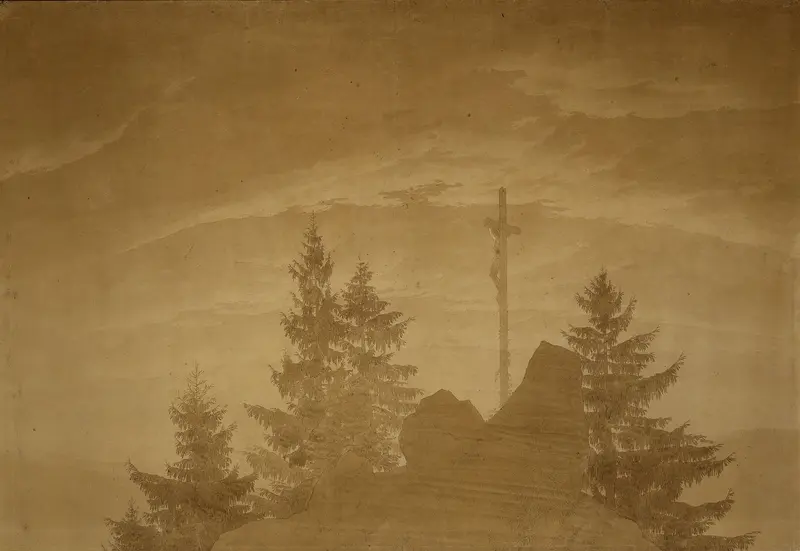
Cross in the Mountains
Caspar David Friedrich
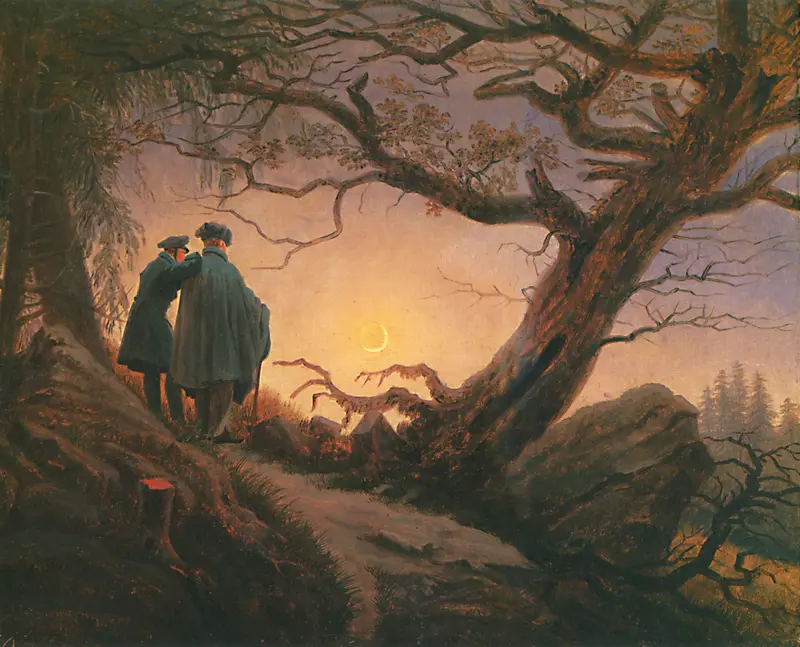
Two Men Contemplating the Moon
Caspar David Friedrich
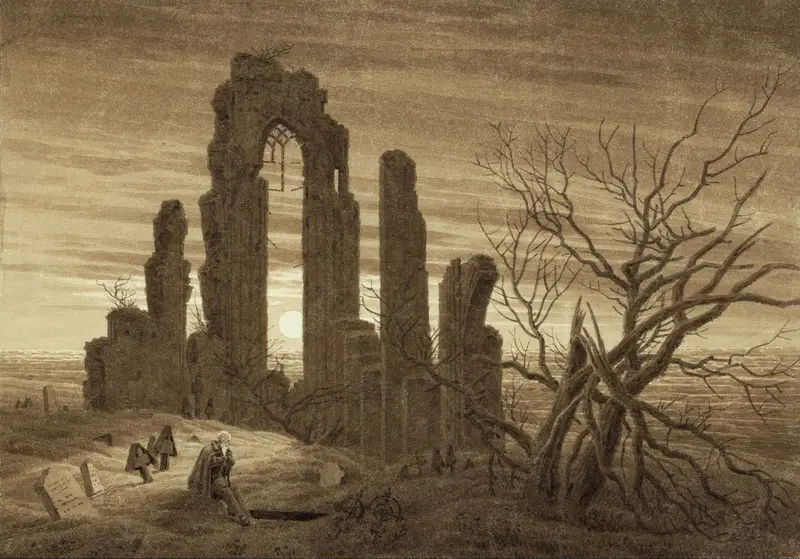
Winter – Night – Old Age and Death (from the times of day and ages of man cycle of 1803)
Caspar David Friedrich
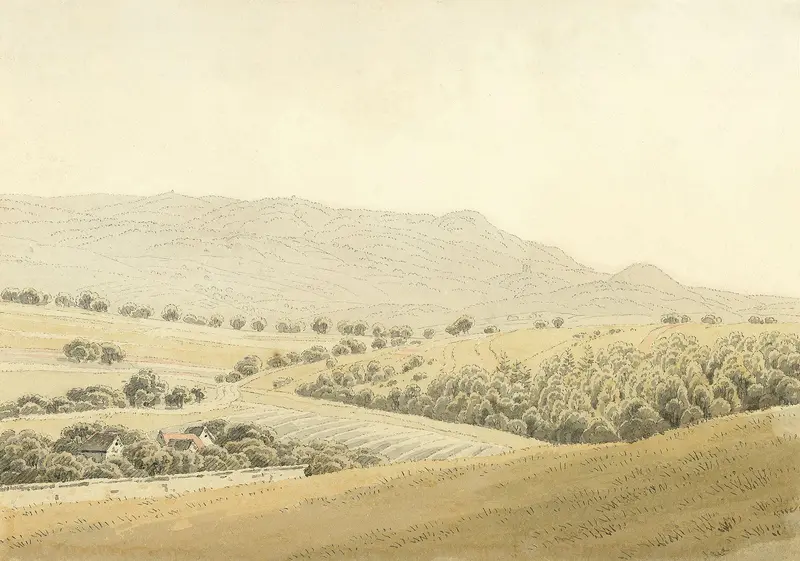
Mittelgebirgslandschaft
Caspar David Friedrich

Landschaft mit gebirgsee, morgen
Caspar David Friedrich
More Landscape Art

The Starry Night
Vincent van Gogh

View of Delft
Johannes Vermeer

Water Lilies
Claude Monet

The Grand Canal, Venice, looking north-west from the Ca' Corner to the Ca' Contarini degli Scrigni, with the campanile of Santa Maria della Carità
Canaletto

Windsor Castle
Canaletto

The Grand Canal looking North-East from the Palazzo Dolfin-Manin to the Rialto Bridge
Canaletto