
Woman and Child at the Well — History & Facts
In Woman and Child at the Well, a poignant moment unfolds, revealing the delicate balance of daily labor and maternal care that resonates through time. Look to the left at the mother, her figure both sturdy and tender, as she reaches out to the child. Notice how the light bathes her in a golden hue, casting a warm glow that dances across the water’s surface. The well itself, a central feature, stands as a symbol of sustenance and toil, framed by lush greens, while soft blues harmonize with the earth tones.
The brushstrokes, alive with movement and texture, invite you to feel the warmth of the sun filtering through the leaves. The contrasts in the painting tell a story of unspoken emotions. The mother’s focused gaze upon her child evokes a sense of nurturing responsibility, yet there is an underlying tension, a silent acknowledgment of her own burdens. The well, while a source of essential water, also signifies the labor of women often overlooked in society.
This duality transforms the scene into a meditation on the intersection of beauty and toil, evoking awe for the everyday struggles of women throughout history. In 1882, Camille Pissarro painted this work while living in France during a time of shifting social and political landscapes. As an influential figure in the Impressionist movement, he sought to capture ordinary moments infused with emotional depth, reflecting both the realities of rural life and the evolving role of women during the late 19th century. This piece stands as a testament to his dedication to portraying the human experience with empathy and authenticity.
More Artworks by Camille Pissarro
Browse all →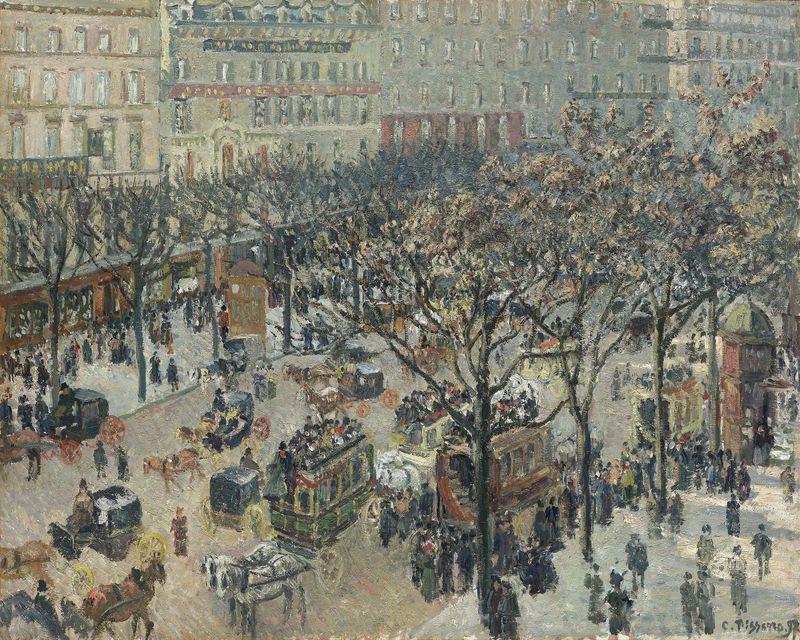
Boulevard des Italiens,Morning_Sunlight
Camille Pissarro
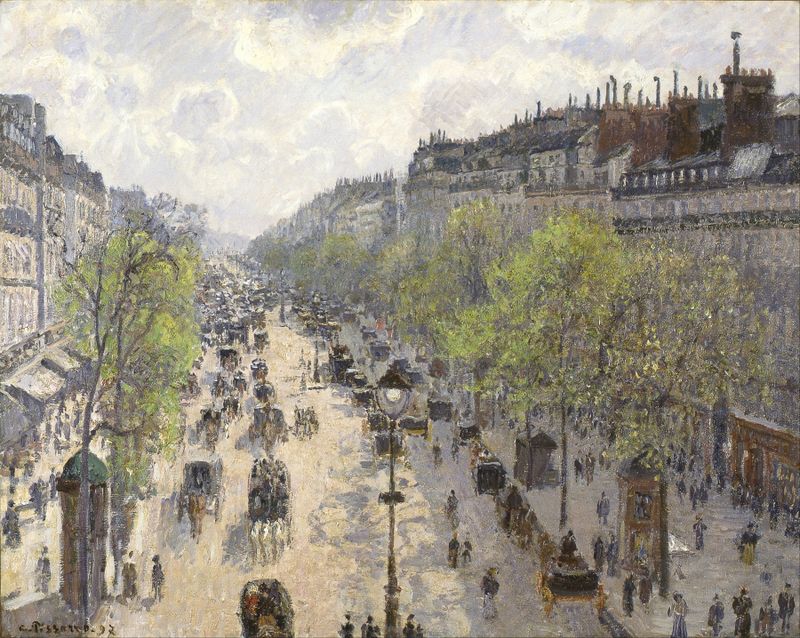
Boulevard Montmartre, Spring
Camille Pissarro
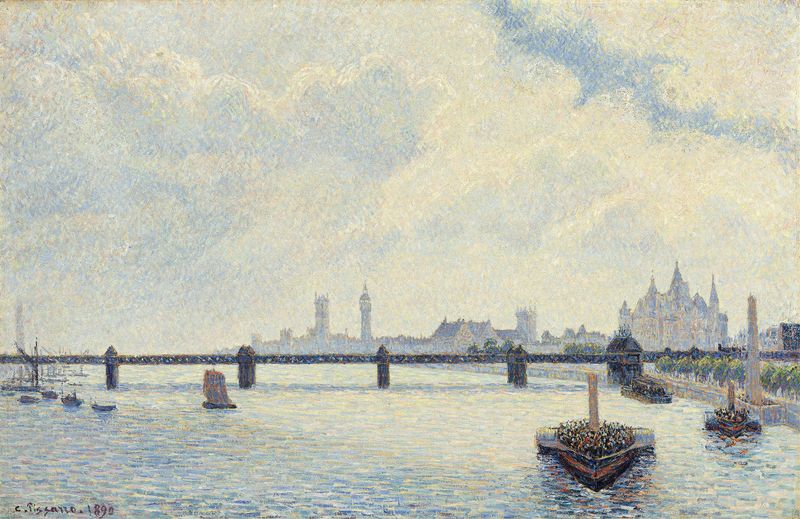
Charing Cross Bridge,London
Camille Pissarro
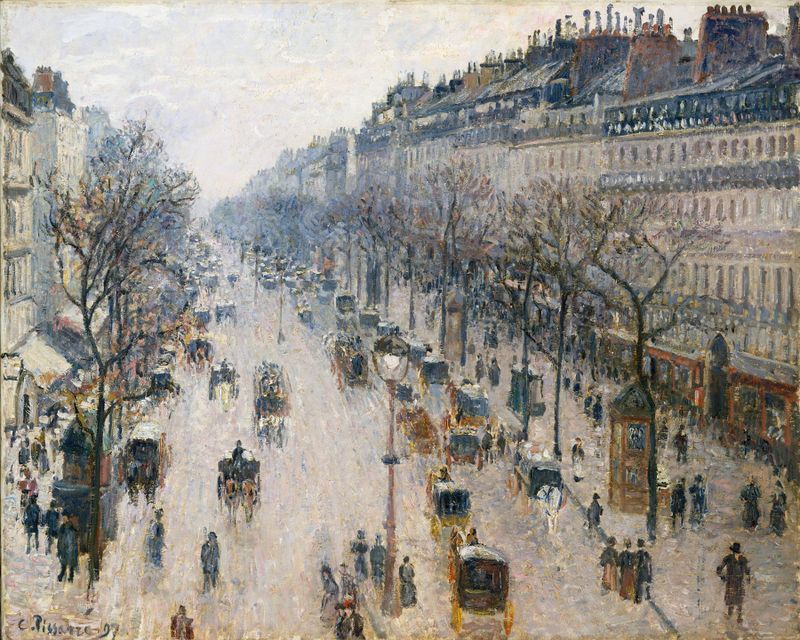
The Boulevard Montmartre on a Winter Morning
Camille Pissarro
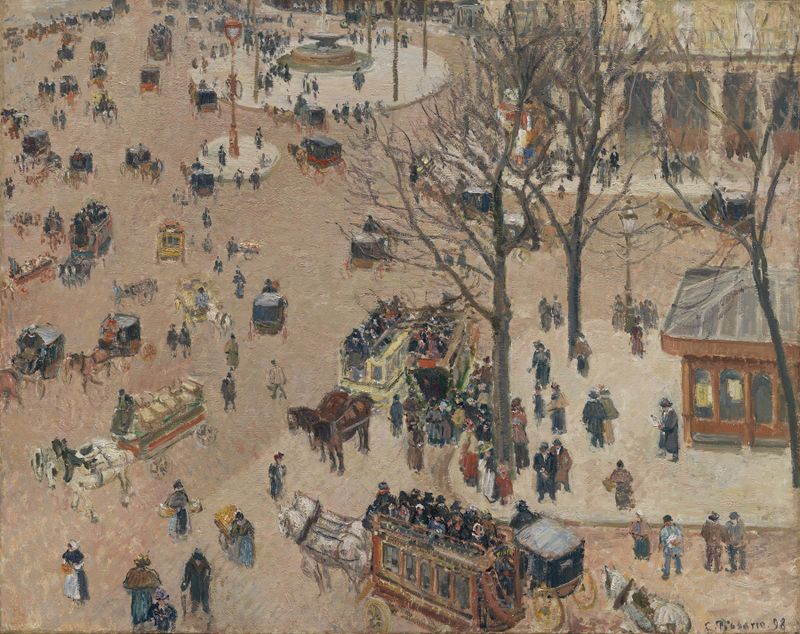
La Place du Théâtre Français
Camille Pissarro

Rue Saint-Lazare, Paris
Camille Pissarro
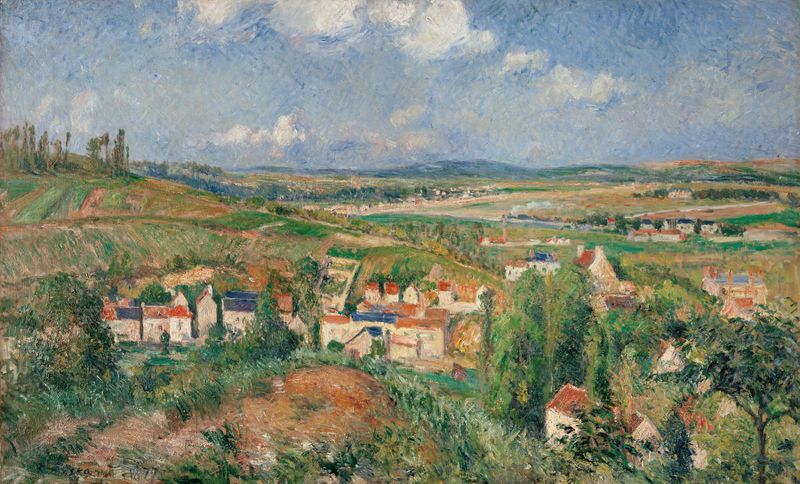
L’hermitage En Été, Pontoise
Camille Pissarro

Place du Theatre Francais,Fog Effect
Camille Pissarro
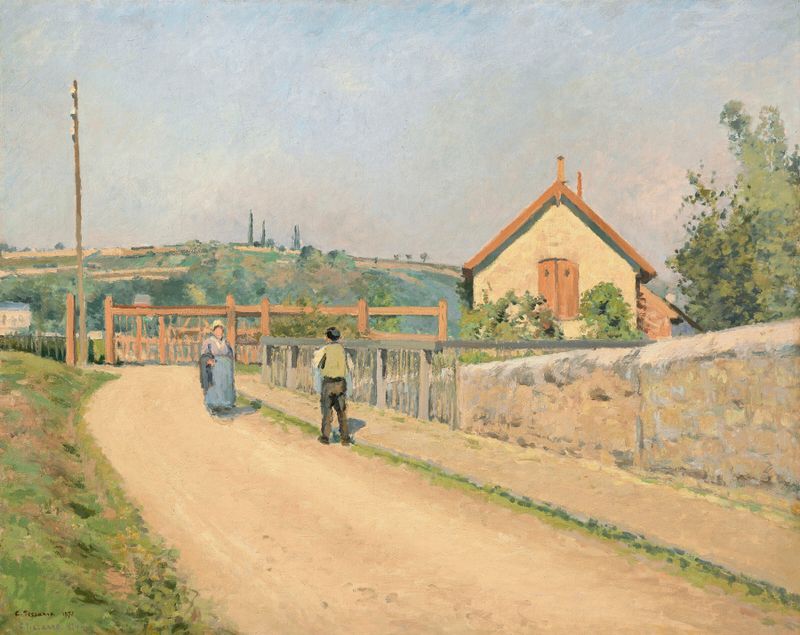
La barrière du chemin de fer, aux Pâtis près Pontoise
Camille Pissarro
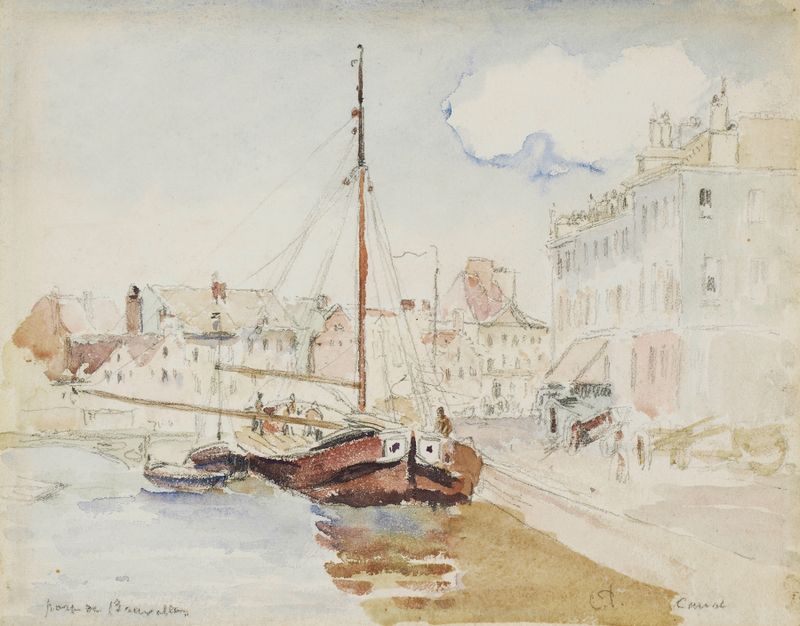
Port de Bruxelles
Camille Pissarro





