Woman Wearing Indian (?) dress — History & Facts
A woman stands poised in profile, her arm extended with a delicate object—perhaps a key or a ring—held lightly between her fingers. The lines of her dress, layered and flowing, draw the eye down from her composed face to the gentle fall of fabric at her feet. There is a studied calm to her stance, as if she is caught in the midst of a silent ritual or private gesture.
The artist’s use of ink and wash gives the figure a sense of immediacy: shadows gather at the folds of her skirt and sleeves, while the transparent layers suggest both the richness and lightness of her attire. The details of her jewelry and the subtle suggestion of embroidery hint at a world beyond the paper, inviting us to imagine her story. Drawn in the late 1630s, this work belongs to a period when European artists were fascinated by costumes and cultures beyond their own, often blending observation with imagination. Rembrandt van Rijn was known for his curiosity about the wider world, and his drawings sometimes reflect the mingling of Dutch life with distant influences brought by trade and travel.
The title’s uncertainty—“Indian (?) dress”—captures this era’s mix of fascination and guesswork about foreign attire. Now part of the Nationalmuseum’s collection, the drawing stands as a quiet witness to a time when artists explored the boundaries of the known world with pen and brush, leaving us to wonder at the stories behind each gesture and garment.
More Artworks by Rembrandt van Rijn
Bathsheba at Her Bath
Rembrandt van Rijn
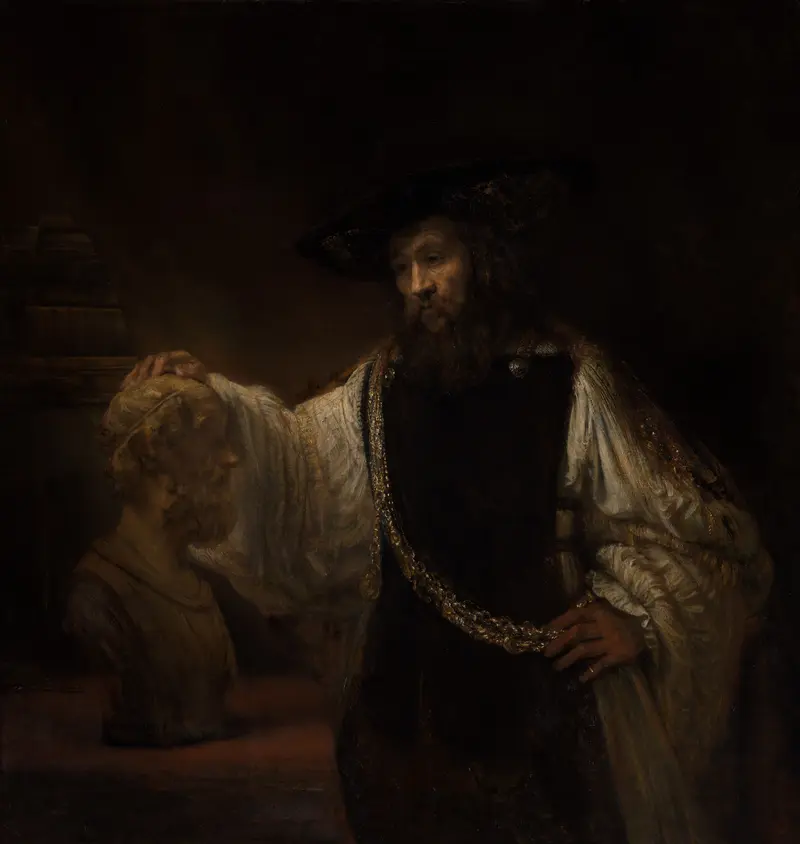
Aristotle with a Bust of Homer
Rembrandt van Rijn
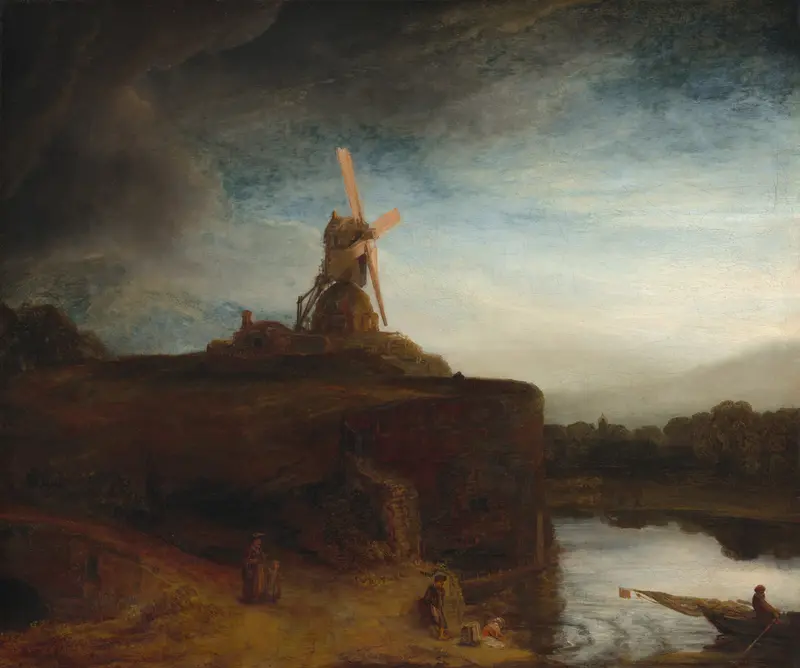
The Mill
Rembrandt van Rijn
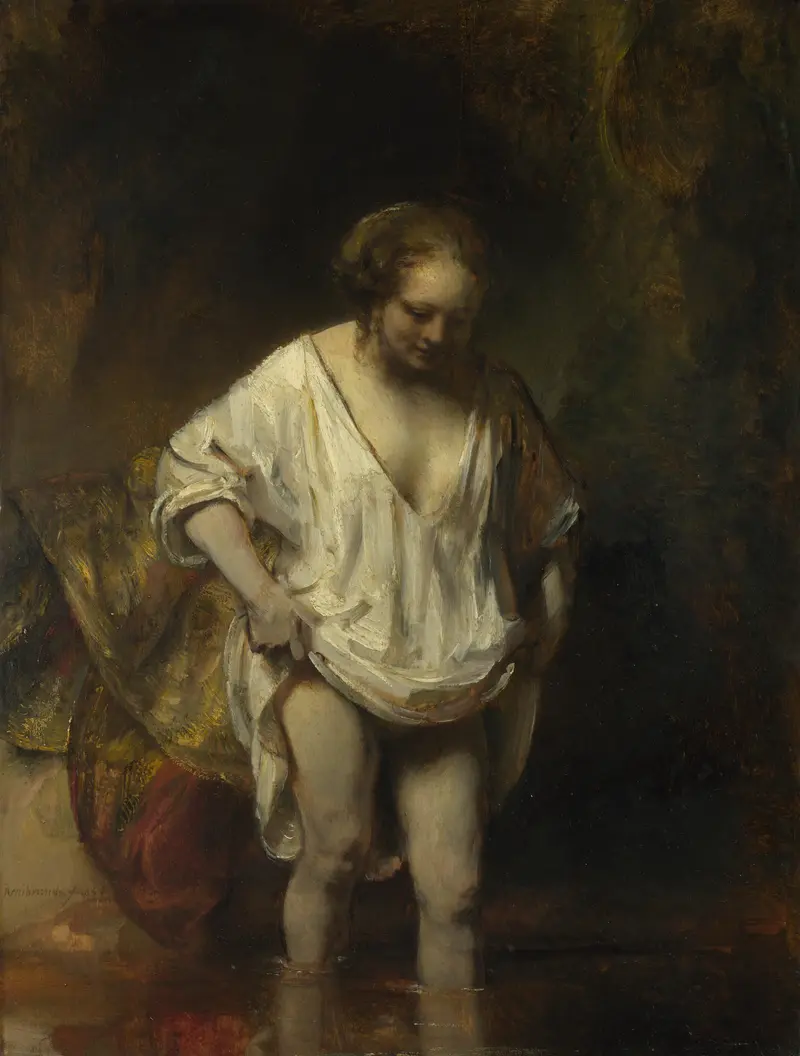
A Woman Bathing in a Stream
Rembrandt van Rijn
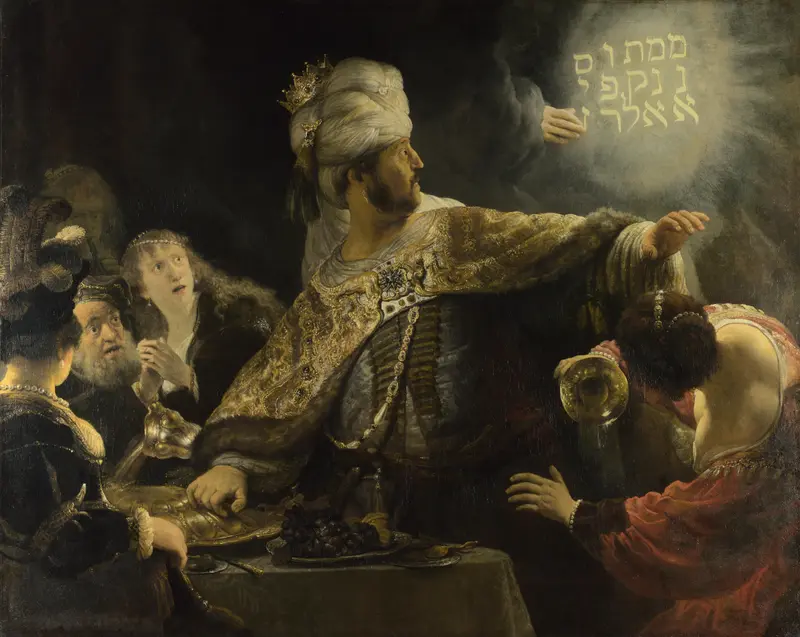
Belshazzar’s Feast
Rembrandt van Rijn
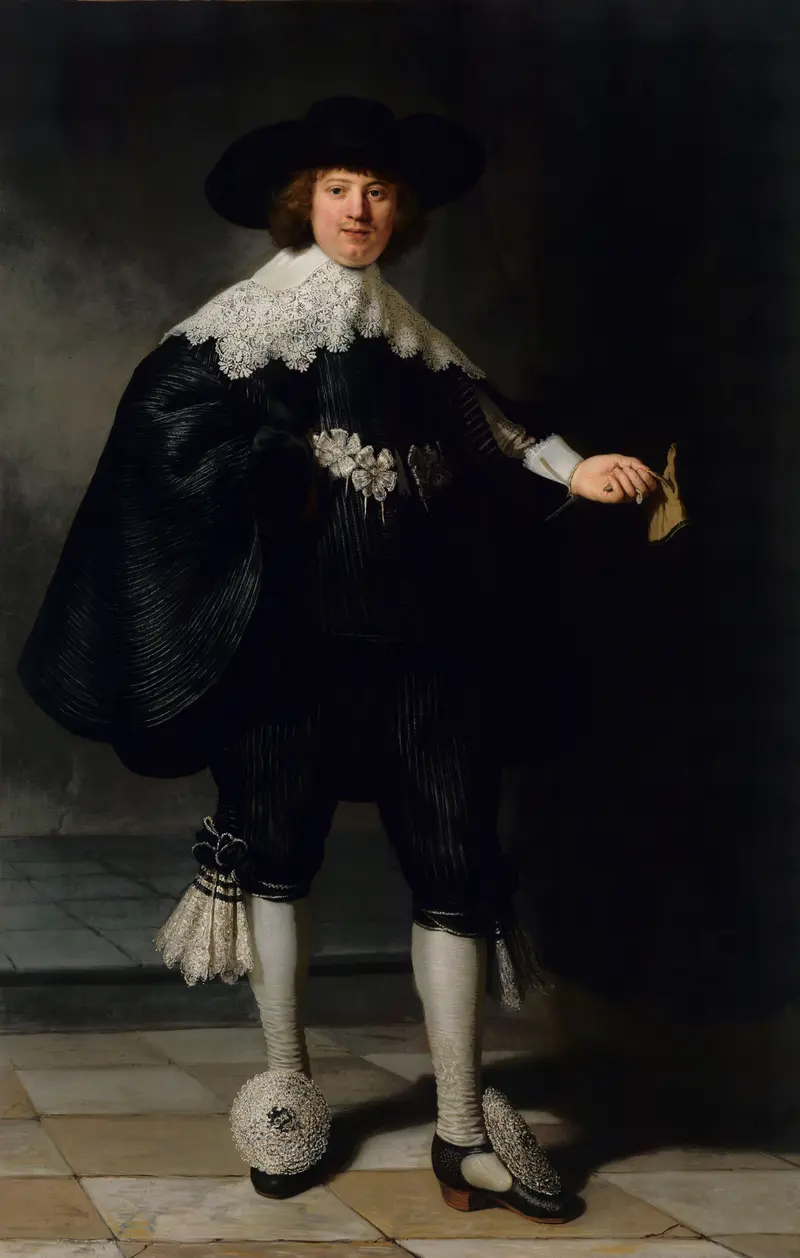
Portrait of Marten Soolmans
Rembrandt van Rijn
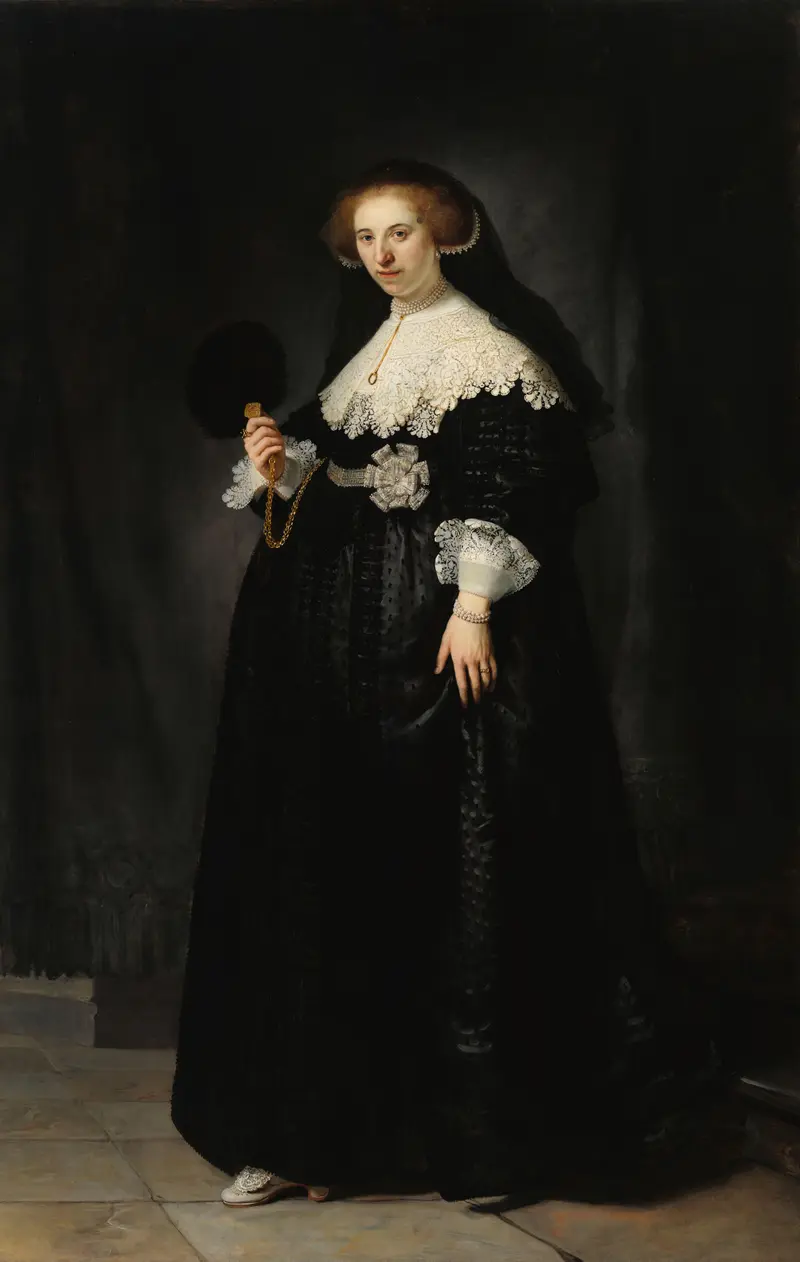
Portrait of Oopjen Coppit
Rembrandt van Rijn

The Prodigal Son in the Tavern
Rembrandt van Rijn
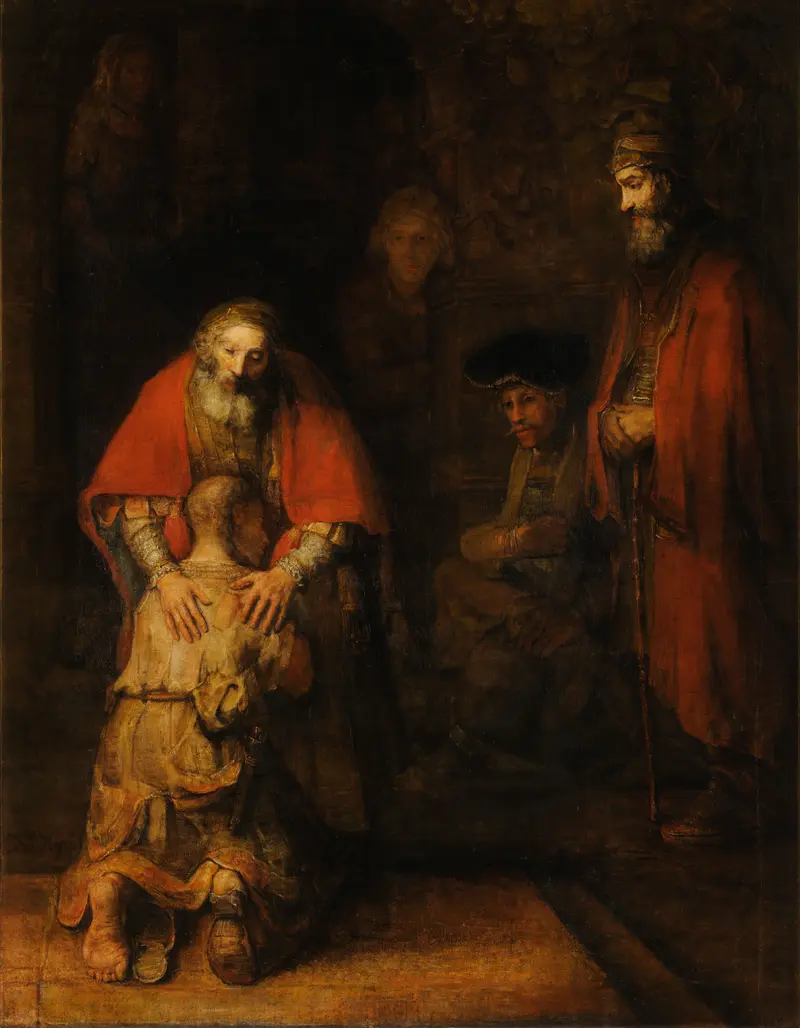
The Return of the Prodigal Son
Rembrandt van Rijn
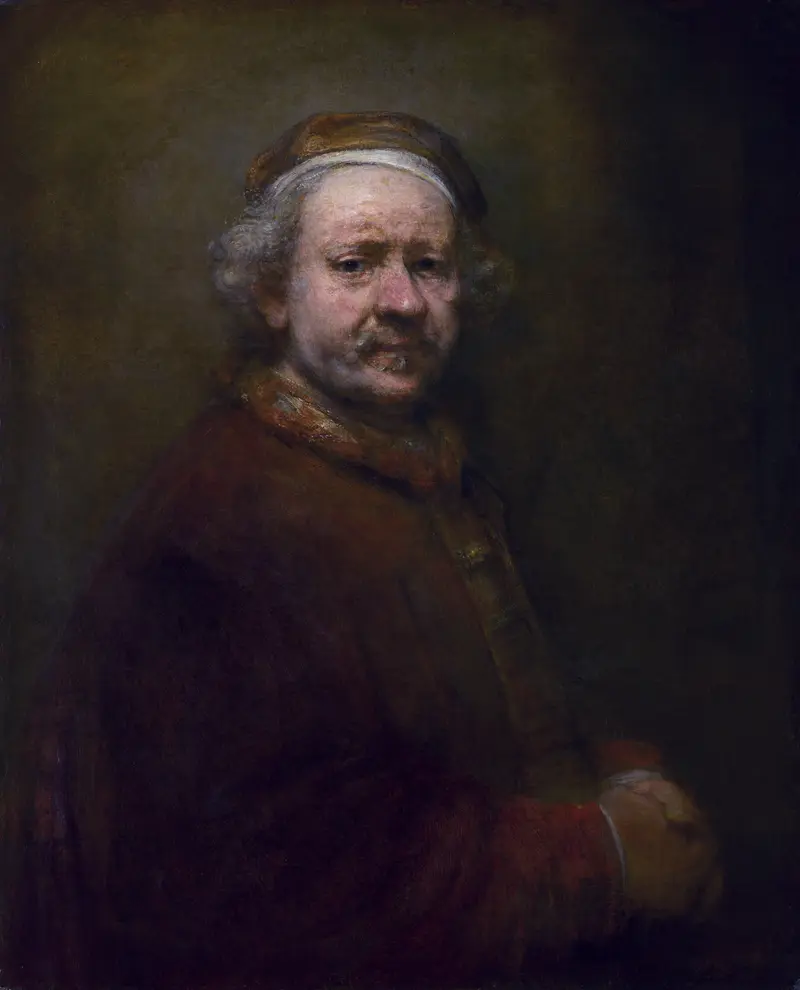
Self-Portrait at the Age of 63
Rembrandt van Rijn