
Woman Writing — History & Facts
What draws the viewer first is the hush that seems to settle over the scene, as if the very act of writing has stilled the air. The figure is bent in concentration, her face turned away, so that her thoughts remain private, yet the posture and the focused hands speak volumes. August Macke’s brushwork is loose but deliberate, with color patches that suggest rather than delineate—her white blouse glows against the yellow-green wall, while the blue shadows carve out her form.
The background, with its framed picture and vertical streaks, frames her in a world of gentle abstraction, hinting at a domestic interior but leaving much unsaid. The palette is cool and bright, lending the moment a feeling of clarity and quiet absorption. Painted in 1910, Woman Writing belongs to a moment of rapid change in European art, when artists like Macke—associated with the German Expressionists—were searching for new ways to convey inner life and fleeting experience. Portraits of women reading or writing were popular in bourgeois circles, often commissioned to celebrate education or domestic virtue, but here the subject’s anonymity and the sketch-like handling hint at a more modern, psychological approach.
The work’s presence in the Sotheby’s collection today speaks to the continued fascination with these early, exploratory canvases, where the boundaries between observation and emotion are freshly drawn. The longer you look, the more the painting’s unfinished edges and floating colors invite you to imagine the letter being written, and the world just beyond the frame.
More Artworks by August Macke
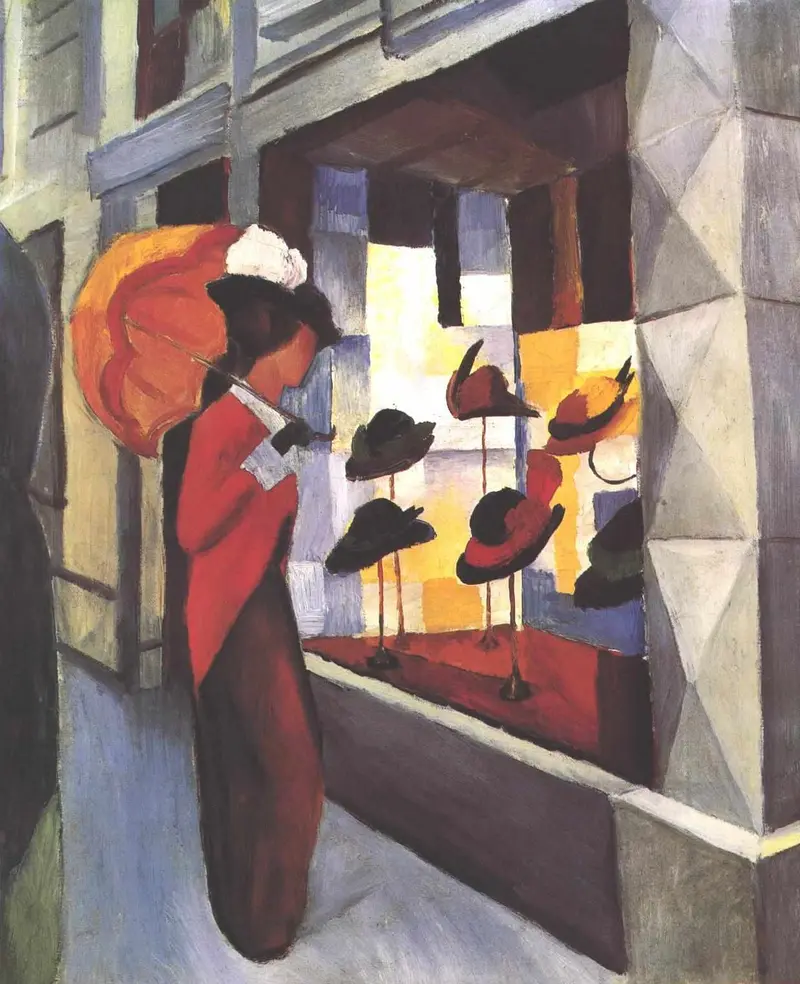
Woman with a Parasol in Front of a Hat Shop
August Macke

Street with Church in Kandern
August Macke
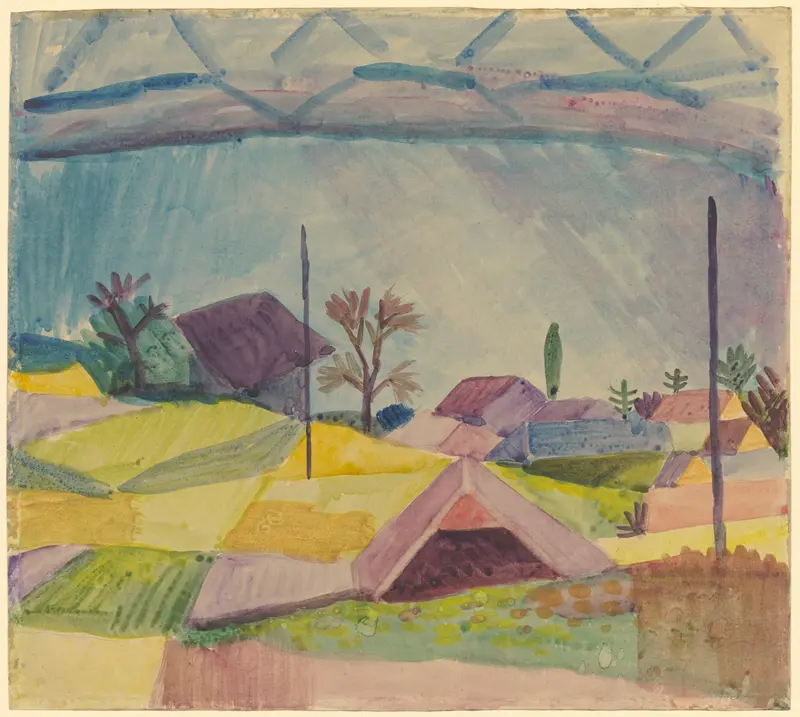
View of Hilterfingen
August Macke

Paar im Nachen
August Macke
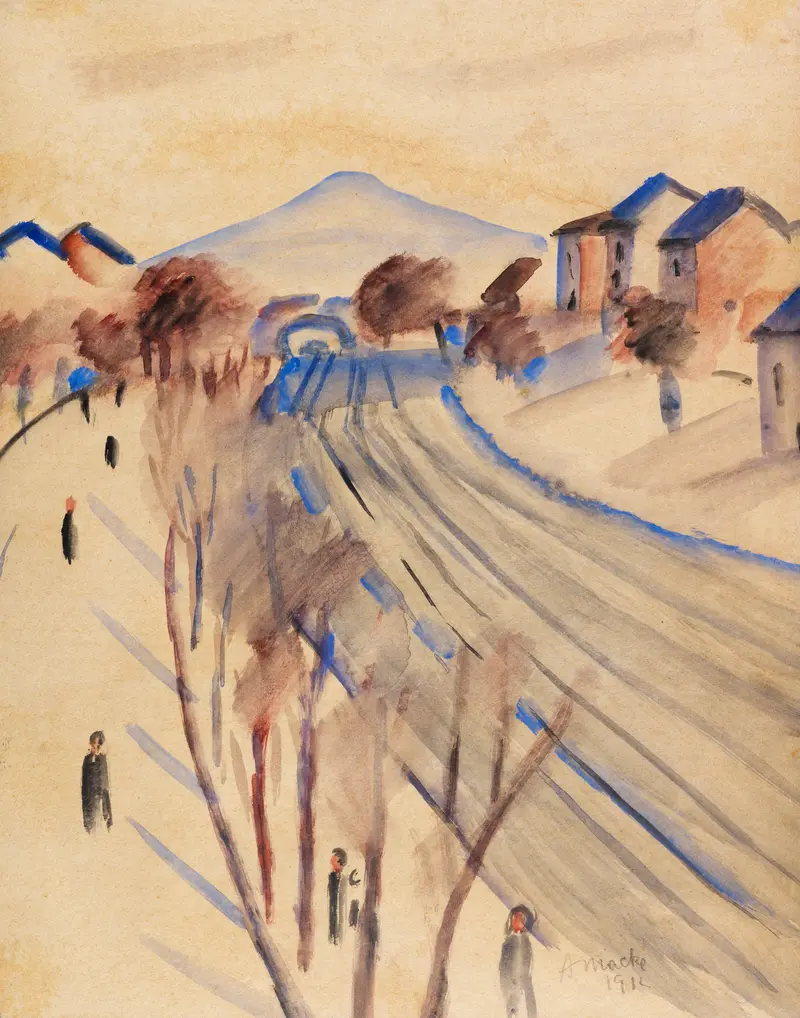
Ölberg mit Bahngleisen II
August Macke
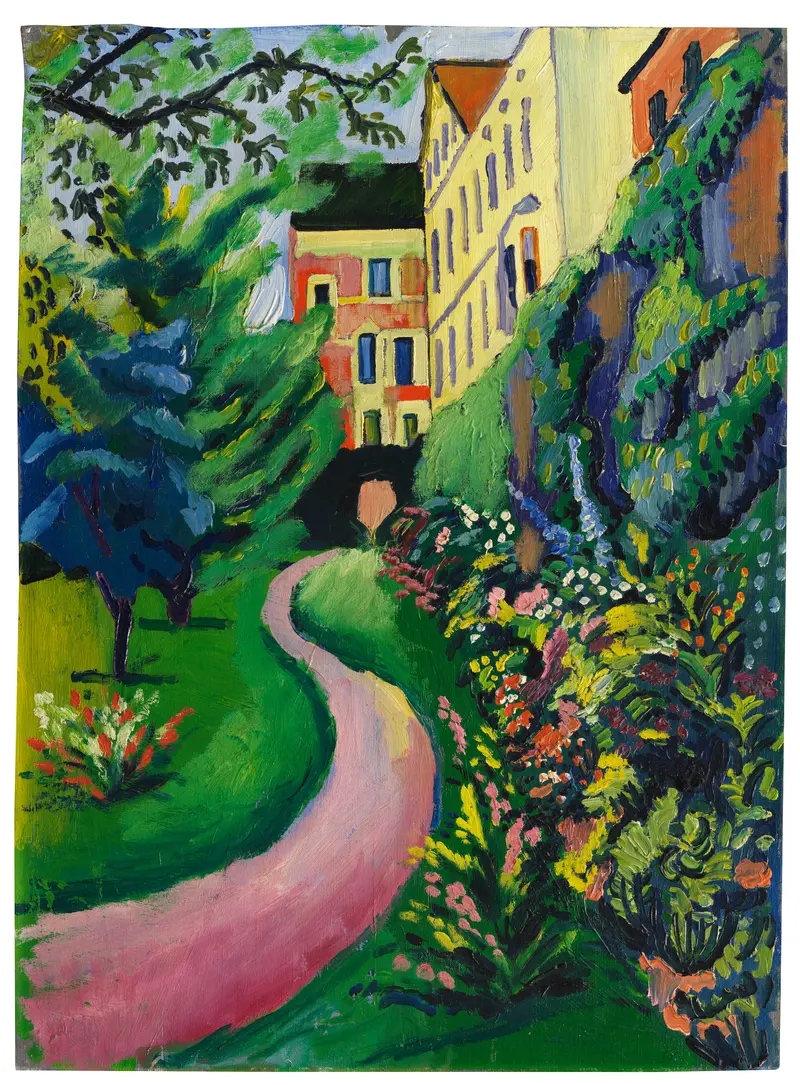
Unser Garten mit blühenden Rabatten
August Macke
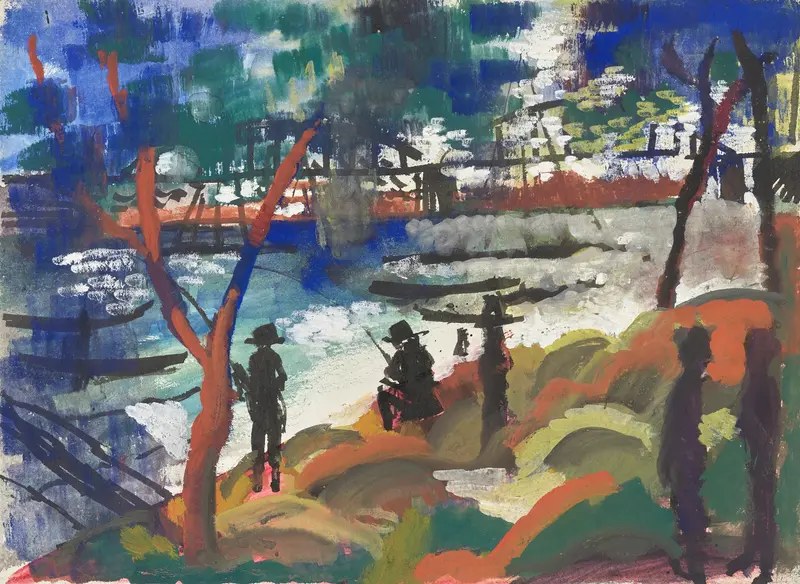
Angler am Fluss
August Macke
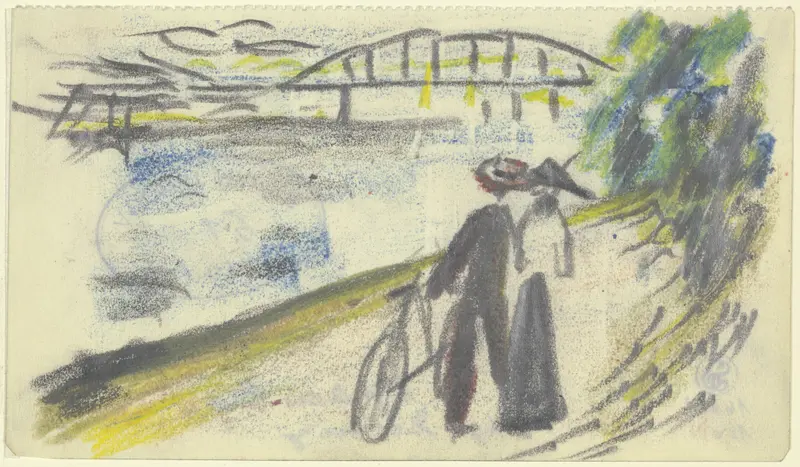
Path at the Rhine
August Macke
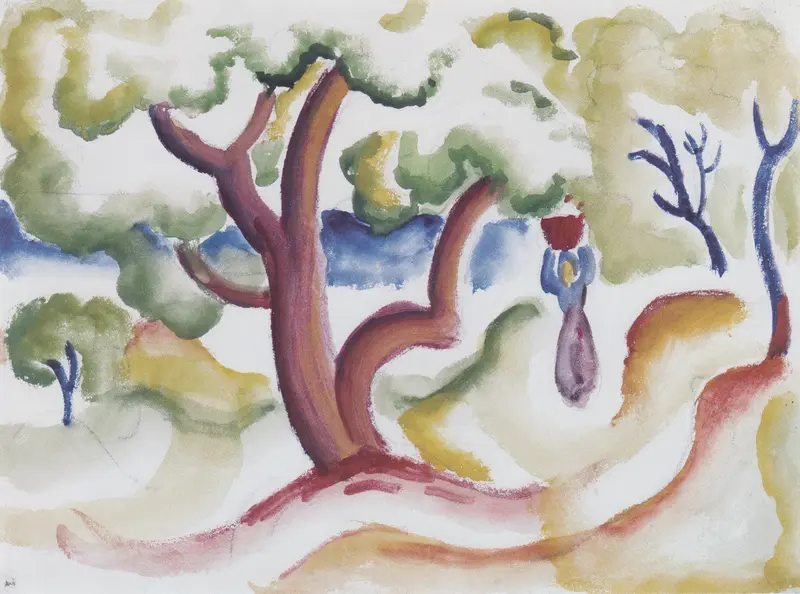
Frau mit Krug unter Bäumen
August Macke
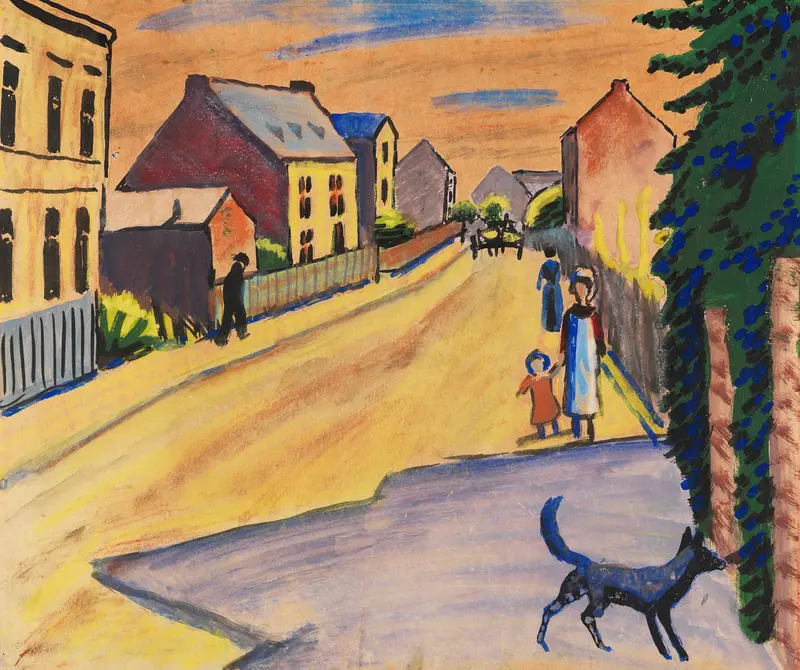
Sonnige Straße mit Hund
August Macke





