
Women in the Bath — History & Facts
In Women in the Bath, Edvard Munch presents a scene filled with soft, muted colors. The figures of women are depicted in a relaxed state, surrounded by water. The setting suggests intimacy, with the bath serving as a private space.
The brushwork is fluid, enhancing the sense of movement and tranquility. The painting is characterized by Munch's signature style, which blends realism with expressionism. The use of color is particularly striking, with blues and greens dominating the palette. The figures are rendered with a certain abstraction, emphasizing their emotional states rather than physical details.
This technique invites viewers to engage with the feelings of the subjects. Edvard Munch is best known for his exploration of psychological themes and human emotion. Women in the Bath reflects his interest in the female form and the complexities of intimacy. Interestingly, this work was created during a period when Munch was deeply influenced by his personal experiences.
It showcases his ability to convey vulnerability through art.
More Artworks by Edvard Munch

The Scream
Edvard Munch

The Scream (1910 version)
Edvard Munch

Despair
Edvard Munch

The Day After
Edvard Munch
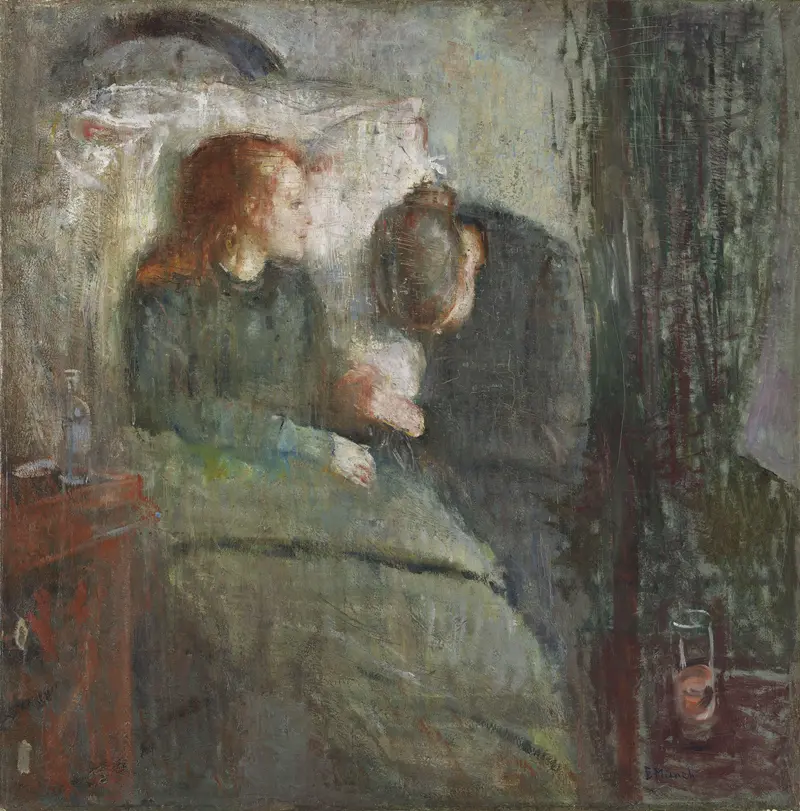
The Sick Child
Edvard Munch
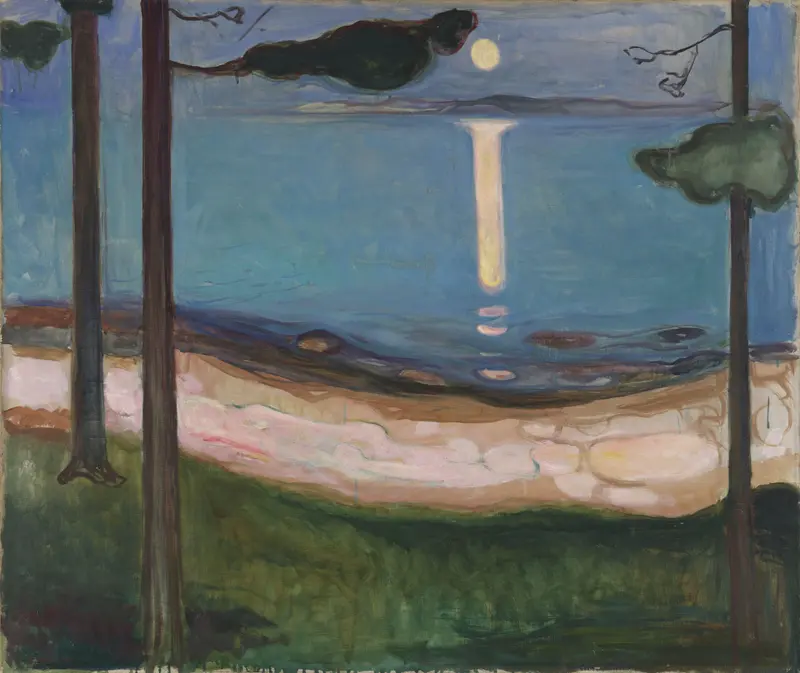
Moonlight
Edvard Munch
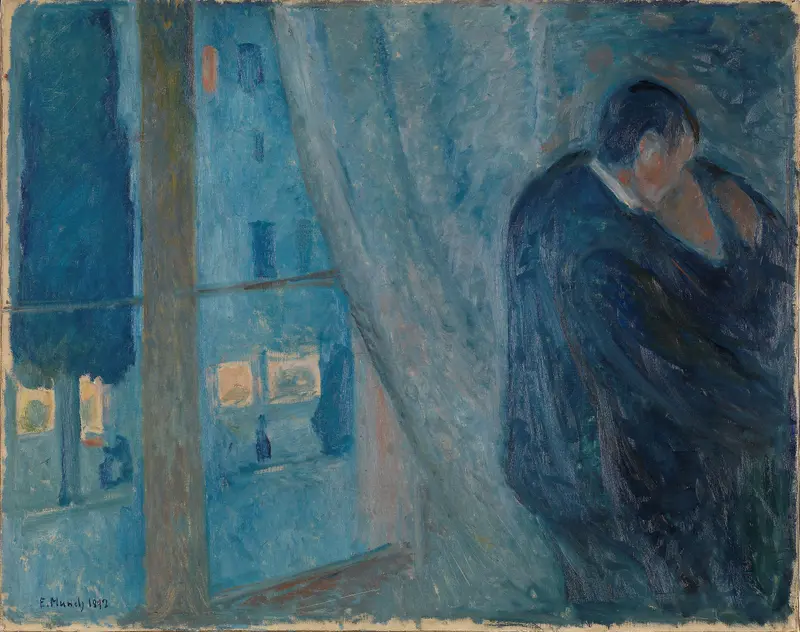
The Kiss
Edvard Munch
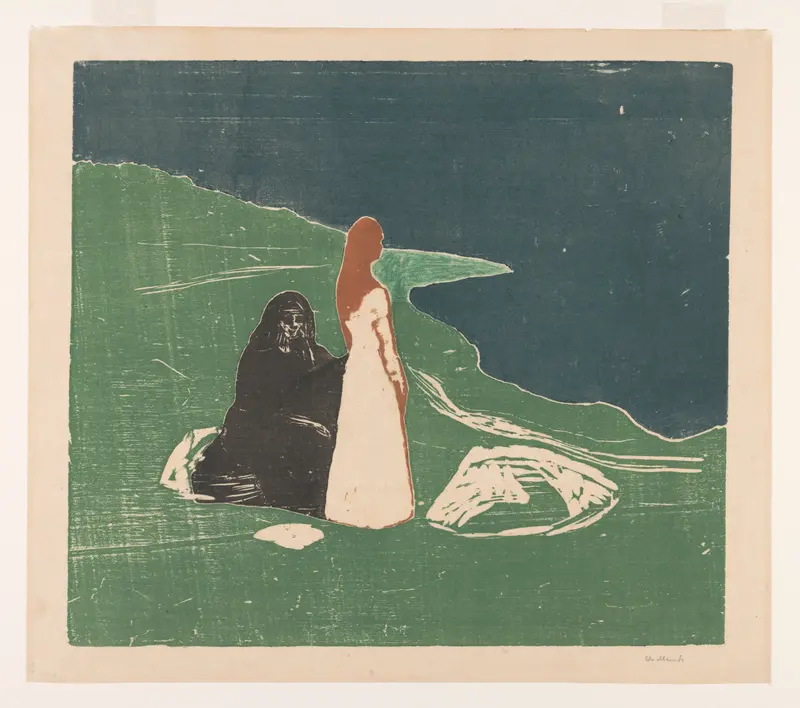
Two Women on the Shore
Edvard Munch
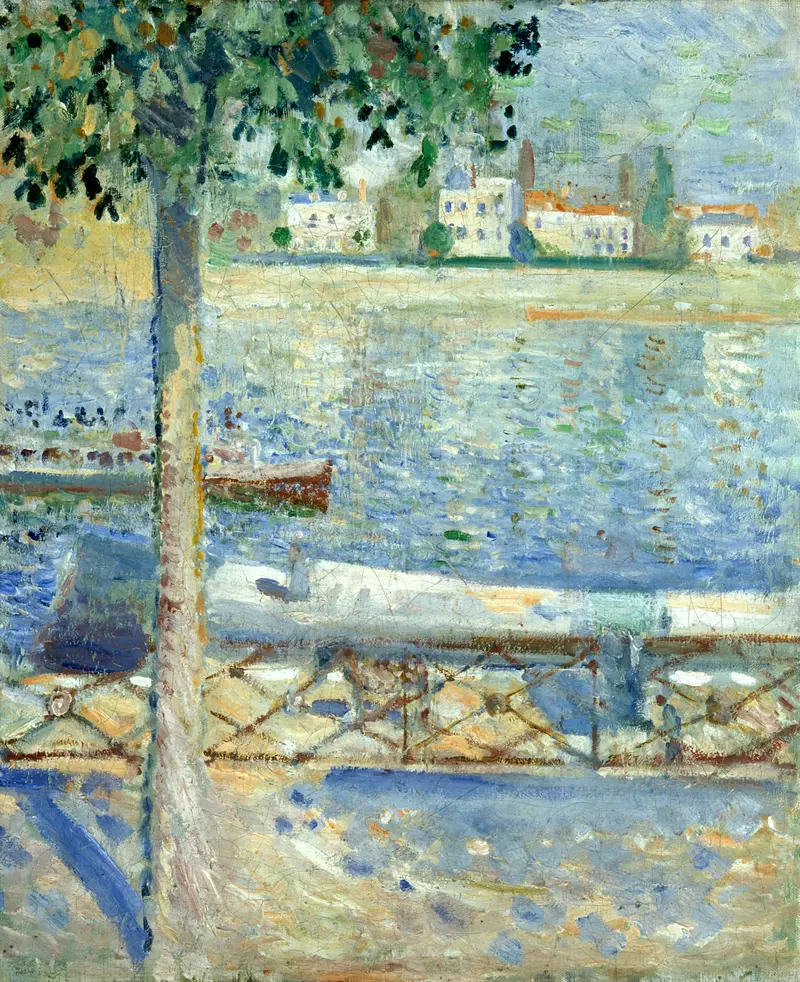
The Seine At Saint-Cloud
Edvard Munch
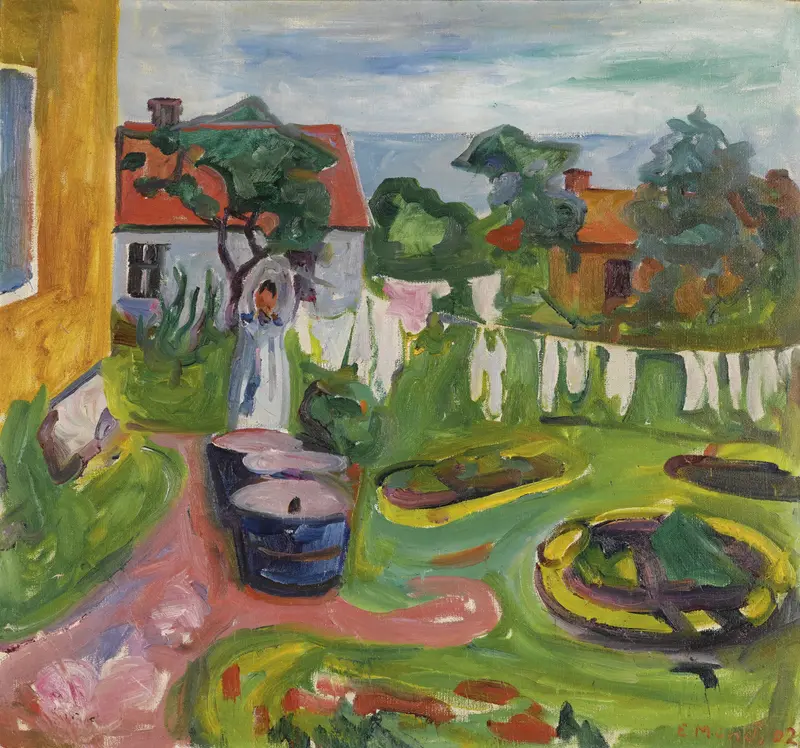
Klestørk I Åsgårdstrand (Clothes On A Line In Åsgårdstrand)
Edvard Munch
More Genre Scene Art

Banquet of the Officers of the St George Civic Guard
Frans Hals

Rembrandt and Saskia in the Scene of the Prodigal Son
Rembrandt van Rijn

Bal du moulin de la Galette
Pierre-Auguste Renoir

Quadrille at the Moulin Rouge
Henri de Toulouse-Lautrec

A Burial at Ornans
Gustave Courbet

When Will You Marry?
Paul Gauguin