Wonderbare visvangst — History & Facts
Who listens when art speaks of silence? In Wonderbare visvangst, an intricate tapestry of emotion entwines grief and expectation, evoking the profound depths of human experience despite the absence of sound. Look closely at the center, where the luminous fish glistens, its scales catching the gentle play of light. This radiant creature draws the eye, seemingly alive in its stillness. Notice how the surrounding figures, poised with anticipation, create a delicate tension—each gesture, every glance, weighted with unspoken narratives.
The muted palette of blues and greys imbues the scene with a sense of melancholia, as if the air itself is heavy with what remains unvoiced. Delve deeper into the composition; the positioning of the boat and the figures suggests a connection to the broader themes of loss and longing. The fish, both a symbol of sustenance and a reminder of what is fleeting, stands in contrast to the human figures, who are rooted in their moment of waiting. This juxtaposition of life and stillness, abundance and yearning, spirals into the viewer’s consciousness, inviting reflection on the fragility of existence. In 1503, during a period of burgeoning artistic exploration in Delft, the Master of Delft created this work amid a backdrop of cultural and economic change.
The region was witnessing the rise of commerce, yet personal struggles often pervaded the lives of artists. As they sought innovative ways to express their experiences, this piece emerged as a poignant reflection of the simultaneous beauty and sorrow found in daily life.
More Artworks by Master of Delft
Browse all →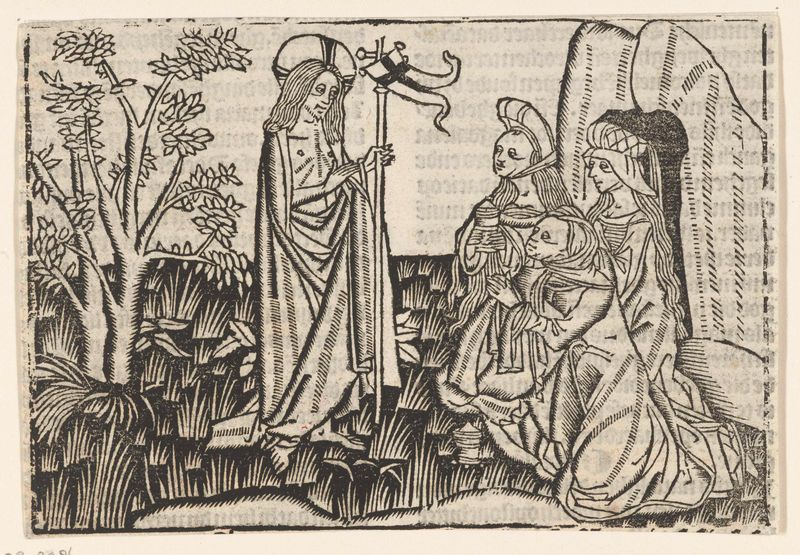
Christus verschijnt aan de drie Maria's
Master of Delft
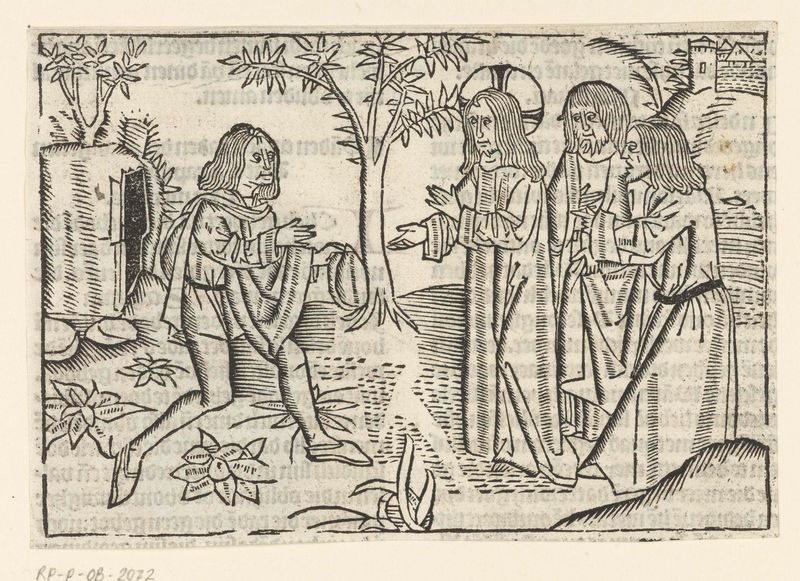
Christus en de rijke jongeling
Master of Delft
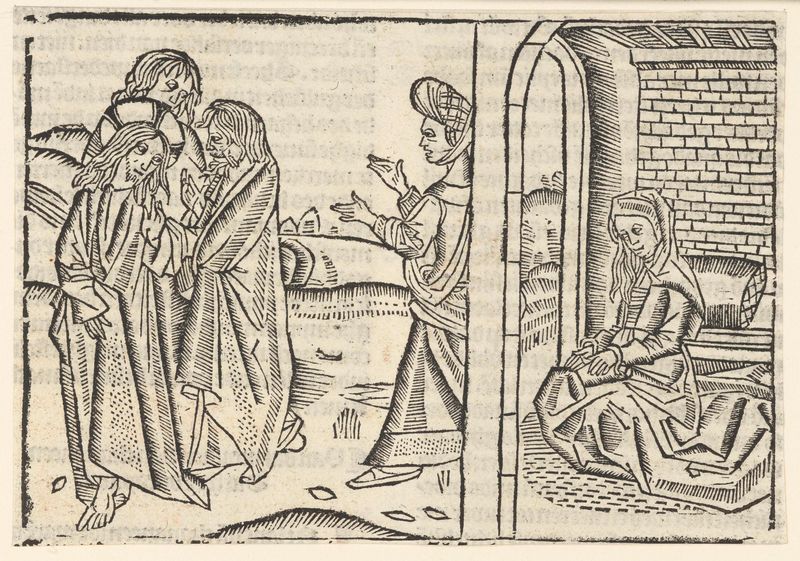
Christus en de Kanaänitische vrouw
Master of Delft
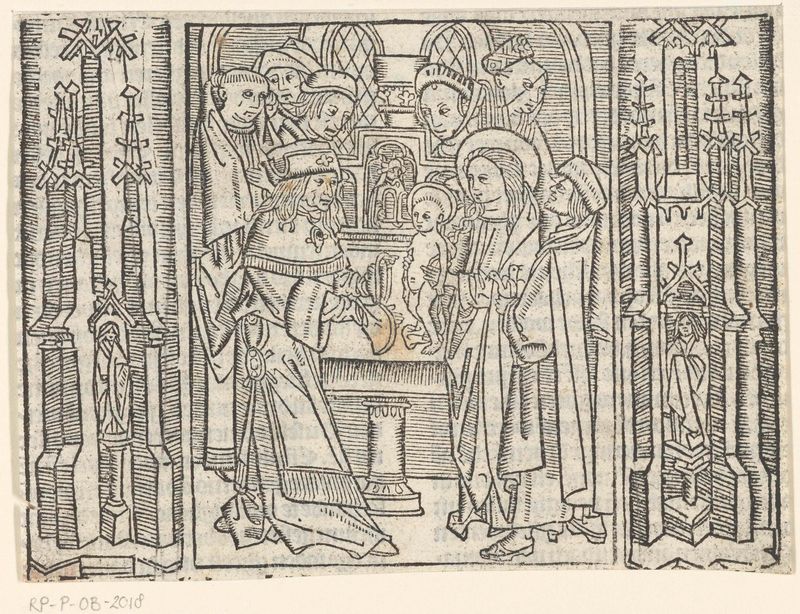
Presentatie van Christus in de tempel
Master of Delft
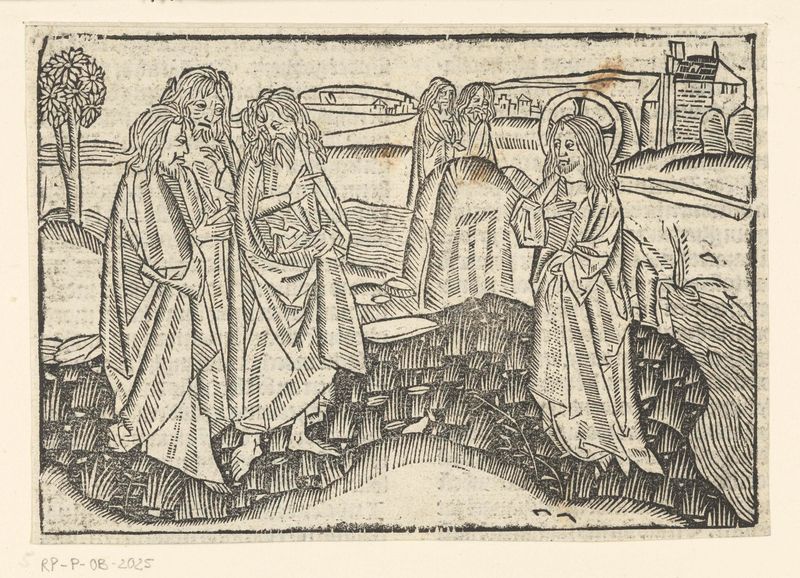
Christus kiest zijn eerste discipelen
Master of Delft
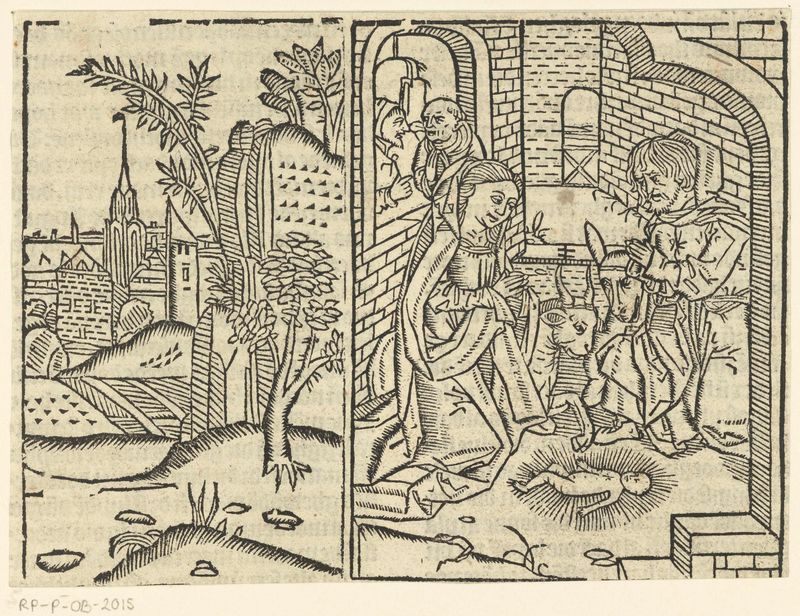
Geboorte van Christus
Master of Delft
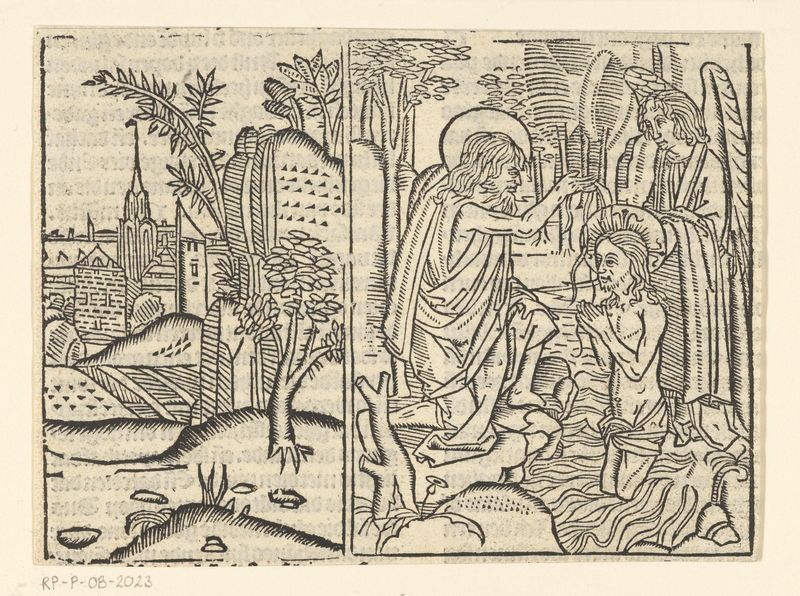
De doop van Christus in de Jordaan
Master of Delft
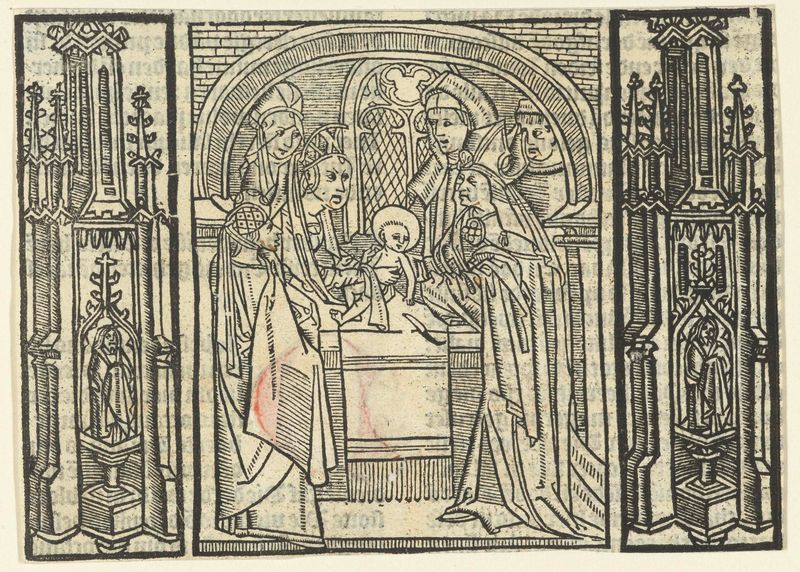
Besnijdenis van Christus
Master of Delft
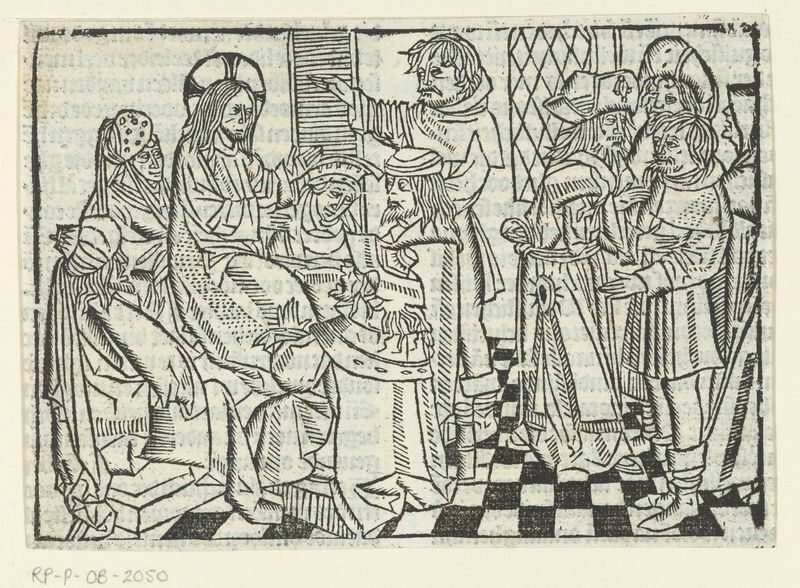
Christus geneest de man met een verdorde hand
Master of Delft
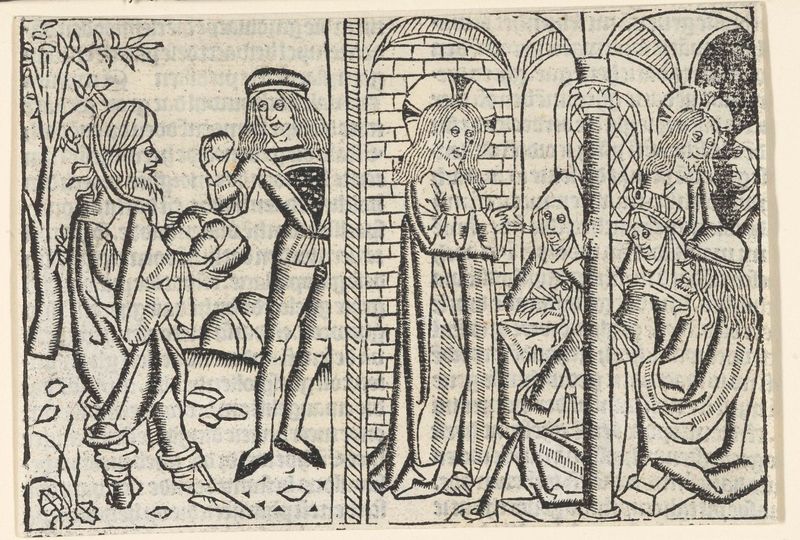
De Farizeeërs willen Christus stenigen
Master of Delft