
Wooded and Hilly Landscape — History & Facts
Where does light end, and longing begin? In the interplay of nature's raw beauty and our own yearning for connection lies a profound awakening. Look to the left at the towering trees, their canopies dappled with sunlight, creating a symphony of greens. The winding path, softly illuminated, draws the eye toward the horizon, inviting exploration and a journey deeper into the landscape. Notice how the artist masterfully employs dark and light contrasts, using deep shadows to create depth while allowing golden rays to dance across the surface of the foliage.
The gentle undulations of the hills beckon, as if whispering stories of the earth's quiet resilience. Within this serene setting lies a palpable tension between light and shadow, reflecting the duality of human experience. The lush greenery symbolizes life and vitality, while the looming shadows suggest the inevitability of loss and solitude. The viewer is caught in a moment of introspection, where the beauty of nature ignites both hope and melancholy.
Each stroke of the brush resonates with the silent question: what lies beyond the visible? During the 1660s, Jacob van Ruisdael, rooted in the Dutch Golden Age, painted Wooded and Hilly Landscape while grappling with the changing tides of the art world. The era was marked by a fascination with realism and nature, reflecting the Dutch people's connection to their land and the natural world. Amidst a thriving market for landscape paintings, Ruisdael's work stood out for its emotional depth and intricate detail, capturing the sublime beauty that speaks to the human soul.
More Artworks by Jacob van Ruisdael
Browse all →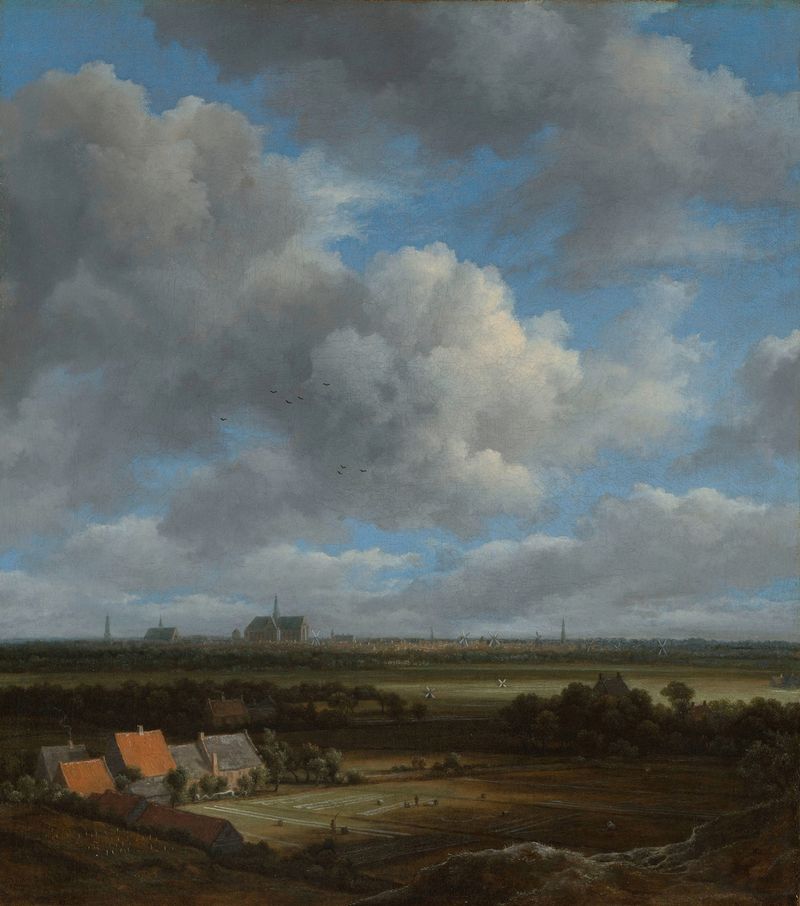
View of Haarlem from the Northwest, with the Bleaching Fields in the Foreground
Jacob van Ruisdael
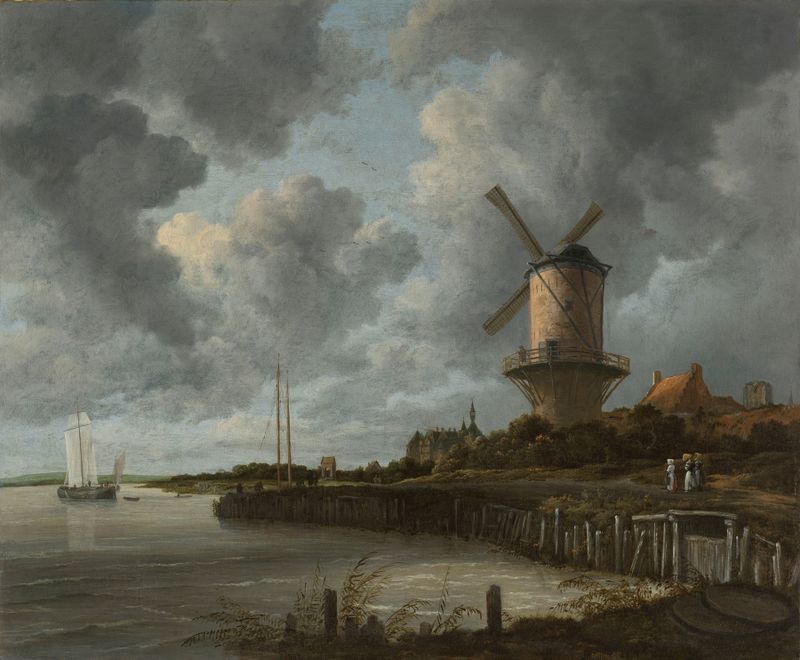
The Windmill at Wijk bij Duurstede
Jacob van Ruisdael
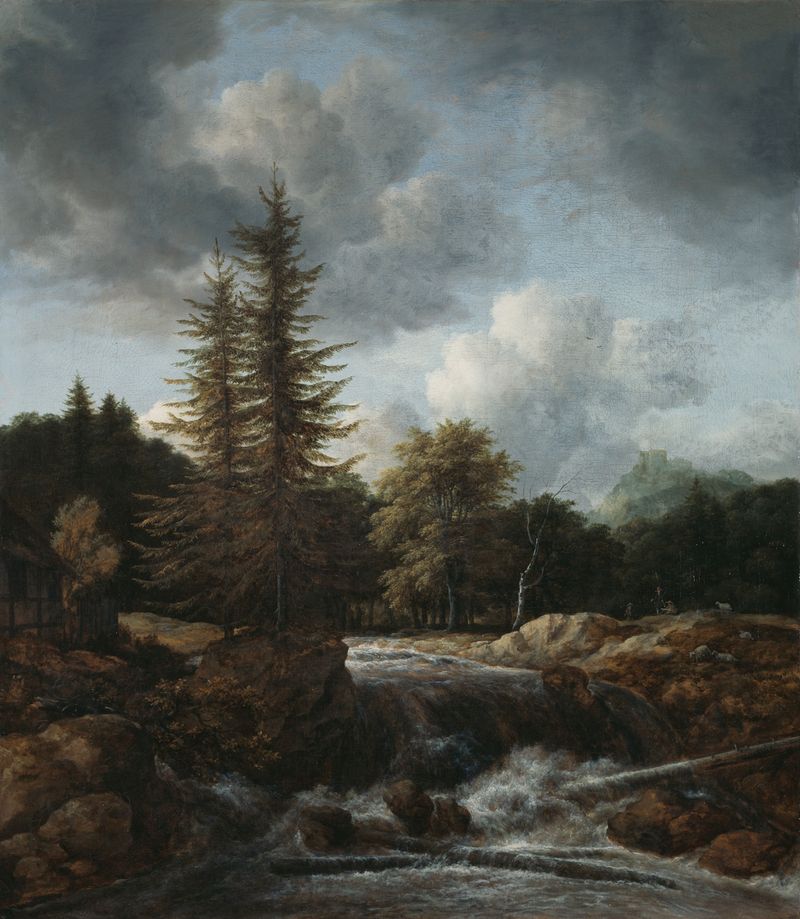
Landscape with Waterfall
Jacob van Ruisdael
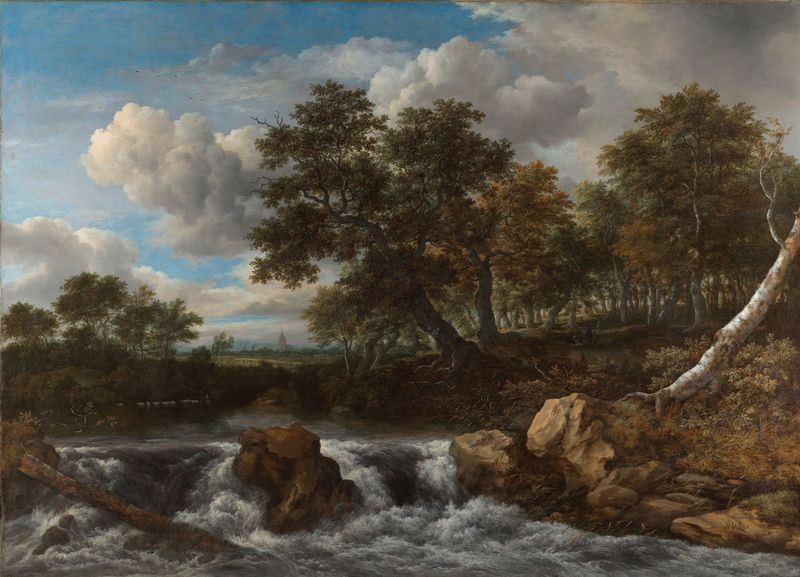
Landscape with Waterfall
Jacob van Ruisdael
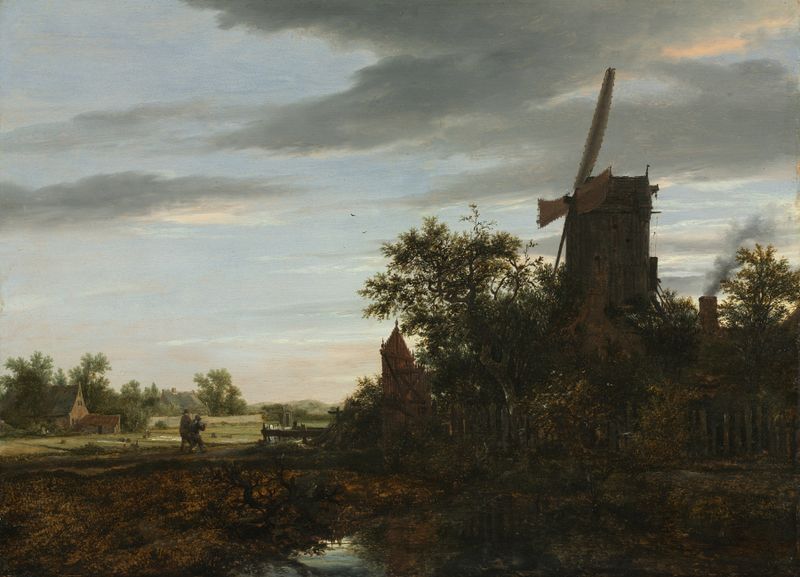
Landscape with a Windmill
Jacob van Ruisdael

Wooded hillside with a view of Bentheim Castle
Jacob van Ruisdael
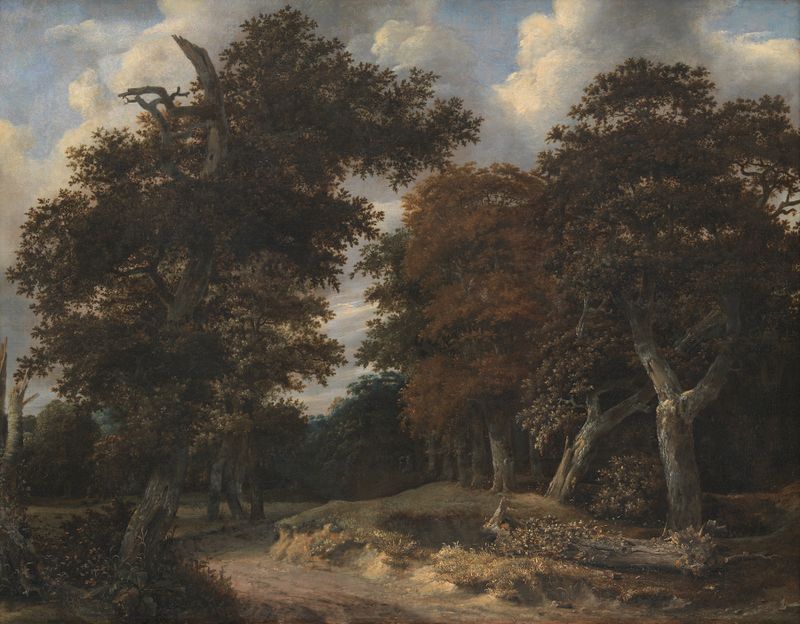
Road through an Oak Forest
Jacob van Ruisdael

Landscape with a Church
Jacob van Ruisdael

The Forest Stream
Jacob van Ruisdael

The Jewish Cemetery
Jacob van Ruisdael





